
Finding the perfect bedside lamp in Singapore involves more than just picking an attractive design from an online catalog. While many popular brands compete for space on your nightstand, relying solely on brand reputation can be misleading. Build quality, safety standards, and smart features vary significantly across different models, even within the same brand lineup.
To make an informed decision, you need a clear framework to evaluate these products under local conditions. This guide outlines how to inspect physical construction, verify electrical safety compliance, assess smart connectivity, and calculate the true cost of ownership. By focusing on verifiable specifications and your specific bedroom layout, you can select a lamp that offers lasting performance and convenience.
How to Inspect Build Quality and Safety Certifications
Evaluating build quality starts with the physical stability of the lamp. Bedside tables in Singapore apartments, such as HDB flats or condominiums, are often compact to maximize floor space. A lamp with a lightweight base or a high center of gravity can easily tip over when you reach for a phone or a glass of water in the dark. Look for lamps with weighted bases, non-slip rubberized bottom pads, and a balanced footprint that fits securely on your nightstand.
Products mentioned in this guide
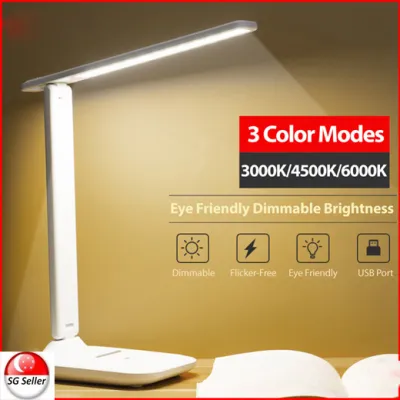
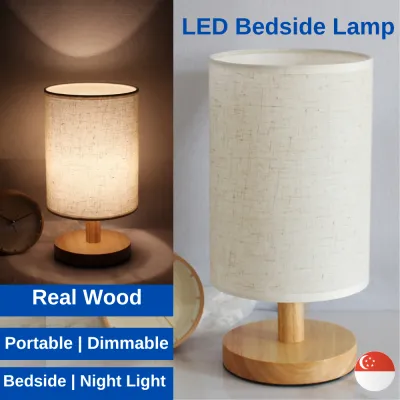
![[Pre-Order 18-25 Days]Banker Lamp Vintage European reading desk lamp bedroom bedside reading light solid wood eye-protecting iron table lamp](https://img.lazcdn.com/g/p/3c7586971f89f675495f663ab43088a9.jpg_400x400q80.jpg_.webp)
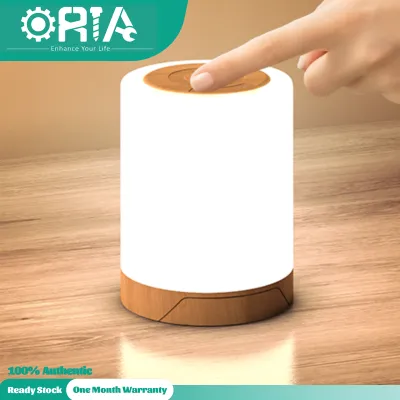
![[SG Local Stock] 2000mAh LED Table Lamp Study Foldable Desk Light Bedroom Bedside Touch Control Dimmable USB Rechargeable 台灯 CNY Gift Present](https://img.lazcdn.com/g/p/254b9aa79170e7ac80d5ab37505c1212.jpg_400x400q80.jpg_.webp)
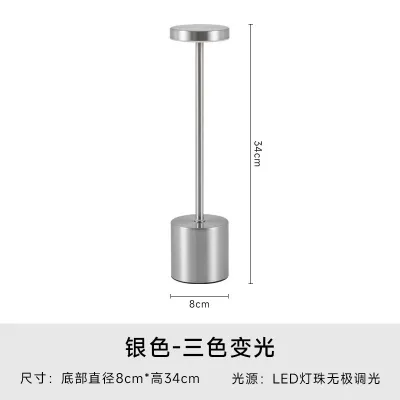
![[✅SG Ready Stock]Portable Night Light Bedside Table Lamp Rechargeable Touch Lamp Bedroom Ambient Light Hanging Lamp With Adjustable Brightness Changeable Colors Timer for Home/Bedroom/Office/Hallways](https://img.lazcdn.com/g/p/d42db546b92dba47d23e7546418a6e47.jpg_400x400q80.jpg_.webp)
Prices are valid at publication and may change. Please refer to the product page for the latest price.
Next, examine the materials used in the joints, hinges, and adjustment mechanisms. If you choose an adjustable arm lamp, metal joints with tightening screws offer far greater durability than plastic friction-fit hinges, which tend to loosen and sag over time. Inspect the point where the power cable enters the lamp base; a robust rubber strain relief sleeve is essential to prevent the internal wiring from fraying or short-circuiting due to repeated movement.
Electrical safety is paramount for any device that remains plugged in next to where you sleep. In Singapore, household electrical appliances must comply with strict safety regulations. Always check the product label, plug, or packaging for the SAFETY Mark issued by the Consumer Product Safety Office (CPSO) under Enterprise Singapore. This mark, accompanied by a unique eight-digit certification number, confirms that the lamp has been tested and certified safe for local use.
Additionally, verify that the lamp is rated for Singapore’s standard mains voltage of 230V at 50Hz. It should come equipped with a standard Type G 3-pin plug. Avoid using travel adapters or cheap voltage converters for permanent bedside lighting, as loose connections can create electrical resistance, leading to overheating and potential fire hazards.
Evaluating Smart Features and Lighting Adjustability
Smart bedside lamps offer convenient automation, but their performance depends heavily on their connectivity protocols. Most smart lamps use Wi-Fi, Bluetooth, or Zigbee to communicate. Wi-Fi lamps connect directly to your home router, making them easy to set up, but they can congest your network if you have numerous smart home devices. Bluetooth lamps offer simple, direct control from your smartphone but have limited range and cannot be controlled when you are away from home unless paired with a compatible gateway.

Zigbee lamps are highly efficient and create a stable mesh network, but they require a dedicated smart hub to function. When comparing brands, check whether the lamp requires an additional hub purchase or if it can integrate directly with your existing home network.
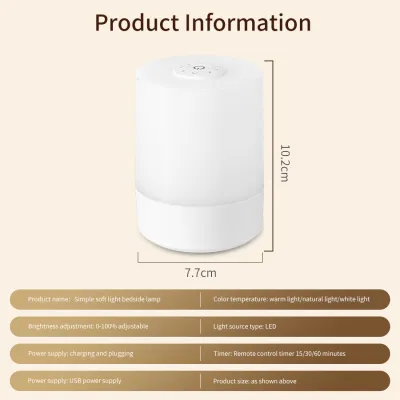
Lighting adjustability is another critical factor for bedroom comfort. A versatile bedside lamp should support a wide color temperature range, measured in Kelvin (K). Look for a range of 2200K (a warm, amber light that promotes melatonin production for sleep) to 6500K (a cool, crisp daylight suitable for reading or working). The brightness, measured in lumens, should also be highly adjustable; a good lamp can dim down to 5 lumens for a gentle nightlight and scale up to at least 300 lumens for focused reading.
While app control is convenient, physical accessibility remains crucial. A lamp that requires you to unlock your phone and open an app just to turn it off in the middle of the night can quickly become frustrating. Look for models that feature intuitive physical controls on the base, such as touch-sensitive sliders, rotary dials, or physical buttons. If you prefer voice commands, ensure the lamp’s companion app integrates seamlessly with your preferred voice assistant ecosystem, such as Google Assistant, Apple Home, or Amazon Alexa.
Calculating Long-Term Value and Maintenance Costs
Calculating the long-term value of a bedside lamp requires looking beyond the initial purchase price. One of the most important decisions is choosing between an integrated LED fixture and a lamp with a replaceable bulb socket. Integrated LED lamps often feature sleek, ultra-thin designs and optimized heat dissipation, but once the built-in LED array reaches the end of its lifespan, the entire lamp must be discarded.
Conversely, lamps with standard replaceable sockets, such as E27 or E14, offer excellent flexibility. If a bulb fails, you can simply replace it rather than buying a whole new lamp. This setup also allows you to upgrade your smart technology independently by swapping out a standard bulb for a newer, more advanced smart bulb model in the future.
If you opt for a replaceable socket lamp, always check the maximum wattage rating printed on the safety label. For example, a fixture rated for “Max 15W LED” must never be paired with a higher-wattage bulb, as excessive heat can damage the lampshade, socket, or internal wiring.
Consider the manufacturer’s warranty and the availability of local customer support. Brands that provide a local warranty in Singapore, typically covering one to two years, offer peace of mind. If a power adapter fails or a firmware update bricks the lamp, having a local service center makes resolving the issue much simpler than dealing with overseas shipping. Finally, check the energy efficiency specifications to estimate long-term electricity consumption, especially if the lamp will be left on for extended periods as a nightlight.
Decision Framework: Choosing the Right Bedside Lamp Setup
Choosing the right bedside lamp setup depends on your existing bedroom infrastructure and personal habits. Integrated smart lamps are ideal if you want a streamlined, modern aesthetic with advanced features like color-changing RGB light, precise dimming curves, and built-in sleep timers. These self-contained units are highly optimized but offer no path for physical repairs or hardware upgrades.
A traditional lamp paired with a separate smart bulb is the preferred choice if you value classic design materials, such as ceramic, glass, or heavy brass, that complement your bedroom decor. This modular approach allows you to choose your preferred smart bulb brand and replace or upgrade the smart components without changing the lamp itself.
Before making a purchase, verify your bedroom’s physical and electrical layout. Ensure there is a dedicated, accessible power outlet near your nightstand. If you plan to use smart bulbs, keep in mind that they require constant electrical power to remain connected to your smart home network. If family members habitually turn off the lamp using an inline cord switch or a physical wall switch, the smart bulb will lose power and become unresponsive to app or voice commands.
Additionally, measure your nightstand clearance carefully. A lamp that is too tall can cause uncomfortable glare when you are lying down, while a wide lampshade might obstruct drawers or crowd out other bedside essentials like chargers, books, or a glass of water.
Frequently Asked Questions (FAQ)
Do smart bedside lamps require a neutral wire? (FAQ)
Standard plug-in bedside lamps do not require a neutral wire check, as they draw power directly from a standard wall socket. However, if you plan to control your bedside lamps using smart wall switches or if you are installing hardwired wall sconces, a neutral wire is typically required in the wall box. For any fixed electrical wiring installations, always isolate the power at the main distribution board and consult a qualified electrician.
How do I verify electrical safety for lamps bought online? (FAQ)
When purchasing bedside lamps from online marketplaces or ecommerce platforms, check the product listing images and descriptions for the Enterprise Singapore SAFETY Mark. Verify that the rated voltage is compatible with Singapore’s 230V grid. Look for recognized international testing laboratory logos such as CE, TÜV, or UL. If the physical product arrives without the certified safety labels, or if the plug is not a standard Type G 3-pin plug, stop using the device immediately and contact the seller or manufacturer.
Can I use any smart bulb in a standard bedside lamp? (FAQ)
You can use a smart bulb in a standard bedside lamp provided the bulb’s base matches the lamp’s socket (such as E27 or E14) and the bulb’s physical dimensions fit comfortably within the lampshade without touching the material. Additionally, ensure the smart bulb’s wattage does not exceed the lamp’s maximum rated wattage. Never use a smart bulb in a lamp connected to a traditional physical dimmer switch, as the voltage fluctuations will cause flickering, connection drops, or permanent damage to the bulb’s internal electronics.

Community discussion
Share your experience or ask a question. Comments are reviewed before publication.