
Evaluating LED table lamp brands requires looking beyond basic aesthetics and physical designs. To make a practical purchase decision, you must compare optical performance metrics, physical adjustability, control interfaces, and electrical safety certifications. A systematic comparison of these technical specifications ensures you select a lamp that protects your eyes, fits your workspace ergonomics, and offers reliable long-term performance.
In modern homes and offices, where desks are often compact and multi-functional, the right lighting setup directly impacts productivity and comfort. By understanding how different brands present their specifications, you can easily separate high-quality engineering from basic marketing claims.
Optical Performance and Eye Comfort Metrics
Color Rendering Index (CRI) is a critical metric that determines how accurately a light source reveals the true colors of objects. When comparing brands, look for a CRI rating (often denoted as Ra) of 90 or higher. High CRI values are essential for detailed tasks like drafting, crafting, or color-matching, as lower-rated lamps can make colors appear dull, gray, or distorted.
Products mentioned in this guide
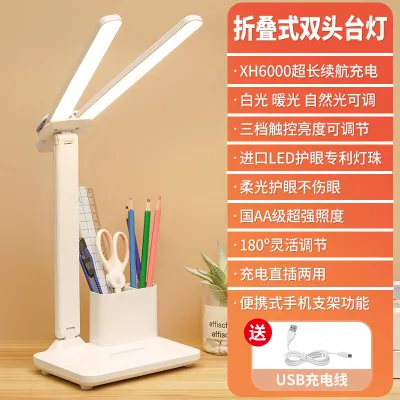
![[LOCAL SELLER] LED Touch On/Off Switch 3 Modes Clip Desk Lamp 2000MAh Eye Protection Desk Light Dimmer Rechargeable USB Led Table Lamp](https://img.lazcdn.com/g/p/c5062fc78b0d51f10105f68700cb1e94.jpg_400x400q80.jpg_.webp)
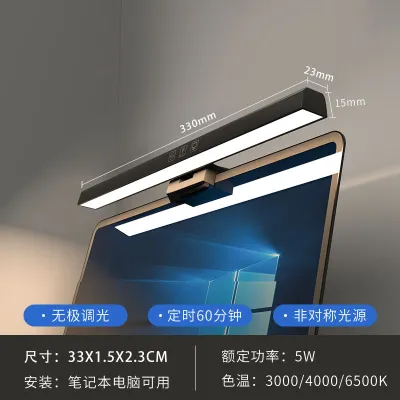
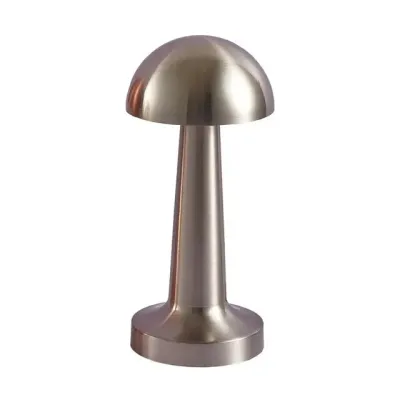
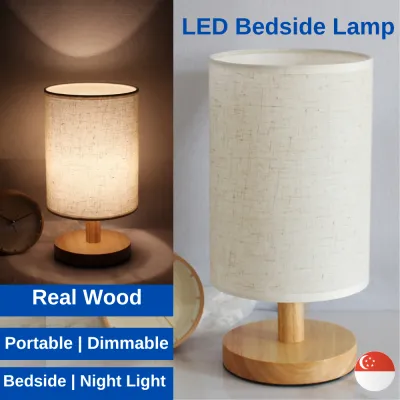
Prices are valid at publication and may change. Please refer to the product page for the latest price.
Correlated Color Temperature (CCT) adjustability allows you to change the warmth or coolness of the light. Premium brands typically offer tunable white options ranging from a warm 2700K to a cool 6500K. Warm light is ideal for evening reading and relaxation, while cool daylight supports active focus and alertness during daytime work hours. Compare whether a brand offers step-less tuning or only a few fixed presets.
Flicker-free technology is vital for preventing eye strain, headaches, and fatigue during prolonged use. While many brands claim to be flicker-free, you should verify these assertions by looking for compliance with recognized standards, such as IEEE certification. Additionally, check the product specifications for blue light hazard classifications, aiming for a Risk Group 0 (RG0) rating, which indicates the lowest possible blue light emission.
Illuminance levels and beam uniformity describe how effectively light is distributed across your desk. Illuminance is measured in lux at a specific distance, while uniformity refers to the evenness of that light. High-quality brands design their lamps with advanced diffusers or asymmetric optics to spread light evenly across the workspace, eliminating harsh central hotspots and dark, high-contrast edges.
Physical Build, Adjustability, and Desk Ergonomics
Articulation range and joint tension retention determine how easily you can position the light exactly where you need it. Compare the mechanical design of the lamp arms, looking for multi-axis joints or flexible goosenecks. It is important to check if the joints can be manually tightened over time or if they rely on factory-set tension, which may loosen and cause the lamp head to droop after extended use.

Base weight and center of gravity are crucial for maintaining stability on your desk. A lamp with a heavy, well-balanced base will not tip over when the arm is fully extended. For compact study corners or crowded workspaces, some brands offer alternative mounting options, such as heavy-duty desk clamps or wall mounts, which free up valuable desk real estate.
Material durability and heat dissipation design directly affect the lifespan of the LED chips. Although LEDs generate significantly less heat than traditional incandescent bulbs, the internal diodes still produce heat that must be dissipated. Aluminum or high-grade metal alloy housings act as efficient heat sinks, whereas cheap plastic housings can trap heat, leading to premature dimming or diode failure.
Overall desk footprint and cable management features help maintain an organized workspace. Compare how different brands route their power cables. Some integrate the wiring seamlessly inside the metal arms, while others leave loose cords exposed, which can clutter your desk and increase the risk of accidental snags.
Controls, Smart Features, and Power Integration
Control interfaces vary widely between brands, ranging from physical buttons and rotary dials to touch-sensitive panels. Touch panels offer a sleek, modern look but can be prone to fingerprint smudges and accidental activation. Physical dials or sliders often provide more intuitive, tactile control when adjusting brightness levels and color temperatures in the dark.
Memory functions and automation sensors add significant daily convenience. A built-in memory function ensures the lamp turns on at the exact brightness and color temperature you previously selected. Advanced models may also feature ambient light sensors that automatically adjust the lamp’s output to match the changing natural light in your room throughout the day.
Power delivery options can turn your desk lamp into a convenient charging hub. Many brands integrate USB charging ports into the lamp base. When comparing these, check the specific output ratings, such as 5V/1A versus faster 5V/2.4A or USB-C Power Delivery ports, to ensure they can charge your smartphones or tablets efficiently.
Smart home integration allows you to control your lighting via mobile apps or voice assistants. While convenient, smart features introduce dependencies on local wireless network stability and manufacturer software updates. If you prefer a smart lamp, verify that the brand’s proprietary app is regularly updated and compatible with your existing smart home ecosystem.
Electrical Safety Marks and Warranty Coverage
Electrical safety compliance is a non-negotiable factor when evaluating lighting brands. In Singapore, power adapters for household appliances must carry the Enterprise Singapore SAFETY Mark. This certification ensures the adapter has been rigorously tested against short circuits, overheating, and electrical shocks under local voltage conditions.
Power adapter specifications and voltage compatibility must match your local electrical supply. Ensure the lamp is rated for 230V and 50Hz. Additionally, check whether the lamp uses a standard USB-C power input or a proprietary DC jack, as standard inputs make it much easier to find a replacement cable if the original is damaged.
Warranty duration and scope provide a clear indication of a manufacturer’s confidence in their product. Compare the terms closely, noting whether the warranty covers the entire unit, including the built-in LED panel, or if it is limited to the power adapter and electronic switches. A comprehensive warranty of at least one to two years is standard for reputable brands.
Availability of official replacement parts is essential for extending the lifecycle of your purchase. Brands that offer standalone replacement adapters, mounting clamps, or modular cables prevent you from having to discard the entire lamp if a single external component fails.
Matching Lamp Features to Your Daily Tasks
For detailed hobby work, drawing, or crafting, you should prioritize optical precision and physical flexibility. Look for a lamp that offers a high CRI of 90 or above to ensure accurate color representation. A long, multi-jointed articulating arm is also essential, allowing you to cast light from various angles to eliminate shadows on your work surface.
For prolonged screen work and reading, focus on eye comfort and beam uniformity. Choose a brand that features tunable white light, allowing you to switch to cooler tones for focus and warmer tones for night reading. An asymmetric optical design is highly beneficial here, as it directs light onto the desk surface without reflecting off your computer screen.
For minimalist setups or bedside tables, compact and simple designs are ideal. A small, weighted base with intuitive touch controls and a built-in sleep timer fits perfectly in relaxed environments. These models do not require extensive articulation but benefit greatly from smooth, low-level dimming capabilities.
To create your final shortlist, filter out any brands that do not provide verifiable safety certifications, clear warranty terms, or accessible customer support. Investing in a brand that prioritizes electrical safety and optical quality ensures your workspace remains comfortable, productive, and safe for years to come.
Frequently Asked Questions (FAQ)
Does a higher wattage always mean a better LED table lamp?
No, a higher wattage does not automatically mean a better lamp. Wattage measures electrical power consumption, not light output. Because modern LEDs are highly energy-efficient, a lower-wattage lamp can produce a high volume of light. When comparing performance, you should look at the lumen output for overall brightness and the lux rating for targeted light intensity on your desk surface.
Are smart LED table lamps worth the extra cost?
Smart LED table lamps are worth the extra cost if you rely on automated schedules, voice control, or integration with other smart home devices. However, if you simply need reliable task lighting, a standard model with physical controls is often more practical. Standard lamps avoid the risks of network connectivity issues, software bugs, and eventual app obsolescence.

Community discussion
Share your experience or ask a question. Comments are reviewed before publication.