
Embracing a tropical Christmas means trading heavy snow motifs, pine cones, and thick wool blankets for the breezy, vibrant warmth of your natural environment. Instead of forcing a cold-climate winter wonderland inside a warm-weather home, you can celebrate the festive season with lush botanical elements, sun-kissed color palettes, and airy textures. This approach honors the local climate while creating a sophisticated, welcoming holiday atmosphere that feels both festive and entirely authentic to your living space.
By focusing on native foliage, organic textures, and strategic lighting, you can craft a stunning holiday aesthetic without relying on traditional winter cliches. Whether you live in a spacious house or a compact high-rise apartment, transitioning to a tropical holiday theme allows you to design a space that feels open, bright, and beautifully festive.
Planning Your Tropical Holiday Theme and Color Palette
To establish a successful tropical holiday design, begin by reimagining your festive color palette. Traditional crimson and forest green can feel heavy and out of place in a bright, warm-weather setting. Instead, draw inspiration from coastal landscapes and lush rainforests. Consider a palette of soft coral, vibrant turquoise, warm gold, and deep leaf greens. Coral and gold bring a festive warmth that mimics a tropical sunset, while turquoise and emerald tones introduce refreshing coolness that balances the indoor climate.
Products mentioned in this guide
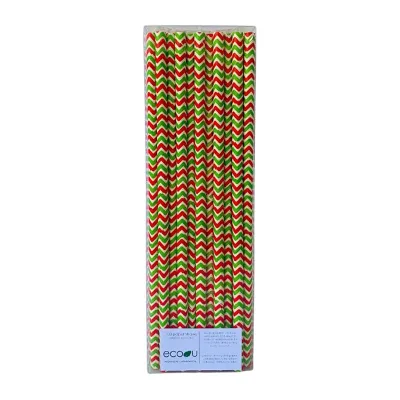
Prices are valid at publication and may change. Please refer to the product page for the latest price.
Next, evaluate your room’s existing layout and natural lighting. Tropical decor thrives on brightness and airiness, so you want to maximize the natural light entering your windows. Identify the areas where your decorations will have the greatest visual impact without blocking light paths or foot traffic. A sunlit corner, a prominent console table, or an open shelving unit can serve as excellent focal points. This ensures your botanical elements and metallic accents catch the light beautifully throughout the day.
Before purchasing any items, select a cohesive design direction to guide your styling choices. A beachside retreat theme relies heavily on driftwood, sea glass, sandy neutrals, and soft linen textures to create a relaxed, coastal holiday vibe. A lush jungle aesthetic focuses on dense, layered foliage, rich green tones, and brass accents for a dramatic, organic feel. If you prefer a modern tropical look, opt for minimalist arrangements, clean lines, geometric metallic vessels, and structured leaves like monstera or bird of paradise. Having a clear theme prevents your decor from looking cluttered or disjointed.
Gathering Tropical Materials and Decor Elements
Executing a tropical holiday look requires sourcing materials that reflect a warm-weather environment. Instead of pine garlands, look for fresh or high-quality faux palm fronds, monstera leaves, banana leaves, and ferns. You can source these from local florists, plant nurseries, or craft suppliers. Incorporating dried elements, such as dehydrated pineapple or orange slices, adds a rustic, festive touch. Driftwood branches and polished seashells can also be gathered or purchased to introduce organic textures that ground your displays.

Lighting plays a crucial role in establishing a cozy, resort-like ambiance as evening falls. When selecting holiday lighting, verify the voltage (220-240V), plug type (Type G), and look for local safety certifications like the Safety Mark. For hanging pendants or high-mount fixtures, isolate the power supply before installation, follow instructions carefully, or consult a qualified professional. Keep in mind that warm-white color temperatures and soft glow effects are subjective design preferences rather than universal performance standards, so choose options that match your desired spatial mood.
To complete your material gathering, select textiles and tableware that enhance the breezy, warm-weather aesthetic. Replace heavy velvet or wool table runners with lightweight linen or cotton options in neutral shades, soft coral, or sage green. Bamboo or water hyacinth placemats add an appealing organic texture to your dining setup. For living areas, swap out thick winter blankets for lightweight cotton throws and linen cushion covers featuring subtle botanical prints or solid, sun-washed hues. These materials keep your seating areas looking comfortable and seasonally appropriate without retaining excess heat.
Step-by-Step Guide to Styling Your Tropical Christmas Space
Step 1: Creating a tropical focal point. Instead of a traditional pine tree, create a striking alternative using tropical elements. Consider arranging large, fan-shaped palm leaves against a blank wall to form a dramatic, minimalist backdrop. Alternatively, you can source a beautiful piece of driftwood to place on a console table or mantelpiece, weaving warm-white fairy lights and air plants through its natural crevices. If you prefer a more conventional shape, decorate a large, healthy potted indoor plant—such as a monstera, a fiddle-leaf fig, or a parlor palm—with lightweight, shatterproof ornaments in gold and coral tones.
Step 2: Dressing the dining and coffee tables. Tablescapes offer an excellent opportunity to showcase tropical textures. For the dining table, lay down a neutral linen runner as your base. Create a low-profile centerpiece using a wooden tray filled with fresh tropical fruits like pineapples, papayas, and green coconuts, interspersed with individual monstera leaves. Add height and warmth by placing unscented, warm-toned pillar candles inside glass hurricane holders. This protects the open flames from indoor drafts or ceiling fans. For coffee tables, a simple ceramic bowl filled with dried citrus slices, frangipani blossoms, and polished river stones provides a subtle yet fragrant festive touch.
Step 3: Layering lighting and textiles. Layer your lighting sources to transition your space from day to night with a soft, inviting glow. Drape warm-white fairy lights along bookshelves, wrap them gently around indoor plant stems, or place battery-operated LED tea lights inside woven bamboo lanterns. Always ensure that all electrical cords are neatly routed along walls and secured with cable clips or covers to prevent tripping hazards. Avoid overloading electrical outlets, and keep all cords away from high-traffic walkways or water sources. Finish the look by scattering your lightweight linen cushions and cotton throws across sofas and armchairs, inviting guests to relax in a resort-like setting.
Adapting the Look for Small Apartments and HDB Flats in Singapore
Styling a compact HDB flat requires thoughtful space management. Focus on utilizing vertical surfaces to avoid cluttering limited floor space. Hang a lightweight tropical wreath made of dried palm leaves and air plants on your front door or an interior wall. You can also suspend individual palm fronds or monstera leaves from a decorative wooden dowel using natural twine, creating a beautiful, floating botanical installation that leaves your walkways completely clear.
When selecting decor items, prioritize multi-functional pieces and scale down your arrangements. Instead of a massive table centerpiece, opt for a single, elegant glass vase containing a few structural stems, such as ginger flowers or bird of paradise leaves. Use floating shelves to display small festive accents, like brass pineapple figurines or miniature potted succulents wrapped in gold ribbon. By keeping your surfaces relatively clear and focusing on vertical interest, you can achieve a highly festive, tropical atmosphere without compromising the flow or functionality of your living areas.
Maintaining and Safely Storing Your Tropical Holiday Decor
Fresh botanical elements require regular maintenance. In a warm, humid climate, cut leaves and fresh fruits can quickly wilt, mold, or attract pests. Inspect your fresh arrangements daily, removing any decaying foliage immediately. If you use fresh fruits in your centerpieces, ensure they are kept dry and replaced before they become overripe. Keep fresh cut stems in clean water, changing the water every two days to prevent bacterial growth and unpleasant odors.
When the season concludes, take down electrical decorations with care. Inspect cords, plugs, and sockets for wear, fraying, or damage before packing them away. If you notice exposed wires or loose connections, discard the item safely rather than attempting a temporary repair. Gently wipe down light bulbs and decorative fixtures with a dry microfiber cloth to remove dust before storage. Coil cords loosely to prevent internal wire breakage, and secure them with reusable cable ties.
Proper storage is essential for preserving your reusable tropical decor and textiles for future use. Store delicate natural items, such as dried palm leaves, driftwood, and seashells, in sturdy, airtight plastic containers to protect them from moisture, dust, and pests. Place silica gel packets inside the containers to absorb any residual humidity, which is particularly important in tropical climates to prevent mold growth. Wash and thoroughly dry all holiday linens and cushion covers before folding them into sealed storage bags. Store these containers in a cool, dry, dark place to prevent fabric fading and material degradation.
Frequently Asked Questions (FAQ)
Can I use a real potted palm instead of a traditional Christmas tree?
A real potted palm makes an excellent, eco-friendly alternative to a traditional tree. Select an indoor variety like an Areca, Kentia, or Parlor palm. Ensure the plant is placed in a spot that receives bright, indirect sunlight and is kept away from direct air conditioning drafts, which can dry out the fronds. Water the palm only when the top inch of soil feels dry to the touch, and ensure the pot has adequate drainage to prevent root rot.
When decorating your potted palm, prioritize the health and safety of the plant. Use only lightweight, shatterproof ornaments, and attach them gently using soft green pipe cleaners or ribbon rather than metal hooks that could scratch the stems. Avoid heavy decorations that could bend or break the delicate fronds. For safety, never place open candles or heat-emitting light sources near the palm, and ensure any fairy lights used are low-voltage LEDs that remain cool to the touch during operation.
How do I keep fresh tropical leaves from drying out indoors?
To extend the lifespan of fresh cut tropical foliage, cut the stems at a 45-degree angle under water to maximize water uptake. Mist the leaves lightly with clean water every morning using a fine spray bottle to maintain humidity levels around the foliage. Keep your arrangements away from direct sunlight, heat sources, and strong air conditioning vents, as rapid temperature fluctuations and dry air will cause the leaves to curl and brown quickly.
If you prefer a low-maintenance option that lasts for years, high-quality artificial or preserved botanical elements are an excellent alternative. Modern faux tropical leaves made from silk or durable polymers offer a highly realistic appearance without the need for watering or misting. Preserved palm leaves, which have been treated with a glycerin-based solution, retain their natural texture and color for a long time. These alternatives are ideal for busy households or for creating semi-permanent installations that you can reuse every holiday season.

Community discussion
Share your experience or ask a question. Comments are reviewed before publication.