
Decorating a girl’s bedroom with fairy lights is an excellent way to introduce soft, ambient illumination and create a cozy, personalized sanctuary. Achieving a polished and safe result requires a systematic approach: mapping out the room’s layout, selecting compatible power sources, using damage-free mounting hardware, and executing precise installation techniques across key zones like the bed, walls, or ceiling. By prioritizing electrical safety and structural integrity, you can transform the space into a warm retreat without risking wall damage or electrical hazards.
Planning Your Fairy Light Layout and Gathering Supplies
Before purchasing any lighting equipment, evaluate the physical layout of the bedroom to identify the primary zones you want to highlight. Common focal points include the sleeping area, study desk, vanity mirror, or an open wall space. Use a physical measuring tape to trace the exact path the light strands will follow, accounting for vertical drops, corners, and the distance to the nearest power outlet. Adding a buffer of about 10% to your total measured length ensures you have enough slack to drape or weave the lights naturally without putting tension on the wires.
The choice of power source significantly influences both the aesthetics and the safety of your installation. Plug-in fairy lights offer consistent brightness and are ideal for large-scale installations, such as full-wall displays or ceiling canopies, provided an outlet is within safe reach. USB-powered strands provide excellent flexibility, allowing you to power them via standard wall adapters or portable power banks. For smaller, isolated accents like a bedside jar or a small shelf display, battery-operated packs eliminate trailing cords, though they require regular battery replacements and may dim over time.
Products mentioned in this guide
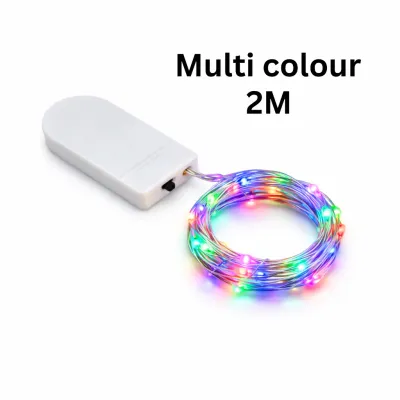
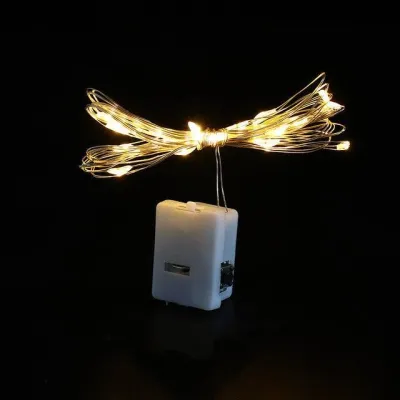
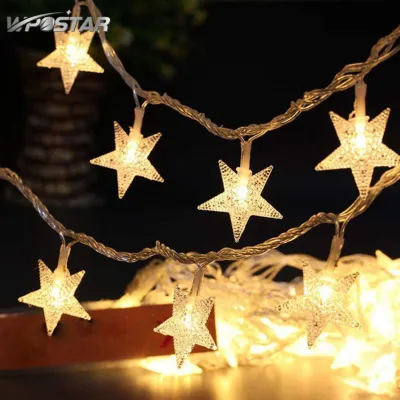

Prices are valid at publication and may change. Please refer to the product page for the latest price.
Selecting the correct mounting hardware is crucial to protect the bedroom’s wall finishes, especially in rental properties or rooms with delicate paint. Removable adhesive hooks and clips are the industry standard for damage-free hanging, as they hold the wire securely and peel away cleanly when no longer needed. For lightweight copper wire lights, clear adhesive clips offer a nearly invisible mounting solution. Ensure you check the weight capacity of the adhesive hooks and match them to the weight of your light strands, particularly if you plan to drape heavier insulated cables.
Before finalizing your purchase, verify the technical specifications of the lights, including the operating voltage, interface type, wattage limits, and physical dimensions. Ensure the product carries recognized electrical safety certifications suitable for indoor residential use. If you plan to install lights in a damp area, such as an attached bathroom vanity, verify that the product has an appropriate ingress protection (IP) rating. Taking these verification steps beforehand prevents compatibility issues and ensures a safe operating environment.
Step-by-Step Installation Techniques for Key Room Areas
Transforming specific zones within the bedroom requires distinct installation techniques tailored to the furniture and surfaces involved. Whether you are draping a canopy above the bed, outlining a headboard, or creating a custom wall pattern, the key is to work methodically from the power source outward. This ensures that the plug or battery pack remains accessible and that you do not run out of wire before reaching the end of your planned design.

Creating a Ceiling Canopy Effect
A starry ceiling canopy creates a dramatic visual impact but requires careful planning and secure anchoring to prevent sagging. Begin by mapping out your anchor points on the ceiling using a pencil, creating a grid or a radiating pattern from a central point above the bed. Use adhesive ceiling hooks designed specifically for overhead tension, ensuring the ceiling surface is clean, dry, and free of dust before application. If the ceiling has a heavy texture, adhesive hooks may not bond securely; in such cases, consult a professional or use lightweight tension rods spanning between walls where appropriate.
Working at height to install ceiling fixtures introduces safety risks that require proper precautions. Always use a stable, slip-resistant step ladder rather than balancing on chairs or bed frames, and have a second person assist you to hold the ladder and pass up supplies. Ensure the power source is completely isolated during the installation process to prevent accidental electrical contact. If your design involves connecting to fixed ceiling wiring or heavy suspended loads, stop and consult a qualified professional electrician to handle the installation safely.
When hanging the strands, maintain a gentle, uniform drape rather than pulling the wires completely taut. Excessive tension can pull down the adhesive hooks, damage the internal copper wiring, or even strip the ceiling paint over time. Keep all electrical connections, including the main plug or USB interface, easily accessible near the floor level rather than suspended in mid-air. This layout allows you to disconnect the system quickly if needed and prevents heavy adapters from pulling down on the ceiling mounts.
Styling the Headboard and Bed Frame
Integrating fairy lights around the bed frame or headboard adds a soft glow right where it is needed most, but it demands strict attention to physical safety. Start by weaving flexible copper wire lights through the slats of a wooden or metal headboard, or use small adhesive clips to outline the outer frame. Ensure that the wires are positioned entirely away from moving parts, adjustable joints, or areas where they might be pinched when the bed is shifted or when changing the bedsheets.
Keep all power components, such as battery packs, USB hubs, or wall adapters, completely clear of soft bedding, pillows, and mattresses. These components must be mounted securely on a solid, non-flammable surface, such as the back of a wooden headboard or an adjacent wall, where air can circulate freely around them. Never allow a battery pack or transformer to rest under a pillow or blanket, as trapped heat can pose a serious fire hazard.
Safety Checks and Maintenance for Bedroom Fairy Lights
Maintaining a safe lighting environment requires regular inspections and adherence to basic electrical safety practices. Periodically run your hand along the operating light strands to check for any localized overheating, particularly where the lights come into contact with curtains, bedding, or wall tapestries. LED fairy lights are highly recommended for bedroom decor because they operate at much lower temperatures than traditional incandescent bulbs, significantly reducing the risk of heat buildup.
Inspect the entire length of the wire regularly to ensure it has not been pinched by heavy furniture, such as wardrobes or bed frames, which can crush the insulation and expose live wires. In Singapore, ensure that any plug-in adapters or USB chargers carry the appropriate safety certifications and match the local household voltage of 230V. If you notice any flickering, frayed insulation, exposed copper, or unusual warm odors, disconnect the power source immediately and discard the damaged strand.
Establish a strict daily routine to turn off the fairy lights whenever the bedroom is unoccupied or when sleeping. While modern LED lights are highly efficient, leaving them running unattended increases unnecessary wear and potential electrical risks. If manual operation is inconvenient, connect the lights to a certified digital timer or a smart plug programmed to shut off automatically at a designated bedtime, ensuring peace of mind throughout the night.
Advanced Styling Ideas to Elevate the Room's Ambiance
Once the foundational lighting is safely installed, you can elevate the room’s aesthetic by combining fairy lights with complementary decorative elements. Layering lights behind sheer, fire-retardant fabrics or weaving them through macrame wall hangings creates a soft, diffused glow that enhances the room’s texture. Always ensure that any decorative fabrics or artificial greenery used are rated as flame-resistant and do not directly touch any warm electrical components or adapters.
Integrating smart plugs or remote-controlled fairy lights allows you to customize the bedroom’s atmosphere with ease. Many modern systems offer dimming capabilities and adjustable color temperatures, enabling you to transition from a bright, cool white for daytime studying to a warm, amber glow for winding down in the evening. This functional flexibility helps support natural circadian rhythms, making the bedroom a more comfortable space for both productivity and rest.
For a highly functional layout, consider incorporating fairy lights into specific task areas rather than just using them as general decor. Outlining a vanity mirror with flexible LED strands provides even, shadow-free illumination for grooming, while weaving lights through a reading nook bookshelf adds a cozy charm. By targeting these specific functional zones, you create a layered lighting scheme that makes the entire bedroom feel larger, warmer, and more thoughtfully designed.
Frequently Asked Questions (FAQ)
Can I leave fairy lights on all night in a bedroom?
It is not recommended to leave fairy lights operating unattended throughout the entire night. While modern LED strands emit minimal heat compared to older incandescent bulbs, any electrical device left running continuously near bedding or flammable materials carries a minor risk of malfunction. To enjoy a comforting glow as you fall asleep safely, connect your lights to a certified plug-in timer or a smart outlet programmed to turn off automatically after an hour or two.
How do I hang fairy lights on walls without damaging the paint?
To protect your bedroom walls from peeling paint or plaster damage, use high-quality removable adhesive hooks or clear mounting clips designed for temporary installations. Before applying the adhesive, clean the wall surface with rubbing alcohol to remove dust and oils, ensuring a strong bond. Avoid using metal nails, staples, or heavy-duty industrial tapes, as these will inevitably puncture the drywall or strip away paint layers when you decide to rearrange your decor.
What should I do if the fairy lights stop working halfway through the strand?
If a portion of your fairy light strand suddenly goes dark, start by checking the physical connections at the power source, USB port, or battery compartment to ensure everything is seated correctly. Inspect the wire carefully for any visible pinches, sharp bends, or severed copper threads, which often occur near tight corners or furniture edges. If the internal wiring is compromised or if you observe any sparking or localized heating, do not attempt to splice the wires; instead, safely discard the damaged strand and replace it with a new, certified set.

Community discussion
Share your experience or ask a question. Comments are reviewed before publication.