
Selecting the right downlights for a kitchen in Singapore requires balancing visual performance with long-term durability against harsh environmental factors. Unlike living areas, the kitchen is a high-utility zone characterized by elevated humidity, airborne grease, and localized heat from cooking appliances. To find the most suitable downlight brands, homeowners must look beyond aesthetic appeal and focus on verifiable technical specifications, material build quality, and local safety compliance. By evaluating these critical parameters, you can ensure your chosen fixtures remain safe, efficient, and flicker-free throughout their operational lifespan.
The unique architectural landscape of Singapore, where high-rise apartments like Housing & Development Board (HDB) flats and private condominiums feature distinct ceiling structures, further influences this decision. Whether your kitchen utilizes a false ceiling that accommodates recessed fixtures or a solid concrete slab requiring surface-mounted options, the electrical and physical characteristics of the downlights must match your specific layout. This guide outlines the essential environmental, structural, and optical criteria to evaluate when comparing downlight options for your kitchen renovation or upgrade.
Key Environmental Challenges and Downlight Requirements for Kitchens
Kitchens are subject to rapid environmental fluctuations that can severely compromise low-quality lighting fixtures. Steam from boiling water, heat from gas hobs or induction cookers, and vaporized grease from stir-frying create a challenging microclimate. Understanding how these elements interact with electrical components is the first step in selecting a resilient downlight brand.
Products mentioned in this guide
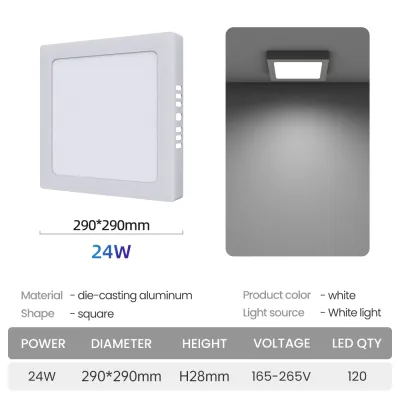
Prices are valid at publication and may change. Please refer to the product page for the latest price.
Moisture and steam resistance should be your primary consideration when positioning lights near wet zones, such as sinks and dishwashers. Water vapor can easily penetrate unsealed light fixtures, leading to internal condensation, short circuits, or premature corrosion of the LED driver and circuitry. To prevent these issues, look for downlights with an appropriate Ingress Protection (IP) rating. While standard dry-zone downlights typically carry an IP20 rating, fixtures installed directly above sinks or close to cooking ranges should ideally feature an IP44 rating or higher, indicating protection against splashed water and solid objects larger than one millimeter. Enclosed fixtures with silicone gaskets provide an effective physical barrier, preventing moisture from migrating into the ceiling void where electrical connections reside.
Heat tolerance is another critical factor, as high ambient temperatures accelerate the degradation of LED chips and drivers. LEDs do not emit heat in the form of infrared radiation like incandescent bulbs; instead, they generate heat at the junction of the semiconductor chip. If this heat is not dissipated efficiently, the light output will rapidly decline, and the color temperature may permanently shift. When evaluating downlight brands, examine the thermal management design. High-quality fixtures utilize robust aluminum heat sinks with deep fins to maximize surface area for heat dissipation, whereas cheaper alternatives often rely on thin plastic housings that trap heat. Ensure that the manufacturer specifies a safe operating temperature range that accommodates the elevated ambient heat of a Singapore kitchen.
Grease and dust accumulation present both a maintenance challenge and a potential safety hazard. Over time, a sticky film of cooking oil and airborne dust settles on exposed surfaces, including light lenses and trim. This buildup reduces light transmission, alters the beam angle, and can insulate the fixture, further exacerbating heat retention. Choosing downlights with a flat, sealed, and flush-fitting design simplifies cleaning and prevents grease from entering the internal housing. Avoid fixtures with intricate decorative crevices or open-backed designs that can trap debris and become difficult to wipe clean without risking damage to the internal components.
Evaluating Brand Reliability and Build Quality for Kitchen Use
With numerous lighting brands available in the Singapore market, distinguishing genuine quality from marketing hype requires a systematic evaluation of safety standards, component origins, and warranty structures. Because brand rankings can vary widely across retailers, relying on verifiable quality indicators is the most reliable path to a successful purchase.

Safety certifications are non-negotiable for fixed electrical wiring in Singapore. All LED drivers and integrated downlights sold locally must comply with the Consumer Protection (Safety Requirements) Registration Scheme. Look for the distinctive Safety Mark issued by Enterprise Singapore on the product packaging or the LED driver itself. This mark indicates that the product has undergone rigorous testing to meet local electrical safety standards, reducing the risk of electrical fires, insulation breakdown, or electrocution. Avoid purchasing unbranded or direct-import fixtures from online marketplaces that lack this certification, as they may not be designed to handle the local 230V grid safely under continuous kitchen loads.
Warranty terms offer a clear window into a manufacturer’s confidence in their product’s durability. When comparing brands, look closely at what the warranty covers and its duration. A comprehensive warranty should span at least two to five years and explicitly cover both the LED chip and the external driver. In high-use, high-heat environments like kitchens, the LED driver—the component that regulates electrical current—is typically the first part to fail. Brands that offer separate, modular drivers that can be easily unplugged and replaced without changing the entire ceiling fixture provide a significant long-term maintenance advantage over fully integrated, non-serviceable units.
Build quality indicators can be verified by examining the physical construction and technical data sheets of the downlights. Premium brands openly specify the origin of their critical components, such as utilizing reputable LED chips and high-performance, flicker-free drivers. A flicker-free driver is essential not only for visual comfort but also for reducing eye strain during detailed kitchen tasks. Furthermore, feel the weight and material of the fixture; a heavy, die-cast aluminum housing indicates superior thermal conductivity compared to lightweight thermoplastic. Check that the diffuser is made of high-grade, UV-stabilized polycarbonate or tempered glass that will not yellow or become brittle when exposed to heat and kitchen grease over time.
Matching Light Quality, CRI, and Beam Angles to Kitchen Zones
A functional kitchen relies on layered lighting that supports both safe food preparation and a welcoming atmosphere. Achieving this balance requires selecting downlights with the appropriate optical characteristics, including color rendering, color temperature, and beam spread, tailored to specific zones within the space.
Task lighting is paramount in areas dedicated to food preparation, such as countertops, cutting boards, sinks, and cooking ranges. For these zones, prioritize downlights with a high Color Rendering Index (CRI) of 90 or above. A high CRI ensures that colors are represented accurately, allowing you to judge the freshness of ingredients, identify blemishes on produce, and safely operate sharp kitchen knives. In terms of color temperature, cool white light ranging from 4000K to 5000K is highly recommended for task areas. This range provides a crisp, energizing light that enhances focus and visibility without feeling overly clinical, helping you spot spills and clean surfaces thoroughly.
Ambient and accent lighting help soften the overall environment and bridge the gap between functional work zones and social spaces, such as kitchen islands or dining counters. For general ambient lighting, downlights with a wider beam angle of 60 degrees or more help distribute light evenly across the floor, minimizing harsh shadows. If your kitchen features a central island used for casual dining or entertaining, you might opt for a slightly warmer color temperature, such as 3000K (warm white), to create a cozy, inviting ambiance. Accent lighting can be achieved using adjustable or gimbal downlights with narrower beam angles (24 to 36 degrees) to highlight architectural features, open shelving, or decorative backsplashes.
Glare control is a frequently overlooked aspect of kitchen lighting design that directly impacts visual comfort. Working under bright, unshielded light sources can cause significant eye fatigue and distracting reflections on polished quartz, granite, or stainless steel countertops. To mitigate this, select downlights designed with deep-recessed light sources, physical baffles, or honeycomb louvers. These design elements shield the LED chip from direct line of sight at normal viewing angles, directing the light downward onto the work surfaces rather than outward into your eyes.
Pre-Purchase Checks and Installation Safety for Kitchen Lighting
Before finalizing your downlight purchase, conducting thorough structural and electrical checks is essential to prevent installation delays, safety hazards, or premature product failure. Kitchen installations require careful coordination between the physical ceiling structure and the electrical system.
Ceiling clearance and insulation compatibility must be verified prior to selecting recessed downlights. In Singapore, many HDB kitchens feature concrete ceilings, which limit options to surface-mounted downlights or track lighting unless a false ceiling is installed. If you have a false ceiling, measure the available plenum depth—the vertical space between the plasterboard and the concrete slab. Recessed downlights require a minimum clearance, often between 50mm and 100mm, to allow heat to escape from the heat sink. If the ceiling void contains thermal or acoustic insulation, ensure the downlights are rated as IC (Insulation Contact) compatible; otherwise, insulation must be kept clear of the fixtures to prevent heat buildup and potential fire risks.
Electrical load and circuit planning are critical when upgrading your kitchen lighting layout. Ensure that your existing wiring, switches, and circuit breakers can safely accommodate the total wattage of the new downlights. If you plan to install dimmable downlights to adjust the light levels between food prep and dining, verify the compatibility between the LED driver and the dimmer switch. LED dimming is highly sensitive; using incompatible dimmers (such as older analog dimmers designed for incandescent bulbs) can lead to annoying buzzing sounds, visible flickering, or rapid driver failure. Opt for modern trailing-edge or digital dimming systems recommended by the downlight manufacturer.
Professional installation boundaries must be respected to ensure safety and compliance with local regulations. While replacing a simple plug-and-play bulb is a straightforward task, installing new downlights, cutting ceiling holes, and modifying fixed electrical wiring are complex procedures that carry inherent risks of electrical shock or fire. In Singapore, all fixed electrical wiring work must be performed by a Licensed Electrical Worker (LEW). A professional electrician will ensure that all connections are properly insulated, grounded, and housed in junction boxes, particularly in moisture-prone zones near the kitchen sink. Always isolate the mains power at the consumer unit (DB box) before any inspection or maintenance work is carried out.
Frequently Asked Questions (FAQ)
Can Standard Living Room Downlights Be Used in the Kitchen?
Standard living room downlights are generally not recommended for use in active kitchen zones due to differences in environmental exposure. Living room fixtures typically carry an IP20 rating, meaning they lack protection against moisture, steam, and fine grease particles common in cooking areas. When exposed to the high humidity of a kitchen, these standard fixtures can suffer from rapid internal corrosion, electrical short circuits, and yellowing of the plastic diffusers.
However, standard downlights may be acceptable in large, open-plan kitchens if they are installed in designated dry zones well away from the stove, oven, and sink. For any fixture positioned directly over food preparation areas, cooking appliances, or washing zones, it is highly advisable to use dedicated kitchen-rated downlights with at least an IP44 rating and robust aluminum thermal management to ensure safety and longevity.
How to Safely Clean Kitchen Downlights Without Damaging Them?
To clean kitchen downlights safely, you must first turn off the power at the main switch and allow the fixtures to cool down completely. Attempting to clean hot fixtures can cause thermal shock to glass components or lead to accidental burns. Once cool, use a dry, soft microfiber cloth to gently wipe away loose dust and surface grease from the outer trim and diffuser.
For stubborn grease buildup, slightly dampen the microfiber cloth with a mild solution of water and a drop of pH-neutral dishwashing liquid. Never spray water or cleaning agents directly onto the fixture, as liquid can seep through the edges and damage the internal electronics. Avoid using abrasive scrubbing pads, steel wool, or harsh chemical solvents like alcohol or acetone, which can strip away protective coatings, scratch optical lenses, or degrade silicone moisture seals.

Community discussion
Share your experience or ask a question. Comments are reviewed before publication.