
When searching for the most energy-efficient clip-on solar lights for outdoor use, it is easy to get lost in a sea of marketing buzzwords. Many brands on online marketplaces advertise their products as “ultra-bright” or “maximum efficiency,” yet true energy savings depend on a precise technical balance. A high-performing solar light with a clip must efficiently capture sunlight, store that energy with minimal loss, and convert it into light using low-consumption LEDs. Rather than relying on unverified brand rankings, you can make an informed decision by understanding how to evaluate solar panels, batteries, and LED drivers. This guide provides a practical framework to help you verify manufacturer claims, compare specifications, and select reliable outdoor lighting tailored to your specific needs.
Key Specifications That Determine Solar Light Energy Efficiency
To identify truly energy-efficient clip-on solar lights, you must look closely at the hardware components that dictate how energy is captured, stored, and used. The first critical component is the solar panel. Most portable solar lights use either monocrystalline or polycrystalline silicon panels. Monocrystalline panels are constructed from a single, pure silicon crystal structure, which allows electrons to move more freely. This results in a higher energy conversion efficiency, typically ranging from 15% to 22%. In contrast, polycrystalline panels are made by melting multiple silicon fragments together, resulting in a speckled blue appearance and a lower conversion efficiency of around 13% to 16%. For clip-on fixtures, which naturally have smaller surface areas, choosing a brand that utilizes monocrystalline panels is essential to maximize energy harvesting in limited spaces.
The second factor is the luminous efficacy of the LEDs, which is measured in lumens per watt (lm/W). Lumens indicate the total amount of visible light emitted, while wattage represents the electrical power consumed. An efficient solar light uses high-quality LED chips and drivers that deliver more brightness while drawing less power from the battery. For example, an efficient LED array might produce 120 lumens per watt, whereas a low-grade alternative might only produce 60 lumens per watt. This means the less efficient light will drain the battery twice as fast to achieve the same level of brightness. When comparing brands, look for those that explicitly state both the lumen output and the operating wattage to ensure you are getting a highly efficient system.
Products mentioned in this guide
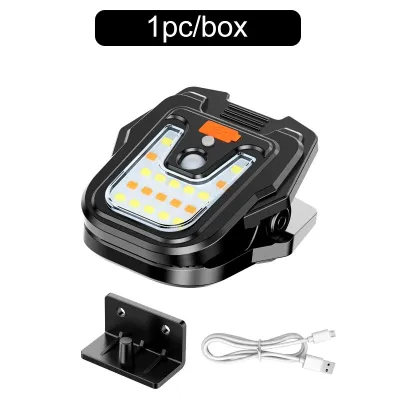
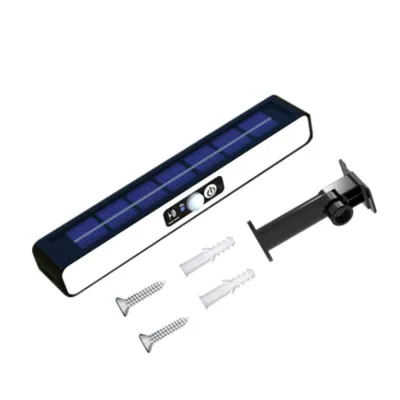
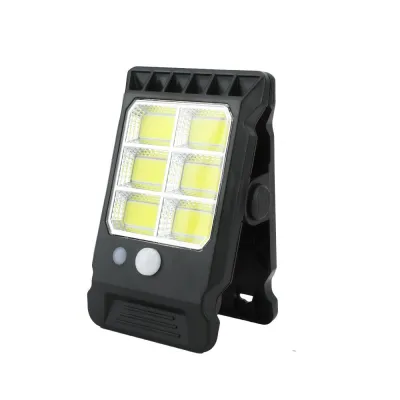
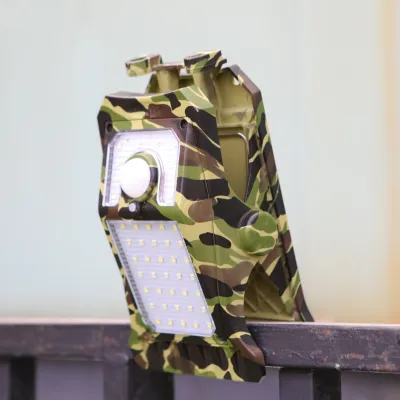
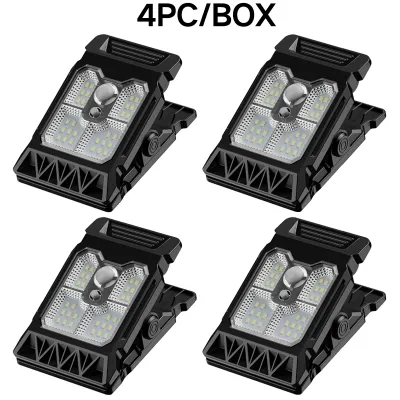
Prices are valid at publication and may change. Please refer to the product page for the latest price.
Battery chemistry is the third pillar of solar light efficiency, directly affecting how well the stored energy is retained and discharged. Most modern clip-on solar lights utilize either Lithium-ion (Li-ion), Lithium Iron Phosphate (LiFePO4), or Nickel-Metal Hydride (NiMH) batteries. Li-ion and LiFePO4 batteries are highly efficient, offering superior energy density, minimal self-discharge, and a longer operational lifespan of 500 to over 2,000 charge cycles. NiMH batteries, while cheaper, have lower energy density, suffer from memory effects, and degrade rapidly when exposed to high ambient temperatures. In tropical environments, LiFePO4 batteries are particularly advantageous due to their excellent thermal stability and safety profile under direct sunlight.
Finally, the system’s overall efficiency relies on a proper balance between the solar panel’s wattage and the battery’s capacity, measured in milliampere-hours (mAh) or watt-hours (Wh). An efficient design ensures that the solar panel is powerful enough to fully charge the battery during typical daylight hours, which generally average four to six hours of peak sun. If a brand pairs a high-capacity battery with an underpowered solar panel, the battery will remain perpetually undercharged. This imbalance leads to rapid battery degradation, shorter nightly runtimes, and ultimately, premature product failure.
How to Evaluate Brand Claims and Product Labels
Navigating product listings on ecommerce platforms requires a critical eye, as many brands use exaggerated claims to attract buyers. To separate genuine engineering from marketing hype, you must learn to read product labels and technical specification sheets. Look for concrete electrical metrics rather than vague descriptors like “super-bright” or “heavy-duty.” A reputable manufacturer will clearly list the solar panel wattage (e.g., 1.5W), the battery voltage and capacity (e.g., 3.7V, 2200mAh), and the exact LED power draw. If these specifications are missing or obscured, it is a strong indicator that the product uses low-quality, unrated components.

Third-party certifications provide an objective measure of quality and safety. While low-voltage DC solar lights do not require the same rigorous electrical safety certifications as mains-voltage AC fixtures, reputable brands still seek testing marks. Look for certifications such as CE, RoHS, and FCC on product labels. These marks indicate that the product complies with environmental standards, does not contain hazardous materials, and meets electromagnetic compatibility guidelines. In local markets, choosing products that adhere to these international standards ensures a higher level of manufacturing consistency and component reliability.
The durability of the light’s housing is directly tied to its long-term efficiency, as water or dust ingress will quickly destroy sensitive electronic components. This durability is measured by the Ingress Protection (IP) rating. An IP rating consists of two numbers: the first represents protection against solid objects (0 to 6), and the second represents protection against liquids (0 to 9). For outdoor clip-on solar lights, you should look for a minimum rating of IP44, which protects against splashing water from any direction. For areas fully exposed to heavy tropical rain, an IP65 or IP67 rating is highly recommended, as it ensures the housing is completely dust-tight and can withstand powerful water jets or temporary immersion.
Be highly skeptical of brands that claim extremely high lumen outputs on compact fixtures. For instance, a small clip-on light claiming 2,000 lumens would require a substantial amount of power to operate. To sustain that brightness for several hours, the fixture would need a large battery and a correspondingly massive solar panel—neither of which can fit on a standard clip-on design. Brands making these claims often rely on aggressive step-down programming that drops the brightness to a fraction of the advertised level within minutes, or they simply use inaccurate ratings to mislead consumers.
Matching Clip Design and Placement to Sunlight Exposure
The physical design of a clip-on solar light is just as important as its internal electronics when it comes to energy efficiency. To harvest the maximum amount of solar energy, the solar panel must be positioned at an optimal angle to receive direct sunlight. Look for brands that feature highly adjustable clip mechanisms, such as dual-axis rotation or ball-and-socket joints. These designs allow you to clamp the light securely to a railing, fence, or branch while independently tilting and rotating the solar panel to face the sun, ensuring optimal energy capture throughout the day.
The structural integrity of the clip itself is vital for maintaining this optimal angle over time. A weak clip will sag under the weight of the light fixture, especially when subjected to wind, heavy rain, or vibrations. Look for clips equipped with heavy-duty steel springs or screw-clamp mechanisms that provide a secure, non-slip grip. Rubberized pads inside the clamp jaws not only protect the mounting surface from scratches but also increase friction, preventing the light from slipping or rotating out of alignment.
Environmental conditions in tropical regions like Singapore present unique challenges for outdoor solar lights. High humidity, intense UV radiation, and frequent heavy downpours can rapidly degrade low-quality plastics, causing them to become brittle and crack. When evaluating brands, look for clip materials made from UV-stabilized polycarbonate or corrosion-resistant metals such as anodized aluminum or stainless steel. Furthermore, heavy rain can wash dirt and organic debris onto the solar panel surface. If the panel is not tilted at a sufficient angle, water can pool on the surface, leaving behind a dirty residue that blocks sunlight and reduces charging efficiency.
Even the most advanced solar panel cannot generate electricity without direct sunlight. Before installing your clip-on light, carefully assess the chosen location for potential shading. Shading from building facades, balcony ceilings, roof overhangs, or dense garden foliage can drastically cut energy production. Because clip-on lights are highly portable, you can easily relocate them to follow seasonal shifts in sun patterns. Ensuring that the solar panel receives at least four to six hours of unobstructed, direct sunlight daily is the single most effective way to maximize the efficiency of your outdoor lighting system.
Practical Checklist for Comparing Clip-On Solar Lights
To make a confident purchase decision, it is helpful to compare different clip-on solar lights side-by-side using a structured evaluation framework. The following matrix outlines the key technical dimensions you should verify before buying:
| Feature | What to Look For | Why It Matters for Efficiency |
|---|---|---|
| Panel Type | Monocrystalline silicon | Offers the highest solar-to-electricity conversion rate (15%–22%), maximizing power generation in a compact footprint. |
| Battery Chemistry | LiFePO4 or Lithium-ion (Li-ion) | Provides superior energy density, longer cycle life, and better thermal stability in warm outdoor environments. |
| Luminous Efficacy | High lumen-to-watt ratio (e.g., >100 lm/W) | Ensures the LEDs produce bright light while drawing minimal power, extending nightly runtimes. |
| IP Rating | IP65 or IP67 (minimum IP44) | Protects internal circuits and battery terminals from moisture and dust, preventing efficiency-robbing corrosion. |
| Clip Adjustability | Independent multi-angle or ball-joint rotation | Allows the solar panel to be tilted directly toward the sun regardless of where the clip is mounted. |
| Housing Material | UV-stabilized polycarbonate or rust-resistant metal | Prevents material degradation, cracking, and mechanical failure under intense sun and rain exposure. |
When shopping in local retail stores or online marketplaces, use this matrix to calculate the true price-to-performance ratio in S$. Avoid simply choosing the lowest-priced option, as cheap solar lights often use low-grade NiMH batteries and polycrystalline panels that degrade within a few months. Investing slightly more upfront—for example, spending S$35 to S$50 on a fixture with a LiFePO4 battery and a monocrystalline panel—will yield significantly better long-term value, saving you the cost and hassle of frequent replacements.
Additionally, you should match the light’s specifications to your specific use case to avoid wasting energy. If you only require ambient decorative lighting for a balcony railing, a low-lumen model (50 to 100 lumens) with a continuous low-power draw is sufficient. However, if you need security or pathway lighting, look for models equipped with passive infrared (PIR) motion sensors. These sensors keep the light in a dim, energy-saving standby mode, boosting to full brightness only when motion is detected. This smart power management ensures the light remains functional throughout the night without unnecessarily draining the battery.
Maintenance Tips to Sustain Long-Term Efficiency
Regular maintenance is essential to keep your clip-on solar lights operating at peak energy efficiency. Over time, outdoor elements will inevitably affect the performance of even the highest-quality fixtures. The most common cause of declining efficiency is a dirty solar panel. Dust, pollen, bird droppings, and water spots form a thin film over the photovoltaic cells, blocking sunlight and reducing power generation. To prevent this, wipe the solar panel surface clean every few weeks using a soft, damp microfiber cloth and clean water. Never use abrasive scrubbing pads, steel wool, or harsh chemical solvents, as these can scratch or degrade the protective outer layer of the panel, permanently reducing its light transmission.
Monitoring battery health is another critical aspect of long-term maintenance. Rechargeable batteries naturally degrade over time, gradually losing their ability to hold a full charge. If you notice that your clip-on light operates for only an hour or two at night despite receiving a full day of direct sunlight, the battery likely needs to be replaced. When purchasing solar lights, check if the brand features a user-accessible battery compartment. Replacing a degraded Li-ion or LiFePO4 cell is a simple, cost-effective DIY task that restores the light to its original efficiency without requiring you to discard the entire fixture.
You should also periodically inspect the physical clip mechanism and mounting joints. Check the metal springs, screws, and hinges for signs of rust, looseness, or material fatigue. Tighten any loose adjustment screws to ensure the solar panel remains locked at its optimal angle. If the clip uses a metal spring, applying a tiny drop of silicone-based lubricant can prevent rust and maintain proper tension, especially in highly humid coastal environments.
While basic cleaning and battery replacement are safe DIY tasks, you must recognize when to stop and consult the manufacturer or a qualified professional. If you observe signs of severe water ingress—such as heavy condensation behind the lens, visible rust on the internal circuit board, or a swollen battery—do not attempt to repair or modify the electrical components yourself. Damaged lithium batteries pose safety risks, including thermal runaway. In such cases, disconnect or turn off the device, dispose of the battery safely at a designated local e-waste recycling point, and replace the unit if it is beyond its warranty period.
Frequently Asked Questions (FAQ)
Do higher lumens always mean better energy efficiency?
No, higher lumens do not automatically indicate better energy efficiency. Lumens measure the total volume of visible light emitted by a fixture, whereas energy efficiency is determined by how effectively the system converts electrical power into that light (luminous efficacy) and how efficiently the solar panel harvests and stores energy. A poorly engineered solar light might produce 1,000 lumens but consume an excessive amount of power due to inefficient LEDs or a low-quality driver. This high power draw will rapidly deplete the battery, resulting in a very short runtime. To find a truly efficient light, you should look for a high lumen-to-watt ratio and check the manufacturer’s specifications to see how many hours the light can sustain its stated brightness on a single full charge.
How long do the batteries in clip-on solar lights typically last before needing replacement?
The lifespan of the batteries in clip-on solar lights typically ranges from one to five years, depending primarily on the battery chemistry and environmental conditions. Standard Nickel-Metal Hydride (NiMH) batteries generally last between one and two years (about 300 to 500 charge cycles) before experiencing significant capacity loss. High-quality Lithium-ion (Li-ion) batteries typically last two to three years, while Lithium Iron Phosphate (LiFePO4) batteries can easily last four to five years, enduring 1,500 to 2,000 charge cycles. Continuous exposure to high ambient temperatures and frequent deep discharges can accelerate battery degradation. To maximize lifespan, choose brands that utilize LiFePO4 chemistry and offer user-replaceable battery compartments so you can easily swap out the cell when it eventually wears out.

Community discussion
Share your experience or ask a question. Comments are reviewed before publication.