
Selecting the right string lights for your Singapore home involves looking beyond basic aesthetics to evaluate build quality, electrical safety, and environmental resilience. In Singapore’s tropical climate, characterized by high humidity and sudden downpours, choosing a reliable brand means verifying insulation standards, checking local voltage compatibility, and ensuring the product carries the necessary safety marks. By focusing on these structural and electrical baselines, you can select string lights that offer lasting performance, whether you are decorating a cozy HDB balcony, a spacious condominium living room, or a festive outdoor patio.
Rather than relying on generic recommendations or unverified online listings, a systematic approach to evaluating brands will save you from premature product failures and potential safety hazards. High-quality string lights should be viewed as a long-term investment in your home’s ambiance. By understanding the technical specifications, safety certifications, and installation requirements relevant to the local market, you can confidently navigate the vast array of options available and choose a brand that delivers both beauty and peace of mind.
Key Standards for Judging String Light Brand Reliability
To identify a reliable string light brand, you must first examine the physical construction of the product, starting with the wire materials and insulation thickness. Low-quality brands often use thin, fragile copper wires coated in cheap, brittle plastic that easily cracks under physical stress or when untangled. For indoor use, look for brands that utilize multi-core copper wiring with thick, flexible PVC insulation. If you plan to hang the lights outdoors on a balcony or patio, prioritize heavy-duty rubberized cabling, which offers superior resistance to UV exposure, temperature fluctuations, and physical wear.
Products mentioned in this guide
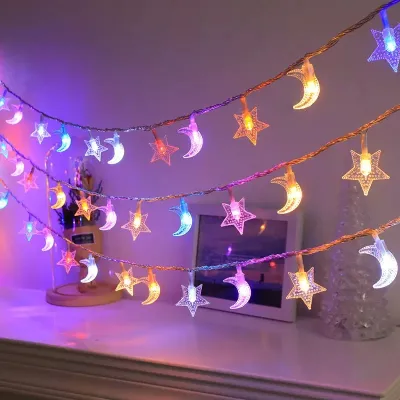
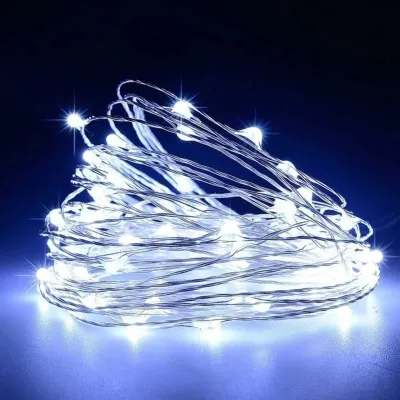
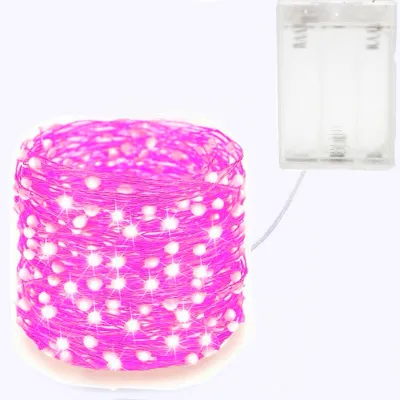
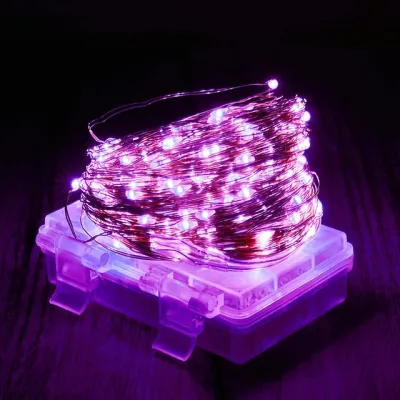
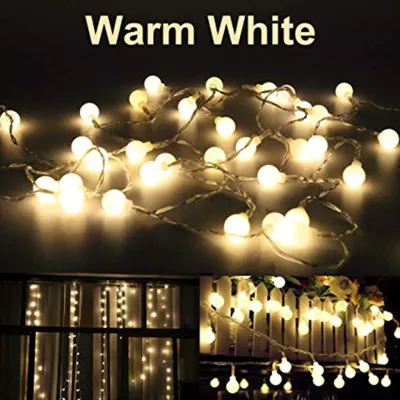
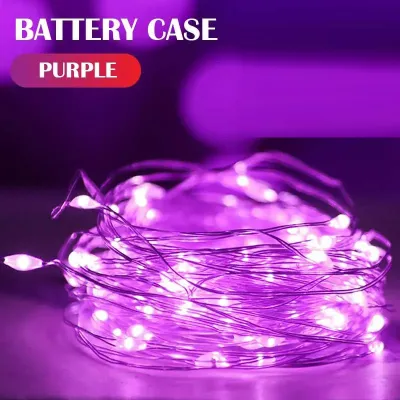
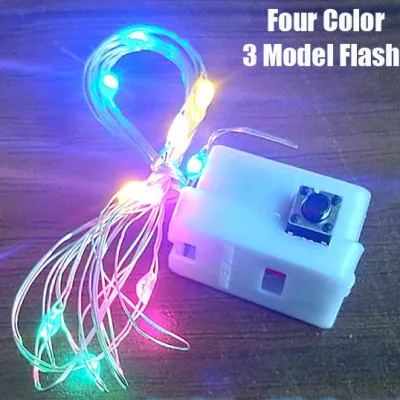
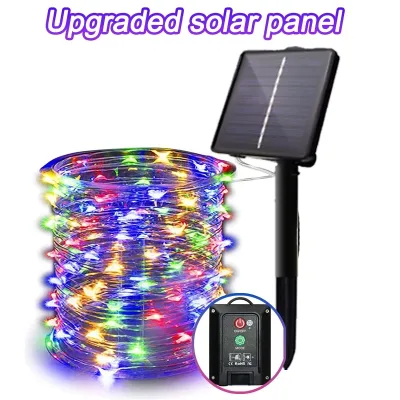
Prices are valid at publication and may change. Please refer to the product page for the latest price.
Another critical indicator of brand reliability is the consistency and quality of the LED chips. Reputable manufacturers source high-grade LED chips that undergo strict binning processes, ensuring that every single bulb along the strand emits the exact same color temperature and brightness level. Cheap, unbranded string lights frequently exhibit noticeable color variations—where some bulbs appear warm yellow while others lean toward a harsh, cool blue—and may suffer from rapid dimming or flickering over time. Consistent light output not only enhances the visual appeal of your decor but also indicates stable internal circuitry that will not degrade prematurely.
The longevity of string lights is also heavily dependent on the quality of their connectors, controllers, and power adapters. Reliable brands design their end-to-end connectors with threaded locking collars and rubber gaskets to prevent moisture ingress and accidental disconnection. The control boxes on multi-mode lights should feature sealed, tactile buttons that can withstand repeated pressing without failing. Furthermore, the power adapter should remain cool to the touch during extended operation, indicating efficient voltage conversion and high-quality internal components.
Finally, evaluate the manufacturer’s warranty terms and the availability of local customer support. A brand that stands behind its products will typically offer a warranty of at least 12 to 24 months, backed by a clear replacement policy. In Singapore, having access to a local distributor or an official brand store on major e-commerce platforms ensures that you can easily resolve issues, return defective units, or purchase compatible extension cables and replacement bulbs without waiting weeks for international shipping.
Aligning Brand Specifications With Your Decor Goals
Once you have established a brand’s baseline reliability, the next step is to match its specific product offerings with your design objectives and spatial constraints. Start by considering the color temperature and light modes that will best suit your intended atmosphere. Warm white lights, typically ranging from 2700K to 3000K, are ideal for creating a cozy, inviting ambiance in bedrooms, living rooms, and dining areas. If you are decorating for a festive occasion or want a more modern, energetic feel, you might look for brands that offer cool white (4000K to 5000K) or multi-color RGB options. Ensure the brand you choose offers dimming capabilities and a memory function, which preserves your preferred brightness and mode settings even after the lights are turned off.

Accurately calculating the required wire length and bulb spacing is essential for achieving a polished, professional look. For detailed installations, such as wrapping a bed frame, framing a vanity mirror, or decorating a small indoor plant, choose string lights with closely spaced bulbs—ideally 5cm to 10cm apart—to create a dense, continuous glow. For larger-scale projects, such as draping lights across a living room ceiling or along an outdoor balcony railing, wider bulb spacing of 15cm to 30cm is more appropriate, as it prevents the light from becoming overwhelmingly bright and reduces the overall weight of the strand.
The availability of power outlets in your target installation area will dictate the type of power source you should select. Plug-in string lights are the most reliable option for permanent, high-brightness setups, but they require a nearby wall outlet or a safely routed extension cord. USB-powered string lights offer excellent flexibility, allowing you to power them using standard phone chargers, power banks, or even the USB ports on your television or computer. For temporary decorations, table centerpieces, or areas completely devoid of power outlets, battery-operated models are highly convenient, though you should opt for brands that utilize energy-efficient LEDs to maximize battery life.
For homeowners interested in home automation, smart home compatibility is a key feature to look for in a string light brand. Many modern brands offer smart integration, allowing you to connect the lights to your home Wi-Fi or Bluetooth network. This enables you to control the lights via dedicated mobile apps, set automated schedules to turn them on at sunset, or integrate them with voice assistants like Google Home or Apple Home. When selecting a smart brand, verify that their app is user-friendly, regularly updated, and compatible with your existing smart home ecosystem.
Securing Authentic Products and Verifying Local Compliance
Navigating the purchasing process in Singapore requires vigilance to ensure you receive authentic, safe products rather than cheap counterfeits. When shopping on online marketplaces or e-commerce platforms, always prioritize official brand flagship stores or authorized local distributors. Be wary of listings with unusually low prices, vague product descriptions, or missing brand names, as these are often red flags for substandard goods that have not undergone proper safety testing. Reading customer reviews, checking seller ratings, and verifying that the seller offers local shipping from Singapore can help you avoid counterfeit items.
While generic, unbranded options on e-commerce platforms might tempt you with prices under S$5, investing in a certified, high-quality set typically ranges from S$15 to S$50 depending on the length and smart features. In Singapore, electrical safety is strictly regulated to protect consumers from fire hazards and electrical shocks. Controlled goods, which include household electrical appliances, power adapters, and mains-connected lighting, must carry the Safety Mark issued by Enterprise Singapore. This distinctive blue logo with a unique registration number indicates that the product has been tested in an accredited laboratory and certified to meet local safety standards. When purchasing string lights that plug directly into the wall, always verify that the power adapter features the Safety Mark.
Voltage compatibility is another crucial factor that must not be overlooked. Singapore’s electrical grid operates at a standard voltage of 230V AC with a frequency of 50Hz. Many string lights sold online are imported from regions with different electrical standards, such as North America (which uses 110V). Connecting a 110V light set directly to a 230V outlet without a proper step-down transformer will cause the lights to burn out instantly and can trigger a dangerous electrical fire. Always check the product specifications to ensure the input voltage is rated for 220V-240V.
Before finalizing your purchase, review the return policies and buyer protection mechanisms offered by the retailer or e-commerce platform. A reputable seller should provide a clear window (typically 7 to 15 days) during which you can return the product for a full refund or exchange if it arrives damaged, defective, or does not match the advertised specifications. This protection is especially important when buying electronic items online, as it gives you the opportunity to inspect the product’s build quality and verify its safety certifications before committing to long-term use.
Ensuring Safe Installation and Long-Term Maintenance
To maximize the lifespan of your string lights and ensure the safety of your household, you must follow proper installation and maintenance practices. The most critical rule is to match the light’s Ingress Protection (IP) rating to its environment. Indoor string lights typically carry an IP20 rating, meaning they offer no protection against moisture and must never be used outdoors or in damp areas like bathrooms. For outdoor installations on balconies, patios, or gardens, you must use lights with a minimum rating of IP44 (splash-proof) or IP65 (water-jet proof) to withstand Singapore’s heavy tropical rainfall and high humidity.
When planning a large-scale installation that requires connecting multiple strands of string lights end-to-end, you must calculate the total electrical load to prevent overloading the circuit. Every string light set has a maximum daisy-chain limit specified by the manufacturer, which is determined by the gauge of the wire and the capacity of the controller or power adapter. Exceeding this limit can cause the wires to overheat, melt the plastic insulation, or damage the LED chips. If your design requires more length than the maximum recommended limit, use separate power sources or a multi-outlet extension cord rather than connecting them in a single continuous chain.
Safe mounting methods are essential to prevent damage to your walls, the light wires, and the bulbs themselves. Avoid using metal staples, nails, or tacks to secure the lights, as these can easily pierce the protective insulation, exposing live wires and creating a severe shock or fire hazard. Instead, use non-destructive mounting solutions such as plastic adhesive hooks, cable clips, or UV-resistant zip ties. When hanging lights outdoors, ensure they are securely anchored to prevent them from whipping violently in strong winds, which can strain the connectors and break the bulbs.
Proper maintenance and storage are key to preserving your string lights for future use, especially in Singapore’s humid climate. Before storing your lights, gently wipe down the wires and bulbs with a dry microfiber cloth to remove dust and moisture. Carefully untangle the strands and wrap them around a sturdy piece of cardboard, a plastic spool, or a dedicated light organizer to prevent tight kinks and knots, which can fracture the internal copper filaments. Store the lights in a sealed plastic container with a few silica gel packets to absorb any residual moisture, and keep the container in a cool, dry, climate-controlled area of your home to prevent mold growth and contact corrosion on the metal terminals.
Frequently Asked Questions (FAQ)
Can I connect multiple string light sets from different brands?
It is highly discouraged to physically connect string light sets from different brands end-to-end. Different manufacturers often use varying wire gauges, voltage ratings, current capacities, and proprietary connector shapes. Attempting to force these connections can lead to loose contacts, electrical arcing, or severe damage to the LED chips due to mismatched power delivery.
If you need to use multiple brands of string lights in the same space, the safest approach is to plug each set into its own separate power outlet or USB port. You can then plug all the individual power adapters into a single smart power strip or a compatible smart plug. This setup allows you to control and schedule all the lights simultaneously through a single app or voice command without risking the electrical hazards associated with mixing different brands on a single physical strand.
How do I calculate the total wattage for my setup?
To calculate the total wattage of your string light installation, start by locating the electrical specification label on the product packaging, the user manual, or the power adapter itself. This label will state the wattage of the entire strand or the wattage per individual bulb. If the label only lists the voltage and current in amperes, you can calculate the wattage by multiplying the voltage by the amperage (Watts = Volts x Amps).
Once you have the wattage for a single strand, multiply that number by the total number of strands you plan to connect. For example, if one strand consumes 6 watts and you plan to connect three strands, your total consumption will be 18 watts. Compare this total against the maximum capacity of your power adapter, extension cord, or wall outlet to ensure you remain well within safe operating limits. Most standard household outlets in Singapore can easily handle several hundred watts, but keeping your total wattage low ensures energy efficiency and minimizes heat generation.

Community discussion
Share your experience or ask a question. Comments are reviewed before publication.