
Selecting a reliable wall mounted light for your home in Singapore involves balancing aesthetic appeal with strict technical performance and safety. With a vast array of lighting products available across physical showrooms and online platforms, identifying a trustworthy brand requires looking beyond surface-level designs. A dependable brand ensures electrical safety, provides robust local after-sales support, and utilizes high-quality materials engineered to withstand local environmental conditions. This comprehensive guide outlines the essential criteria for evaluating wall light brands, details the critical technical standards required for Singapore homes, and offers practical advice on designing corridor lighting and navigating the installation process safely.
Quick Guide to Evaluating Wall Light Brands
When searching for a reliable wall mounted light brand, several key indicators can help you separate reputable manufacturers from low-quality alternatives. First, prioritize brands that maintain an established local presence in Singapore. Brands with dedicated local distributors, physical showrooms, or authorized retail partners offer a level of accountability that overseas-only online sellers cannot match. This local footprint ensures that you have a direct point of contact should you encounter any issues with your fixtures.
Second, look for brands that specialize specifically in lighting engineering rather than general home decor. Specialized lighting manufacturers invest heavily in research and development, focusing on critical aspects such as thermal management, driver efficiency, and optical design. These brands are more likely to produce fixtures with consistent color rendering, stable light output, and long-lasting electronic components.
Products mentioned in this guide
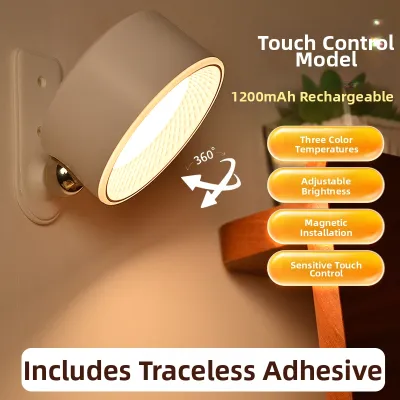
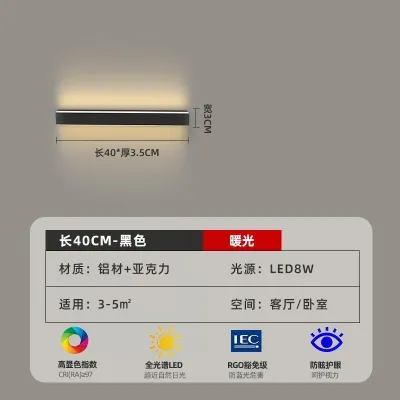
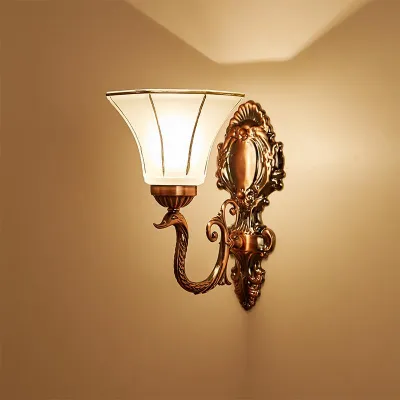
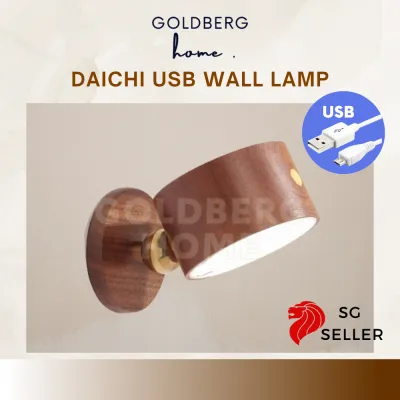
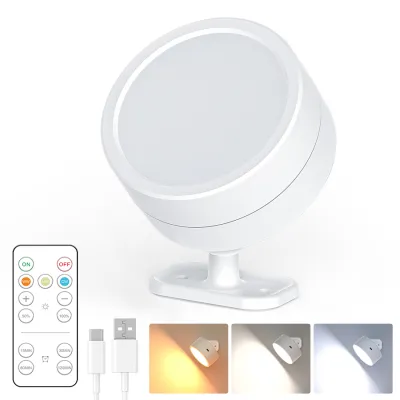
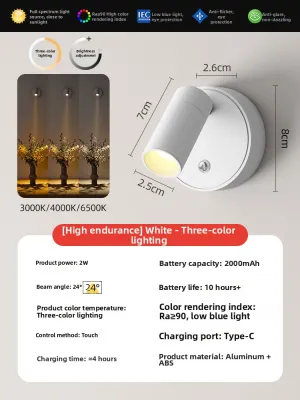
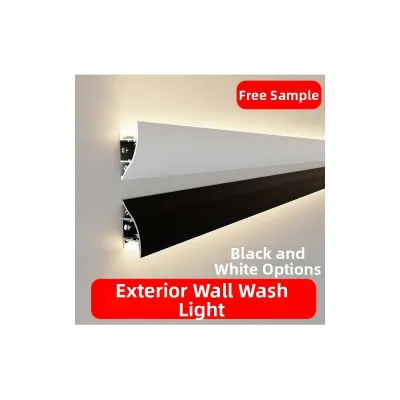
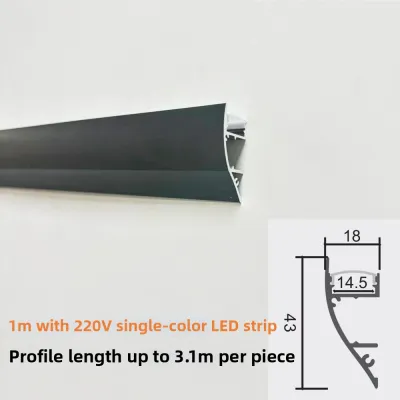
Prices are valid at publication and may change. Please refer to the product page for the latest price.
Third, evaluate the brand’s after-sales support structure and the availability of replacement parts. In integrated LED wall lights, the LED driver—the component that regulates power to the LEDs—is typically the most vulnerable part of the system. A reliable brand will stock compatible replacement drivers and components locally, allowing you to repair a faulty fixture rather than replacing the entire unit. Before purchasing, ask the retailer about the availability of spare parts and the process for obtaining them.
Finally, compliance with local electrical safety regulations is the ultimate baseline for brand reliability. Trustworthy brands proactively design and test their products to meet Singapore’s stringent safety standards, ensuring that their fixtures operate safely within your home’s electrical system without posing fire or shock hazards.
Technical and Safety Standards to Verify
To ensure your chosen wall mounted light is safe and durable, you must verify several technical specifications and certifications before making a purchase.

Voltage and Frequency Compatibility Singapore’s electrical grid operates at a nominal voltage of 230V AC with a frequency of 50Hz. It is vital to verify that any wall light you purchase is rated specifically for this voltage range. While many modern LED drivers are designed with universal voltage inputs (100V to 240V), some imported fixtures may be rated strictly for 110V grids. Connecting a 110V fixture to a 230V supply will cause immediate component failure, permanent damage, and a significant risk of electrical fire. Always check the technical label on the fixture or driver to confirm compatibility.
The Safety Mark Certification Under the Consumer Protection (Safety Requirements) Registration Scheme administered by Enterprise Singapore, specific electrical accessories and controlled goods must carry the Safety Mark. While simple decorative light fixtures themselves may not always require individual registration, the external LED drivers, power supply units, and electronic ballasts that power them are controlled goods. Ensure that the driver supplied with your wall mounted light displays the distinctive Safety Mark. This certification guarantees that the component has been independently tested and certified to meet local safety standards, protecting your home from short circuits, overheating, and electrical faults.
Ingress Protection (IP) Ratings The installation environment dictates the required Ingress Protection (IP) rating of your wall light. An IP rating consists of two digits: the first indicates protection against solid particles (like dust), and the second indicates protection against liquids (like water).
- Indoor Corridors and Living Areas: An IP20 rating is standard and sufficient for dry, indoor spaces where moisture is not a concern.
- Bathrooms and Damp Areas: Wall lights installed near mirrors or showers should have at least an IP44 rating to protect against splashing water from any direction.
- Semi-Outdoor Spaces: For balconies, patios, or sheltered outdoor walkways, look for brands offering IP65-rated fixtures to ensure complete protection against dust ingress and low-pressure water jets.
Material Build Quality and Thermal Management The physical construction of the wall light directly impacts its longevity. High-quality brands utilize robust materials such as die-cast aluminum, brass, or stainless steel for the fixture housing. Aluminum is particularly favored for integrated LED fixtures due to its excellent thermal conductivity. LEDs generate heat during operation, and if this heat is not dissipated efficiently, the junction temperature rises, leading to rapid degradation of the LED phosphor and a drastically shortened lifespan. Examine the fixture for solid metal construction, integrated heat sinks, and high-quality gaskets that prevent dust accumulation inside the optical chamber.
Designing Corridor Lighting With Wall Mounted Lights
Corridors and hallways are transitional spaces that play a crucial role in the flow of your home. Designing the lighting for these areas requires a careful balance of functional illumination and visual comfort.
Preventing Eye-Level Glare Because corridors are typically narrow, wall mounted lights are positioned closer to the line of sight than ceiling lights. To prevent uncomfortable glare, avoid fixtures with exposed bulbs or clear glass shades that direct light horizontally into your eyes. Instead, select wall lights equipped with frosted glass, opal acrylic diffusers, or indirect optical designs. “Up-and-down” wall lights are highly effective for corridors; they cast light upward onto the ceiling and downward onto the floor, creating a soft, reflected glow that makes the narrow space feel taller and more open without exposing the light source directly.
Calculating Spacing and Protrusion To maintain consistent illumination and avoid dark, shadowy patches along your hallway, space your wall lights systematically. As a general guideline, space fixtures approximately 1.5 to 2.5 meters apart. The exact spacing depends on the lumen output of the light and the width of the corridor. Additionally, pay close attention to the physical dimensions of the fixture, particularly its protrusion from the wall. In narrow Singapore HDB or condominium corridors, select slim-profile wall lights that protrude no more than 10 centimeters. This prevents the fixtures from obstructing the walkway or being accidentally bumped by residents carrying large items.
Color Temperature and Smart Controls The color temperature of your corridor lighting should harmonize with the adjacent rooms. A warm white light (2700K to 3000K) is highly recommended for residential corridors, as it creates a welcoming, cozy ambiance that transitions smoothly into bedrooms and living areas. If your home features a highly modern, clinical, or minimalist aesthetic, a cool white light (4000K) may be appropriate, though this is a matter of personal preference.
To maximize energy efficiency and convenience, consider pairing your wall lights with motion sensors or smart home systems. Motion-activated corridor lighting is incredibly practical for late-night trips to the bathroom or kitchen, eliminating the need to search for light switches in the dark. If you plan to dim your wall lights, verify that the brand’s LED driver is explicitly labeled as dimmable and is compatible with your specific dimming system (such as phase-cut, 1-10V, or DALI).
Navigating Purchasing Channels and Warranties
Securing a reliable wall mounted light requires purchasing through authorized and reputable channels to ensure product authenticity and valid warranty coverage.
Authorized Showrooms and Official Stores To avoid counterfeit or substandard products, purchase your lighting fixtures from authorized physical showrooms in Singapore, official brand websites, or verified flagship stores on major online marketplaces. Visiting a physical showroom allows you to inspect the build quality firsthand, observe the actual color temperature and light distribution, and speak with knowledgeable staff who can verify technical compatibility.
Understanding Warranty Terms A comprehensive warranty is a strong indicator of a brand’s confidence in its product quality. When comparing brands, look closely at the specific terms of the warranty. It is common for manufacturers to offer different warranty periods for different parts of the fixture:
- Fixture Body: Many brands offer extended warranties (often 3 to 5 years) on the metal housing and finish, as these structural components rarely fail.
- LED Driver and Light Source: The electronic components, such as the LED driver and the integrated LED module, should ideally be covered by a local warranty of at least 1 to 3 years. Ensure the warranty is serviced locally in Singapore, meaning you can easily obtain a replacement driver or fixture without shipping the product back to an overseas manufacturer at your own expense.
Recognizing Red Flags Be vigilant against red flags when shopping for wall lights. Unusually low pricing is often the first sign of compromised quality; extremely cheap fixtures frequently use low-grade drivers that flicker, hum, or fail prematurely, and they may lack proper electrical insulation. Other red flags include missing manufacturer labels, a lack of clear technical specifications, and sellers who cannot provide proof of local safety compliance or a physical business address for warranty claims.
Installation Boundaries and Professional Requirements
Installing wall mounted lights involves working with mains electricity, which carries inherent risks. Understanding the safety boundaries and legal requirements is essential for protecting your home and family.
Mains Isolation and Safety Protocols Before performing any inspection, maintenance, or installation of a wall mounted light, you must isolate the electrical circuit. Turn off the corresponding circuit breaker at your home’s main consumer unit (DB box). Do not rely solely on the wall switch to cut the power, as improper or legacy wiring can leave the circuit live even when the switch is in the “off” position. Use a reliable, non-contact voltage tester at the fixture’s wiring point to confirm that no electrical current is present before proceeding with any work.
Structural Integrity and Mounting Wall lights must be securely anchored to the wall to prevent them from loosening or falling over time. Assess the wall material at the installation site:
- Concrete or Brick Walls: These require masonry drill bits, plastic wall plugs, and robust screws to ensure a secure hold.
- Drywall or Partition Walls: These require specialized hollow-wall anchors or toggle bolts to distribute the weight of the fixture safely across the plasterboard.
Ensure that the mounting bracket supplied with the light is properly aligned and secured, and verify that the wall can support the weight of the fixture, especially for heavy glass, brass, or plaster designs.
Legal Boundaries of DIY Electrical Work In Singapore, electrical safety is strictly regulated. Under local laws, while homeowners are permitted to perform minor, non-fixed electrical tasks—such as replacing a burnt-out light bulb or plugging in a pre-wired lamp—any work involving fixed electrical wiring must be carried out by a Licensed Electrical Worker (LEW) registered with the Energy Market Authority (EMA).
Installing a new wall mounted light, extending existing wiring to a new location, or replacing a fixed light fixture involves working with the home’s permanent electrical installation. Attempting to perform this work yourself not only poses severe risks of electrocution and electrical fires but can also void your home insurance policy in the event of an accident. Always engage a licensed electrician to handle the wiring and installation of your wall lights, ensuring that the work complies with Singapore Standard SS 638.
Frequently Asked Questions (FAQ)
Can I install a wall mounted light myself in Singapore?
No, you cannot legally install a fixed wall mounted light yourself in Singapore if it involves connecting to or modifying your home’s permanent electrical wiring. Under local regulations, all fixed electrical wiring work must be performed by a Licensed Electrical Worker (LEW) certified by the Energy Market Authority (EMA). Attempting DIY installation on fixed wiring poses severe safety risks, including electrical shock and fire hazards, and can invalidate your home insurance coverage. The only exception is if you are installing a plug-in wall light that mounts to the wall but connects to an existing electrical outlet via a standard, pre-assembled three-pin plug.
What is the ideal height for corridor wall lights?
The standard recommended height for mounting corridor wall lights is between 1.5 and 1.8 meters (approximately 60 to 72 inches) from the finished floor level to the center of the fixture. This height ensures that the light source is positioned above the average eye level of most adults, preventing direct glare from the bulb or diffuser. If your home has exceptionally high ceilings (above 3 meters), you may adjust the mounting height slightly upward to maintain visual proportion, but ensure the light remains diffused or directed in a way that maintains visual comfort.
How do I clean and maintain fabric or glass wall light shades?
Before cleaning any wall mounted light, always switch off the power at the wall and allow the fixture and bulb to cool completely to prevent thermal shock or accidental burns. For glass shades, gently wipe the surface with a dry, clean microfiber cloth to remove dust. For stubborn smudges, use a slightly damp cloth with mild, diluted soapy water, ensuring no moisture enters the electrical socket or driver compartment. For fabric shades, use a soft-bristle brush or a clean lint roller to lift away dust. Always check the manufacturer’s care label and instructions before applying any liquid cleaners or solvents, as harsh chemicals can permanently damage delicate finishes or fabric adhesives.

Community discussion
Share your experience or ask a question. Comments are reviewed before publication.