
Selecting energy-efficient solar outdoor lights in Singapore requires a systematic approach that goes beyond attractive packaging and marketing buzzwords. Because Singapore experiences a unique tropical climate characterized by high humidity, sudden heavy downpours, and intermittent cloud cover, off-the-shelf solar fixtures often face premature failure or disappointing runtimes if they are not engineered with high-quality components. To find brands that offer genuine energy efficiency, you must evaluate the underlying technology of their solar panels, battery storage systems, and light-emitting diodes (LEDs). By understanding how these components interact under local environmental conditions, you can make an informed investment that provides reliable, bright illumination without adding a single cent to your household electricity bill.
Key Metrics for Evaluating Solar Light Energy Efficiency
To accurately assess the energy efficiency of any solar outdoor light brand, you must look closely at the technical specifications of the three core components: the photovoltaic panel, the rechargeable battery, and the LED light source. Brands that prioritize efficiency will clearly state these specifications, allowing you to compare performance potential objectively.
The first critical metric is the solar panel conversion efficiency, which measures how effectively the panel converts sunlight into usable electrical energy. Solar panels used in outdoor lighting generally fall into two categories: monocrystalline and polycrystalline. Monocrystalline panels are constructed from a single, high-purity silicon crystal structure, allowing them to achieve conversion efficiencies of 15% to 22%. In contrast, polycrystalline panels, made from melted silicon fragments, typically offer lower efficiencies of 13% to 16%. For homeowners in Singapore, where passing clouds and urban shading from high-rise buildings frequently interrupt direct sunlight, monocrystalline panels are highly preferable because they perform significantly better in low-light and diffuse solar conditions, charging the battery faster and more completely.
Products mentioned in this guide
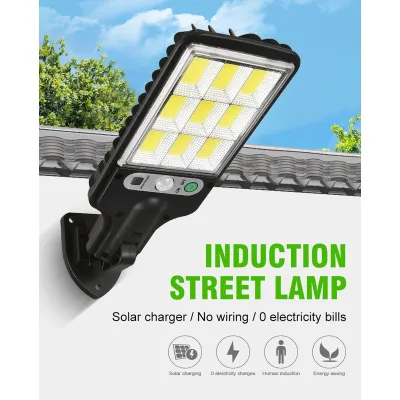
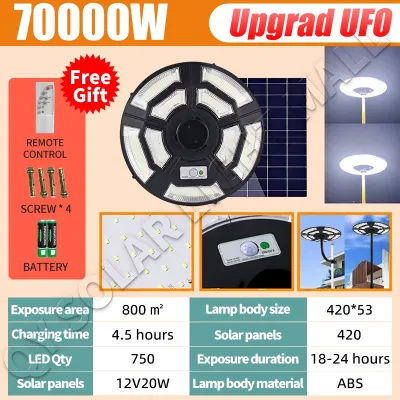
![[Next-Day Delivery] 54 LED Solar Lights Outdoor Garden Spotlights Lawn Lamp Balcony Lighting](https://img.lazcdn.com/g/p/c0c09b84b504efb81a8a1437c291d75e.jpg_400x400q80.jpg_.webp)
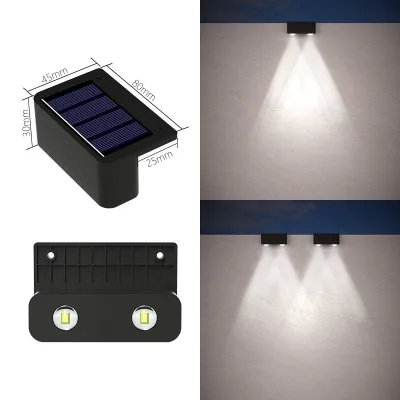
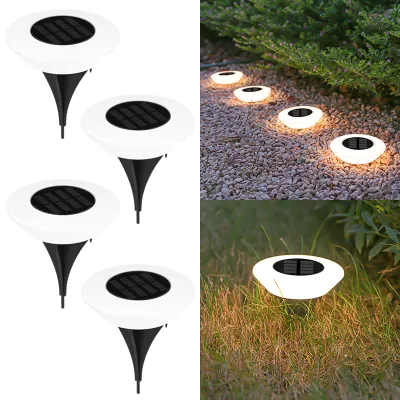
Prices are valid at publication and may change. Please refer to the product page for the latest price.
The second metric is battery chemistry and capacity, which dictates how much energy can be stored and how reliably it can be discharged night after night. Modern high-efficiency solar lights are increasingly moving away from older Nickel-Metal Hydride (NiMH) or standard Lithium-ion (Li-ion) batteries toward Lithium Iron Phosphate (LiFePO4) chemistry. LiFePO4 batteries are exceptionally well-suited for Singapore’s hot, humid climate because they offer superior thermal stability, reducing the risk of overheating or degradation. Furthermore, LiFePO4 batteries support a much deeper depth of discharge—often up to 80% or 90% without damaging the cell—and boast a lifespan of over 2,000 charge-discharge cycles, compared to the 300 to 500 cycles typical of standard Li-ion batteries.
The third metric is LED luminous efficacy, expressed in lumens per watt (lm/W). This ratio indicates how much visible light an LED fixture produces for every watt of electrical power it consumes. High-quality, energy-efficient brands utilize advanced LED chips that deliver high luminous efficacy, often exceeding 100 to 120 lm/W. Choosing fixtures with high efficacy ensures that the stored battery power is converted primarily into bright light rather than wasted heat, allowing the fixture to maintain its brightness throughout the night on a smaller, more efficient battery charge.
How to Verify Brand Claims and Product Specifications
When shopping for solar outdoor lighting on online marketplaces or at local home improvement stores, you will often encounter ambitious claims regarding runtime, brightness, and durability. Verifying these claims requires cross-referencing the provided specifications against realistic environmental factors and safety standards.

First, you must verify the Ingress Protection (IP) rating to ensure the fixture can withstand Singapore’s intense tropical rainstorms and high humidity. An IP rating consists of two digits: the first represents protection against solid objects (0 to 6), and the second represents protection against liquids (0 to 9). For reliable outdoor use, look for fixtures with a minimum rating of IP65, which indicates the light is completely dust-tight and protected against water jets from any angle. For areas highly exposed to torrential downpours or pooling water, an IP67 rating—signifying temporary immersion protection—provides an extra layer of security and prevents moisture from corroding the internal electronics and battery terminals.
Second, evaluate the brand’s nighttime runtime claims against realistic local sunlight exposure. Many manufacturers advertise runtimes of 12 hours or more based on ideal laboratory conditions of eight hours of uninterrupted, peak solar radiation. In Singapore, average daily solar insolation can vary significantly due to monsoon seasons and afternoon cloud cover. To verify if a light can realistically run all night, calculate the battery’s watt-hour (Wh) capacity by multiplying its voltage (V) by its ampere-hour (Ah) rating. Compare this to the power consumption of the LEDs; if a fixture has a 3.2V 6Ah battery (19.2 Wh) and runs a 2-watt LED array, it can theoretically operate for about 9.6 hours under perfect conditions, making a 12-hour claim at full brightness unrealistic without built-in dimming features.
Third, look for reputable safety and quality certifications to ensure the product has undergone rigorous testing. While solar lights operate on low-voltage direct current (DC) and are generally safe from severe shock hazards, integrated systems that connect to the mains grid for hybrid charging must carry recognized electrical safety certifications. Even for standalone solar fixtures, certifications such as CE, RoHS, or FCC indicate compliance with international standards for electromagnetic interference, hazardous material restrictions, and basic manufacturing quality, helping you filter out low-grade, inefficient imports.
Matching Solar Light Types to Outdoor Spaces
Achieving optimal energy efficiency is not just about buying the most powerful light; it is about matching the fixture type and light output to the specific functional requirements of your outdoor space. Over-lighting an area wastes stored energy and causes unnecessary light pollution, while under-lighting compromises safety and security.
Pathway and Garden Lights
Pathway and garden lights are designed for low-level ambient illumination and navigational safety along walkways, driveways, and garden borders. For these applications, high lumen output is rarely necessary; a range of 50 to 200 lumens is generally sufficient to guide footsteps without creating harsh glare or disrupting the natural nighttime aesthetic of your landscape.
To maximize energy efficiency, look for pathway lights equipped with integrated dusk-to-dawn sensors. These sensors automatically detect ambient light levels, turning the fixture on at sunset and off at sunrise, which prevents the battery from draining during daylight hours. Some premium models also feature manual override switches or programmable timers, allowing you to turn the lights off completely during late-night hours when foot traffic is non-existent, thereby conserving battery power for consecutive overcast days.
Security Floodlights and Wall Sconces
Security floodlights and wall sconces require a much higher light output, typically ranging from 500 to over 2,000 lumens, to illuminate large areas such as gates, driveways, and dark building perimeters. Because maintaining this level of brightness continuously would rapidly deplete even a large battery, energy-efficient security lights rely heavily on Passive Infrared (PIR) motion sensors.
A high-quality PIR sensor detects changes in infrared radiation caused by the movement of people or vehicles, triggering the light to turn on at full brightness only when necessary. When evaluating these fixtures, look for models that allow you to adjust the sensor’s range, detection angle, and sensitivity to prevent false triggers from passing wind, small animals, or swaying tree branches. Additionally, efficient security lights often feature adjustable brightness modes, such as a low-power standby mode (e.g., 10% brightness) that ramps up to 100% brightness only when motion is detected, ensuring reliable security coverage without wasting battery capacity.
Installation and Maintenance for Maximum Efficiency
Even the most advanced, high-efficiency solar light will underperform if it is poorly installed or neglected. Proper physical setup and routine maintenance are essential to ensure the solar panel captures the maximum possible sunlight and the battery operates at peak performance over its intended lifespan.
Because Singapore is located extremely close to the equator (approximately 1.3 degrees north latitude), solar panel orientation is relatively straightforward but still requires careful planning. To maximize year-round solar energy capture, solar panels should ideally be installed horizontally or with a very slight tilt of 5 to 15 degrees facing either north or south. This slight angle is crucial because it allows heavy rainwater to run off the surface naturally, washing away loose dirt rather than letting water pool and leave mineral deposits. The most critical installation factor is avoiding shade; even a small amount of shadow from overhanging tree branches, roof gutters, or adjacent high-rise buildings can drastically reduce a solar panel’s power output by blocking light from reaching the photovoltaic cells.
Routine cleaning is another vital step in maintaining energy efficiency in a tropical environment. Over time, solar panels accumulate a fine layer of dust, airborne pollen, and water spots from rain, which acts as a barrier to sunlight and reduces conversion efficiency. You should inspect and clean the solar panels every three to six months using a soft, non-abrasive microfiber cloth and clean water. Avoid using harsh chemical detergents, abrasive scrubbing pads, or high-pressure washers, as these can scratch or crack the protective tempered glass or plastic laminate, permanently degrading the panel’s performance.
Finally, monitor the health of the rechargeable battery to prevent system failures. Over several years of continuous use, all batteries experience natural capacity degradation, which manifests as a noticeable reduction in the light’s nightly runtime despite sunny daytime conditions. When replacing a degraded battery, always consult the manufacturer’s instructions to identify the exact chemistry, voltage, and physical dimensions required. Never mix different battery chemistries (such as replacing a LiFePO4 battery with a standard Li-ion battery) as this can cause charging failures, permanent damage, or safety hazards. Always dispose of old batteries responsibly by taking them to designated e-waste recycling points across Singapore.
Frequently Asked Questions (FAQ)
Do solar outdoor lights work well during Singapore's rainy season? (FAQ)
Yes, high-quality solar outdoor lights can perform reliably during Singapore’s rainy and monsoon seasons, provided they are designed with efficient components. Monocrystalline solar panels are capable of generating electricity from diffuse, indirect sunlight on overcast days, although their output will be lower than on clear, sunny days. To compensate for consecutive rainy days, energy-efficient brands design their systems with a larger battery reserve capacity—often referred to as autonomy—which allows the light to run for two to three nights on a single full charge, ensuring uninterrupted operation even during prolonged periods of bad weather.
Is it more energy-efficient to buy integrated or split-panel solar lights? (FAQ)
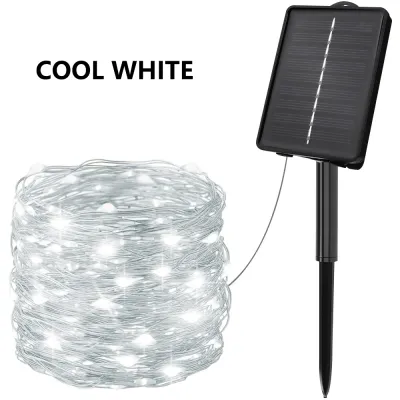
Split-panel solar lights, where the solar panel is connected to the light fixture via a dedicated cable, are generally more energy-efficient and versatile than integrated all-in-one designs. This separation allows you to install the light fixture in shaded areas—such as under a porch, carport, or dense tree canopy—while placing the solar panel in an optimal, unshaded location that receives maximum daily sunlight. Furthermore, separating the solar panel from the light fixture helps with heat dissipation; keeping the battery and LED driver away from the hot solar panel extends their operational lifespan and maintains higher electrical efficiency.

Community discussion
Share your experience or ask a question. Comments are reviewed before publication.