
Creating a serene, restful sanctuary in a Singapore bedroom requires careful attention to lighting. While harsh overhead ceiling lights are practical for dressing or cleaning, they rarely contribute to a relaxing evening atmosphere. A well-chosen floor lamp serves as an excellent secondary light source, softening the room’s visual boundaries and preparing your mind for sleep. However, finding the right fixture involves more than simply picking an attractive design from an online catalog.
To select a floor lamp that truly enhances your bedroom’s ambiance, you must evaluate brands based on their technical specifications, safety certifications, material quality, and design suitability for local homes. Because Singapore’s residential spaces—ranging from compact HDB flats to spacious condominiums—have unique layout constraints and environmental conditions, a systematic evaluation framework is essential. By focusing on how different manufacturers handle light diffusion, electrical safety, and structural stability, you can invest in a lighting piece that is both beautiful and safe.
Understanding the Lighting Basics of a Cozy Bedroom
Before comparing different floor lamp brands, it is important to understand the physics of cozy lighting. The primary factor influencing coziness is color temperature, which is measured in Kelvin (K). For a bedroom environment, look for brands that support or supply bulbs in the warm white range, specifically between 2700K and 3000K. This spectrum mimics the soft glow of sunset, which helps stimulate the natural production of melatonin, signaling to your body that it is time to wind down. Avoid cool white (4000K) or daylight (6500K) options in the bedroom, as these higher temperatures promote alertness and can disrupt your sleep cycle.
Products mentioned in this guide
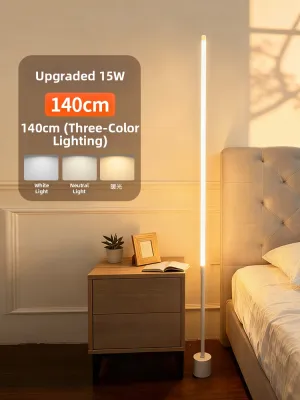
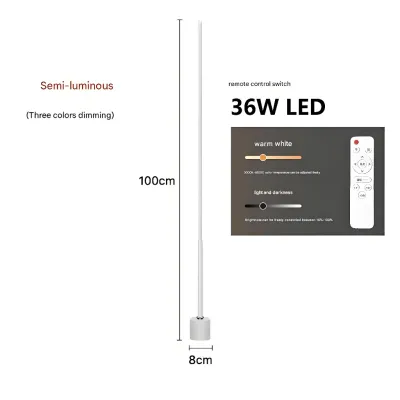

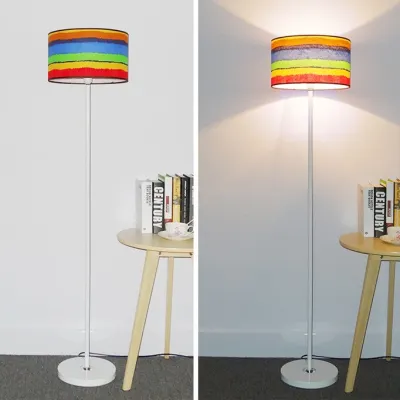

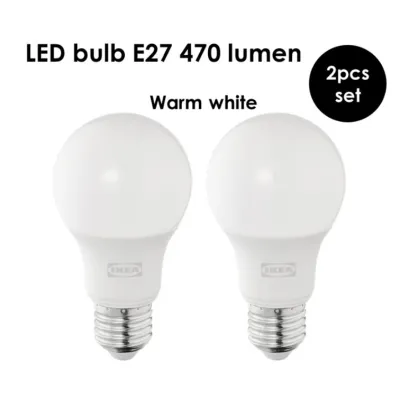
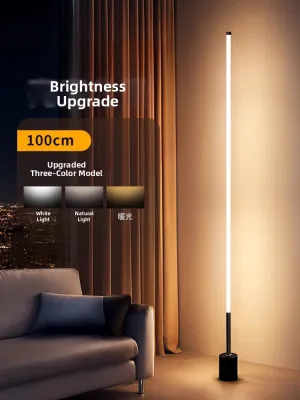
Prices are valid at publication and may change. Please refer to the product page for the latest price.
Layered lighting is another crucial concept in bedroom design. A single, bright light source often creates harsh shadows and high-contrast glare, which is counterproductive to relaxation. A high-quality floor lamp should act as the middle layer of light, bridging the gap between low-level bedside reading lamps and high-level ambient ceiling fixtures. Brands that offer built-in dimming capabilities or support dimmable LED bulbs allow you to adjust this middle layer dynamically, transitioning the room from a softly lit evening space to a dim, pre-sleep environment.
How a lamp diffuses light is just as important as the bulb itself. Direct, unshielded light bulbs create glare that strains the eyes, especially when you are lying down in bed. Look for brands that design fixtures with high-quality shades made from materials like linen, cotton, rice paper, or frosted opal glass. These materials scatter light waves in multiple directions, transforming a concentrated point of light into a soft, ambient glow. The shade should fully conceal the bulb from your direct line of sight when you are sitting or lying in bed.
Essential Specifications to Check Before You Buy
When evaluating floor lamp brands, always look past the marketing imagery and scrutinize the technical specifications sheet. The first detail to verify is bulb compatibility and socket type. Most standard floor lamps use E27 (medium screw) or E14 (small screw) bases, which are widely available in Singapore. Ensure the manufacturer clearly states the maximum wattage limit for the fixture. If you plan to use energy-efficient LED bulbs, verify that the lamp’s socket and internal wiring can safely handle the electrical load, and check whether the fixture is rated for dimmable bulbs if you intend to use a dimming switch.

In Singapore, electrical safety is a paramount consideration. All household electrical appliances, including floor lamps, must comply with local safety regulations. When browsing brands, verify that the product or its power adapter carries the Safety Mark, which is regulated by Enterprise Singapore. This mark indicates that the appliance has been tested and certified to meet the required safety standards for Singapore’s 230V, 50Hz electrical grid. Avoid purchasing unbranded, direct-import fixtures that lack this certification, as they may feature substandard wiring or plugs that pose a fire or shock hazard.
Physical dimensions and structural stability are equally critical, particularly in high-traffic bedroom areas or tight spaces beside the bed. Check the manufacturer’s specifications for the total height of the lamp and the diameter of its base. A bedroom floor lamp should ideally stand between 140 cm and 170 cm tall so that the light source remains above eye level when you are seated, but does not cast glare directly down onto your face when you are in bed. Furthermore, examine the weight of the base. A high-quality brand will use a heavy, weighted base—often made of cast iron, marble, or dense steel—to ensure the lamp remains stable and resistant to tipping if accidentally bumped in the dark.
How to Evaluate Floor Lamp Brands and Retailers
To ensure you are buying from a reliable manufacturer, evaluate the brand’s customer support policies and transparency. A reputable lighting brand will offer a clear manufacturer’s warranty, typically lasting at least 12 months, covering electrical components, switches, and structural defects. Read the fine print of the return policy as well; because lighting can look vastly different in your home compared to a showroom or online photo, a flexible return or exchange window is highly valuable.
Another indicator of a brand’s reliability is the long-term availability of replacement parts. Over years of use, a fabric shade may become stained, a glass globe might crack, or an inline foot switch might wear out. Premium brands often sell individual replacement shades, diffusers, and compatible switches, allowing you to repair the fixture rather than discarding the entire lamp. If a brand does not offer replacement parts or clear customer service channels, it may be a sign of a low-cost, disposable product.
Transparency regarding material sourcing and manufacturing standards is also a key differentiator. Reliable brands provide detailed information about the materials used in their lamps, such as whether the wood is sustainably sourced, the metal is powder-coated to resist rust in Singapore’s humid climate, or the plastics are UV-resistant to prevent yellowing over time. Look for brands that publish comprehensive assembly instructions and clear safety guidelines on their official websites, demonstrating a commitment to user safety and product longevity.
Matching Lamp Styles to Your Bedroom Layout
Your bedroom’s physical layout and your personal habits should dictate the style of floor lamp you choose. Different form factors serve distinct functional and aesthetic purposes:
- Arc and Task Lamps: These fixtures feature an adjustable arm that extends outward, allowing you to position the light source directly over a specific area. If you have a reading armchair or a small desk in your bedroom, an arc lamp can project light precisely where you need it without requiring a side table. However, because arc lamps have a larger physical footprint and a projecting arm, they are best suited for spacious bedrooms where they will not obstruct walkways.
- Torchiere and Uplight Designs: Torchieres direct their light upward toward the ceiling, where it bounces off the plaster and diffuses throughout the room. This indirect lighting method is highly effective at creating a soft, shadowless ambiance. It is particularly useful in bedrooms with lower ceilings, as the upward light draw can make the room feel taller and more open. Ensure the top of the torchiere is positioned high enough that you cannot see the bare bulb when standing.
- Tripod and Statement Lamps: Featuring three legs or a bold, sculptural silhouette, statement lamps serve as visual anchors in empty corners. They are excellent for filling unused space and adding a decorative element to the room. Because tripod lamps have a wider base footprint, they require a dedicated corner where they will not be knocked over. Pair them with a thick, textured fabric shade to maximize their warm, ambient output.
Safe Placement and Setup in the Bedroom
Once you have selected a high-quality floor lamp, proper installation and placement are vital to maintaining a safe sleeping environment. Position the lamp on a flat, level surface, ensuring the entire base makes solid contact with the floor. If your bedroom has thick carpeting or uneven vinyl flooring, double-check that the lamp does not wobble. Keep the power cord routed safely along the perimeter of the room or behind heavy furniture like wardrobes and bedside tables. Never run electrical cords under rugs, carpets, or bed frames, as friction and trapped heat can damage the insulation and create a fire hazard.
Maintain adequate clearance between the lamp shade and any flammable materials in your bedroom. Curtains, drapes, bedsheets, and soft upholstery should remain at least 30 cm away from the fixture, even if you are using low-heat LED bulbs. While LEDs run significantly cooler than traditional incandescent bulbs, they still generate some heat at the base and driver, which requires adequate ventilation to dissipate safely.
Finally, understand the boundaries of DIY installation. Standard plug-in floor lamps are designed for simple, user-friendly setup. However, if you wish to integrate your floor lamp into a hardwired wall switch, route cables behind drywall, or connect it to a complex, whole-home automation system that requires modifying your home’s electrical panel, always isolate the power at the main distribution board and consult a licensed electrical worker certified by the Energy Market Authority (EMA) of Singapore. Attempting to modify fixed electrical wiring without proper training can lead to severe safety hazards and void your home insurance.
Frequently Asked Questions (FAQ)
Can I use smart bulbs in any floor lamp to adjust the mood?
Yes, you can use smart bulbs in most standard floor lamps, provided the bulb’s base type (such as E27 or E14) matches the lamp’s socket and the bulb’s wattage does not exceed the fixture’s maximum rated limit. However, you must check the lamp’s dimming mechanism before installation. If the floor lamp features a built-in physical dimmer switch (such as a rotary dial or a sliding foot pedal), using a standard smart bulb can cause flickering, buzzing, or permanent damage to the bulb’s internal electronics. Smart bulbs require a constant, uninterrupted flow of maximum power; any dimming must be controlled digitally via an app, voice assistant, or compatible smart remote rather than a physical voltage reducer.
How do I clean fabric lamp shades without damaging them?
Fabric lamp shades accumulate dust over time, which can dull the light output and trigger allergies. To clean them safely, first turn off the lamp, unplug it from the wall outlet, and allow the bulb to cool completely. For routine maintenance, use a soft-bristled clothes brush, a clean microfiber cloth, or the upholstery brush attachment of your vacuum cleaner on its lowest suction setting to gently sweep away loose dust. For minor spots or stains, you can lightly dab the area with a damp cloth dipped in a highly diluted mixture of water and mild baby soap, taking care not to saturate the fabric or wet any internal metal frames that could rust. Always test a small, hidden area first, and consult the manufacturer’s care label for specific material restrictions.

Community discussion
Share your experience or ask a question. Comments are reviewed before publication.