
Selecting the right LED standing lamp brand to elevate your living room’s ambiance requires looking beyond basic aesthetics. The ideal brand is one that consistently delivers high-quality light output, robust physical construction, and reliable electrical components tailored to your specific living space. In Singapore’s diverse housing landscapes—from cozy HDB flats to spacious condominiums—the living room often serves as a multi-functional hub for relaxation, entertainment, and work. A well-chosen floor lamp does not merely illuminate a corner; it defines the room’s mood, softens harsh shadows, and complements your interior design.
To find a brand that truly enhances your home’s atmosphere, you must evaluate technical specifications such as color rendering, dimming capabilities, and physical stability. Rather than relying on generic popularity lists, a systematic approach to assessing product build quality, safety certifications, and design compatibility will ensure you invest in a fixture that provides both visual comfort and long-term reliability.
Defining Ambiance: Key Lighting Qualities to Look For
Creating a warm and inviting living room atmosphere depends heavily on the quality of light emitted by the LED standing lamp. The first technical specification to examine when comparing brands is the color temperature, measured in Kelvin (K). For a relaxing, cozy ambiance, look for brands that offer lamps in the warm white range, typically between 2700K and 3000K. This range mimics the soft, golden glow of traditional incandescent bulbs, which helps signal the brain to unwind after a long day. Avoid brands that only offer fixed cool white light (5000K or higher) for living areas, as this can create a sterile, clinical environment.
Products mentioned in this guide
![[SG Seller]LED Floor Lamp Multi Brightness Dimmable Lightings Gooseneck Adjustable USB Operated Standing Light for Study Bedside Living Room Piano Aesthetic Lamp White Black](https://img.lazcdn.com/g/p/1ee573180e8aa449d878c5b30c81e865.jpg_400x400q80.jpg_.webp)
Prices are valid at publication and may change. Please refer to the product page for the latest price.
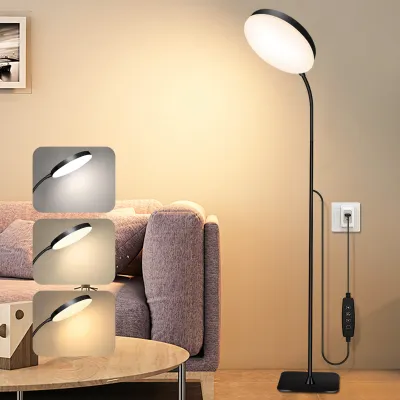
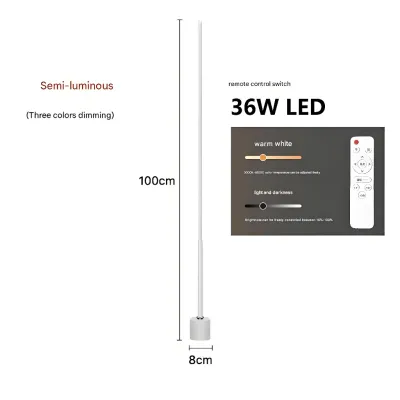
Dimming capability is another crucial feature for mood control. Reliable brands design their lamps with smooth, step-less dimming transitions rather than abrupt, stepped brightness levels. This allows you to transition seamlessly from bright, functional lighting for reading to a low, subtle glow for movie nights. When evaluating a brand, check whether the dimming mechanism is integrated into a physical touch control, a foot switch, or a wireless remote, and ensure that the dimming technology does not introduce visible flickering at lower brightness levels.
The way light is dispersed throughout the room also dictates the quality of the ambiance. To prevent harsh glare that strains the eyes, prioritize brands that utilize high-quality diffusion materials. Lamps featuring frosted glass, fabric shades, or milky acrylic diffusers scatter light evenly, softening the transition between light and shadow. Additionally, consider the beam angle of the fixture; a wide beam angle is excellent for general ambient fill, while a narrow, adjustable beam is better suited for highlighting specific architectural features or decor elements without spilling excess light into the rest of the room.
Finally, pay close attention to the Color Rendering Index (CRI) of the LED module. CRI measures how accurately a light source reveals the true colors of objects compared to natural sunlight, rated on a scale up to 100. For a living room where you want your furniture, wooden textures, and decorative pieces to look vibrant and true to life, select brands that guarantee a CRI of 90 or higher. Lower-quality brands often use cheap LED chips with a CRI below 80, which can make your carefully curated interior decor appear dull, gray, or unnaturally tinted.
Matching Lamp Design to Your Living Room Layout
The physical form and style of an LED standing lamp must harmonize with your living room’s layout and spatial constraints. Different structural designs serve distinct aesthetic and functional purposes. For instance, arc lamps feature a long, curved neck that allows the light source to hang over a sofa or coffee table, providing localized overhead light without requiring a ceiling installation. This design is highly effective for creating a distinct seating zone within an open-plan living area, though it requires sufficient clearance and floor space to accommodate the sweeping arm.

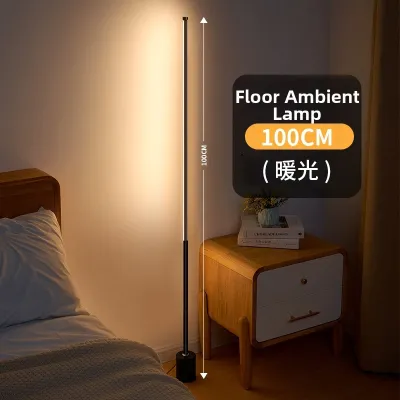
If your living room has limited floor space, a straight or column lamp is often the most practical choice. These minimalist designs have a very small footprint, allowing them to slip easily into tight corners or sit snugly between a sofa and a wall. Alternatively, torchiere lamps direct their light upward toward the ceiling, bouncing soft, indirect illumination throughout the entire room. This is an excellent option for making low ceilings feel higher and creating a glare-free background glow. Multi-head lamps, which feature multiple adjustable light sources on a single pole, offer the ultimate flexibility, allowing you to direct light simultaneously toward a reading chair, a piece of wall art, and the ceiling.
When assessing different brands, compare the physical dimensions of the lamp base and the overall height against your furniture placement. A base that is too wide may not fit behind your sofa, while a lamp that is too short might place the light source directly at eye level when you are seated, causing discomfort. Ensure the materials and finishes—such as matte black steel, brushed brass, or natural wood—align with your existing interior theme, whether it is modern Scandinavian, industrial, or classic contemporary.
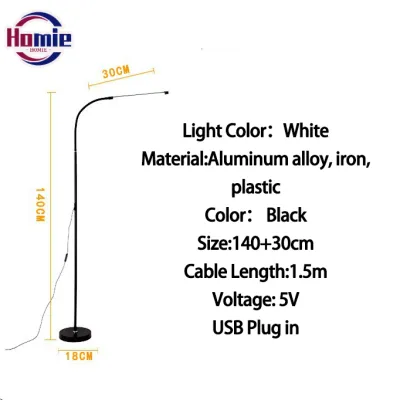
Adjustability is another design factor that enhances usability. Look for brands that incorporate flexible goosenecks, rotating lamp heads, or telescoping poles. These features allow you to redirect the light as your living room layout changes or as you transition from hosting guests to reading quietly. A brand that prioritizes thoughtful structural design will ensure that these adjustable joints remain tight and secure over years of use, preventing the lamp head from drooping or sagging.
Evaluating Brand Reliability and Build Quality
To ensure your LED standing lamp remains a lasting part of your home, you must look past marketing claims and rigorously evaluate the brand’s manufacturing standards and after-sales support. Start by reviewing the warranty terms provided by the manufacturer. Reputable lighting brands typically offer a comprehensive warranty of at least one to three years, covering both the LED driver and the light-emitting diodes themselves. Clear, accessible customer support channels and a straightforward claims process are strong indicators of a brand that stands behind its product quality.
The availability of replacement parts is a critical factor that is often overlooked. Unlike traditional lamps where you can simply screw in a new bulb, many modern LED standing lamps feature integrated LED modules. If the driver or the LED board fails in an integrated system, the entire lamp may become unusable unless the brand offers compatible replacement parts. Before purchasing, check if the brand sells replacement drivers, power adapters, or light modules separately, or if they provide a clear repair service for out-of-warranty products.
Physical build quality is essential for both durability and safety. A high-quality standing lamp must have a heavy, well-balanced base to prevent it from tipping over easily. When examining a lamp, check the weight of the base relative to the overall height of the fixture; a top-heavy design with a lightweight plastic base is a significant safety hazard. Furthermore, inspect the materials used in the pole and joints. Solid metal tubes with threaded brass or steel connectors offer far greater stability and longevity than thin aluminum poles joined by plastic sleeves, which can warp or strip over time.
Analyzing user feedback patterns on independent forums and retail platforms can reveal common long-term performance issues. Look specifically for recurring complaints regarding electronic failures, such as lamps that begin to flicker after a few months, remote controls that lose connection, or touch-sensitive switches that become unresponsive. Brands with a history of positive long-term reviews generally use high-grade capacitors and robust electronic circuits that can withstand minor voltage fluctuations without degrading.
Safety and Compatibility Checks Before You Buy
Before finalizing your purchase, it is vital to ensure that the LED standing lamp is fully compatible with your home’s electrical system and meets local safety standards. In Singapore, the standard residential electrical supply operates at a voltage of 230V and a frequency of 50Hz. Always verify that the lamp’s power adapter or internal driver is rated for this voltage range. Importing a lamp designed solely for 110V environments without a proper step-down transformer can lead to immediate electrical failure, overheating, or fire hazards.
Additionally, ensure the lamp comes equipped with a compatible plug type. Singapore primarily uses the Type G three-pin plug. Using loose, uncertified travel adapters to connect a two-pin plug to a local wall socket can create poor electrical contact, leading to sparking or short circuits. To guarantee peace of mind, look for products that carry recognized safety certifications. In Singapore, controlled electrical goods should carry the SAFETY Mark, which indicates the product has been tested and certified to meet stringent safety standards. If purchasing international brands, look for equivalent certifications from recognized testing bodies, such as the CE mark or TÜV certification.
Consider the physical placement of the power cord within your living room layout. A cord that is too short may force you to use extension cords, which adds clutter and increases the risk of electrical overloads. Measure the distance from your desired lamp placement to the nearest wall socket, and look for brands that offer generous cord lengths, typically between 1.5 and 2 meters. Ensure the cord can be routed safely behind furniture or along baseboards to eliminate trip hazards, especially in high-traffic areas or homes with young children and pets.
If you are interested in smart home integration, verify the wireless compatibility of the lamp. Many smart LED standing lamps require a stable Wi-Fi connection to enable app control, voice commands, or automated scheduling. Check whether the lamp’s smart module operates on the standard 2.4 GHz Wi-Fi frequency, as many smart home devices are incompatible with 5 GHz bands. Additionally, confirm that the lamp’s smart ecosystem integrates seamlessly with your existing home setup, whether you use Apple Home, Google Home, or other common smart platforms, to avoid connectivity frustrations.
Frequently Asked Questions (FAQ)
Can I replace the LED bulb in a standing lamp if it burns out?
Whether you can replace the light source depends entirely on the lamp’s design. Many modern LED standing lamps feature integrated LED modules, where the light-emitting diodes are soldered directly onto a circuit board inside the lamp head. In these designs, the light source cannot be unscrewed like a traditional bulb; if the LED fails, you must typically replace the entire light assembly or the lamp itself, unless the manufacturer offers specialized replacement parts. Conversely, some standing lamps are designed with standard sockets, such as E27 or GU10, allowing you to easily swap out the LED bulb whenever it burns out or if you wish to change the color temperature. Always check the product specifications before buying to confirm whether the fixture uses an integrated LED or a replaceable bulb system.
Are smart LED standing lamps worth the investment for ambiance?
Smart LED standing lamps offer significant advantages for creating ambiance, but their value depends on your lifestyle and preferences. The primary benefit of smart lighting is the ability to adjust brightness and color temperature dynamically through a smartphone app, voice commands, or automated schedules, allowing you to transition from a bright daylight setting for daytime tasks to a warm, dim glow in the evening without leaving your seat. Many smart lamps also offer millions of color options and tunable white spectrums, providing immense flexibility for mood lighting. However, if you prefer simple, tactile controls and do not want to manage another device on your home Wi-Fi network, a high-quality non-smart lamp paired with a reliable physical dimmer switch may be a more practical and cost-effective choice.
How do I prevent a tall floor lamp from tipping over?
Preventing a tall floor lamp from tipping over requires a combination of careful product selection and strategic placement. When shopping, prioritize lamps that feature a heavy, dense base made of materials like cast iron, steel, or heavy marble, which lowers the fixture’s center of gravity and keeps it stable. When positioning the lamp in your living room, place it in low-traffic areas, such as tucked behind an armchair, in a corner, or flat against a wall, to minimize the risk of accidental bumps. If you must place the lamp on a thick rug or carpet, ensure the base is wide and heavy enough to sink through the fibers and rest flat on the subfloor. Finally, secure the power cord along the floor using cord covers or clips to prevent pets, children, or guests from catching their feet on the wire and pulling the lamp down.

Community discussion
Share your experience or ask a question. Comments are reviewed before publication.