
Selecting a prayer altar is a deeply personal and significant decision for many households in Singapore. As a central focal point for daily rituals, reflection, and spiritual connection, an altar must balance sacred tradition with the practical realities of modern home design. Because this is a long-term investment intended to last for generations, identifying a reputable brand requires looking beyond surface aesthetics. Buyers must evaluate structural integrity, material durability, and the manufacturer’s commitment to quality craftsmanship.
In Singapore’s unique living environment, where compact high-rise apartments are the norm and tropical humidity is constant, choosing the right altar involves specific practical considerations. A well-constructed altar must not only fit harmoniously within your living space but also withstand environmental challenges like moisture, heat, and daily wear. By understanding what distinguishes a high-quality brand and knowing how to verify material and installation standards, you can make an informed decision that brings peace of mind and lasting beauty to your home.
Key Criteria for Evaluating Prayer Altar Brands
When searching for reputable brands of religious items, establishing a clear evaluation framework is essential. The first criterion to consider is the brand’s craftsmanship heritage and manufacturing transparency. Reputable manufacturers are typically open about their production processes, detailing where they source their timber and how their artisans construct each piece. Brands with a long history of serving the local community often maintain high standards because their reputation relies on the enduring quality of their products.
Products mentioned in this guide
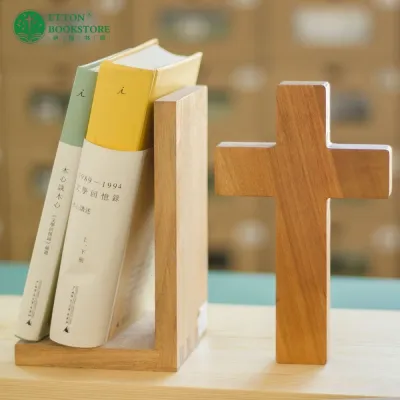
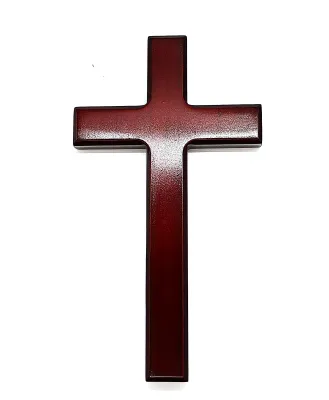
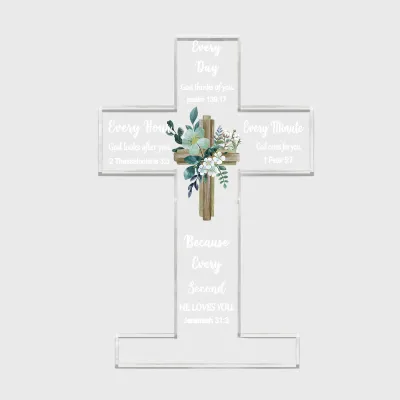
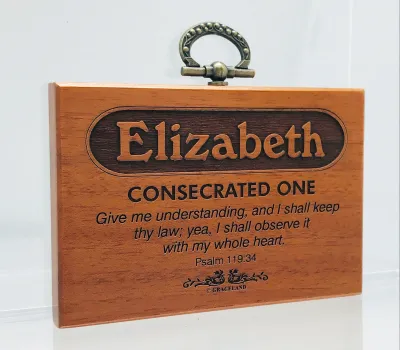
Prices are valid at publication and may change. Please refer to the product page for the latest price.
Analyzing long-term customer feedback patterns is another crucial step in assessing a brand’s reliability. While immediate reviews after delivery can tell you about the buying experience, look for testimonials that discuss how the altar performs after several years of use. Pay close attention to mentions of structural stability, such as whether the wood has warped, if the joints remain tight, or if the drawers still slide smoothly. Consistent positive feedback regarding durability over time is a strong indicator of a brand’s commitment to quality.
Warranty coverage and structural guarantees offer formal assurance of an altar’s build quality. A trustworthy brand should provide a clear, written warranty that covers structural defects, wood splitting, or joint failures under normal household conditions. Be sure to read the terms and conditions carefully, noting what is excluded and how long the coverage lasts. A brand that stands behind its products with a robust warranty demonstrates confidence in its materials and construction methods.
Finally, evaluate the responsiveness of the brand’s after-sales service and the availability of repair options. Over years of daily use, hardware may wear out, or accidental damage may occur. A reputable brand should offer reliable customer support, including the ability to source replacement parts, adjust misaligned doors, or perform professional repairs. Knowing that you can easily contact the manufacturer for maintenance or restoration services adds significant long-term value to your purchase.
Material Quality and Craftsmanship Standards
The choice of materials is the single most important factor determining the longevity of a prayer altar. Solid hardwoods, such as teak, rosewood, and mahogany, are highly recommended for their natural density, strength, and resistance to pests. These woods contain natural oils that help them resist moisture absorption, making them exceptionally durable. In contrast, engineered wood alternatives like medium-density fibreboard (MDF) or particle board are more susceptible to swelling, sagging, and structural degradation when exposed to humidity or accidental liquid spills from offerings.

Traditional joinery techniques are a hallmark of superior craftsmanship. High-quality altars are constructed using classic woodworking joints, such as mortise and tenon or dovetail joints, which allow the wood to expand and contract naturally with temperature changes without losing structural integrity. Avoid altars that rely heavily on metal staples, nails, or excessive glue to hold the main frame together. These cheaper assembly methods often fail over time as the wood shifts, leading to loose joints and a compromised structure.
The durability of the hardware used in drawers, pull-out trays, and cabinet doors should not be overlooked. Pull-out trays are frequently used to hold heavy offering bowls, incense burners, or prayer books, meaning they must support significant weight without sagging or sticking. Inspect the drawer runners and hinges to ensure they are made of robust, corrosion-resistant metals like solid brass or high-grade stainless steel. Smooth, quiet operation of these moving parts is a clear sign of meticulous manufacturing.
Singapore’s tropical climate presents unique challenges for wood finishes due to high relative humidity and temperature fluctuations. An inferior finish can become sticky, cloudy, or begin to peel when exposed to moisture and the heat generated by candles or oil lamps. Reputable brands apply high-quality, heat-resistant lacquers or polyurethane coatings that seal the wood effectively. These protective finishes preserve the natural beauty of the wood grain while making the surface easier to clean and maintain over the years.
Sizing, Spatial Planning, and Installation
Proper spatial planning is critical to ensure your prayer altar fits safely and functionally within your home layout. For compact apartments, such as HDB flats or condominiums, wall-mounted units are highly popular because they preserve valuable floor space. However, floor-standing altars offer the advantage of built-in storage cabinets and greater overall stability. Measure your designated area carefully, taking into account not only the physical dimensions of the altar but also the clearance required to stand or kneel comfortably during rituals.
Calculating weight distribution and verifying load limits is a vital safety step, especially for wall-mounted altars. These units must be securely anchored to solid structural walls, such as concrete or brick. Mounting an altar on a hollow drywall or partition wall requires specialized heavy-duty anchors or internal structural reinforcement to prevent the unit from pulling away from the wall. Always calculate the total weight of the altar combined with all statues, offering plates, and decorative items to ensure it remains well within safe load limits. For any wall-mounted installation or work at height, hiring a qualified professional installer is strongly advised to guarantee structural safety.
Ensuring adequate clearance around the altar is essential for fire safety and ritual comfort. If your daily practices involve burning incense, candles, or oil lamps, you must maintain a safe vertical and horizontal distance from flammable materials like curtains, blinds, and wooden wall panels. Avoid placing the altar directly under air conditioning vents or ceiling fans, as strong drafts can cause uneven burning of candles or disperse ash. Proper ventilation in the room is also necessary to allow incense smoke to dissipate safely without causing respiratory discomfort or leaving heavy soot deposits on your walls and ceiling.
For altars featuring integrated LED lighting, electronic prayer wheels, or built-in wiring, electrical safety is paramount. Verify that all electrical components, adapters, and wiring systems comply with local safety standards and carry recognized electrical certifications, such as the Safety Mark in Singapore. Avoid overloading power sockets by daisy-chaining multiple extension cords. Always isolate the power supply by turning off the main switch before cleaning the altar or replacing light bulbs, and consult a licensed electrical worker for any custom wiring or fixed electrical installations.
Sourcing and Verifying Local Retailers
Finding the right place to purchase your prayer altar involves distinguishing specialized religious decor stores from general furniture outlets. Specialized retailers typically possess a deeper understanding of traditional design rules, auspicious dimensions, and the specific functional requirements of different religious practices. They can offer valuable guidance on selecting the appropriate style and layout for your needs, whereas general furniture stores may view altars merely as decorative cabinets without considering these important cultural and practical nuances.
Visiting a physical showroom is highly recommended before making a final decision. A showroom visit allows you to inspect the material quality firsthand, feel the texture of the wood, and test the operation of drawers and doors. It also gives you a realistic sense of the altar’s scale and presence, which can be difficult to judge from online photos alone. Take this opportunity to ask the sales staff detailed questions about the wood sourcing, construction techniques, and customization options.
If you choose to browse online marketplaces or ecommerce platforms, take extra care to verify the seller’s credentials. Look for established local businesses that maintain a physical presence or showroom in Singapore, as this provides a clear point of contact if issues arise. Check the seller’s return policies, delivery terms, and customer ratings carefully. Avoid sellers that offer vague product descriptions, lack clear contact information, or do not provide explicit details about the materials used in their altars.
Finally, confirm whether the retailer provides comprehensive delivery, assembly, and professional installation services. Transporting a heavy solid wood altar requires care to prevent damage to the wood and your home’s flooring. Professional installers have the tools and experience to ensure the altar is perfectly level, stable, and securely mounted if it is a wall-unit. Clarify any delivery fees, installation charges, and scheduling details before finalizing your purchase to avoid unexpected costs.
Maintenance and Long-Term Care
Preserving the beauty and structural integrity of your prayer altar requires consistent, gentle maintenance. For routine cleaning, dusting with a dry, soft microfiber cloth is the safest and most effective method. Intricate wood carvings and hard-to-reach crevices can be gently cleaned using a soft-bristled brush, such as a clean makeup brush or a dedicated detailing brush. Avoid using rough cloths or feather dusters with exposed wire, as these can scratch the polished lacquer finish over time.
When a deeper clean is necessary, use a slightly damp microfiber cloth to wipe down the surfaces, followed immediately by a dry cloth to remove any remaining moisture. Avoid using harsh chemical solvents, bleach, ammonia, or abrasive scrubbers, as these substances can strip away the protective finish and discolor the wood. If you wish to apply a wood polish or wax to restore shine, always check the manufacturer’s care instructions first to ensure the product is compatible with your altar’s specific finish, and test it on a small, inconspicuous area first.
Managing incense smoke residue is a common challenge for altar upkeep. Over time, smoke can leave a sticky, yellowish film on the wood surfaces. To prevent buildup, wipe down the areas surrounding the incense burner regularly with a highly diluted, mild soapy water solution, ensuring you dry the wood completely afterward. Using high-quality, low-smoke incense can also significantly reduce the amount of residue deposited on your altar and surrounding walls.
Knowing when to stop DIY maintenance and seek professional help is key to protecting your investment. If your altar develops deep cracks, structural warping, loose joints, or severe finish degradation, attempting to repair it yourself with household glues or varnishes can cause irreversible damage. Instead, consult a professional furniture restorer or contact the original manufacturer. These specialists have the expertise, tools, and matching materials to safely restore your altar to its original condition, ensuring it remains a beautiful and sacred centerpiece for your home.
Frequently Asked Questions (FAQ)
Can I place a prayer altar in a compact apartment?
Yes, you can comfortably place a prayer altar in a compact apartment by choosing space-saving designs. Wall-mounted altars are excellent options for HDB flats and condominiums as they keep the floor area clear. Alternatively, compact floor-standing units with tiered shelves or pull-out trays offer functional storage without taking up excessive space. Ensure the chosen location has adequate ventilation to allow incense smoke to clear, and maintain a safe distance from walkways, curtains, and other flammable household items.
How do I clean incense residue without damaging the wood finish?
To clean incense residue safely, wipe the affected wood surfaces regularly with a dry or slightly damp microfiber cloth. For stubborn, sticky buildup, use a soft cloth lightly moistened with a highly diluted solution of mild dish soap and warm water, taking care not to saturate the wood. Immediately follow with a clean, dry cloth to remove all moisture. Avoid using abrasive pads, chemical solvents, or harsh household cleaners, as these can permanently strip the protective lacquer. Always check the manufacturer’s care label before applying any commercial wood polishes or waxes.

Community discussion
Share your experience or ask a question. Comments are reviewed before publication.