
Evaluating solar flashlight brands for Housing & Development Board (HDB) emergency kits requires looking beyond basic brightness ratings. Because high-rise apartments in Singapore have specific spatial layouts, limited direct sunlight access, and high ambient humidity, a reliable emergency light must be highly adaptable. A dependable brand is one that offers robust battery chemistry, multi-source charging capabilities, and verified safety certifications rather than relying solely on solar power.
In an HDB context, emergency preparedness is less about wilderness survival and more about managing sudden localized power outages or building-wide maintenance disruptions. The ideal solar flashlight serves as a bridge, ensuring you can safely navigate dark corridors, locate essential items, or maintain communication during an unexpected blackout. Therefore, evaluating these tools involves assessing how well they perform under the physical constraints of high-rise living. While budget-friendly options exist, investing S$30 to S$80 in a certified, reputable brand ensures that your device will function reliably when you need it most.
Assessing Your HDB Emergency Lighting Needs
Unlike landed properties with expansive yards, HDB apartments typically restrict solar charging to specific zones like service yards, balconies, or window ledges. The orientation of your flat—whether it faces the direct morning sun or remains shaded throughout the day—directly dictates how effectively a solar panel can harvest energy. When selecting a brand, you must consider whether the device’s solar panel is sensitive enough to draw a charge from indirect or filtered light passing through window glass. If your flat has limited sun exposure, relying on a brand that only charges under intense, direct sunlight will leave you with an underpowered device during an emergency.
Products mentioned in this guide
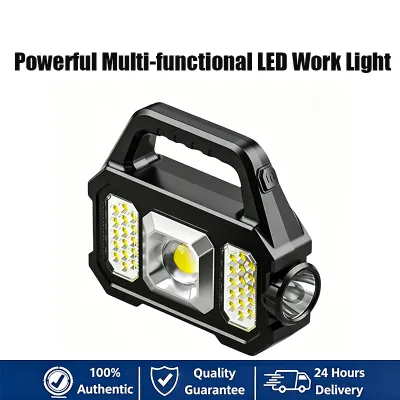
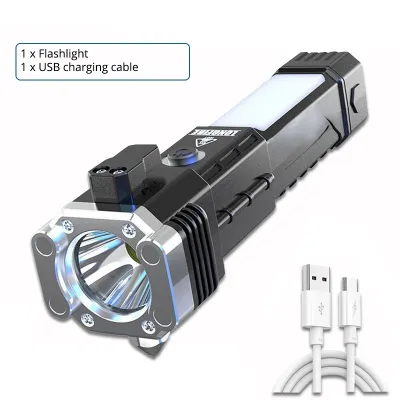
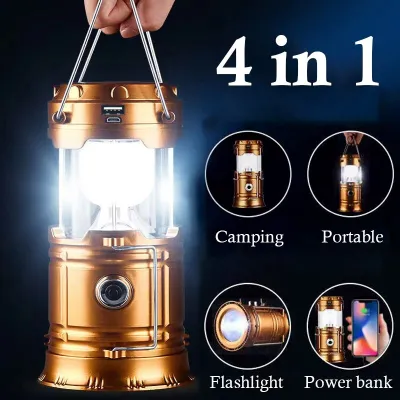
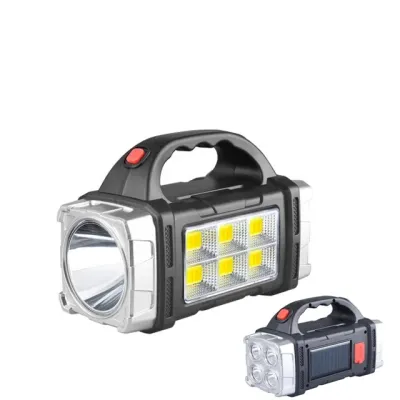
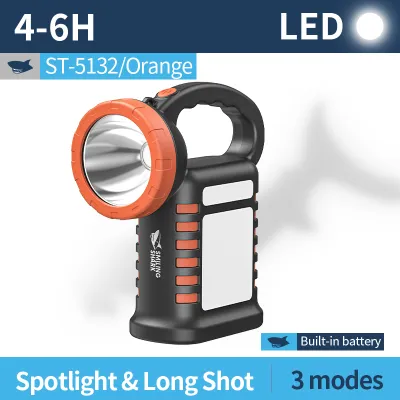
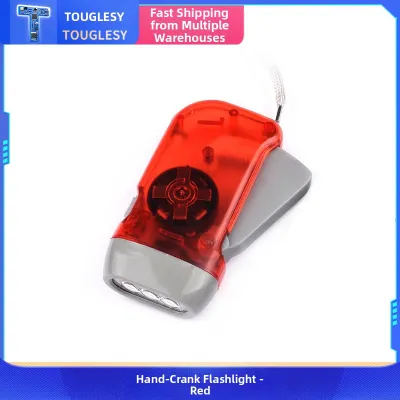
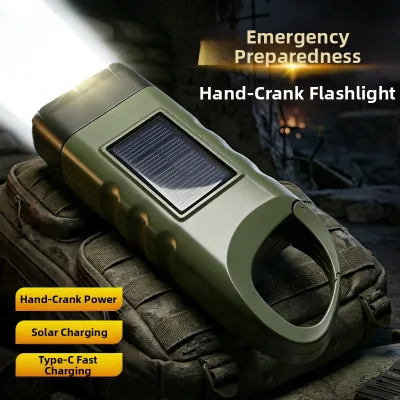
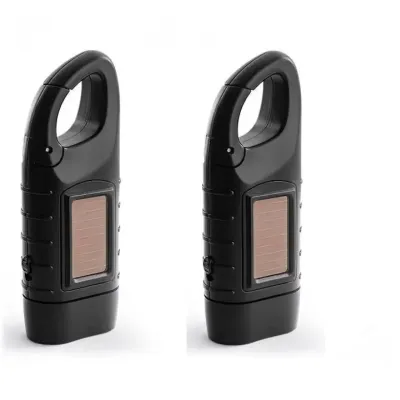
Prices are valid at publication and may change. Please refer to the product page for the latest price.
Emergency lighting needs within an HDB flat vary by room and situation. Navigating narrow hallways or accessing a household shelter requires a focused, directional beam that projects light forward without casting disorienting shadows. Conversely, gathering in the living room or preparing a meal during an outage demands ambient, omnidirectional illumination. A versatile brand should offer products that transition easily between a concentrated flashlight beam and a diffuse lantern mode to cover both scenarios. This adaptability ensures you do not have to purchase multiple single-purpose lights for your household kit.
Space is at a premium in modern HDB layouts, meaning emergency gear must not be bulky. Multi-functional designs that combine a flashlight with a foldable lantern body or an integrated power bank provide excellent utility without cluttering your storage cabinets. However, these hybrid devices must be evaluated carefully; a flashlight that attempts to perform too many secondary tasks may compromise its primary lighting function or drain its battery prematurely. Look for brands that prioritize core lighting reliability while offering practical, space-saving physical configurations that fit neatly into standard household shelters.
Key Criteria for Evaluating Solar Flashlight Reliability
The heart of any emergency flashlight is its internal battery, which must retain its charge over months of storage. Lithium Iron Phosphate (LiFePO4) batteries are highly regarded for emergency applications due to their exceptional thermal stability, long cycle life, and low self-discharge rates. Standard Lithium-ion (Li-ion) batteries offer higher energy density and lighter weight but require more careful monitoring to prevent degradation over time. Nickel-Metal Hydride (NiMH) batteries are safer and less prone to thermal runaway but generally suffer from higher self-discharge rates, making them less ideal for long-term standby storage unless regularly maintained.

High-rise living often limits exposure to direct, overhead sunlight, making solar panel efficiency a critical factor. Monocrystalline solar panels offer the highest conversion efficiency, allowing them to generate more power from a smaller surface area and under weaker light conditions. Polycrystalline panels are more cost-effective but require larger surface areas and more direct sunlight to achieve the same output. When evaluating brands, verify the type of solar technology integrated into the casing to ensure it can function reasonably well on a typical HDB window ledge where light may be filtered by double-glazed glass.
Emergency tools must survive accidental drops on hard HDB flooring, such as homogeneous tiles, polished concrete, or vinyl planks. Look for flashlights constructed from high-impact ABS plastic or aircraft-grade aluminum, which provide structural rigidity without adding excessive weight. The design should feature rubberized bumpers or shock-absorbing end caps to protect the internal circuitry and glass elements from impact. A reliable brand will often specify an impact resistance rating, indicating the drop height the device can withstand without failing.
Purchasing from a brand with an established local presence in Singapore offers significant advantages for emergency preparedness. A local warranty ensures that if a battery fails to hold a charge or a solar panel degrades prematurely, you can easily obtain a replacement without dealing with expensive international shipping. Check if the brand provides clear customer support channels and a straightforward return policy, as this level of accountability is a strong indicator of manufacturing quality and long-term product reliability.
Must-Have Features for Your HDB Emergency Kit
Relying solely on solar energy is risky, especially during Singapore’s monsoon seasons when overcast skies can persist for days. A reliable emergency flashlight must feature hybrid charging capabilities, incorporating a USB-C input for rapid charging from the grid or a portable power bank. Hand cranks provide an invaluable manual backup, allowing you to generate immediate light through mechanical energy when all other power sources are exhausted. Ensure the brand you choose integrates these redundant charging paths seamlessly so you are never left entirely in the dark.
High lumen output is helpful, but excessive brightness can quickly drain the battery when you need sustained illumination. Look for devices that offer adjustable brightness settings, including a low-power eco mode for prolonged outages and a high-power mode for searching dark spaces. A dedicated SOS or strobe function can also assist in signaling for help if needed. Furthermore, a clear, multi-stage battery level indicator is essential so you can monitor remaining power and budget your usage accordingly during an extended blackout.
Singapore’s tropical climate brings high relative humidity, which can slowly corrode internal electronic components if a device is not properly sealed. Flashlights stored in service yards, balconies, or even standard household shelters should possess a minimum ingress protection rating of IPX4, which protects against splashing water from any direction. If you plan to store the light in semi-outdoor areas where driving rain is possible, look for higher ratings like IP65 or IP66 to ensure dust and water cannot penetrate the casing.
An emergency kit, or “grab bag,” must remain lightweight and portable so it can be carried easily during an evacuation. Flashlights that feature collapsible handles, folding solar panels, or magnetic bases allow for flexible mounting and storage. These design elements enable you to attach the light to metal shelving or refrigerator doors, keeping your hands free during a power failure. Choose a form factor that fits comfortably alongside other essentials like first-aid kits, bottled water, and personal documents.
How to Verify Product Claims Before You Buy
Manufacturer specifications on online marketplaces can sometimes be exaggerated to attract buyers. To verify brightness and runtime claims, look for brands that adhere to standardized testing protocols, such as the ANSI/PLATO FL 1 standard. This standard ensures that the listed lumens, beam distance, and runtimes are measured consistently across different products. Be skeptical of generic flashlights claiming thousands of lumens alongside dozens of hours of continuous runtime on a single charge, as these figures are often physically impossible for compact batteries.
Devices containing high-capacity lithium batteries pose potential safety risks if manufactured poorly. When purchasing charging equipment or flashlights with integrated power banks in Singapore, check for recognized safety certifications. While the Safety Mark administered by Enterprise Singapore is crucial for mains-powered chargers, the flashlight itself should carry international certifications such as CE, FCC, or RoHS. These marks indicate that the device has undergone testing for electromagnetic compatibility, hazardous materials, and basic battery safety standards.
Before committing to a specific brand, research user reviews on independent forums and ecommerce platforms, focusing on long-term performance rather than initial impressions. Pay close attention to feedback regarding battery degradation over six to twelve months of storage, as well as the durability of the physical power switch. Consistent complaints about solar panels failing to charge, rubber seals rotting in humid conditions, or plastic casings cracking easily are clear indicators of substandard manufacturing.
Unrealistic promises are a common red flag when browsing emergency lighting options. If a product description claims a solar panel can fully recharge a high-capacity battery in just a few hours of indirect sunlight, it is likely inaccurate. Solar panels on small hand-held devices are designed primarily for trickle charging or emergency top-ups, not rapid replenishment. Additionally, vague material descriptions like “military-grade plastic” without specific polymer details or missing warranty information should prompt you to look elsewhere.
Frequently Asked Questions (FAQ)
Is It Safe to Charge Solar Flashlights on an HDB Balcony?
Charging a solar flashlight on an HDB balcony is generally safe, provided you match the device’s physical limits to the local environment. Singapore’s intense midday sun can cause temperatures on concrete balconies to rise significantly, which may stress the internal lithium battery. To prevent battery swelling or permanent capacity loss, avoid placing the flashlight in unventilated, enclosed glass spaces that trap heat. Ensure the device has an adequate IP rating to withstand sudden tropical downpours if left unattended near the balcony edge.
How Often Should You Maintain Your Emergency Solar Flashlight?
To ensure your solar flashlight is fully operational during an emergency, establish a maintenance routine every three to six months. Test the light output across all modes and check that the battery level indicator functions correctly. For lithium-based batteries, avoid storing them completely empty or fully charged for extended periods; keeping them at roughly 50% to 70% capacity is ideal for long-term storage. Finally, wipe the solar panel with a damp microfiber cloth to remove dust or grime that could block sunlight, and inspect the rubber seals for any signs of cracking or degradation.

Community discussion
Share your experience or ask a question. Comments are reviewed before publication.