
Selecting the perfect wall photo frame in Singapore involves looking beyond marketing labels to evaluate the physical craftsmanship, material durability, and structural design of each option. While many brands promise premium quality, the tropical climate and specific home construction styles in Singapore demand a systematic approach to choosing frames. By focusing on verifiable construction details, climate-resilient materials, and secure mounting systems, you can confidently curate a gallery wall that protects your memories and elevates your living space.
Core Quality Checks for Photo Frame Craftsmanship
To identify high-quality wall photo frame brands, you must first understand the structural elements that separate premium craftsmanship from budget alternatives. Frame materials form the foundation of durability. Solid wood frames, such as oak, ash, or walnut, offer natural grain variations and exceptional strength, though they require proper sealing to prevent warping. Engineered wood, like high-density fiberboard (HDF) or medium-density fiberboard (MDF), provides excellent dimensional stability at a lower price point, but its longevity depends heavily on the quality of the exterior laminate or veneer. Metal frames, typically made of extruded aluminum, offer a sleek, modern aesthetic with unmatched resistance to bending and warping, making them ideal for large-format displays.
Beyond the raw material, inspect the corner joints, which are the primary failure points for poorly constructed frames. High-quality brands secure corners using precise miter joints reinforced with metal V-nails, wood splines, or internal corner brackets. Avoid frames that rely solely on glue or staples, as these joints can easily separate under the weight of the glazing.
Products mentioned in this guide
![[SG Stock]4R/5R/6R/A4 Wooden Photo Frame Picture Frame Wood White Black Simple Picture Frame Birthday Gift present Christmas gift](https://img.lazcdn.com/g/p/18a672b2ee155101dfd5e3af7b150d07.jpg_400x400q80.jpg_.webp)
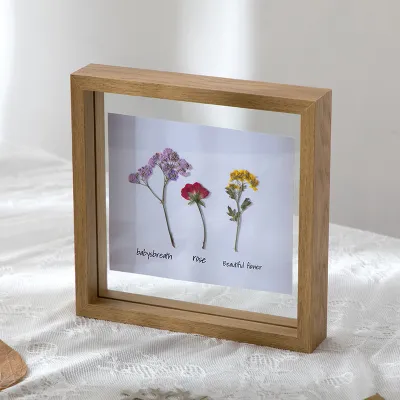
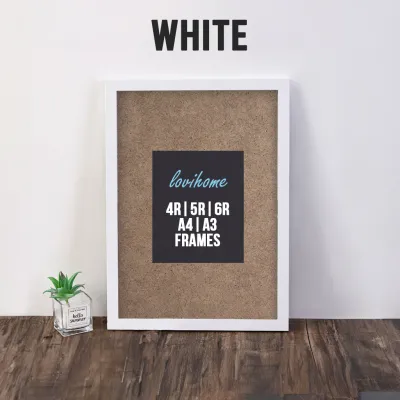
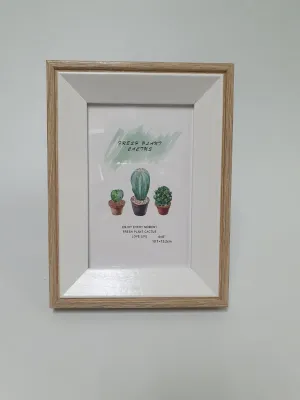
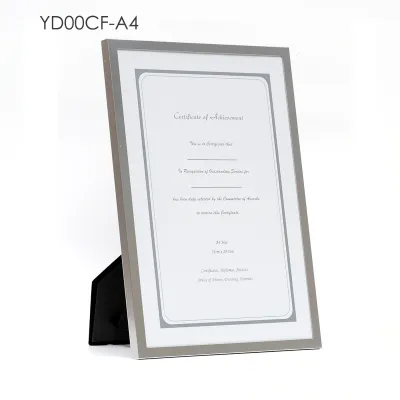

Prices are valid at publication and may change. Please refer to the product page for the latest price.
Glazing is another critical component that dictates both visual clarity and protection. Standard float glass is highly scratch-resistant and cost-effective, but it can be heavy and highly reflective under direct lighting. Anti-reflective glass uses specialized coatings to minimize glare, allowing the details of your artwork to remain visible from various angles. For larger frames, UV-filtering acrylic is often the preferred choice; it is lightweight, virtually shatterproof, and blocks harmful ultraviolet rays that cause photos to fade over time. When evaluating brands, check their product specifications to confirm the thickness and optical clarity of the glazing they provide.
Finally, examine the backing board and integrated hanging hardware. Premium frames utilize rigid, acid-free backing boards that prevent the artwork from bowing or yellowing. Look for rust-resistant metal turnbuttons or flexible tabs that secure the backing without damaging the frame. The hanging hardware should be heavy-duty and securely fastened to the frame itself. Look for D-rings screwed directly into the frame sides rather than flimsy sawtooth hangers pressed into the backing board, as D-rings distribute weight more evenly and offer a more secure connection to your wall hooks.
Matching Frame Profiles to Your Interior Design
Selecting the right wall photo frame requires balancing the visual proportions of the frame profile with your existing interior decor. The profile width and depth should complement, not overpower, the artwork or photo inside. Narrow, low-profile frames create a clean, contemporary look that works exceptionally well for minimalist spaces or dense gallery walls. Conversely, wide, deep-set profiles add a sense of drama and importance, making them suitable for standalone focal pieces.

Matting plays a crucial role in this visual balance. A high-quality mat board creates breathing room between the image and the frame, drawing the viewer’s eye inward. When browsing brands, look for those that offer acid-free, lignin-free mats with a white or color-consistent core. Cheap mats often feature a core that turns a distracting yellow or brown over time when exposed to light. The width of the mat should generally be proportional to the frame size, with larger frames accommodating wider mats to create a museum-like presentation.
Finish consistency is another hallmark of reputable framing brands. Whether you prefer a painted, stained, or natural wood grain finish, the color and texture should be uniform across all sides of the frame, with no visible gaps, runs, or thin patches. If you are purchasing online, review high-resolution product images closely or visit a physical showroom to inspect the finish under natural light.
Consider how different frame styles interact with your room’s lighting and architectural features. Minimalist metal frames with thin profiles reflect light subtly and pair well with modern, industrial, or Scandinavian interiors. Ornate wood frames with detailed carvings or metallic leaf finishes can add warmth and texture to traditional or transitional spaces. Always evaluate how the frame’s finish will look under both daytime natural light and evening artificial lighting to ensure it maintains its intended aesthetic throughout the day.
Adapting Frame Choices to Singapore's Climate and Logistics
Singapore’s tropical climate, characterized by high relative humidity and consistent warmth, presents unique challenges for preserving framed artwork and maintaining frame integrity. High humidity can cause wood to expand, contract, or warp if it is not properly treated. When evaluating wall photo frame brands, look for those that utilize moisture-resistant backings, such as sealed plastic fluted boards or treated MDF, rather than standard corrugated cardboard, which easily absorbs moisture from the air. Sealed wood edges and backing tape are also essential features that prevent humid air and mold spores from entering the frame cavity and damaging your photographs.
Logistics and shipping safety are equally important considerations, especially when ordering frames online. Fragile glazing and delicate frame corners are highly susceptible to damage during transit. Reputable brands invest in robust packaging standards, utilizing custom-fit foam corners, heavy-duty bubble wrap, and double-walled cardboard boxes to ensure your order arrives intact. Before purchasing from an online marketplace or e-commerce platform, review the seller’s shipping policies and customer feedback regarding packaging quality to minimize the risk of receiving shattered glass or dented frames.
You must also decide between ready-made frame collections and local custom framing services. Ready-made frames offer convenience, immediate availability, and lower upfront costs, making them excellent for standard photo sizes. However, they may lack the specialized moisture-barrier backing or custom sizing required for non-standard artwork. Local custom framing services in Singapore provide tailored solutions, allowing you to select specific archival materials, UV-protective glazing, and exact dimensions. While custom framing involves longer lead times and a higher financial investment, it offers superior protection and a perfect fit for valuable or uniquely sized pieces.
Building a Reliable Brand Shortlist
Creating a shortlist of reliable wall photo frame brands requires a systematic evaluation of material transparency, customer experiences, and post-purchase support. Start by cross-referencing the brand’s material claims with independent customer reviews. Look for specific feedback regarding how the frames hold up over time. Do customers report that the corner joints remain tight and stable, or do they complain about sagging backing boards and loose hardware? Pay close attention to reviews that mention the clarity of the glazing and whether the acrylic options scratch easily during routine cleaning.
A brand’s commitment to customer satisfaction is often reflected in its return and warranty policies. Because frames are fragile and prone to manufacturing defects, choose brands that offer clear damage-in-transit guarantees. A reliable brand should provide a straightforward process for reporting transit damage and obtaining a replacement or refund without charging additional shipping fees. Additionally, look for warranties that cover structural defects, such as splitting wood or failing joints, which may only become apparent after several months of use.
Transparency in material sourcing and product specifications is another key indicator of a trustworthy brand. Reputable manufacturers provide detailed sizing guides that clearly state the outer frame dimensions, the mat opening size, and the maximum artwork thickness the frame can accommodate. They should also be transparent about where their wood is sourced and whether their materials meet environmental standards. Responsive customer support channels, such as live chat, email, or a physical showroom presence in Singapore, further demonstrate a brand’s reliability and willingness to assist you with any pre-purchase questions or post-purchase issues.
Safe Installation and Wall Mounting Guidelines
Installing your wall photo frame securely requires matching the mounting hardware to your specific wall type and the total weight of the framed piece. In Singapore, residential walls are typically constructed of concrete, brick, or drywall. Concrete and brick walls require masonry anchors and a hammer drill to create a secure attachment point, while drywall installations require specialized toggle bolts or threaded anchors that expand behind the wall board to distribute the load. Avoid relying on standard nails or adhesive strips for heavy frames, as they can easily fail, leading to damaged artwork and potential safety hazards.
Before mounting, calculate the total weight of the frame, including the glazing, matting, and backing board. You can do this easily using a standard home scale. Once you have the weight, select hooks, anchors, or hanging wire with a load rating that exceeds the frame’s weight by at least fifty percent. This safety margin ensures that the hardware can withstand accidental bumps or vibrations without pulling loose from the wall.
For heavy, oversized, or high-placement installations, it is crucial to recognize when to seek professional assistance. If a frame weighs more than fifteen kilograms, or if you plan to hang a large gallery wall high above a staircase or sofa, consult a qualified professional installer. Professional handymen have the specialized tools, heavy-duty anchors, and experience necessary to ensure your frames remain securely anchored to the wall, protecting both your investment and your household.
Frequently Asked Questions (FAQ)
How do I clean acrylic or glass photo frame glazing without streaks?
To clean glass glazing without leaving streaks, spray a small amount of ammonia-free glass cleaner onto a clean, lint-free microfiber cloth rather than directly onto the glass. Wipe the surface gently in a circular motion, then buff it dry with a clean section of the cloth. For acrylic glazing, avoid glass cleaners entirely, as ammonia and alcohol can cause the acrylic to cloud or crack. Instead, use a specialized acrylic cleaner or a mild solution of dish soap and warm water applied with a damp microfiber cloth. Always avoid spraying liquids directly onto the frame, as moisture can seep under the edges of the glazing, leading to water damage, mold growth, and ruined artwork.
What should I check when a delivered photo frame arrives damaged?
When your photo frame is delivered, inspect the outer packaging immediately before opening it. Take clear photographs of any dents, punctures, or crushed corners on the shipping box, as this visual evidence is crucial for transit claims. Carefully unpack the frame and inspect the glazing, corners, and backing board for cracks, chips, or splits. If you discover any damage, document it with high-resolution close-up photos. Contact the retailer’s customer support team within twenty-four to forty-eight hours of delivery, providing your order number, the photos of the damaged packaging and product, and a brief description of the issue to initiate a prompt replacement or refund.

Community discussion
Share your experience or ask a question. Comments are reviewed before publication.