
Integrating a vintage wall lamp into your home decor brings a sense of history, warmth, and architectural character that modern, mass-produced fixtures often fail to replicate. In Singapore, where contemporary apartments and heritage shophouses alike benefit from curated lighting, finding the right vintage wall lamp requires balancing aesthetic authenticity with modern electrical safety. Evaluating brands in this niche involves looking past superficial “retro” labels to examine material quality, manufacturing heritage, and compliance with local electrical standards. By focusing on verifiable craftsmanship and structural integrity, you can select wall lamps that serve as both striking design statements and reliable, long-term investments for your living space.
Identifying Authentic Vintage Aesthetics and Craftsmanship
To successfully navigate the vintage lighting market, you must first understand the design languages of different historical eras. Mid-Century Modern fixtures, popular from the 1950s through the 1970s, are characterized by organic curves, clean geometric lines, and materials like teak wood, brushed brass, and molded glass. Industrial-style lamps, drawing inspiration from early 20th-century factories, feature raw metals, protective wire cages, heavy-duty joints, and functional mechanical details. Art Deco designs, originating in the 1920s and 1930s, emphasize bold symmetry, stepped profiles, polished chrome or brass, and frosted or ribbed glass shades. Recognizing these signature visual traits allows you to identify which era best complements your interior design scheme.
Material authenticity is the primary differentiator between a high-quality vintage reproduction and a cheap imitation. Authentic vintage wall lamps are typically constructed from substantial materials such as solid brass, aged copper, hand-blown glass, and ceramic. In contrast, low-end replicas often use thin steel alloys with electroplated finishes or even painted plastics that degrade quickly, especially in Singapore’s humid tropical climate. You can verify material authenticity through simple physical checks. Solid brass is non-magnetic and significantly heavier than plated steel; if a magnet strongly adheres to the lamp body, it is likely a plated ferrous metal rather than solid brass. Hand-blown glass shades often exhibit minor, natural variations such as tiny air bubbles or slight thickness differences, whereas machine-molded glass tends to have sharp, perfectly uniform seams.
Products mentioned in this guide
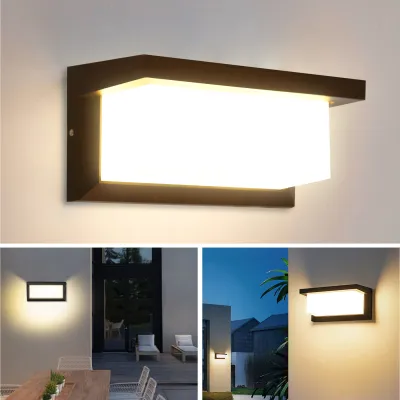
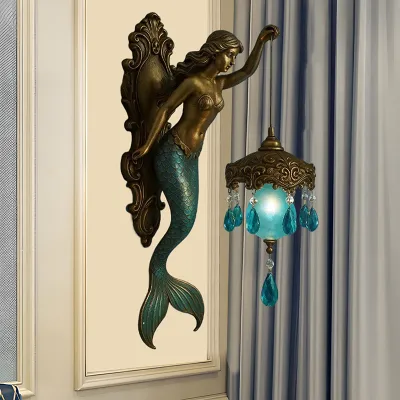
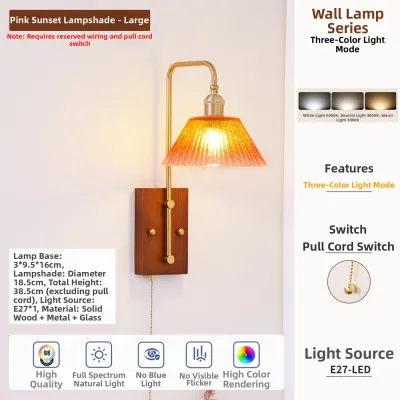
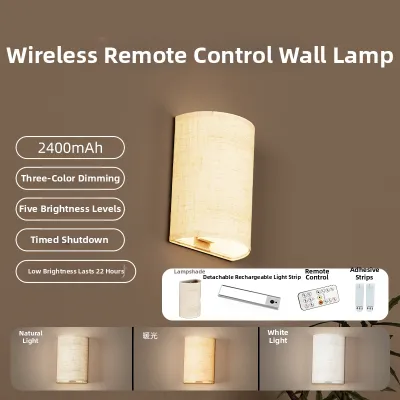
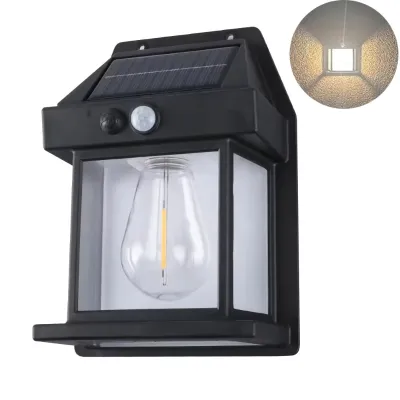
Prices are valid at publication and may change. Please refer to the product page for the latest price.
Beyond raw materials, the quality of craftsmanship determines the durability and safety of the fixture. High-quality vintage-style lamps feature weighted mounting plates that can securely support the weight of the lamp on various wall types, from concrete HDB walls to drywall partitions. Examine the joints and swivels of adjustable lamps; they should operate smoothly without grinding and lock tightly into place. Fabric-wrapped electrical cords are another hallmark of quality vintage styling, providing an authentic look while offering an extra layer of physical protection over the internal insulated wires. Seamless solder joints, neatly finished edges, and robust turn-knob switches integrated into the socket are clear indicators of a brand that prioritizes traditional manufacturing techniques over rapid mass production.
How to Evaluate Vintage Wall Lamp Brands for Reliability
When assessing vintage wall lamp brands, start by researching their design heritage and manufacturing philosophy. Reputable brands often specialize in period-accurate reproductions, utilizing historical archives, original blueprints, or traditional sand-casting molds to recreate classic designs. Some brands focus on sourcing and restoring original vintage fixtures, which involves rewiring them to meet modern safety standards while preserving their original patina. A brand that is transparent about its sourcing methods—whether they manufacture in-house using heritage techniques or partner with specialized artisanal workshops—is far more reliable than one that uses vague marketing terms like “vintage-inspired” without detailing their production processes.

A reliable brand must also provide robust customer support and practical warranties, particularly because vintage-style fixtures often feature unique or delicate components. Check the brand’s warranty terms to see if they cover finish degradation, mechanical joint failure, or electrical components under normal residential use. Furthermore, inquire about the availability of replacement parts. Glass shades are inherently fragile, and finding a replacement that fits a specific vintage collar can be incredibly difficult if the brand does not stock them. Ensure the brand uses standard, widely available socket sizes, such as E27 or E14, which allows you to easily source replacement bulbs locally in Singapore without needing specialized adapters.
Transparency in material disclosures is another critical factor. High-quality brands will explicitly state the exact composition of their products, detailing whether a finish is “solid brass,” “lacquered brass,” or “antique brass finish on steel.” They should also provide clear specifications regarding maximum wattage limits, dimming compatibility, and IP (Ingress Protection) ratings if the lamp is intended for use in damp areas like bathrooms or covered balconies. Avoid brands that omit these technical details or rely solely on stylized lifestyle photography to sell their products, as these omissions often mask lower-grade materials or non-standard electrical components.
Where to Source Reliable Vintage Lighting in Singapore
Sourcing vintage wall lamps in Singapore requires a strategic approach to ensure you receive authentic products backed by reliable customer service. Visiting specialized lighting showrooms and heritage interior design boutiques in design-centric districts like Jalan Besar, Outram, or Geylang is highly recommended. These physical spaces allow you to conduct a hands-on quality inspection, assessing the weight of the fixtures, the smoothness of the metal finishes, and the overall sturdiness of the construction. Showroom consultants can also provide valuable expert advice on spatial scaling, helping you choose a lamp size that harmonizes with your wall dimensions and ceiling height.
For a wider selection, utilizing official brand websites and authorized local distributors is the safest way to guarantee product authenticity and secure valid warranties. Authorized distributors in Singapore ensure that the imported fixtures are configured correctly for the local market, including appropriate voltage compatibility and safety compliance. Purchasing directly from these official channels also gives you access to dedicated after-sales support, making it much easier to resolve any installation challenges or source replacement parts if needed.
While general e-commerce platforms and online marketplaces offer convenience and a vast array of choices, they must be approached with caution. Many unverified sellers on these platforms list low-cost replicas that mimic the appearance of premium vintage brands but lack the material quality and safety standards required for long-term use. If you choose to shop online, prioritize official brand flagship stores or highly rated sellers who specialize exclusively in lighting. Carefully verify seller credentials, read customer reviews detailing the physical build quality, and closely examine the product specifications to ensure you are not purchasing a substandard imitation.
Electrical Safety and Installation Checks for Singapore Homes
Before purchasing any vintage wall lamp, you must verify its electrical compatibility with Singapore’s domestic power grid. Singapore operates on a standard voltage of 230V AC at a frequency of 50Hz. Many authentic vintage lamps sourced from North America are designed for 110V systems and may feature different socket configurations or wiring insulation. Connecting a 110V fixture directly to a 230V supply without a step-down transformer is an electrical hazard that can damage the fixture or cause a fire. Always ensure the brand specifies that the lamp is rated for 220V-240V operation and uses standard local lamp bases like E27 or E14.
Safety certifications are non-negotiable for electrical fixtures installed in Singapore residences. Under the Consumer Protection (Safety Requirements) Registration Scheme administered by Enterprise Singapore, certain electrical accessories and fixtures are controlled goods that must carry the SAFETY Mark. While decorative wall lamps themselves may not always require an individual SAFETY Mark if they are sold as basic luminaires, the internal components—such as the lampholders, flexible cords, and plugs—should ideally use certified parts. Look for recognized international safety certifications such as CE, RoHS, or UL, and verify with the retailer that the fixture meets local safety guidelines before proceeding with the purchase.
Proper installation is crucial for both safety and performance. Determine whether the vintage wall lamp is designed for hardwiring directly into your wall’s electrical circuit or if it features a plug-in cord. Hardwired installations offer a clean, seamless look but require careful planning, especially when mounting heavy solid-brass fixtures on concrete walls. Always isolate the power supply at the main distribution board (DB box) before attempting any electrical work. For fixed wiring, installations in damp areas like bathrooms, or working at heights, it is highly recommended to hire a licensed electrical worker (LEW) or a qualified professional. While hiring a licensed electrical worker in Singapore typically costs around S$80 to S$150 per fixture depending on the complexity, it ensures the installation complies with local regulations, the mounting brackets are securely anchored, and the fixture is safely grounded.
Frequently Asked Questions (FAQ)
How do I clean and maintain aged brass or copper finishes?
Maintaining the beauty of vintage metal finishes depends on whether the fixture has a living finish or a lacquered finish. Living finishes are unsealed metals that naturally oxidize and develop a unique patina over time when exposed to air and humidity. To maintain a living finish, simply dust the lamp regularly with a soft, dry microfiber cloth. If the metal has a protective lacquer coating, it will resist tarnishing but still requires gentle care. Avoid using harsh chemical polishes, abrasive cleaners, or acidic solutions like vinegar, as these can strip away the protective lacquer or unevenly alter the natural patina. For stubborn dirt, use a slightly damp cloth with a highly diluted, mild dish soap solution, and dry the surface immediately with a clean towel.
Can I use smart bulbs in vintage wall lamps?
Yes, you can integrate modern smart bulbs into vintage wall lamps, provided you verify the socket type and physical dimensions. Most vintage-style fixtures use standard E27 or E14 screw bases, which are widely supported by major smart lighting brands. However, you must measure the internal clearance of the lamp’s glass shade, cage, or globe, as some smart bulbs have bulkier plastic bases or larger profiles than traditional incandescent bulbs. To preserve the authentic vintage aesthetic, avoid smart bulbs with prominent white plastic housings that clash with the classic design. Instead, opt for smart LED filament bulbs, which feature visible, glowing filaments that mimic the warm, nostalgic glow of antique Edison bulbs while offering full smart connectivity and dimming capabilities.

Community discussion
Share your experience or ask a question. Comments are reviewed before publication.