
Flickering LED strips can turn a beautifully designed space into an uncomfortable environment. When your 12V LED strips flicker while connected to a 12V transformer and a dimmer, the issue typically stems from a mismatch in dimming protocols, an overloaded or underloaded power supply, or unstable physical wiring. Because low-voltage LED systems rely on precise electrical regulation, even minor discrepancies in voltage or control signals can manifest as visible strobing or erratic blinking.
To resolve this issue, you must systematically diagnose the setup. This involves identifying the specific flickering pattern, verifying the compatibility of your dimmer and transformer, calculating the total power load, and inspecting the physical connections. By following a structured troubleshooting process, you can isolate the root cause and restore smooth, reliable dimming to your lighting installation.
Identify the Flickering Pattern
Before changing any components, observe the exact behavior of the flickering lights. The timing, frequency, and location of the flicker provide critical clues about where the electrical breakdown is occurring.
Products mentioned in this guide
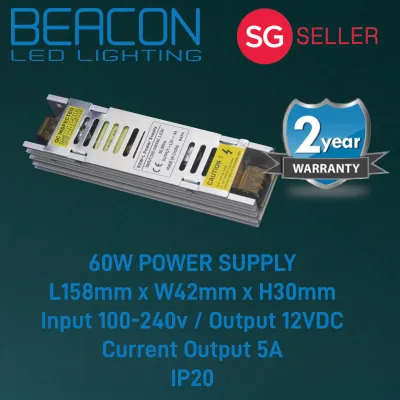
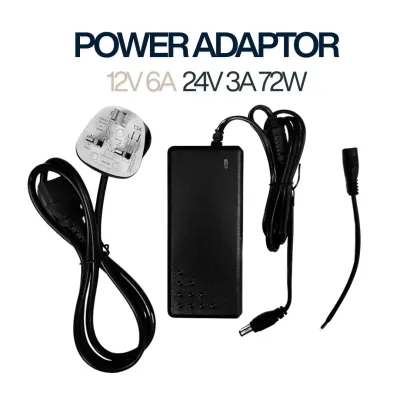
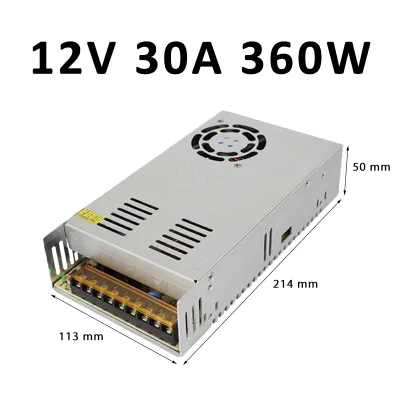
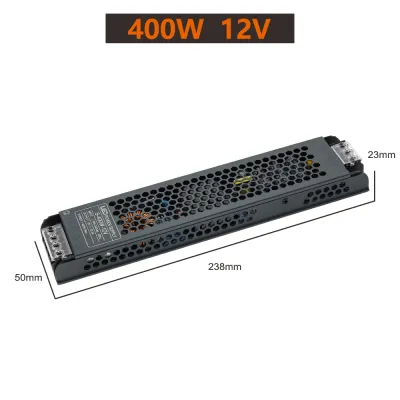
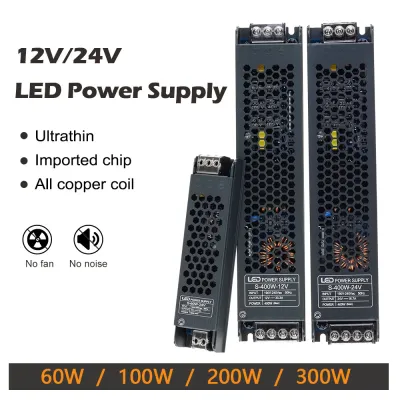
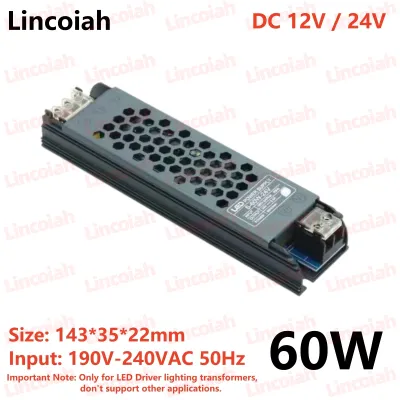
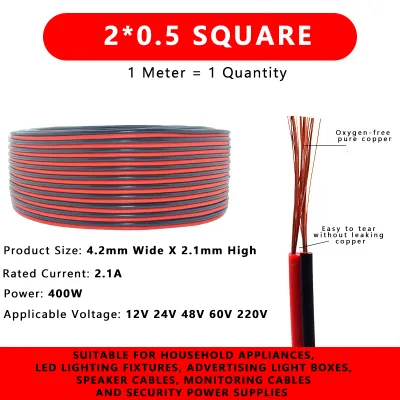
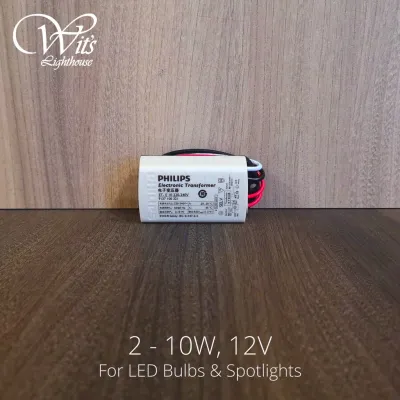
Prices are valid at publication and may change. Please refer to the product page for the latest price.
A rapid, constant strobe that begins the moment you turn on the switch usually points to a fundamental incompatibility between the transformer and the dimmer, or a severely overloaded power supply. In this scenario, the transformer’s internal protection circuitry may be rapidly cycling on and off to prevent damage.
If the flickering only occurs when you adjust the dimmer switch—particularly at very low or very high brightness levels—the issue is likely related to the dimming protocol or a minimum load requirement. This pattern suggests that the dimmer is struggling to send a stable control signal to the transformer at the extremes of its range.
Take note of whether the entire length of the LED strip is flickering or if the issue is isolated to a specific section. If only the far end of a long strip is flickering or dimming, you are likely dealing with a voltage drop along the run. If the entire strip behaves erratically, the root cause lies further upstream at the dimmer, transformer, or main connection.
Listen closely to the 12V LED transformer during operation. A buzzing, humming, or whistling sound coming from the unit is a clear indicator of electrical stress. If the transformer also feels excessively hot to the touch, it is likely struggling under an incompatible load or is failing internally, requiring immediate attention.
Check Dimmer and Transformer Compatibility
The relationship between a dimmer switch and a 12V LED transformer is highly sensitive. To function without flickering, both components must be designed to support the same dimming method.

Check the product labels and technical specifications of both devices to identify their dimming protocols. Common dimming methods include TRIAC (phase-cut) dimming, 0-10V dimming, and Pulse Width Modulation (PWM). A TRIAC dimmer, which is common in residential wall switches, requires a specific TRIAC-dimmable 12V transformer to translate the chopped AC voltage into a clean, dimmable DC output. Pairing a non-dimmable transformer with a phase-cut wall dimmer will cause the transformer to struggle to regulate its output, resulting in severe flickering.
Standard incandescent dimmers are designed for high-wattage resistive loads and are generally incompatible with low-voltage LED systems. These older dimmers often have a high minimum wattage threshold, sometimes requiring 40W to 60W of load to operate smoothly. Because energy-efficient LED strips draw very little power, they fail to meet this minimum threshold, causing the dimmer to cycle on and off rapidly.
To resolve compatibility issues, cross-reference the minimum and maximum load requirements of your dimmer switch with the specifications of your transformer. Ensure the transformer is explicitly labeled as “dimmable” and matches the control signal of your dimmer. If using a smart home system or a specialized LED controller, verify that the PWM frequency of the controller does not conflict with the refresh rate of the LED strips.
Verify Power Load and Transformer Capacity
An overloaded or underloaded 12V LED transformer is a frequent culprit behind unstable lighting. To determine if your power supply is sized correctly, you must calculate the total wattage of your connected LED strips.
Find the manufacturer’s specification for the wattage per meter of your specific LED strip. Multiply this value by the total length of the strip connected to the transformer. For example, if your strip consumes 9.6W per meter and you have installed a 5-meter run, your total load is 48W.
Apply the standard 80% derating rule to ensure safe and stable operation. This rule dictates that a transformer should never be loaded beyond 80% of its maximum rated capacity for continuous use. If you have a 60W transformer, its safe continuous operating limit is 48W. Connecting a 48W load to a 60W transformer is ideal, but adding any more strip length would risk overloading the unit.
Look for signs of power overload during operation. Overload-induced flickering often starts or worsens after the lights have been on for several minutes, as heat builds up inside the transformer and triggers its internal thermal protection. Alternatively, the strips may flash briefly and then shut down entirely when first switched on, indicating that the initial inrush current has tripped the transformer’s over-current protection.
Inspect Wiring and Physical Connections
Even with perfectly matched components, physical connection issues can disrupt the steady flow of low-voltage DC power. Start your physical inspection by isolating the power supply at the main circuit breaker to ensure safety.
Examine all terminal blocks, quick-connect clips, and solder joints along the entire run. Loose wires inside screw terminals or poorly aligned pins in solderless connectors can create high-resistance points. These points cause intermittent contact, leading to rapid flickering that can be triggered by minor vibrations in the room.
Evaluate the wire gauge used for the low-voltage run between the 12V transformer and the LED strips. Because 12V systems operate at a low voltage, they are highly susceptible to voltage drop over distance. If the wire gauge is too thin for the length of the run, the voltage will drop significantly before reaching the LEDs, causing the end of the strip to flicker, dim, or change color.
To mitigate voltage drop on long runs, use thicker gauge wire (such as 14 AWG or 12 AWG) for the run from the transformer to the strip. For very long installations, consider feeding power to both ends of the LED strip in a parallel configuration, or split the installation into multiple shorter runs, each powered by its own dedicated 12V transformer.
When to Stop and Call a Professional
While many LED troubleshooting steps are straightforward, working with electrical systems carries inherent risks. You must recognize the boundaries of safe DIY intervention to protect your home and family.
Stop troubleshooting immediately if you detect a burning smell, see smoke, or notice visible scorch marks or melting on the transformer casing, dimmer switch, or wire insulation. These are critical signs of electrical arcing or severe overheating, which present an immediate fire hazard.
Do not attempt to modify the mains voltage (230V) wiring feeding into your transformer, nor should you attempt to replace built-in wall dimmers unless you possess the proper electrical qualifications and tools. In Singapore, fixed electrical wiring work must be carried out by a licensed electrical worker to ensure compliance with safety standards.
Consult a licensed local electrician if your home’s circuit breaker trips repeatedly when you turn on the LED lights, or if the flickering persists after you have verified component compatibility and replaced suspected parts. A professional can use specialized diagnostic tools to check for hidden short circuits, ground faults, or wider issues within your home’s electrical distribution board.
Frequently Asked Questions (FAQ)
Can I use a standard wall dimmer with a 12V LED transformer?
In most cases, you cannot use a standard traditional wall dimmer with a 12V LED transformer unless both are specifically designed to be compatible. Standard wall dimmers typically use leading-edge (TRIAC) phase-cutting technology designed for high-wattage incandescent bulbs. These dimmers often cause low-voltage LED transformers to buzz, overheat, and flicker violently because the minimum power draw of the LED system is too low.
To dim a 12V LED strip successfully from a wall switch, you must use a trailing-edge (electronic low voltage, or ELV) dimmer paired with a compatible dimmable 12V LED transformer. Alternatively, you can use a non-dimmable transformer and install a low-voltage PWM dimmer on the 12V DC side between the transformer and the LED strip.
Why do my LED strips flicker only at low dimming levels?
Flickering at low dimming levels is usually caused by the total power draw falling below the minimum load threshold of the dimmer switch. Many dimmer switches require a minimum load (often 10W to 15W even for LED-rated dimmers) to maintain a stable control signal. When you dim the LED strips down, the power consumption drops, causing the dimmer’s internal switching mechanism to become unstable and cycle rapidly.
To resolve this low-end flickering, check if your dimmer switch features an adjustable low-end trim dial. This physical dial or digital setting allows you to set the minimum dimming limit just above the point where flickering begins. If your dimmer lacks this feature, you may need to upgrade to a high-quality dimmer designed specifically for low-wattage LED loads, or add a dummy load resistor to the circuit to keep the total draw above the minimum threshold.

Community discussion
Share your experience or ask a question. Comments are reviewed before publication.