
Displaying a sacred image in your home is a deeply personal decision that bridges spiritual devotion with interior design. To frame a jesus wall photo in a way that honors its significance while enhancing your living space, you must choose a frame that acts as a respectful, supportive border rather than a visual distraction. The ideal framing solution depends on the artistic style of your print: traditional oil-painting reproductions thrive in rich, warm wood or vintage gold frames, whereas modern graphic prints or black-and-white photography are best complemented by slim, minimalist metal profiles.
By carefully evaluating the artwork’s medium, the room’s architectural style, and the structural requirements of your walls, you can create a beautiful focal point that inspires daily reflection. This guide will help you navigate the best frame styles, material considerations, and safe installation practices to ensure your sacred art is displayed beautifully and securely.
Core Principles for Framing Spiritual Art
The primary goal when framing religious or spiritual art is to elevate the artwork without overpowering its message or emotional tone. A frame should never compete with the image for attention; instead, it should serve as a graceful transition zone between the sacred depiction and the physical room. When a frame is too loud, overly ornate, or mismatched, it can disrupt the sense of peace and contemplation that the image is intended to bring into your home.
Products mentioned in this guide






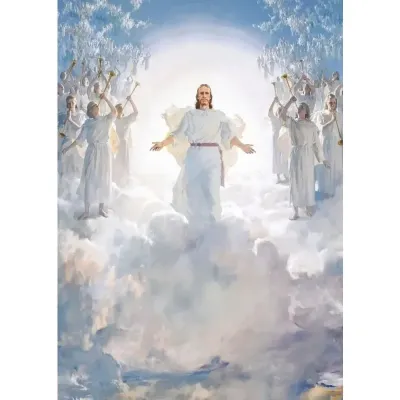
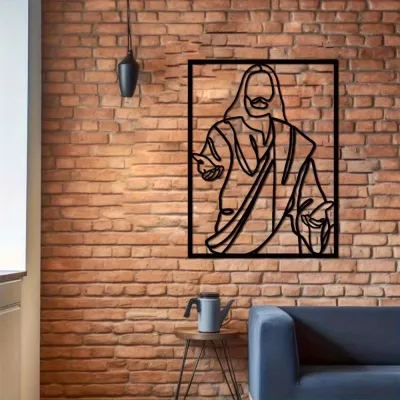
Prices are valid at publication and may change. Please refer to the product page for the latest price.
Achieving a balance between personal reverence and interior design requires thoughtful planning. Your home is a place of daily life, and the frame helps integrate spiritual imagery naturally into your living spaces. Rather than treating the artwork as an isolated relic, a well-chosen frame allows the piece to converse harmoniously with your furniture, wall colors, and lighting. The frame should feel like a natural extension of both the art and the room itself.
Before selecting a frame style, take time to analyze the specific mood and artistic style of your jesus wall photo. A serene, soft-toned portrait of Christ requires a gentle, warm border to preserve its quiet energy. Conversely, a bold, high-contrast modern graphic or a dramatic classical painting benefits from a frame with more structure and presence. Matching the frame’s visual weight to the artwork’s emotional tone ensures a cohesive and respectful presentation.
To maintain the solemnity and dignity of the subject matter, it is generally best to avoid overly trendy, flashy, or novelty frames. Bright neon colors, cheap plastic finishes, or highly reflective glossy surfaces can cheapen the appearance of the print and detract from its spiritual value. Opting for classic materials and muted, natural finishes ensures that the focus remains entirely on the sacred image, preserving its beauty for years to come.
Recommended Frame Styles for a Jesus Wall Photo
Your choice of frame style should bridge the gap between the artistic medium of the photo and the existing decor of your home. Different styles evoke distinct feelings and suit specific interior environments.

Classic and Traditional Wood
Solid wood frames with clean, moderate profiles offer a timeless appeal that suits traditional, transitional, and classic family homes. The organic texture of real wood adds a layer of quiet dignity and warmth to religious art, making the space feel welcoming and grounded. These frames do not chase passing trends, ensuring your display remains elegant and relevant for decades.
Dark wood stains, such as rich walnut, deep mahogany, or warm cherry, are particularly effective for traditional depictions of Christ. These deep tones echo the classic framing styles found in historical galleries and churches, adding a sense of permanence and reverence. The dark border also helps draw the eye inward, naturally highlighting the colors and details within the artwork.
This classic style is highly versatile, bridging the gap between sacred art and everyday family spaces. Whether placed in a busy living room, a quiet hallway, or above a family dining table, a traditional wood frame coordinates effortlessly with existing wooden furniture, creating a cohesive and harmonious home environment.
Ornate and Vintage-Inspired
Ornate frames featuring carved details, elegant bevels, and distressed gold or silver leaf finishes bring a sense of history, grandeur, and architectural beauty to a space. These frames are reminiscent of classical European art galleries, making them ideal for traditional, formal, or maximalist home interiors where art is meant to be celebrated with grandeur.
This style is best suited for larger, highly detailed, or classical oil painting reproductions of Jesus. The intricate patterns of an ornate frame complement the complex brushwork and dramatic lighting of classical art, turning the entire display into a stunning focal point. In this scenario, the frame itself acts as a beautiful architectural element on your wall.
However, caution is necessary when dealing with smaller prints or minimalist designs. A heavily ornate, deep-profile frame will easily swallow a small or simple print, making the artwork feel cramped and visually overwhelmed. Reserve these elaborate frames for substantial pieces that have the visual presence to balance the frame’s intricate details.
Minimalist Metal
For contemporary, modern, or industrial living spaces, minimalist metal frames offer a sleek and unobtrusive solution. Featuring incredibly thin profiles, these frames provide structural strength without adding visual bulk, ensuring that the focus of the display remains entirely on the sacred image itself.
Thin, unadorned metal profiles in matte black, brushed nickel, or slim satin brass are exceptionally well-suited for modern, abstract, or black-and-white photography of spiritual subjects. The clean lines of the metal frame complement the structured, uncluttered aesthetic of modern architecture, allowing the artwork to breathe.
By minimizing the border’s visual footprint, a minimalist metal frame allows the colors, contrast, and composition of your jesus wall photo to take absolute center stage. This style is perfect for homeowners who prefer a clean, gallery-like presentation where the art speaks entirely for itself.
Rustic and Reclaimed Wood
Rustic and reclaimed wood frames are characterized by their rich textures, visible grain, weathering, and natural imperfections. This style brings a deeply grounded, organic, and humble feel to the artwork, emphasizing simplicity, warmth, and authenticity.
This textured style pairs beautifully with earthy, pastoral, or nature-integrated depictions of Jesus, such as illustrations of the Good Shepherd or serene outdoor scenes. The raw, unfinished quality of the wood mirrors the natural elements within the print, creating a seamless connection between the subject matter and the frame.
Rustic frames are ideal for creating a welcoming, approachable, and deeply personal atmosphere. They are a perfect addition to cozy prayer corners, family altars, farmhouse-style living areas, or bohemian spaces where comfort and personal connection are prioritized over formal design rules.
Choosing the Right Material, Color, and Finish
Once you have selected a general style, you must decide on the specific material, color, and finish of the frame. These technical choices affect not only the look of the display but also its longevity and safety.
Material Durability and Weight
When selecting a frame material, it is important to balance durability, weight, and the climate of your home.
- Solid Wood: This is the premium choice, offering unmatched natural beauty, strength, and longevity. However, solid wood frames are heavy, especially in larger sizes, and require robust wall mounting. In humid tropical environments like Singapore, ensure the wood is properly sealed to prevent warping.
- Metal: Aluminum and steel frames are incredibly rigid, lightweight, and completely impervious to humidity and temperature fluctuations. They are excellent for large-format prints where keeping weight to a minimum is a priority.
- MDF and Composites: Medium-density fiberboard (MDF) and engineered composite frames are budget-friendly, lightweight, and available in a wide variety of finishes. While convenient, they are susceptible to swelling and damage if exposed to high humidity over long periods, so they should be kept in well-ventilated, air-conditioned rooms.
Color Psychology in Spiritual Decor
The color of your frame set against your wall paint can dramatically alter the mood of the room and how the artwork is perceived.
- Gold and Brass: These metallic tones evoke a sense of the heavenly, traditional reverence, and timeless beauty. They add warmth and a subtle glow to classic oil paintings and historical art.
- Matte Black: Black provides a strong, high-contrast border that grounds the image. It feels modern, authoritative, and structured, making it excellent for high-contrast photography or graphic prints.
- Natural Wood: Light oak, maple, or pine frames bring warmth, organic peace, and an approachable feel. They suit casual, bright, and family-oriented spaces, promoting a sense of calm.
- White and Cream: These light tones offer a sense of purity, simplicity, and airiness. They are ideal for small prayer niches, minimalist gallery walls, or rooms with limited natural light, helping the display feel light and integrated.
Finish Types
We strongly recommend selecting matte or satin finishes over high-gloss lacquers for spiritual art. High-gloss frames feature reflective surfaces that catch room lights and sunlight, creating distracting glare. This glare can obscure the details of the photo and disrupt the quiet, reflective mood of the space. Matte and satin finishes, on the other hand, absorb light gracefully, keeping the viewer’s focus entirely on the artwork and maintaining a peaceful, solemn atmosphere.
Sizing, Matting, and Safe Wall Installation
Proper presentation and secure installation are essential to ensure your framed artwork looks professional and remains safe on your wall.
Proportions and Sizing
To make a meaningful impact, your framed photo must be scaled correctly to the wall space it occupies. If the jesus wall photo is intended as the primary focal point of a living room or altar space, it should be large enough to command attention without overwhelming the wall. As a general design rule, a single hanging artwork should occupy approximately 60% to 75% of the available active wall width. If the frame is too small, it will look lost; if it is too large, the space will feel cramped and cluttered.
The Role of Matting
Using a wide, acid-free mat board—the cardboard border that sits between the artwork and the frame—is one of the most effective ways to elevate your display. A mat board provides essential “visual breathing room,” separating the sacred image from the frame and giving it a professional, gallery-like appearance.
More importantly, a mat board serves a protective function. It creates a small gap of air between the print and the cover glass. In humid climates, if a print is pressed directly against the glass, moisture can become trapped, causing the photo to stick to the glass, warp, or develop mold over time. Always choose acid-free mats to prevent the paper from yellowing or deteriorating.
Placement and Height
For a natural and comfortable viewing experience, hang the center of the frame at average eye level, which is approximately 145 cm to 150 cm from the floor. If you are placing the framed photo above a home altar, a console table, or a piano, position the bottom of the frame about 15 cm to 20 cm above the top of the furniture. This spacing ensures that the furniture and the artwork feel like a single, cohesive visual unit rather than two disconnected elements.
Safe Wall Installation
Because homes feature different wall construction materials, you must adapt your installation method to ensure the frame is mounted securely.
- Identify Your Wall Type: Many modern homes, particularly HDB flats and condominiums in Singapore, feature solid concrete, structural brick, or precast wall panels. Other areas may use hollow drywall partition walls.
- Concrete and Brick Walls: Hanging a heavy frame on concrete requires a hammer drill and a masonry drill bit (typically 6mm). Drill a clean hole, insert a matching plastic wall plug (wall anchor), and drive a steel screw into the plug, leaving the head slightly protruding to hold the frame hanger.
- Drywall Partition Walls: For hollow walls, standard nails will not hold heavy frames. Use specialized threaded drywall anchors or heavy-duty toggle bolts that expand behind the drywall to distribute the weight safely.
- Safety Warning: Before drilling or hammering into any wall, always use a reliable stud finder or electronic utility detector to check for hidden electrical wiring or water pipes. If you are working at height, handling exceptionally heavy frames, or feel unsure about drilling, always consult a qualified professional installer.
- Weight Distribution: For wider or heavier frames, avoid relying on a single hanging point. Instead, use two separate D-rings installed on the back of the frame, balanced on two wall hooks. This distributes the weight evenly, prevents the frame from tilting over time, and ensures it remains perfectly level and secure.
Frequently Asked Questions (FAQ)
Is it better to use glass or acrylic for the frame cover?
Standard glass is highly scratch-resistant, easy to clean with basic glass cleaner, and offers excellent clarity. However, glass is heavy and brittle, making it less ideal for exceptionally large frames or high-traffic areas where it could be knocked down and shatter.
Acrylic (often referred to as plexiglass) is virtually shatterproof and incredibly lightweight, making it a safer option for large frames, children’s bedrooms, or busy hallways. However, acrylic scratches easily and can attract dust due to static electricity. For rooms that receive a lot of direct sunlight, we highly recommend choosing UV-filtering glass or non-glare museum acrylic to protect your jesus wall photo from fading and to eliminate distracting reflections.
Should the frame match the room's furniture or the artwork's colors?
Your primary goal should always be to choose a frame that complements the tones, style, and mood of the artwork first. If the frame does not suit the art, the entire display will look disjointed, regardless of how well it matches your furniture. The frame’s job is to serve the art.
If your room has a very distinct color palette or dominant wood tones, you can easily bridge the design gap by selecting a neutral frame. Natural oak, matte black, or warm white frames act as excellent neutral coordinators. These choices allow the frame to harmonize with your existing furniture and wall colors while still keeping the focus squarely on the beauty of the sacred image.

Community discussion
Share your experience or ask a question. Comments are reviewed before publication.