
Finding reliable indoor wall lamps in Singapore requires navigating a dense market of local showrooms, international design brands, and unbranded online imports. Because wall lights are often hardwired directly into your home’s electrical grid, choosing a reliable brand is not just a matter of aesthetic preference; it is a critical decision affecting electrical safety, structural compatibility, and long-term durability. In Singapore’s unique tropical climate, high relative humidity can accelerate the degradation of internal electronic components and metallic finishes, making brand evaluation even more vital. To make an informed investment, homeowners must look beyond superficial designs and evaluate fixtures based on rigorous technical standards, material quality, and local support.
Key Criteria for Evaluating Wall Lamp Brand Reliability
When assessing the reliability of a lighting manufacturer, the warranty structure serves as a primary indicator of product confidence. A trustworthy brand does not simply offer a blanket warranty; it clearly distinguishes between the structural housing, the decorative finish, and the internal electronic components. For integrated LED wall lamps, the driver—the component that regulates power to the LED chips—is typically the first point of failure. Reliable brands often provide separate, extended warranty terms specifically for the LED driver and light engine, reflecting their durability under continuous operation. Conversely, vague warranty terms that exclude electronic components or cover only cosmetic defects should be approached with caution.
Another critical factor is the long-term availability of replacement parts. Many modern wall lamps feature integrated LED modules designed for sleek, low-profile aesthetics. However, if an integrated light source fails after the warranty period, a lack of proprietary replacement parts can force you to replace the entire fixture, leaving you with mismatched wall lights or an unexpected renovation expense. Reliable brands mitigate this risk by using standardized, modular components or by maintaining a dedicated inventory of replacement drivers and LED boards. Alternatively, choosing brands that design fixtures around standard bulb sockets, such as E27, G9, or GU10, ensures that you can easily source replacement bulbs from various manufacturers without relying on a single brand’s supply chain.
Products mentioned in this guide
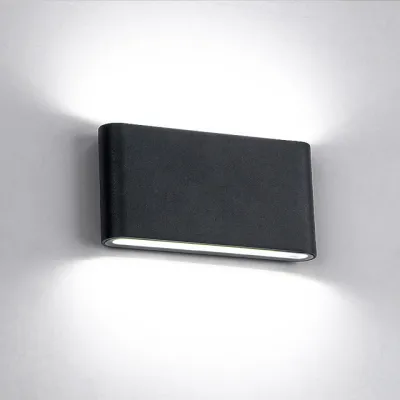
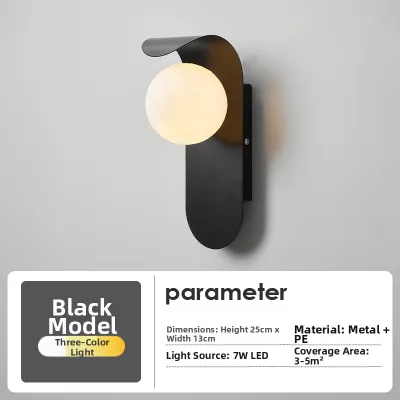
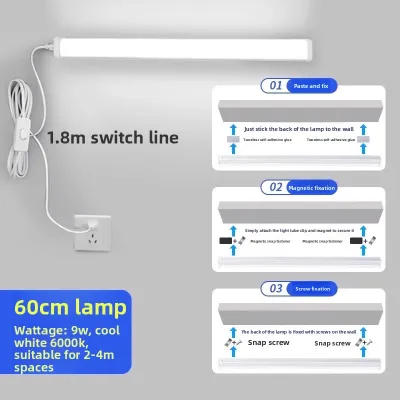
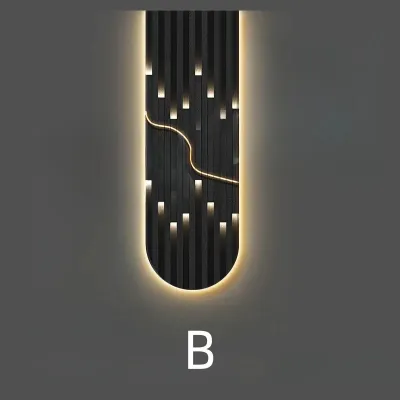
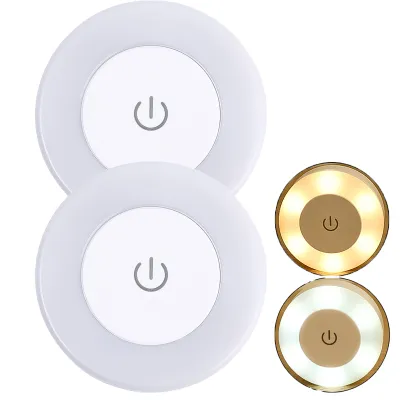
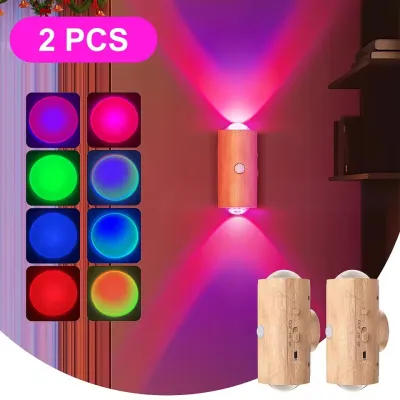
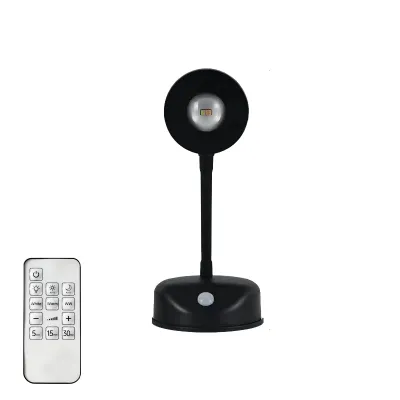
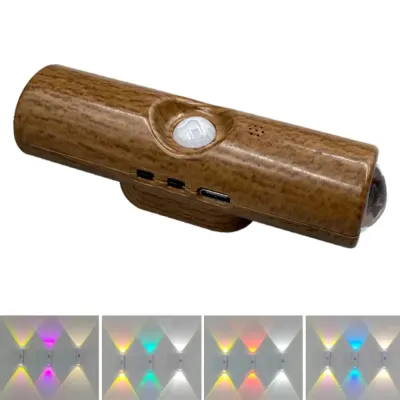
Prices are valid at publication and may change. Please refer to the product page for the latest price.
Material transparency is equally telling of a brand’s commitment to quality. Singapore’s humid environment can cause low-grade metals to oxidize, pit, or rust within a few years. Reliable brands are transparent about their material compositions, opting for corrosion-resistant materials such as solid brass, high-grade stainless steel, or die-cast aluminum with durable powder-coated or electroplated finishes. They also provide clear specifications regarding the expected lifespan of their LED chips (often measured in L70 hours, indicating how long the light source will maintain at least 70% of its initial output) and the thermal management systems used to dissipate heat away from the sensitive electronics.
Essential Technical and Safety Specifications to Verify
Before purchasing any indoor wall lamp, verifying its electrical and physical compatibility with Singapore’s residential infrastructure is paramount. Singapore operates on a standard single-phase voltage of 230V AC at a frequency of 50Hz. Lighting fixtures imported directly from regions with different electrical standards, such as North America (which uses 120V), may not function correctly or could pose severe fire hazards unless they are rated for universal voltage (100V–240V) or specifically configured for 230V. Always check the product label or technical datasheet to confirm the voltage rating before installation.

Electrical safety certification is another non-negotiable requirement. While decorative lighting fixtures that do not incorporate built-in drivers or step-down transformers are sometimes classified differently, any integrated LED driver or electronic ballast must comply with local safety regulations. In Singapore, look for products that carry the Enterprise Singapore Safety Mark, which indicates that the electrical components have been tested and certified safe for local use. For international brands, look for equivalent recognized certifications such as the CB Scheme certificate, CE marking, or RoHS compliance, which restrict the use of hazardous substances in electrical equipment.
The physical installation method also dictates the suitability of a wall lamp. Hardwired fixtures connect directly to internal wall conduits, providing a seamless, cord-free appearance. However, this requires pre-existing wiring points or professional chasing of walls to run new cables. If you are installing fixtures on solid concrete walls common in HDB flats, drilling and routing conduits requires specialized tools and structural care. For hollow drywall partitions often found in newer condominiums or partitioned rooms, you must ensure the wall can support the weight of the fixture, particularly for heavy brass or glass designs. Plug-in wall lamps offer a flexible alternative, utilizing an external cord that plugs into a standard wall outlet. While easier to install, they require careful cord management to maintain a tidy aesthetic and prevent tripping hazards.
Lastly, consider the Ingress Protection (IP) rating of the fixture based on its intended location. While a standard IP20 rating is perfectly adequate for dry areas like living rooms, bedrooms, and corridors, it is insufficient for spaces exposed to moisture. If you plan to install wall lamps in an en-suite bathroom, near a vanity sink, or on a covered indoor balcony where high humidity or occasional splashing occurs, opt for fixtures with at least an IP44 rating. This ensures the internal electrical connections are protected against water splashes from any direction, preventing short circuits and premature component failure.
Sourcing Authentic Wall Lamps and Avoiding Substandard Products
To ensure you are purchasing genuine, high-quality fixtures, select your sourcing channels carefully. The safest approach is to visit authorized lighting showrooms in established retail districts or purchase directly from official brand flagship stores. These physical venues allow you to inspect the build quality firsthand, feel the weight of the materials, and observe the light output and color rendering in person. Furthermore, established local retailers are bound by consumer protection laws and are more likely to provide reliable after-sales support and honor product warranties.
When shopping online, stick to verified official sellers on major ecommerce platforms and avoid third-party merchants with no clear business registration or physical presence. Online marketplaces are often flooded with cheap, unbranded replicas that mimic the designs of premium brands but compromise on internal components. Red flags of substandard products include missing or vague technical specifications, the absence of safety certification marks, and prices that are unrealistically low—such as complex LED fixtures sold for under S$20. These cheap alternatives often utilize low-grade drivers that flicker imperceptibly, causing eye strain, or lack adequate thermal protection, posing a significant fire risk.
Before finalizing any purchase, verify the seller’s customer service policies. A reliable seller or brand will provide a clear, written warranty registration process, a straightforward return policy for defective items, and a local customer service contact number or service center. Having a local point of contact in Singapore ensures that if a component fails or if you receive a damaged fixture, you can resolve the issue quickly without dealing with international shipping delays or unresponsive overseas sellers.
Designing Corridor and Room Lighting With the Right Fixtures
Integrating wall lamps into your home’s design requires a thoughtful balance of functionality and aesthetics, particularly in transitional spaces like corridors and stairwells. The choice of color temperature plays a pivotal role in defining the atmosphere. For residential corridors, warm white light (typically 2700K to 3000K) is highly recommended as it creates a welcoming, soft glow that complements natural wood finishes and warm paint tones. If the corridor also serves as an art gallery or features architectural details, a slightly cooler neutral white (4000K) can provide better color rendering and clarity, making the space feel larger and more open.
To prevent discomfort in narrow passageways, pay close attention to beam angles and light diffusion. Direct, unshielded light bulbs at eye level can cause harsh glare and visual fatigue. Instead, select wall lamps that feature frosted glass, fabric, or acrylic diffusers that soften the light. Bi-directional fixtures, which cast light both upward and downward, are excellent for corridors. They wash the walls with indirect light, emphasizing the vertical plane and making narrow hallways feel wider while keeping the direct light source hidden from view.
The physical dimensions and placement of the fixtures must also be carefully calibrated. As a general rule, wall lamps should be mounted so that the center of the light source is approximately 1.5 to 1.8 meters above the finished floor level. This height keeps the light source above average eye level for most occupants, minimizing direct glare. In homes with exceptionally high ceilings, you may adjust this placement upward to maintain visual proportion. For spacing along a corridor, position fixtures approximately 1.5 to 2.5 meters apart, depending on the lamp’s lumen output. Ensure that the fixture’s projection—how far it extends from the wall—is minimal (ideally under 10 to 15 centimeters) in narrow hallways to prevent accidental bumps and ensure unobstructed passage.
Frequently Asked Questions (FAQ)
Can I install a hardwired wall lamp myself?
In Singapore, performing DIY electrical work on fixed mains wiring carries significant safety and legal risks. Working with 230V electricity without proper training can lead to severe electrical shocks, short circuits, or electrical fires. Before attempting any basic maintenance or fixture replacement, you must turn off the main power supply at your home’s distribution board (DB box) and verify that the circuit is completely dead using a reliable voltage tester. For any new installations, running of new conduits, or modifications to fixed wiring, local regulations require that the work be carried out by a Licensed Electrical Worker (LEW). Hiring a professional ensures that the installation complies with Singapore’s electrical safety standards and protects your home insurance coverage.
How do I clean and maintain indoor wall lamps?
Regular maintenance is essential to preserve both the aesthetic appeal and the light output of your wall lamps. Before cleaning, always switch off the power to the fixture and allow the bulb or integrated LED module to cool down completely to avoid thermal shock or burns. For routine cleaning, gently dust the fixture with a dry, clean microfiber cloth to remove accumulated dust and cobwebs. Avoid using harsh chemical solvents, abrasive pads, or wet cloths on metallic finishes, electroplated surfaces, or delicate fabric shades, as these can strip protective coatings and cause tarnishing or staining. For glass diffusers, a slightly damp microfiber cloth with a mild, diluted dish soap can be used to remove stubborn smudges, provided you dry the glass thoroughly before restoring power.

Community discussion
Share your experience or ask a question. Comments are reviewed before publication.