
Selecting the right photo frame 4r style for your home interior involves balancing the physical dimensions of your print with the existing design language of your living space. A 4R print, measuring 4 by 6 inches, is one of the most versatile sizes for displaying personal memories, art prints, or small sketches. However, a frame does not exist in isolation; its material, profile width, and finish can either seamlessly integrate into your room or create a jarring visual distraction.
By matching the frame’s aesthetic to your interior design theme—whether it is the clean lines of a Scandinavian living room, the rich textures of a traditional study, or the raw elements of an industrial loft—you elevate both the image and the surrounding space. Understanding how these elements interact allows you to make informed decisions that enhance your home’s overall visual harmony.
Understanding 4R Frame Dimensions and Display Basics
To choose the right photo frame 4r, you must first understand its physical footprint and how it occupies space on your walls or furniture. A standard 4R photo measures exactly 4 inches by 6 inches (approximately 102 mm by 152 mm). However, the actual size of the frame will always be larger than these dimensions. The final footprint depends heavily on the width of the frame border and whether you choose to include a mat board, which adds a decorative border of cardboard around the photo.
Products mentioned in this guide
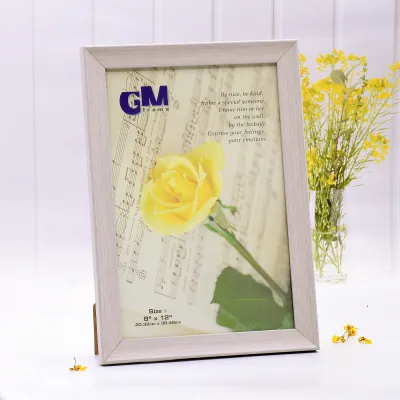
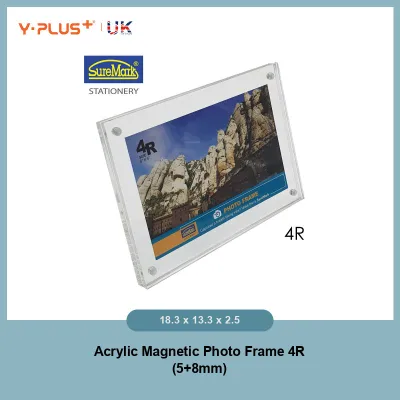
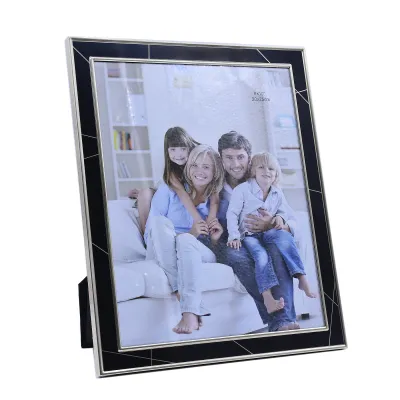
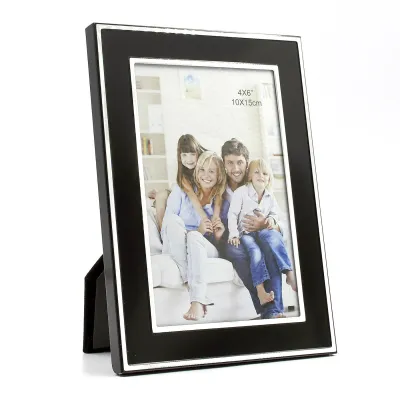
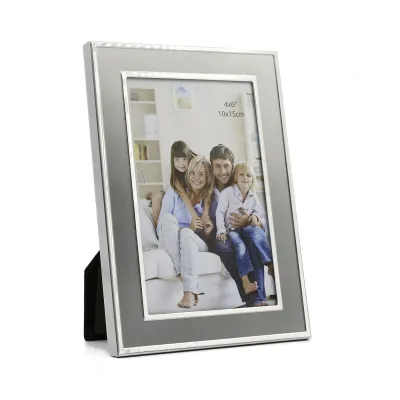
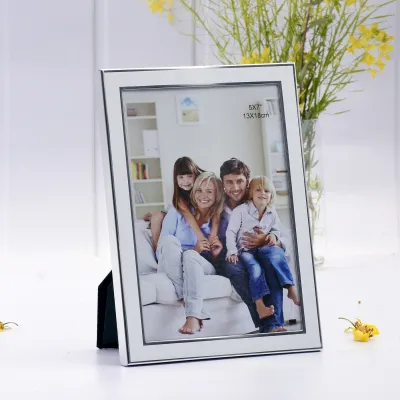
![[Local Stock] 10R 8R 5R 4R Bronze Designer Stainless Steel Photo frame](https://img.lazcdn.com/g/p/6aeb04f064a714fc7b4a8a28a7f07815.jpg_400x400q80.jpg_.webp)
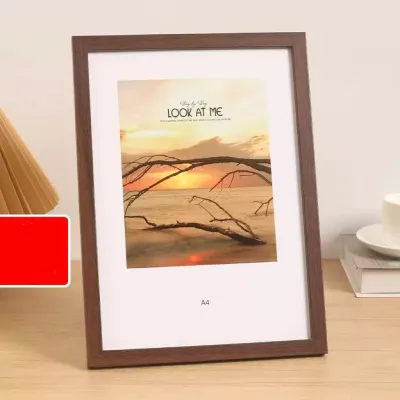
Prices are valid at publication and may change. Please refer to the product page for the latest price.
For instance, a thin 10 mm metal frame will have a very different visual and physical presence compared to a chunky 50 mm wooden frame with a wide mat board, which can easily double the overall display size. When planning your display, you must also consider how the frame will be supported.
Tabletop frames typically feature an easel back, which requires a certain amount of depth to stand securely on a shelf, console table, or bedside desk. This easel depth can range from 50 mm to over 100 mm, meaning you must measure your shelf depth carefully to ensure the frame does not overhang the edge.
Conversely, wall-mounted frames must sit flush against the wall surface. This setup requires integrated hanging hardware, such as D-rings or saw-tooth hangers, and eliminates the need for an easel back. Before finalizing your purchase, use a measuring tape to verify the available depth of your shelves or the clear surface area of your walls to avoid fitment issues.
Matching Frame Styles to Popular Interior Aesthetics
The visual impact of a photo frame 4r is determined by its profile width and surface finish, both of which dictate how much visual weight the frame carries. A thick, dark frame draws immediate attention and can act as a strong focal point, whereas a thin, neutral frame allows the artwork itself to take center stage.

Glossy finishes reflect light and add a sense of luxury or modern energy, while matte and textured finishes offer a more subdued, organic feel. To create a cohesive look throughout your home, it is helpful to align these framing characteristics with your established interior design theme.
Different design movements favor specific materials, colors, and structural lines. In the following sections, we will explore how to select the ideal frame styles for four prominent interior aesthetics, ensuring your cherished photos complement your decor beautifully.
Minimalist and Scandinavian Interiors
Minimalist and Scandinavian design principles center on simplicity, functionality, and a strong connection to natural light and materials. For these spaces, your photo frame 4r selections should feature thin, clean profiles that do not clutter the visual field. Frames with a profile width of 10 mm to 15 mm are highly effective here, as they provide just enough structure to hold the photo without drawing attention away from the clean lines of the room.
Opt for matte finishes and neutral color palettes, such as flat white, matte black, or light natural woods like birch, ash, or pale oak. These tones blend seamlessly with light-colored walls and minimalist furniture. Avoid ornate carvings, heavy textures, or high-gloss metallic finishes, as these elements introduce unnecessary visual noise that disrupts the calm atmosphere of a Scandinavian home.
Additionally, when selecting the glazing for your frame, look for glare-free or matte acrylic or glass options. These materials reduce reflections from nearby windows or light fixtures, ensuring your photo remains clearly visible from various angles without creating distracting hot spots of light.
Vintage and Traditional Spaces
Traditional and vintage-inspired interiors embrace warmth, history, and rich, layered details. In these environments, a photo frame 4r can be much more decorative, acting as a small piece of art in its own right. Look for frames with ornate profiles, such as classic scoop shapes, beaded edges, or intricate scrollwork.
Materials like solid dark woods—including walnut, mahogany, or cherry—or metallic finishes like antique gold, brushed bronze, and tarnished silver fit beautifully within these classic settings. To elevate the presentation further, consider using a frame that incorporates a mat board.
A mat board creates a professional, gallery-like border around your 4R photo, separating the image from the frame itself and drawing the eye inward. This technique also prevents the photo print from touching the glass directly, protecting it from moisture transfer and sticking over time.
Because traditional frames made of solid wood or cast metal can be significantly heavier than plastic or thin aluminum alternatives, always verify the total weight of the assembled frame. Ensure you select appropriate wall anchors or heavy-duty hooks that are rated for the frame’s weight, rather than relying on standard adhesive strips that may fail under a heavier load.
Modern and Industrial Lofts
Modern and industrial interior styles celebrate raw textures, structural elements, and bold geometric shapes. To complement this aesthetic, look for photo frame 4r options made from sleek metals, such as brushed aluminum, matte black steel, or even copper. Alternatively, frames made from raw wood with highly visible grain patterns or distressed finishes can echo the look of reclaimed timber often found in industrial lofts.
For an ultra-contemporary appearance, consider frameless options or floating frames. Floating frames suspend the 4R photo between two sheets of glass or acrylic, leaving a clear border around the image that allows the wall texture—such as exposed brick or concrete—to show through.
Acrylic block frames, which hold the photo magnetically between two thick slabs of polished acrylic, also offer a clean, high-tech look that sits perfectly on modern sideboards. When choosing these materials, it is important to check the manufacturer’s care specifications.
Exposed metals and polished acrylics are prone to fingerprint smudges, tarnishing, or fine scratches, so understanding how to handle and clean them is essential to maintaining their sleek appearance.
Bohemian and Eclectic Rooms
Bohemian and eclectic spaces are defined by their relaxed, free-spirited nature, mixing different cultures, eras, and textures to create a highly personalized environment. Here, you have the creative freedom to experiment with unconventional photo frame 4r styles. Look for frames crafted from natural, textured materials such as woven rattan, bamboo, carved mango wood, or mixed-media designs featuring bone inlays or colorful mosaic tiles.
These materials add warmth and tactile interest to your wall or tabletop displays. An eclectic home is also the perfect setting for a diverse gallery wall. Instead of matching every frame perfectly, you can intentionally mix different shapes, colors, and materials to create a curated, collected-over-time look.
For example, you might pair a distressed wooden frame with a vintage brass frame and a simple painted ceramic frame. When displaying natural materials like rattan or untreated wood, it is crucial to check their structural stability and the manufacturer’s guidelines, particularly if you live in a highly humid environment.
High humidity can cause natural fibers to warp or develop mold if they are not properly sealed or maintained, so ensuring the materials are treated for tropical climates is a wise precaution.
Key Selection Criteria Beyond Aesthetics
While finding a style that matches your decor is exciting, evaluating the structural quality and safety of a photo frame 4r before purchase ensures your display remains secure and durable. Begin by inspecting the back of the frame. High-quality frames feature sturdy backing boards, typically made of dense fiberboard or thick cardboard, secured by durable turnbuttons or flexible metal tabs.
Check that these tabs are easy to operate but firm enough to hold the backing tightly against the glass, preventing the photo from slipping or sagging over time. Examine the pre-installed hanging hardware as well; look for securely screwed-on D-rings or robust saw-tooth hangers rather than flimsy, glued-on tabs that can easily detach under tension.
Environmental factors within your home also play a major role in preserving both the frame and the print inside. Direct sunlight contains ultraviolet rays that can rapidly fade photo inks and yellow paper prints. If you plan to place your frame near a window, look for glass or acrylic covers that offer UV protection.
Moisture is another critical consideration, especially in areas like kitchens, bathrooms, or tropical climates where humidity levels run high. Excess moisture can trap condensation inside the frame, causing the photo print to warp, ripple, or stick to the glass. To prevent this, ensure there is a small air gap between the print and the glass—often achieved by using a mat board—and avoid placing delicate prints in high-humidity zones.
Finally, always check the manufacturer’s specifications regarding weight and mounting requirements. If you prefer a damage-free hanging solution, such as adhesive strips, verify that the frame’s weight falls well within the limits specified by the adhesive manufacturer. Heavier frames, particularly those made of solid timber, thick glass, or metal, must be mounted using proper wall plugs and screws drilled into the wall structure to prevent accidental falls that could damage your walls, floors, or the frame itself.
Arrangement and Layout Tips for 4R Frames
Planning the physical arrangement of your photo frame 4r collection is key to creating a balanced visual display. Because 4R frames are relatively small, displaying a single frame on a large wall can look lost and disproportionate. Instead, group multiple 4R frames together, or mix them with larger frame sizes, to build a cohesive gallery wall.
A popular approach is to combine several 4R frames with 5R (5 by 7 inches) and 8R (8 by 10 inches) frames, which creates a dynamic, layered look that feels organic yet organized. When arranging multiple frames, you can choose between a structured grid layout or an organic, asymmetrical grouping.
A grid layout works exceptionally well in modern or minimalist spaces, requiring identical frames spaced evenly apart—typically 50 mm to 75 mm—aligned perfectly along both horizontal and vertical axes. An organic layout is more forgiving and suits eclectic or traditional spaces; you can start with a central “anchor” frame and build outwards, maintaining a consistent gap between all frames to keep the arrangement looking intentional rather than chaotic.
To avoid making unnecessary holes in your walls, always use paper templates to test your layout first. Trace the outline of each frame onto plain paper, cut out the templates, and tape them to the wall using low-tack painter’s tape. This allows you to step back, assess the overall balance, and adjust the spacing and height of each frame until you are completely satisfied with the composition before you drill any holes or apply permanent adhesives.
Frequently Asked Questions (FAQ)
Can I use a standard 4R frame for a slightly smaller or larger photo?
Yes, you can display a smaller photo inside a standard 4R frame by using a custom mat board or a decorative paper backing. The mat board will fill the empty space around the photo, centering the smaller print and creating an elegant, professional border. However, you should never attempt to force a larger photo into a standard 4R frame. Trimming or folding the edges of an oversized print to make it fit can permanently damage the image, and forcing a thick, oversized print into the frame can bend the backing board, break the securing tabs, or crack the protective glass cover.
How do I clean and maintain different frame materials safely?
To clean your frames safely, start by using a dry, soft microfiber cloth to gently dust the outer surfaces. For wooden frames, a slightly damp cloth can be used to remove stubborn dirt, but you must dry the wood immediately to prevent moisture from seeping into the joints. Metal frames can also be wiped with a damp cloth, but avoid harsh chemical cleaners that can strip away protective anodized or lacquered coatings. When cleaning glass or acrylic covers, spray a small amount of specialized glass cleaner or mild soapy water onto your cloth first—never directly onto the frame—to prevent liquid from seeping under the edges and damaging the photo print. Always check the manufacturer’s label for specific care instructions, especially for delicate finishes like gold leaf or untreated natural wood.

Community discussion
Share your experience or ask a question. Comments are reviewed before publication.