
Selecting the perfect big flower vase is more than a simple exercise in home styling; it is an intentional design choice that anchors the visual narrative of a room. A large vessel serves as a structural focal point, bridging the gap between your furniture, flooring, and wall decor. By aligning the vase’s material, silhouette, and texture with your interior design theme, you can transform an empty corner or a quiet entryway into a refined statement of personal style.
To make a successful addition to your home, you must balance aesthetic preferences with the physical dimensions of your living space. A thoughtful approach ensures your vase complements, rather than clutter, your existing layout.
Assessing Space and Proportions for Large Vases
Before selecting a specific design, it is essential to understand what qualifies as a large floor vase and how it interacts with your room’s architecture. In contemporary interior styling, a big flower vase typically measures at least 60 centimeters (approximately two feet) in height. Anything shorter often struggles to command attention when placed directly on the floor, while anything significantly larger requires careful spatial planning to avoid overwhelming the surrounding furniture.
Products mentioned in this guide
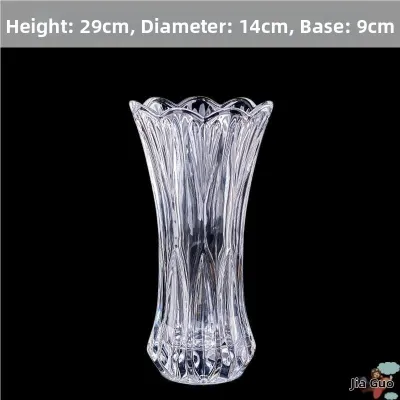
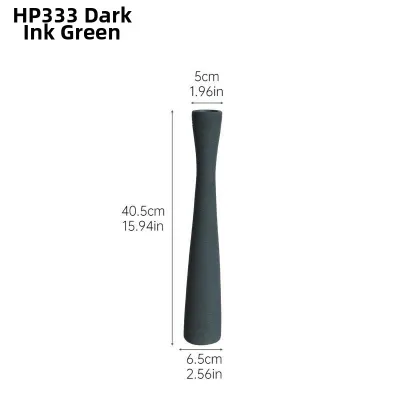
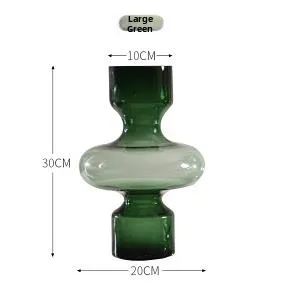
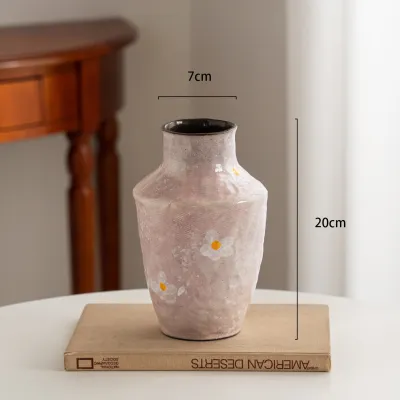
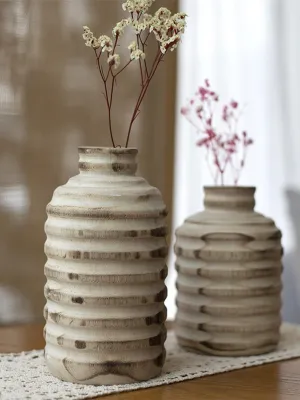
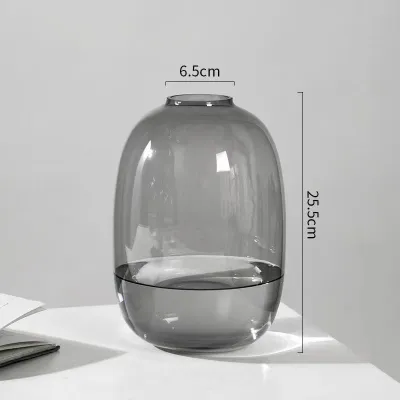
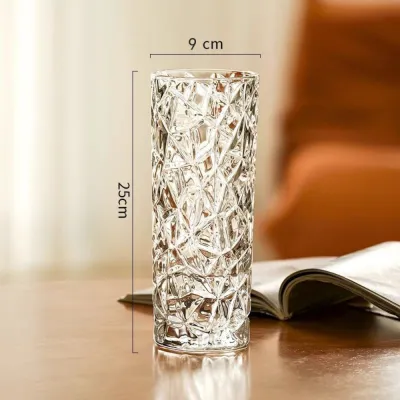
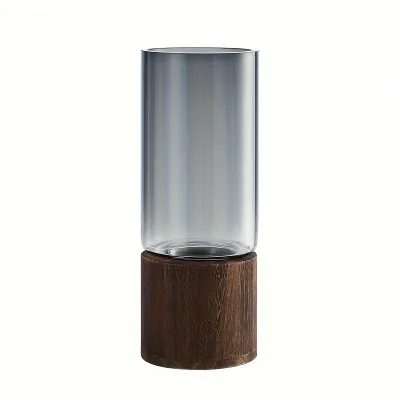
Prices are valid at publication and may change. Please refer to the product page for the latest price.
Achieving visual balance relies heavily on the classic design rule of thirds. Ideally, the height of your vase should represent either one-third or two-thirds of the total vertical height of the entire display, which includes the branches or floral arrangements extending from the top. For instance, if you place a 60-centimeter vase on the floor, your botanical elements should ideally extend another 30 to 60 centimeters upward to create a harmonious silhouette that draws the eye naturally.
In compact Singapore apartments, such as HDB flats or cozy condominiums, floor space is at a premium. It is critical to measure the exact footprint of your intended location before purchasing. Ensure the vase does not obstruct walkways, door swings, or natural traffic paths. A heavy, wide-profile vase placed in a narrow corridor can easily become a tripping hazard or make the space feel cramped.
Ceiling height also dictates the ideal proportions of your vase. Standard residential ceilings in Singapore, which generally hover around 2.6 to 2.8 meters, benefit from tall, slender vases. These vertical profiles draw the eye upward, creating an illusion of greater height and loftiness. Conversely, if you are styling a spacious double-volume living room or a landed property with high ceilings, wide, urn-style vases with a substantial visual weight are excellent for anchoring the expansive space.
Finally, always account for the physical height and weight of the arrangements you plan to display. Heavy, top-heavy branches like curly willow, cherry blossoms, or thick monstera leaves require a vase with a broad, stable base and sufficient internal weight to prevent tipping.
Matching Vase Styles to Your Home Decor Aesthetic
Every interior design theme has a distinct visual language. Matching your large vase to this aesthetic ensures that the piece feels integrated rather than accidental.

Modern and Contemporary
Modern and contemporary interiors celebrate bold geometry, clean lines, and sculptural drama. In these spaces, a big flower vase often functions as a standalone art piece, requiring little to no floral embellishment to make an impact. Look for asymmetrical shapes, sharp geometric angles, or abstract, fluid silhouettes that challenge traditional symmetry.
Finishes in contemporary homes should play with light and reflection. High-gloss lacquers, matte monochrome surfaces, and metallic accents—such as brushed brass or polished chrome—complement sleek modern furniture. Excellent material choices include polished ceramics, tinted or smoked glass, and high-quality molded resins that allow for complex, futuristic shapes. When styling these vases, a minimalist approach works best; a single, dramatic architectural branch, such as a structural palm frond or a bold heliconia stem, is often all that is needed.
Minimalist and Japandi
Japandi style—the harmonious fusion of Japanese minimalism and Scandinavian warmth—demands understated elegance, functionality, and a deep connection to nature. For these calm, uncluttered spaces, your large vase should exude a sense of quiet simplicity and organic warmth.
Focus on clean, unpretentious lines and soft, organic silhouettes. The color palette should remain firmly rooted in neutral earth tones, including beige, soft grey, warm white, and muted terracotta. Unglazed ceramics, rough-textured stoneware, and vases featuring subtle, hand-carved ribbed textures are ideal. These materials celebrate the beauty of imperfection, a core tenet of the wabi-sabi philosophy. To maintain this serene aesthetic, pair the vase with dried botanicals, pampas grass, or sparse, delicate greenery like eucalyptus or cotton stems.
Traditional and Classic
For homes that embrace timeless sophistication, formal symmetry, and heritage-inspired details, classic vases provide an essential sense of order and elegance. These interiors benefit from historical silhouettes that recall European or Asian decorative arts.
Symmetrical urn shapes, pedestal bases, fluted necks, and classic amphora profiles are the hallmarks of traditional design. Look for premium materials such as fine porcelain with subtle glazing, heavy cut crystal, or ornate resin featuring antique bronze or gold finishes. These stately pieces are ideal for formal living rooms, grand entryways, or flanking a media console or fireplace. Traditional vases pair beautifully with lush, abundant floral arrangements; think dense bouquets of hydrangeas, peonies, or classic roses that mirror the symmetry of the vessel.
Bohemian and Eclectic
Bohemian and eclectic spaces are defined by their relaxed, layered, and globally inspired character. These interiors welcome rich textures, warm colors, and artisanal craftsmanship, making hand-crafted large vases a perfect addition.
Look for highly textured surfaces, hand-painted tribal or botanical motifs, and natural woven materials such as rattan, seagrass, or bamboo. Irregular, hand-thrown ceramic shapes and warm, vibrant color palettes—such as deep ochre, terracotta, and olive green—add to the lived-in charm. However, a critical functional limitation must be noted: woven and natural fiber vases are not inherently waterproof. To use them safely with fresh flowers, you must place a separate, hidden waterproof liner or a glass insert inside the vessel to contain the water and protect your floors. Style these bohemian vessels with wild, unstructured arrangements, dried fan palms, or trailing ivy.
Industrial and Rustic
Industrial and rustic aesthetics celebrate raw, unpolished utility and the natural aging process of materials. Whether your home is a converted loft with exposed brick or a rustic farmhouse-style apartment, your vase choices should reflect this rugged charm.
Focus on distressed, tactile materials like galvanized metal, concrete, reclaimed wood, or heavily weathered terracotta. Utilitarian shapes—such as oversized milk crocks, simple cylinders, or bucket-style vessels—fit seamlessly into these environments. Concrete and heavy metal options offer excellent physical stability due to their substantial weight, making them highly resistant to tipping. However, their rough surfaces and heavy bases require careful placement and protective padding to avoid scratching your flooring. Pair these rustic containers with structural branches, bare twigs, or wild, dried grasses.
Choosing the Right Material and Finish
The material of your big flower vase does more than define its style; it dictates its weight, durability, maintenance requirements, and practical suitability for holding water.
- Ceramics and Stoneware: Ceramic and stoneware vases are classic choices that offer exceptional versatility. They are heavy and stable, making them highly resistant to tipping over when filled with tall branches. While high-quality glazed ceramics are naturally waterproof, unglazed or porous clay options can weep moisture over time. Always check the manufacturer's specifications to confirm if a ceramic vase is fully glazed on the inside before filling it with water. Keep in mind that these pieces are fragile and can easily crack or chip if knocked against hard tile floors.
- Glass: Glass vases bring a sense of visual lightness to a room, making them excellent for smaller spaces where a solid, opaque vase might feel too heavy. They allow you to monitor water levels easily and showcase the natural beauty of submerged stems. However, glass requires high maintenance. In Singapore's warm climate, standing water can quickly develop algae, and hard water can leave stubborn mineral stains on the glass walls. Frequent cleaning is necessary to keep them looking pristine.
- Metal: Metal vases, made from materials like brass, copper, or galvanized steel, offer unmatched durability and a sleek, industrial look. They will not shatter if accidentally knocked over. However, metal can react chemically with water and floral preservatives, leading to corrosion or discoloration over time. To preserve the integrity of the metal, always use a plastic or glass inner liner to hold the water and stems.
- Woven and Natural Fibers: Vases crafted from rattan, bamboo, or seagrass add exceptional warmth and organic texture to a space. They are incredibly lightweight, making them easy to rearrange. However, they are strictly decorative and cannot hold water on their own. If you wish to display fresh flowers in a woven vase, you must insert a separate, watertight container inside. Always consult the manufacturer's care instructions to prevent mold growth, especially in Singapore's high humidity.
Regardless of your aesthetic choice, always check the manufacturer’s specifications regarding waterproofing, weight limits, and recommended cleaning methods before purchasing.
Placement and Styling Tips for Statement Vases
Positioning a large floor vase correctly is the key to maximizing its visual impact while maintaining a functional, comfortable living environment.
Prime locations for statement vases include empty corners that need visual interest, the space beside an entryway console table, or flanking a large window or media console. Placing a vase in these areas helps soften sharp architectural angles and draws the eye smoothly across the room.
However, safety and traffic flow must remain top priorities. Always leave adequate clearance around the vase to prevent accidental collisions. This is particularly important near doors, narrow hallways, and in homes with active pets or young children. If a heavy ceramic or glass vase is placed in a high-traffic zone, the risk of damage or injury increases significantly.
When styling tall vases, choose your botanical elements carefully to maintain proper proportions. Standard short-stemmed bouquets will look lost inside a tall floor vase. Instead, opt for long, sturdy branches such as cherry blossoms, eucalyptus, curly willow, or dried palm leaves. These tall elements carry the eye upward and match the grand scale of the vessel.
To create a more dynamic and professional-looking display, try grouping your large floor vase with smaller, complementary items. A classic styling technique involves pairing a tall floor vase with a slightly smaller table vase and a decorative tray or stack of books. This creates a layered, three-dimensional vignette that feels cohesive and intentional.
Pre-Purchase Checklist for Big Flower Vases
Before purchasing a large vase, use this practical checklist to ensure your chosen piece is safe, functional, and suited to your home environment.
- Base Stability: Verify the width and weight of the base. A tall, top-heavy vase with a narrow bottom poses a major tipping hazard, especially around pets or children.
- Floor Protection: Plan to place felt pads, a cork coaster, or a small decorative mat underneath heavy ceramic, stone, or metal vases to prevent scratching wooden parquet or polished tile floors.
- Waterproof Integrity: Check if the interior glaze or material is rated as fully waterproof. If not, budget for a separate plastic or glass liner.
- Cleaning Access: Ensure the opening or neck of the vase is wide enough to clean. Extremely narrow necks make it difficult to scrub away internal residue.
- Delivery and Handling: Large, fragile, or heavy stone vases can be difficult to transport. Verify if your retailer offers specialized, insured delivery within Singapore, particularly if you live in a high-rise apartment with compact elevators or stairwell-only access.
Frequently Asked Questions (FAQ)
How do I clean a tall, narrow-neck big flower vase?
Cleaning a tall vase with a narrow neck can be challenging because standard sponges cannot reach the bottom. To clean these vessels, use a long-handled bottle brush. For stubborn, hard-to-reach residue or mineral stains, fill the vase with warm water, add a drop of mild dish soap, and toss in a handful of uncooked rice or coarse salt. Gently swirl the mixture around; the abrasive texture of the rice or salt will safely scrub the interior walls without scratching them. Rinse the vase thoroughly with clean water afterward.
Can I use a large floor vase outdoors in Singapore?
Before placing any decorative vase outdoors, check the manufacturer’s specifications for UV and weather resistance. Singapore’s intense tropical sunlight can quickly fade painted finishes and degrade natural fibers like rattan or bamboo. Additionally, heavy tropical downpours can cause water to pool rapidly inside open outdoor vases. Standing water creates an ideal breeding ground for mosquitoes, which violates local vector control guidelines. If you plan to use a vase on an open balcony or patio, ensure it has a drainage hole or is specifically rated for outdoor use, or keep it under a fully covered shelter.

Community discussion
Share your experience or ask a question. Comments are reviewed before publication.