
Finding the right candle burner is essential for unlocking the true aromatic potential of your favorite scented candles. While lighting a wick is the traditional route, using a dedicated burner offers a flame-free alternative that can extend the life of your wax and provide a cleaner scent throw. However, not all burners interact with every candle brand or fragrance family in the same way. The efficiency of your setup depends on matching the burner’s heat delivery mechanism with the specific wax blend, container material, and scent notes of your candle.
Choosing an incompatible burner can lead to wasted wax, scorched fragrances, or weak scent throw. By understanding how different heating methods interact with various candle designs, you can create a customized aromatherapy experience that fills your home with rich, consistent fragrance. Whether you prefer delicate florals or deep, woody base notes, the right combination of heat and vessel compatibility will elevate your home fragrance routine.
Understanding Candle Burner Types and Heat Delivery
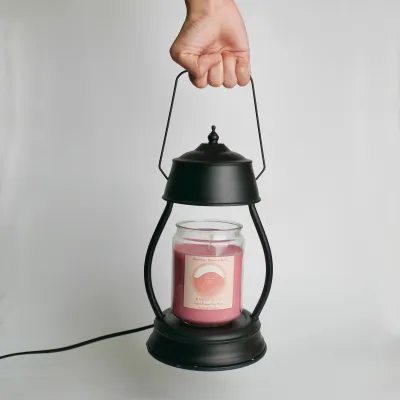
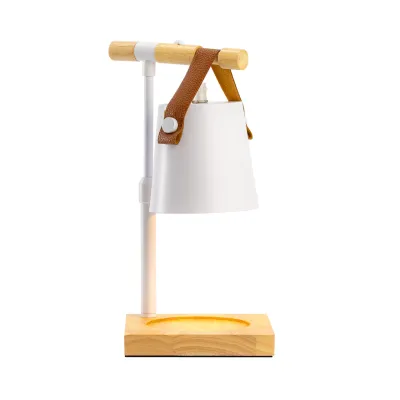
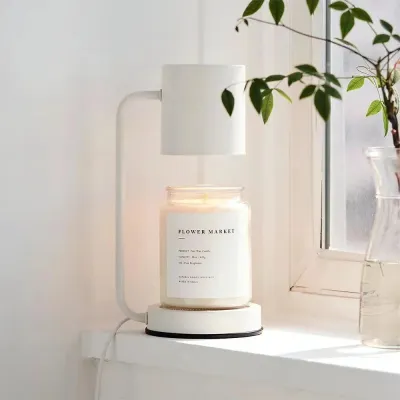
To make an informed choice, you must first understand how different candle burners distribute heat. Top-down electric warmers typically utilize a halogen bulb, such as a GU10, to cast radiant heat directly onto the surface of the wax. This method mimics a traditional burn by melting the top layer of wax quickly, which allows the fragrance to disperse rapidly into the room. Because the heat is concentrated at the top, you can easily control the depth of the melt pool using a built-in dimmer switch.
Products mentioned in this guide
![Modern Candle Wax Warmer Lamp with Wooden Base [local SG stocks]](https://img.lazcdn.com/g/p/5c4b8c7a32a3930b09de8ac310e33aff.jpg_400x400q80.jpg_.webp)
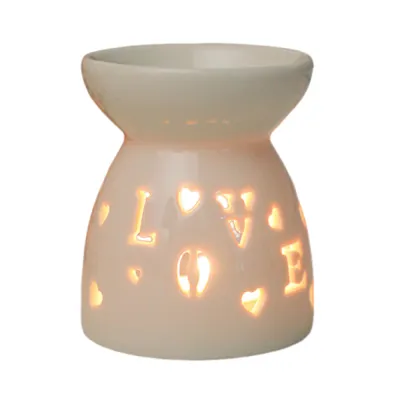
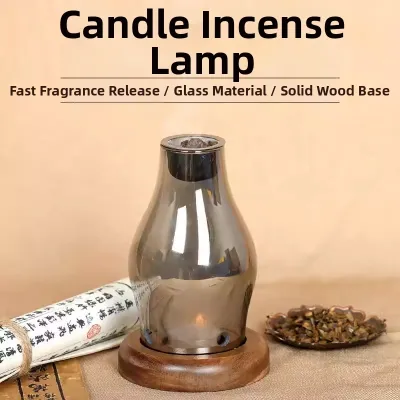
Prices are valid at publication and may change. Please refer to the product page for the latest price.
In contrast, bottom-up electric warmers and hot plates heat the candle container from the base. This approach warms the entire jar, gradually melting the wax from the bottom upward. While bottom-up warmers are highly effective for smaller candles or metal travel tins, they take longer to create a complete melt pool in larger, thicker glass jars. The sustained heating of the entire wax volume can also cause lighter fragrance notes to dissipate more quickly over time.
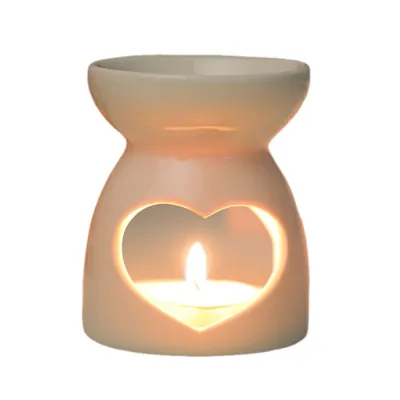
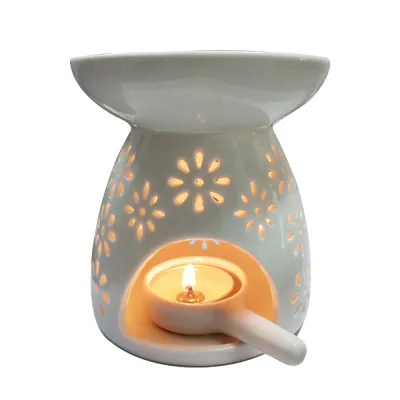
Tealight-powered warmers offer a traditional, flame-based alternative that relies on a small tealight candle placed beneath a ceramic or metal platform. These burners provide high, direct heat that is excellent for melting hard wax melts or small wax portions, but they lack the precise temperature control of electric models. The distance between the flame and the wax platform determines the heat intensity, making it crucial to monitor the unit to prevent the wax from overheating.
The way heat is delivered directly dictates the formation of the liquid wax pool, which is the primary engine of scent throw. A shallow, evenly melted pool of about one to two centimeters is ideal for releasing fragrance without exhausting the oils too quickly. Top-down radiant warmers generally offer the most consistent control over this pool depth, making them highly versatile for a wide range of candle formats.
Matching Burners to Candle Sizes and Container Materials
Before selecting a candle burner, you must verify that it physically accommodates the dimensions of your preferred candle brands. Measure the maximum height and diameter of your candle jars and compare them against the clearance space of the burner platform. A heavy, wide-mouthed jar requires a burner with a stable, wide base and sufficient vertical clearance beneath the bulb. If the candle sits too close to a high-wattage bulb, the intense heat can degrade the fragrance or overheat the container.

The material of the candle container plays a significant role in heat conductivity and distribution. Thick glass jars, which are common among luxury brands, act as natural insulators and require steady, concentrated heat from a top-down halogen warmer to melt the wax efficiently. Conversely, thin metal tins conduct heat incredibly fast. When placed on a bottom-up hot plate or under a high-wattage bulb, metal tins can become extremely hot to the touch, causing the wax to liquefy rapidly and potentially scorching delicate fragrance oils.
Different wax formulations also possess distinct melting points that dictate how much heat is required. Paraffin wax blends generally have higher melting points, often requiring sustained, direct heat to form a proper pool. Natural waxes, such as soy, coconut, and apricot wax, have much lower melting points and soften easily under gentle heat. For these softer waxes, a lower-wattage bulb or a dimmed electric setting is preferable to prevent the wax from liquefying too quickly and losing its scent.
To bridge the gap between varying candle sizes, consider using non-flammable risers or selecting a burner with an adjustable platform. If you are warming a short, low-profile candle under a tall top-down burner, placing a ceramic coaster or a small stone block beneath the jar raises it closer to the heat source. This adjustment ensures the wax receives enough warmth to melt evenly without requiring you to run the burner at its maximum, energy-consuming setting.
Optimizing Fragrance Throw for Different Scent Families
Optimizing your fragrance experience requires adjusting your burner’s heat output to suit the specific scent family of your candle. Delicate top notes, such as citrus and light florals, are highly volatile and evaporate quickly when exposed to high temperatures. To preserve these breezy, refreshing aromas, operate your electric burner on a low-to-medium setting. Gentle, consistent heat allows these subtle notes to drift into your living space gradually rather than flashing off in a single, overwhelming burst.
On the other hand, rich base notes like wood, spice, amber, and vanilla consist of heavier, more complex molecules that cling tightly to the wax matrix. These robust scent profiles require sustained, deeper heat to break their molecular bonds and achieve a satisfying scent throw. If you are warming a woody or oriental candle, increasing the heat intensity via a dimmer switch or using a higher-wattage bulb will help unlock the full depth of the fragrance.
In typical home environments where air-conditioned rooms are common, managing heat intensity is particularly important. Cool indoor drafts can lower the surface temperature of the wax, hindering the formation of an even melt pool. Utilizing a top-down burner with an adjustable dimmer allows you to compensate for these cool drafts by slightly increasing the bulb’s output, ensuring a consistent scent throw without overheating the core of the candle.
It is vital to recognize the physical signs of an overheated candle to protect both your fragrance investment and your safety. If you observe the wax bubbling vigorously, emitting faint smoke, or turning a dark, discolored brown, the heat source is too intense. Overheating degrades the fragrance oils permanently, leaving you with a pool of wax that no longer throws any scent even when warmed correctly in the future.
Safety Checks, Placement, and Burner Maintenance
Operating any electrical heating appliance requires careful attention to safety standards and electrical compatibility. Ensure that your electric candle burner is rated for the local 220V-240V voltage and 50Hz frequency to prevent electrical overloads or short circuits. Look for models equipped with a standard three-pin Type G plug and verify that the appliance carries recognized safety certifications, such as the local Safety Mark, which indicates it has undergone rigorous testing for household use.
Proper placement of your candle burner is essential to minimize fire hazards and ensure stable operation. Always position the burner on a flat, stable, and heat-resistant surface, well away from flammable materials such as curtains, bedding, or paper documents. Keep the unit out of high-traffic areas where it could be easily knocked over by children or pets, and never leave an active burner unattended for extended periods.
Regular maintenance will keep your burner operating safely and prolong the lifespan of its heating elements. If wax accidentally spills onto the burner platform or the bulb socket, always unplug the unit and allow it to cool down completely before attempting to clean it. Use a soft cloth lightly dampened with warm water or rubbing alcohol to gently wipe away the residue, ensuring that no moisture enters the internal electrical components.
Regularly inspect the physical condition of your burner, paying close attention to the power cord, plug, and control switch. If you discover frayed wires, cracked ceramic housing, a loose bulb socket, or a malfunctioning dimmer switch, discontinue use immediately. Do not attempt to repair complex electrical faults yourself; instead, consult a qualified professional or replace the unit entirely to maintain a safe home environment.
Frequently Asked Questions (FAQ)
Can I use a candle burner with jar candles that still have a wick?
You can safely use a candle burner with jar candles that contain wicks, provided you follow a few basic precautions. First, ensure the wick is trimmed short—ideally to about three millimeters—so it does not bend, touch the heating bulb, or interfere with the heat source. Never light the wick with a flame while the candle is sitting on an active electric burner, as the combined heat from both sources can easily overheat the glass jar, causing it to crack or shatter. Always check the candle manufacturer’s label to confirm if the jar is rated for external heating devices.
Why is my scented candle not releasing fragrance on the burner?
If your candle is melting but not releasing fragrance, the most common culprit is a depleted top layer of wax. After several warming cycles, the fragrance oils in the melted wax pool will completely evaporate, leaving behind a layer of scentless wax. To resolve this, carefully pour off the liquid top layer into a disposable container or soak it up with paper towels to expose the fresh, fragrance-rich wax underneath. Additionally, verify that your burner’s bulb wattage is sufficient—typically 35W to 50W for top-down models—and ensure that strong drafts from air conditioners or fans are not dispersing the scent before it can fill the room.

Community discussion
Share your experience or ask a question. Comments are reviewed before publication.