
Matching a flower vase with flowers to your home decor aesthetic is a matter of aligning the physical properties of the vessel—such as its material texture, silhouette, and color palette—with the structural lines and visual weight of your interior design, then selecting botanical elements that echo those same design principles. A sleek, geometric glass vase with a single architectural stem elevates a minimalist space, while a textured ceramic vessel overflowing with mixed wildflowers anchors a rustic or bohemian room. By understanding how these elements interact, you can transform a simple floral arrangement into a cohesive design statement that enhances your living environment.
In Singapore’s diverse residential spaces, from compact HDB apartments to sprawling landed properties, interior aesthetics often serve as personal sanctuaries. The right styling choices bridge the gap between permanent fixtures and temporary decor accents. A thoughtful combination of vessel and bloom does not merely sit on a table; it actively directs the eye, softens architectural angles, and introduces organic vitality into your home.
Identify Your Core Home Decor Aesthetic
Before selecting a vase or purchasing a single stem, you must evaluate the existing design elements that define your living space. This process begins with an audit of your room’s “hard” elements, which are relatively permanent and expensive to alter. Consider the material and tone of your flooring—whether you have cool gray vinyl, warm teak parquet, or polished marble—as well as the clean lines of built-in carpentry and the finish of your window frames. These features establish the baseline undertones and structural boundaries of your room.
Products mentioned in this guide
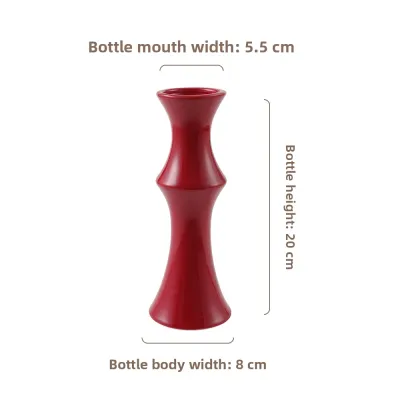
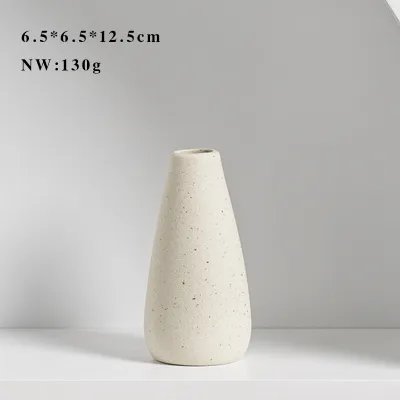
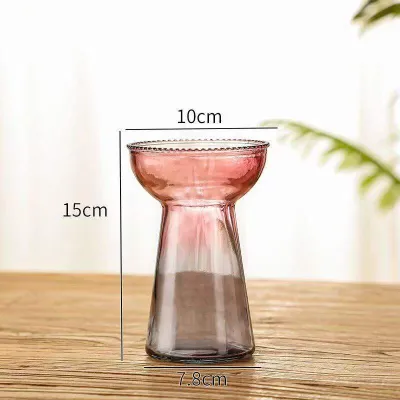
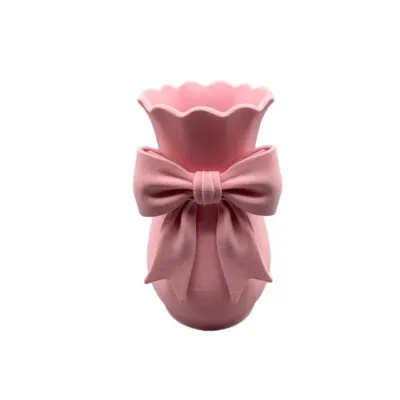
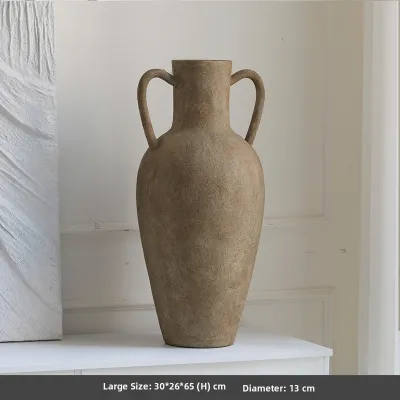
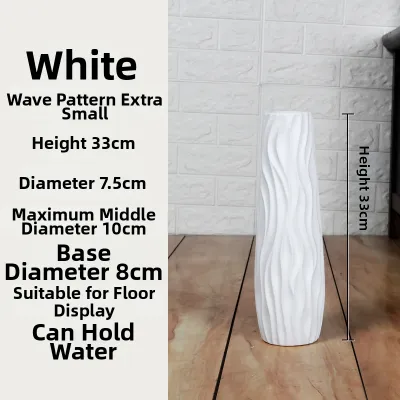
Prices are valid at publication and may change. Please refer to the product page for the latest price.
Next, observe the “soft” elements that layer warmth and personality over those hard surfaces. Take note of the textures in your upholstery, the weight and weave of your curtains, and the patterns on your area rugs. If your soft furnishings consist of heavy linens, boucle fabrics, and earth-toned cushions, your space leans toward a tactile, organic aesthetic. Conversely, if you have opted for smooth leathers, high-gloss lacquered surfaces, and sharp metallic accents, your home aligns more closely with contemporary or industrial design.
Understanding whether your home adheres strictly to a single design movement or embraces an eclectic blend is crucial for your styling strategy. A highly cohesive, single-style room benefits from a vase that mirrors its exact design language, reinforcing the established order. An eclectic space, however, thrives on deliberate contrast, where an antique brass urn might sit beautifully atop a modern concrete console, creating a compelling visual dialogue. By identifying these dominant themes, you can make intentional decisions rather than relying on guesswork.
Match Your Vase and Flowers to Your Decor Style
Modern Minimalist & Contemporary
Modern minimalist and contemporary interiors prioritize open space, clean lines, and a restrained color palette. In these environments, every object must justify its presence through exceptional form or functional clarity. The goal of integrating a flower vase with flowers here is to introduce a focal point that respects the room’s uncluttered nature while adding a touch of organic geometry.

To complement this aesthetic, select vases crafted from materials that showcase pure texture and structural integrity. Clear, thick-walled glass offers transparency and plays beautifully with natural light, while matte-finished ceramics in charcoal, white, or beige absorb light to create soft shadows. For a more industrial edge, concrete vessels provide a raw, architectural presence, while brushed metals like steel or matte black brass add subtle sophistication.
The silhouettes of these vases should lean toward strict geometric forms or highly controlled asymmetrical sculptures. Sharp cylinders, perfect spheres, and sharp-angled polygons work exceptionally well because they mimic the architectural lines of modern furniture. Asymmetrical, sculptural vases that look like abstract art pieces even when empty are also excellent choices, serving a dual purpose as standalone decor.
When choosing botanical elements for a minimalist vase, focus on structure and negative space rather than sheer volume. A single, dramatic monstera leaf, a structural branch of curly willow, or a pair of elegant calla lilies can make a far more powerful statement than a crowded bouquet. Orchids, particularly white phalaenopsis, are highly favored in Singaporean contemporary homes for their architectural grace and long-lasting blooms, while vibrant red anthuriums offer a bold pop of color against a monochromatic backdrop.
To style these arrangements, avoid filler greenery like baby’s breath or leatherleaf ferns, which introduce visual clutter. Instead, let the clean lines of the stems remain visible, especially when using clear glass vessels. This transparency emphasizes the entire form of the plant, turning the water and submerged stems into an active part of the design.
Scandinavian & Japandi
The Scandinavian and Japandi (Japanese-Scandinavian fusion) aesthetics center on warmth, simplicity, and a deep connection to nature. These styles celebrate “wabi-sabi”—the beauty of imperfection—and prioritize comfort, natural light, and organic textures. A flower vase with flowers in these spaces should evoke a sense of quiet tranquility and effortless, rustic charm.
Vase materials for Scandinavian and Japandi interiors should be tactile and grounded in the earth. Raw clay, unglazed stoneware, textured terracotta, and light-toned woods like ash or oak are ideal choices. These materials possess a matte, slightly rough finish that feels authentic and handmade, contrasting gently with the smooth surfaces of modern electronics or polished countertops.
Look for vase shapes that are rounded, soft, and slightly irregular, resembling river pebbles, ancient gourds, or hand-thrown pottery. These organic forms soften the straight lines of Scandinavian furniture and bring a relaxed, human touch to the room. Muted, earthy tones such as sage green, warm sand, terracotta, and soft oatmeal help keep the visual energy calm and cohesive.
For floral pairings, opt for arrangements that look like they were gathered during a walk through a meadow or forest. Dried pampas grass, preserved cotton stems, and delicate eucalyptus branches are staple choices that offer long-lasting texture without requiring daily maintenance. If you prefer fresh flowers, simple arrangements of tulips, delicate cherry blossoms, or sparse wildflowers arranged with plenty of breathing room will perfectly capture the understated elegance of these styles.
When arranging flowers for a Japandi or Scandinavian space, embrace asymmetry and sparse placement. Rather than creating a perfectly symmetrical dome, allow stems to lean naturally to one side, mimicking how they would grow in the wild. This respect for the natural inclination of the plant creates a peaceful, unforced look that complements the minimalist warmth of the interior.
Traditional & Classic
Traditional and classic interiors draw inspiration from historical European designs, characterized by symmetry, refined elegance, and rich, layered details. These spaces feature dark wood furniture, ornate moldings, and luxurious fabrics like velvet and silk. Here, a flower vase with flowers should convey a sense of abundance, luxury, and timeless sophistication.
The materials used for classic vases must reflect this sense of heritage and high craftsmanship. Glazed porcelain with intricate hand-painted motifs, heavy cut crystal that refracts light, polished brass, and sterling silver are the hallmarks of traditional styling. These materials carry a visual weight and luster that match the richness of classic wood finishes and gilded frames.
Classic vase shapes are steeped in history, featuring elegant curves and balanced proportions. Urns, fluted vessels, footed amphoras, and traditional ginger jars with removable lids are perfect for this aesthetic. These vessels often feature decorative handles, scalloped rims, or relief details that elevate them from simple containers to decorative art pieces.
To fill these exquisite vessels, design lush, high-volume bouquets that showcase symmetry and variety. Classic choices include romantic roses, pillowy peonies, voluminous hydrangeas, and fragrant lilies. These arrangements should be dense and rounded, with trailing greenery like ivy or delicate ferns cascading over the rim of the vase, creating a sense of natural abundance and formal elegance.
When styling a traditional arrangement, consider the color harmony between the blooms and the room’s upholstery. Classic interiors often feature rich jewel tones or soft pastel palettes; matching your flowers to these accent colors helps tie the entire room together. A symmetrical placement on a mantelpiece or a central dining table further reinforces the balanced, orderly nature of classic design.
Bohemian & Eclectic
Bohemian and eclectic styles are defined by their free-spirited, layered, and highly personalized approach to home decor. These interiors joyfully mix different eras, cultures, and textures, creating spaces that feel lived-in and full of stories. A flower vase with flowers in a boho home should be vibrant, textured, and delightfully unconventional.
Embrace a wide variety of materials that reflect global craftsmanship and natural textures. Rattan, woven seagrass, colored or recycled glass, terracotta, and vessels wrapped in macrame or textile details fit seamlessly into this aesthetic. Upcycled objects, such as vintage colored glass bottles, antique tin cans, or hand-painted ceramic jugs found at flea markets, add a layer of history and personal character.
The shapes of bohemian vases can be highly diverse and playful. Clustered bud vases of varying heights, irregular hand-blown glass bottles that catch the light in different colors, and sculptural vessels shaped like human figures or animals add a whimsical touch. There are no strict rules here; the goal is to create visual interest through variety and unexpected pairings.
Floral arrangements in bohemian spaces should feel relaxed, unstructured, and overflowing with life. Bold, sun-drenched sunflowers, exotic proteas, mixed wildflowers in a riot of colors, and trailing vines like devil’s ivy or string of pearls create a sense of effortless abundance. Incorporating dried botanicals, seed pods, and feathers alongside fresh blooms adds a rich, multi-textured quality that perfectly complements the bohemian spirit.
To style a bohemian display, focus on creating a sense of movement and wildness. Allow vines to trail down the sides of shelves, mix dried and fresh elements together, and do not worry about perfect symmetry or clean lines. The charm of bohemian floral styling lies in its relaxed, gathered-from-the-garden appearance that celebrates natural abundance.
Quick Reference: Vase and Flower Pairing Matrix
To help you quickly identify the best styling direction for your home, the following matrix summarizes the key relationships between interior design styles, vase characteristics, and floral selections.
| Decor Style | Ideal Vase Materials | Recommended Vase Shapes | Best Flower Types | Ideal Room Placement |
|---|---|---|---|---|
| Modern Minimalist | Clear glass, matte ceramic, concrete, brushed metal | Cylinders, geometric polygons, asymmetrical sculptures | Single-stem branches, calla lilies, orchids, anthuriums | Dining table centerpieces, minimalist consoles, kitchen islands |
| Scandinavian & Japandi | Raw clay, light wood, textured stoneware, unglazed ceramic | Rounded pebbles, soft gourds, hand-thrown organic shapes | Dried pampas grass, eucalyptus, tulips, sparse wildflowers | Bedside tables, open shelving, low coffee tables |
| Traditional & Classic | Glazed porcelain, cut crystal, polished brass, silver | Urns, fluted vessels, amphoras, ginger jars | Roses, peonies, hydrangeas, lilies, lush greenery | Entryway consoles, formal dining tables, fireplace mantels |
| Bohemian & Eclectic | Rattan, colored glass, terracotta, macrame-covered vessels | Clustered bud vases, irregular hand-blown glass, vintage jugs | Sunflowers, protea, mixed wildflowers, trailing vines | Windowsills, hanging planters, bohemian sideboards |
Master Sizing, Proportion, and Placement
Achieving a balanced floral display requires a careful understanding of scale and proportion in relation to both the vase itself and the surrounding furniture. A common guideline used by floral designers is the “rule of thirds” or the 1.5x rule. This rule suggests that the height of your flower stems should be approximately one and a half times the height of the vase hosting them. For example, if your vase stands 20 centimeters tall, your floral arrangement should ideally extend another 30 centimeters above the rim, resulting in a total height of 50 centimeters. This ratio ensures that the display feels visually stable and balanced, preventing the flowers from looking swallowed by a giant vessel or top-heavy in a shallow one.
Beyond height, you must consider the width and visual weight of the vase relative to the surface it occupies. A large, solid ceramic vase placed on a delicate, glass-topped side table can feel oppressively heavy, whereas a tiny bud vase on a massive eight-seater dining table will get lost in the expanse. For expansive surfaces like dining tables or large kitchen islands, opt for low, wide-mouthed vessels that allow for horizontal, sprawling arrangements. For narrow surfaces like entryway consoles or hallway ledges, tall, slender vases with upright stems preserve precious surface space while drawing the eye upward.
Sightlines are another critical factor when planning placement, particularly in social areas. If you are placing a flower vase with flowers on a dining table or a coffee table where guests gather, ensure the arrangement does not block direct eye contact. Keep these social arrangements either below chin level (under 30 centimeters total height) or use narrow glass trumpet vases that elevate the blooms well above eye level, allowing conversation to flow unobstructed.
In larger spaces or on open shelving units, a single vase can sometimes feel isolated. You can create a more dynamic and impactful display by grouping multiple smaller vases together, a technique known as clustering. When clustering, group vases in odd numbers—such as three or five—and vary their heights, shapes, or textures while keeping one unifying element, like a shared color palette. This approach creates a curated, gallery-like feel that adds depth and sophistication to your home decor.
Maintain Your Floral Display in a Tropical Climate
Styling a flower vase with flowers in Singapore’s tropical climate presents unique challenges that require specific maintenance strategies. The high ambient temperature and humidity create an ideal breeding ground for bacteria in standing water, which quickly clogs flower stems and accelerates decay. To combat this, you must change the water in your vases daily or at least every other day, thoroughly rinsing the vessel to remove any slimy residue. When changing the water, use sharp, clean shears to trim about one to two centimeters off the bottom of each stem at a 45-degree angle, which opens up fresh channels for water absorption.
The placement of your floral arrangements also plays a significant role in their lifespan. While plants need light to grow, cut flowers are highly sensitive to direct sunlight, which heats the water and causes rapid wilting. Keep your vases away from sunny windowsills and glass doors. Similarly, avoid placing your arrangements directly in the path of harsh drafts from air-conditioning units or mechanical fans. The cool, dry air from air-conditioners rapidly dehydrates delicate petals, causing them to turn brown and drop prematurely. A draft-free, shaded spot with stable temperatures is ideal for maximizing the longevity of fresh blooms.
When it comes to maintaining the vessels themselves, proper cleaning is essential to prevent permanent staining and bacterial buildup. Always check the manufacturer’s care instructions for your specific vase, especially for delicate hand-painted ceramics or metal-plated glass. For general cleaning, wash your vases with mild dish soap and warm water using a soft sponge. Avoid using abrasive scrubbing pads, steel wool, or harsh chemical cleaners, as these can easily scratch clear glass, strip delicate metallic finishes, or erode porous ceramic glazes.
If your busy lifestyle or the tropical heat makes the daily maintenance of fresh flowers impractical, consider transitioning to high-quality alternatives. Preserved botanicals, dried grasses, and premium silk faux flowers offer the same aesthetic benefits without the constant upkeep. These options are particularly useful for hard-to-reach areas like high open shelves, guest bathrooms, or deep console tables where regular water changes are inconvenient.
Frequently Asked Questions (FAQ)
Should I use real or artificial flowers for my home decor?
Choosing between real and artificial flowers depends on your lifestyle, maintenance preferences, and where you plan to display them. Fresh flowers offer unmatched natural beauty, a delicate fragrance, and a sense of luxury that changes with the seasons, making them perfect for high-visibility areas like dining tables or entryway consoles during special occasions. However, they require daily water changes, regular stem trimming, and replacement every few days, especially in warm climates.
On the other hand, high-quality artificial or preserved flowers provide excellent longevity and require zero daily maintenance, making them highly cost-effective over time. They are ideal for busy households, allergy sufferers, or challenging environments like humid bathrooms and high, hard-to-reach shelves where fresh flowers would quickly perish. Many modern faux botanicals are crafted from real-touch materials that mimic the texture and color variations of live plants, allowing you to enjoy a lush aesthetic without the associated chores.
How do I remove hard water stains from glass and ceramic vases?
Hard water stains, caused by mineral deposits like calcium and magnesium left behind as water evaporates, can leave unsightly cloudy rings on both glass and ceramic vases. To safely dissolve these stubborn deposits without damaging your vessels, fill the stained vase with a mixture of equal parts warm water and white household vinegar. For particularly stubborn stains, you can add a tablespoon of baking soda to the mixture, which creates a gentle effervescent action that helps loosen the minerals.
Let the solution soak inside the vase for at least thirty minutes to an hour, allowing the mild acid in the vinegar to break down the mineral bonds. After soaking, use a soft microfiber cloth or a non-abrasive bottle brush to gently wipe away the loosened residue. Rinse the vase thoroughly with clean, warm water and dry it immediately with a lint-free towel to prevent new water spots from forming. Never use metal scrubbers, steel wool, or highly acidic industrial cleaners, as these can permanently scratch glass or strip protective glazes from ceramic surfaces.

Community discussion
Share your experience or ask a question. Comments are reviewed before publication.