
Selecting the perfect vase is more than a simple shopping task; it is an exercise in balancing form, color, and historical narrative within your living space. The timeless appeal of blue white porcelain has allowed it to transcend centuries of design trends, evolving from prized imperial treasures into versatile decor staples. Whether your home is a sleek, minimalist condominium overlooking the city skyline or a warm, heritage-filled landed property, there is a specific style of this classic ceramic that will elevate your interior aesthetic. Finding the right match requires looking beyond the surface beauty of a vase to understand how its silhouette, pattern density, and glaze interact with your existing furniture, lighting, and color palette.
To make an informed decision, you must evaluate how the visual weight of cobalt patterns and the texture of different glazes complement your rooms. A mismatch can make a beautiful vase look like an out-of-place relic or, conversely, cause a delicate piece to get completely lost in a busy room. By understanding the core design principles of ceramic styling and identifying the characteristics that define traditional, modern, minimalist, and eclectic styles, you can confidently choose a piece that feels intentional, balanced, and deeply integrated into your home.
Core Principles for Styling Blue White Porcelain
When integrating blue white porcelain into your home, the first element to analyze is the visual weight of the piece, which is primarily determined by the density and scale of its pattern. A vase covered in tight, highly detailed scrolling vines or intricate geometric lattices possesses a heavy visual weight. It naturally draws the eye and acts as a strong focal point, demanding a clean or neutral background where it does not have to compete for attention. Conversely, a vase featuring a sparse motif with generous negative space has a much lighter visual weight, allowing it to blend softly into its surroundings or sit comfortably alongside other decorative accessories without overwhelming the space.
Products mentioned in this guide
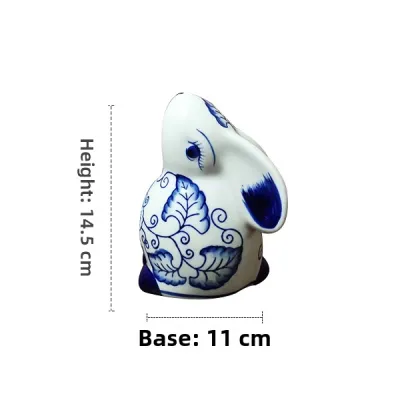
Prices are valid at publication and may change. Please refer to the product page for the latest price.
Glaze types also play a pivotal role in how a porcelain piece interacts with a room’s atmosphere and lighting. High-gloss glazes are highly reflective, catching both natural sunlight and artificial light to create bright highlights that emphasize the vase’s contours. This makes glossy porcelain excellent for adding a touch of luxury and brightness to dimmer corners or formal settings. On the other hand, semi-matte, matte, or unglazed biscuit porcelain finishes diffuse light rather than reflecting it. These finishes highlight the raw, tactile quality of the clay, offering a more understated, organic texture that feels grounded, modern, and artisanal.
Achieving the right balance in your room requires a conscious decision between contrast and harmony. If your existing color palette consists of warm neutrals, rich terracottas, or deep brass accents, a vibrant cobalt blue and white vase will introduce a striking contrast, injecting energy into the space. If your home leans toward cool greys, soft blues, and crisp whites, the porcelain will create a harmonious, monochromatic flow that enhances the room’s calm and cohesive feel. Consider the dominant tones of your walls, upholstery, and wooden furniture before selecting the specific shade of blue—which can range from a bright, electric royal blue to a deep, muted indigo.
Best Vase Styles for Traditional and Classic Interiors
Traditional and classic interiors, characterized by rich wood tones, symmetrical layouts, and heritage-inspired details, provide the natural spiritual home for classic blue and white ceramics. To complement the architectural depth of these spaces, look for time-honored silhouettes that carry historical significance. The ginger jar, with its high shoulders and domed lid, is an iconic choice that brings a sense of structure and elegance. Baluster vases, featuring a gently curving body that flares at the base and neck, and tall, flared-neck urns also work beautifully, offering stately proportions that match the grand scale of classic furniture.

For these classic settings, the ideal patterns are those that tell a story or showcase traditional craftsmanship. Look for intricate, hand-painted motifs such as sweeping mountain-and-river landscapes, soaring dragons, phoenixes, or dense floral patterns like the classic scrolling lotus. Geometric lattice borders around the collar and base of the vase help frame these detailed scenes, adding a sense of formal order. These highly detailed patterns resonate with the craftsmanship found in classic wood carvings, ornate moldings, and rich textiles like silk or damask.
When styling these traditional pieces, placement should emphasize symmetry and structure. Position a matching pair of ginger jars on either side of a formal dining console, or align them on a living room mantelpiece to flank a central artwork. They also make magnificent centerpieces for entryway tables, immediately establishing a refined tone for the home. To enhance their classic appeal, consider displaying them on carved dark wood stands, which elevate the vases physically and visually, highlighting the contrast between the deep wood grain and the bright white porcelain.
While these ornate pieces are undeniably beautiful, they do come with spatial limitations. Highly detailed, large-scale traditional vases can quickly look cluttered and visually oppressive in small, dimly lit rooms or narrow hallways. In compact urban apartments, a massive, densely patterned temple jar can overwhelm the surrounding furniture, making the entire room feel smaller. If you are working with limited square footage, opt for medium-sized traditional vases and ensure they are surrounded by plenty of breathing room and bright, warm lighting to keep the space feeling open and airy.
Best Vase Styles for Modern and Contemporary Homes
Modern and contemporary homes, which prioritize clean lines, open-plan layouts, and innovative materials, require a fresh approach to blue and white ceramics. To prevent the porcelain from looking like an outdated heirloom, focus on geometric, asymmetrical, or highly architectural silhouettes. Look for sharp cylinder vases, square-sided bottles, or sculptural, abstract forms that challenge traditional ceramic shapes. These clean-lined silhouettes mirror the structural elements of contemporary architecture, allowing the vase to feel like an extension of the room’s design rather than a historical afterthought.
Patterns in contemporary spaces should lean toward the bold and abstract. Instead of detailed historical narratives, opt for deconstructed motifs, oversized modern brushstrokes, or minimalist splatters that celebrate the movement of the artist’s hand. Some of the most striking contemporary blue and white pieces feature a single, dramatic band of cobalt blue cutting across a stark white surface, or a fluid, watercolor-like bleed that softens the vase’s clean edges. These simplified, high-contrast patterns act as graphic art pieces, drawing attention through bold visual statements rather than intricate details.
To style these modern pieces effectively, pair them with contemporary materials that highlight their crisp colors. Placing a modern blue and white vase next to brushed metallic accents, tempered glass surfaces, or clear acrylic shelving creates a sophisticated contrast of textures. Rather than grouping multiple pieces together, use a single, large-scale contemporary vase as a standalone statement piece. Position it on a sleek, low-profile coffee table, a floating media console, or an open shelving unit where its unique form and bold pattern can be fully appreciated from multiple angles.
When decorating a contemporary space, it is best to avoid overly fussy, highly detailed traditional patterns. Intricate scrolling florals or mythical creatures can easily clash with the minimalist architecture, sharp angles, and solid-color upholstery of modern interiors, creating visual friction. If you do wish to introduce a traditional vase shape into a modern room, ensure its pattern is highly simplified, or offset its classic look by styling it alongside ultra-modern, understated decorative items to maintain a balanced, intentional aesthetic.
Best Vase Styles for Minimalist and Scandinavian Spaces
Minimalist and Scandinavian design philosophies center on simplicity, functionality, and a deep appreciation for light and natural materials. To integrate blue and white ceramics into these serene, light-filled environments, select streamlined, organic silhouettes that exude quiet elegance. Simple cylinders, delicate teardrop bottles, or soft, spherical bud vases with subtle, hand-thrown curves work best. These gentle, unpretentious shapes do not shout for attention; instead, they contribute to the overall sense of calm and order within the room.
Patterns for minimalist spaces must be applied with restraint, celebrating the beauty of negative space. Look for vases that feature sparse, delicate motifs where the white porcelain body remains the dominant element. Excellent choices include a single, finely painted botanical branch, a simple horizon line, or a few abstract, faint blue brushstrokes that evoke a sense of quiet movement. The goal is to find designs where the cobalt blue acts as a subtle accent rather than a dominant force, allowing the clean, bright white clay to reflect the room’s natural light.
In keeping with the “less is more” ethos, styling should be incredibly simple and purposeful. A single minimalist vase can be left completely empty to highlight its sculptural form and the purity of its glaze. If you choose to add botanicals, opt for a single, architectural stem—such as a dried monstera leaf, a solitary eucalyptus branch, or a delicate cotton stem—rather than a dense, colorful floral arrangement. Place the vase on a light oak sideboard, a raw concrete ledge, or a matte white shelf where it can sit undisturbed, serving as a peaceful focal point.
Grouping multiple heavily patterned blue and white pieces together is a major pitfall in minimalist and Scandinavian spaces. A cluster of dense patterns immediately disrupts the calm, uncluttered atmosphere that defines these styles, creating unwanted visual noise. Stick to a strict limit of one or two carefully selected pieces per room, ensuring they are spaced far apart. By giving each piece ample physical and visual breathing room, you honor the minimalist aesthetic while allowing the quiet beauty of the porcelain to shine.
Best Vase Styles for Eclectic and Coastal Themes
For homes that embrace a more relaxed, layered, or globally influenced aesthetic, blue and white porcelain offers endless creative possibilities. In coastal, Hamptons-style, or bohemian eclectic interiors, look for varied, organic, and slightly imperfect artisan shapes. Vases that showcase the touch of the maker—such as hand-thrown pots with visible throwing rings, ribbed textures, or gently asymmetrical mouths—add a wonderful layer of warmth and authenticity to these casual, lived-in spaces.
Ideal patterns for these themes draw inspiration from nature and global textile designs. For a coastal or Hamptons look, opt for stylized wave patterns, maritime motifs, or leafy botanical prints that naturally evoke the sea and sky. For a bohemian or eclectic space, look for block-printed geometric patterns, ikat-inspired designs, or Moroccan-style tile motifs. These patterns carry a relaxed, casual energy that pairs beautifully with natural fibers, woven textures, and sun-drenched rooms.
Styling in eclectic and coastal spaces encourages creativity and personal expression. Instead of formal, symmetrical pairings, create a curated “gallery” look on open bookshelves, sideboards, or console tables by mixing and matching different vase sizes, shapes, and pattern densities. You can pair a tall, sparsely patterned teardrop vase with a small, densely detailed round pot. To enhance the relaxed vibe, fill the vases with lush, casual floral arrangements, such as fresh hydrangeas, wild ferns, or cascading green foliage that looks as though it was freshly gathered from the garden.
While eclectic styling celebrates variety, a completely random assortment of ceramics can quickly devolve into visual chaos. To prevent your curated display from looking messy, always maintain a unifying design element. This could be a consistent shade of deep indigo blue running through all the pieces, a shared ceramic texture, or a uniform high-gloss glaze finish. By anchoring your diverse collection with at least one common characteristic, you ensure that the final arrangement looks cohesive, artistic, and intentionally designed.
Quick Reference Guide for Vase and Room Pairing
To help you quickly identify the ideal characteristics for your specific interior style, use this scannable reference guide. These recommendations are designed to align with the detailed styling principles discussed in the preceding sections.
| Home Decor Style | Recommended Vase Shape | Ideal Pattern Density | Best Finish/Glaze |
|---|---|---|---|
| Traditional & Classic | Ginger jars, baluster shapes, flared-neck urns | High density (intricate florals, landscapes, dragons) | High-gloss, polished glazes |
| Modern & Contemporary | Geometric cylinders, sharp asymmetrical, architectural block forms | Low density (abstract brushstrokes, bold minimalist bands) | High-gloss or stark matte contrasts |
| Minimalist & Scandinavian | Streamlined cylinders, delicate teardrops, organic curves | Very low density (sparse botanicals, ample negative space) | Matte, semi-matte, or biscuit finishes |
| Eclectic & Coastal | Hand-thrown pots, ribbed textures, casual bulbous shapes | Medium density (stylized waves, botanical prints, global motifs) | Varied glazes, crackle finishes, or raw bases |
Sizing, Placement, and Quality Checks Before You Buy
Before purchasing a blue and white porcelain vase, it is essential to consider the physical proportions of your space to ensure the piece fits harmoniously on your furniture. A common decorating mistake is choosing a vase that is disproportionate to the surface it sits on. As a general rule of thumb, a vase should occupy between one-third and one-half of the height of the vertical space available above the furniture, and its width should never exceed the depth of the shelf or console table. Placing a massive, wide ginger jar on a narrow entryway table not only looks awkward but also increases the risk of the piece being accidentally knocked over.
In addition to physical dimensions, you must evaluate the visual weight of the vase in relation to the surrounding decor. A dark, densely patterned cobalt vase will appear much heavier than a pale, sparsely decorated one of the exact same size. If you place a visually heavy vase on one side of a sideboard, you must balance it on the other side with objects of similar visual weight—such as a stack of thick art books, a sculptural brass object, or a potted plant with dark green leaves. This prevents the room layout from feeling visually lopsided.
Protecting both your investment and your home’s surfaces is a crucial step that is often overlooked. High-fired porcelain is incredibly hard and durable, but the bottom ring (or “foot”) of the vase is typically left unglazed so it does not fuse to the kiln shelf during firing. This raw ceramic foot can be surprisingly rough and can easily scratch polished timber, delicate lacquer, or glass tabletops when moved. Before placing any vase on your furniture, run your finger along the bottom ring to check for rough spots. It is highly recommended to apply small, self-adhesive felt pads to the underside of the base to provide a soft, protective barrier.
Finally, understand the material differences between authentic, high-fired porcelain and mass-produced ceramic replicas. True porcelain is crafted from fine kaolin clay and fired at extremely high temperatures (often exceeding 1,200°C), resulting in a dense, vitrified material that is highly resistant to moisture, has a translucent quality when held to the light, and produces a clear, bell-like ring when gently tapped. Ceramic or earthenware replicas, while often more budget-friendly (typically ranging from S$30 to S$100), are fired at lower temperatures, making them more porous, heavier, and less refined. Always read product descriptions carefully, check the manufacturer’s care instructions, and verify the material composition to ensure the piece meets your expectations for quality and longevity.
Frequently Asked Questions (FAQ)
Can I mix different patterns of blue and white porcelain in one room?
Yes, you can successfully mix different patterns of blue and white porcelain in a single room by varying the scale and density of the designs. To keep the arrangement looking cohesive rather than chaotic, pair a large-scale, open pattern (such as a bold floral or landscape) with a small-scale, tight pattern (such as a fine geometric lattice or repeating key border). It is also crucial to ensure that the underlying white clay tone—whether it is a crisp, cool white or a soft, warm cream—and the specific shade of cobalt blue remain consistent across all the pieces in your collection.
How do I clean and maintain the glaze on a porcelain vase?
To clean and maintain the brilliant glaze of your porcelain vase, use a soft, dry microfiber cloth for routine dusting. For deeper cleaning or to remove water marks from fresh flowers, wash the vase by hand using lukewarm water and a mild, pH-neutral dish soap. Avoid using abrasive scrubbers, steel wool, or harsh chemical cleaners containing bleach or ammonia, as these can permanently scratch, dull, or discolor the protective glaze over time. Always dry the vase thoroughly with a soft towel, and place a protective barrier inside if you are using it to hold water for live plants.
Is blue and white porcelain suitable for outdoor balconies or patios in Singapore?
While high-fired porcelain is inherently strong and water-resistant, Singapore’s tropical climate—characterized by high humidity, intense UV exposure, and sudden temperature shifts—demands caution. Direct, prolonged sunlight can cause certain delicate overglaze paints or metallic accents to fade, while trapped moisture combined with heat can stress low-quality ceramic bodies. Before placing any vase on an exposed balcony or patio, strictly check the manufacturer’s specifications to ensure the piece is explicitly rated for outdoor use, weather resistance, and UV stability. For unrated or antique pieces, it is safest to keep them indoors or in fully sheltered, climate-controlled environments.

Community discussion
Share your experience or ask a question. Comments are reviewed before publication.