
Matching a ceramic vase to your Singapore home depends on aligning the vessel’s finish, texture, and silhouette with the dominant design language of your space. A well-chosen ceramic piece does more than hold flowers; it anchors a room’s visual flow, balances light reflection, and introduces tactile depth to flat surfaces. By understanding how different ceramic styles interact with local interior trends—from sleek modern condominiums to airy, open-plan HDB flats—you can make an informed purchase that elevates your home decor.
Identify Your Home Decor Theme and Vase Characteristics
Before selecting a ceramic flower vase, take a close look at the existing design elements in your room. Observe the dominant furniture lines, whether they are sharp and angular or soft and curved, and note the primary color palette of your walls and large upholstery. Lighting also plays a critical role; rooms with abundant natural light will highlight the subtle textures of unglazed clay, while spaces relying on warm artificial lighting can benefit from the gentle reflections of semi-gloss or satin glazes. Establishing this baseline helps you choose a vessel that either harmonizes with your current setup or provides a deliberate, stylish contrast.
Ceramic vases vary widely based on their production methods and surface treatments, which directly influence their visual weight. Glazed ceramics feature a liquid glass coating fused to the clay during firing, resulting in a smooth, non-porous surface that can range from high-gloss to a soft satin finish. Unglazed ceramics, often referred to as bisque or terracotta, retain the raw, matte texture of the clay, offering a highly tactile and organic look. Additionally, hand-thrown pieces display subtle ridges and variations from the potter’s wheel, giving them an artisanal, one-of-a-kind character, whereas molded ceramics offer precise, symmetrical geometric shapes ideal for structured environments.
Products mentioned in this guide
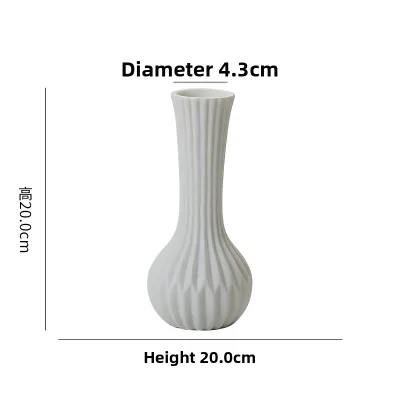
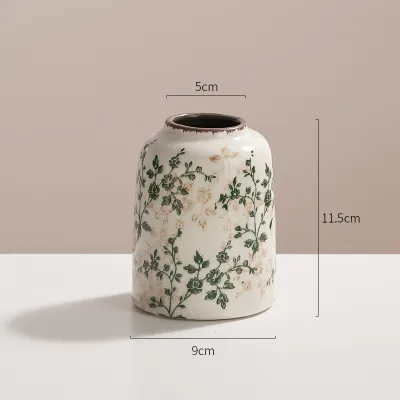
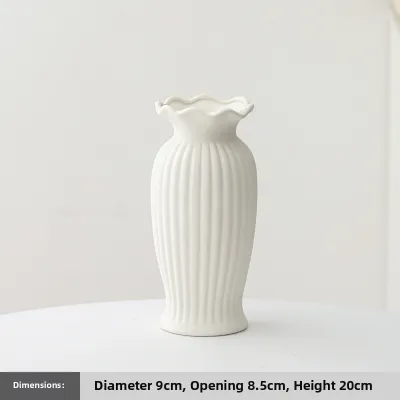
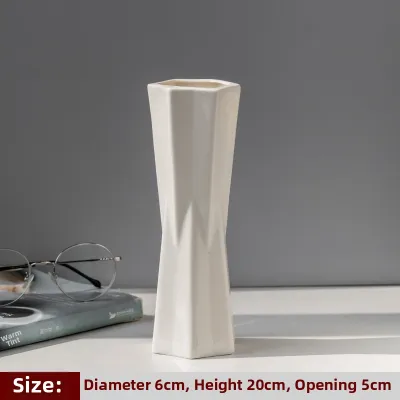
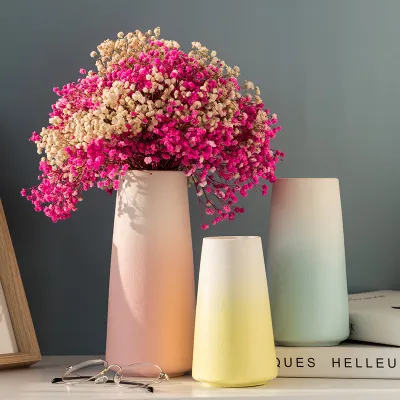
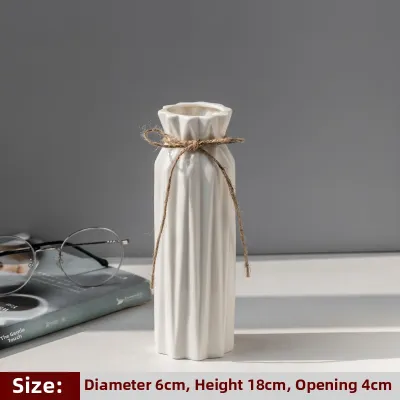
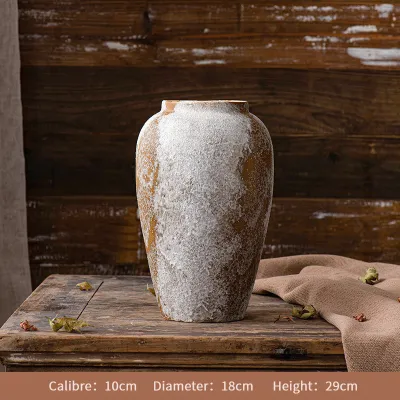
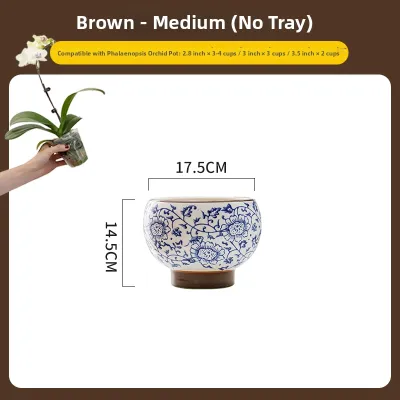
Prices are valid at publication and may change. Please refer to the product page for the latest price.
You must also determine whether the ceramic piece will serve primarily as a functional vessel or as a standalone sculptural object. A functional vase requires a practical opening, a stable base, and a waterproof interior to support fresh floral arrangements and water weight. A sculptural or decorative vase, on the other hand, prioritizes form, negative space, and artistic expression over utility. These decorative pieces often feature narrow or irregular openings, dramatic silhouettes, or delicate finishes that are ideally displayed empty or styled with a single dry branch on a prominent shelf or mantel.
Ceramic Vase Styles for Minimalist and Scandinavian Interiors
Minimalist and Scandinavian (often termed Scandi) interiors thrive on simplicity, functionality, and a sense of calm. To complement these bright, uncluttered spaces, look for ceramic vases that feature smooth matte or satin finishes, subtle pastel tones, or soft neutral shades like cream, beige, soft gray, and muted olive. Silhouettes should remain simple and clean, utilizing gentle organic curves or basic geometric forms like cylinders and spheres. These understated designs blend seamlessly into the background, enhancing the room’s airy atmosphere without introducing unwanted visual noise or clutter.

When decorating a minimalist space, it is recommended to avoid heavy, rough textures, highly reflective metallic glazes, or intricate painted patterns. These busy elements can easily disrupt the clean lines and quiet harmony of a Nordic-inspired room. Instead of relying on bold patterns for interest, focus on the subtle interplay of light and shadow on a smooth, matte ceramic surface. A single, well-placed vase with a flawless satin glaze can capture soft daylight beautifully, adding a layer of quiet sophistication to a room without demanding excessive attention.
To style these pieces effectively, consider grouping a small collection of vases with varying heights but similar shapes and color tones. Placing two or three neutral-toned ceramic vessels on an open shelf or a low sideboard creates a curated, harmonious display. Keep the arrangements simple; a single green monstera leaf, a few delicate eucalyptus stems, or even leaving the vases completely empty will preserve the clean, intentional aesthetic of your minimalist home.
Ceramic Vase Styles for Rustic and Organic Spaces
For homes that embrace rustic, farmhouse, or Wabi-Sabi design themes, ceramic vases are essential tools for introducing warmth and natural textures. These interior styles celebrate raw materials, natural imperfections, and a connection to the earth. Look for unglazed ceramics, rough stoneware, and vessels finished with reactive glazes that create variegated, unpredictable color patterns during firing. Terracotta, charcoal, sandy beige, and deep forest green are suitable color choices that ground a room and evoke a sense of nature indoors.
Embrace asymmetrical, hand-thrown, or slightly irregular shapes that highlight the human touch and the craftsmanship behind the piece. Minor imperfections, such as uneven rims, visible throwing lines, or small speckles in the clay body, are not flaws in a rustic context; rather, they are celebrated features that add unique character and soul to your decor. These organic forms contrast beautifully with the flat, manufactured surfaces of modern appliances and built-in cabinetry commonly found in Singapore apartments.
To complete the organic look, pair these highly textured ceramic vessels with dried botanicals, fluffy pampas grass, or bare, sculptural branches. The dry, delicate textures of the plants complement the rough, earthy surface of the clay, creating a balanced and visually rich display. These arrangements require virtually no maintenance, making them a practical choice for adding long-lasting, natural warmth to entryways, dining tables, or living room corners.
Ceramic Vase Styles for Contemporary and Modern Homes
Contemporary and modern interiors provide the ideal backdrop for bold, artistic expression and striking visual contrasts. In these spaces, ceramic vases can act as powerful design statements rather than mere accessories. Look for high-gloss glazes, metallic accents, and sharp, architectural silhouettes that feature dramatic angles, cutouts, or bold geometric patterns. Vibrant colors, deep blacks, or stark white ceramics can serve as strong visual anchors, drawing the eye and defining the character of a room.
An effective styling strategy for modern homes is to use a single, oversized ceramic piece as a primary focal point. Placing a large, sculptural vase on a prominent entryway console, a spacious dining table, or a low-profile living room credenza instantly elevates the space. Because modern design often features clean, streamlined furniture, a dramatic ceramic vessel with an unusual shape or a vibrant glaze provides the necessary contrast to keep the room from feeling sterile or flat.
When incorporating bold ceramic pieces, balance is key to preventing the space from feeling chaotic or cluttered. If you choose a vase with a highly complex shape or a vibrant, multi-colored glaze, keep the surrounding decor and furniture relatively neutral and streamlined. Allow the statement vase plenty of physical breathing room, leaving empty space around it so its unique form can be fully appreciated without competing with other nearby decorative objects.
Essential Sizing and Placement Checks for Your Ceramic Flower Vase
Selecting the right style is only half the battle; you must also ensure the ceramic vase fits the physical dimensions and functional demands of its intended location. When placing a vase on a dining table, opt for low, wide vessels that allow guests to see over the arrangement during conversation. For narrow entryway consoles or mantelpieces, tall and slender vases are highly suitable, as they draw the eye upward and utilize vertical space without protruding into high-traffic walkways. Always measure the height of the surface and the surrounding clearance before purchasing to ensure the proportions look balanced.
The diameter of the vase’s neck opening is another crucial factor that dictates what kind of floral arrangements it can support. A very wide opening requires a large volume of stems to look full, which can lead to flowers drooping outward if not properly supported. Conversely, a narrow neck is ideal for styling a few select stems or a single dramatic branch, but it can crowd thick-stemmed bouquets, restricting water flow and making cleaning difficult. Matching the neck opening to your chosen floral style prevents arrangement frustration and ensures your flowers remain healthy and upright.
Finally, prioritize safety and stability by verifying the base width and overall weight of the ceramic piece, especially when filled with water. Heavy stoneware and wide-bottomed vases offer high stability, making them safer choices for households with active pets or young children. Ensure that the display surface—whether it is a delicate glass shelf, a floating wooden ledge, or a slender side table—is rated to safely support the combined weight of the ceramic vessel, the water, and the floral arrangement to prevent accidental tipping or structural damage.
Frequently Asked Questions (FAQ)
How do I clean and maintain unglazed ceramic vases?
Unglazed ceramic surfaces are naturally porous, meaning they can easily absorb oils, dirt, and moisture from their surroundings. To keep them clean, use a soft-bristled brush or a dry microfiber cloth to gently remove dust from the surface on a regular basis, preventing dirt from settling deep into the clay’s pores. Avoid using harsh chemical cleaners, abrasive scrubbing pads, or dish soaps, as these can leave permanent stains or alter the natural color of the raw ceramic.
Unless the manufacturer explicitly states that the unglazed piece has been treated with an external matte sealant, avoid submerging the vase in water or leaving it wet for extended periods. For stubborn spots, try using a slightly damp cloth with plain water, testing a small, inconspicuous area near the base first to ensure it does not leave a watermark. Always check the care label or consult the maker’s instructions for specific maintenance guidelines tailored to your unique piece.
Can I use a decorative ceramic vase for fresh flowers?
Not all decorative ceramic vases are designed to hold water safely over long periods. To determine if your vase is suitable for fresh flowers, inspect the interior to see if it features a continuous, glassy glaze coat, which acts as a waterproof barrier. If the interior is unglazed, rough, or shows visible hairline cracks, water can slowly seep through the porous clay body, potentially damaging both the vase and the surface beneath it.
You can easily perform a leak test by placing the vase in a dry sink, filling it with water, and letting it sit for a few hours to check for any external condensation or dampness at the base. If the vase is unsealed but you still wish to use it for fresh arrangements, place a smaller, watertight glass or plastic container inside the ceramic shell to hold the water and stems. This simple precaution protects your decorative ceramic piece and prevents moisture damage to sensitive wooden tables or veneered furniture.

Community discussion
Share your experience or ask a question. Comments are reviewed before publication.