
Matching cushion covers to your sofa is the quickest way to transform your living room’s aesthetic, but achieving a cohesive look requires a deliberate approach. Rather than choosing patterns at random, the most successful designs rely on analyzing your sofa’s shape, fabric, and scale. By coordinating these elements, you can elevate your seating area from a simple furniture arrangement to a curated design feature.
The secret lies in balancing contrast and harmony. A well-styled sofa uses cushion covers to bridge the gap between the furniture piece and the surrounding room decor. Whether you are working with a sleek, low-profile modern sofa, a classic rolled-arm design, or an expansive sectional, understanding how to select and arrange your covers will ensure your living space feels balanced, comfortable, and visually unified.
Understanding Sofa Proportions and Design Lines
Before purchasing new cushion covers, take a close look at the structural silhouette of your sofa. The height of the backrest, the depth of the seat cushions, and the shape of the arms all dictate the size and quantity of cushions your sofa can comfortably accommodate. Ignoring these proportions often leads to a cluttered seating area where cushions either overwhelm the frame or look lost on a massive piece of furniture.
Products mentioned in this guide
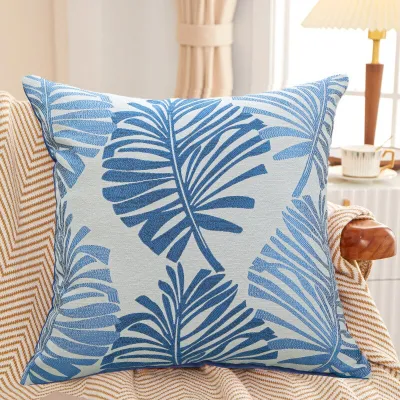
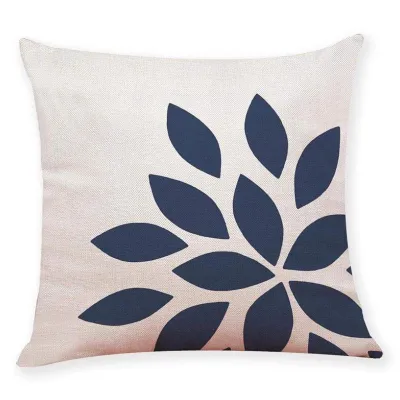
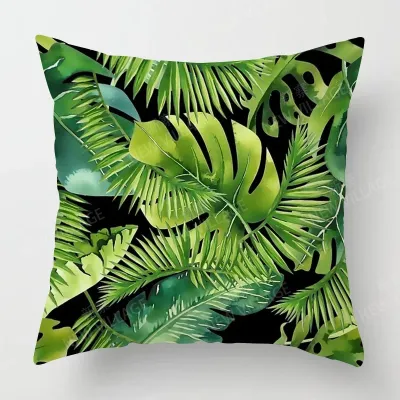
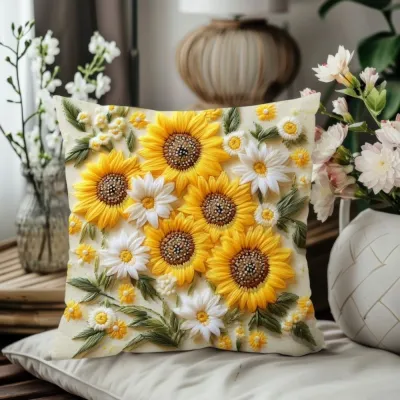
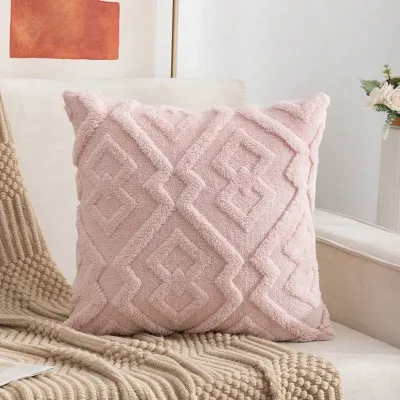
![New style sofa cushion color cushion living room modern simple cushion cover [does not include pillow core]](https://img.lazcdn.com/g/ff/kf/Se5576ee63b93468e93c9c35cd9023359y.jpg_400x400q80.jpg_.webp)
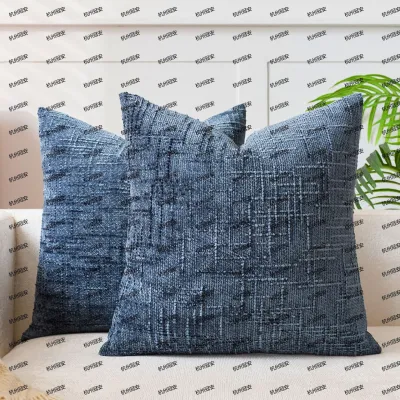
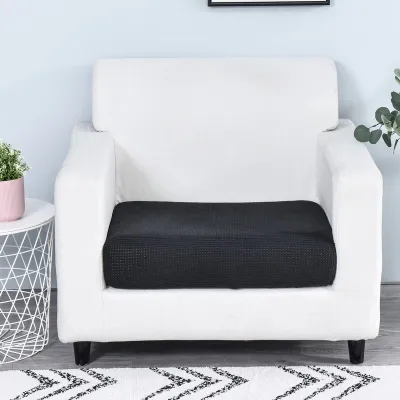
Prices are valid at publication and may change. Please refer to the product page for the latest price.
Start by identifying the primary design lines of your sofa. Sofas with sharp, straight edges and low profiles require a different styling approach than those with soft, rounded curves or deep, tufted backrests. For instance, a sofa with a low backrest is easily overwhelmed by oversized cushions; choosing smaller square covers or elongated lumbar shapes preserves the furniture’s sleek silhouette while still offering support. Conversely, deep-seated sofas benefit from larger cushion covers that physically reduce the seat depth, making the seating experience more ergonomic.
Visual weight is another critical factor to evaluate. A heavy, dark leather sofa possesses significant visual weight and requires cushion covers made from substantial, textured fabrics to balance its presence. Lightweight sofas with tall, slender legs demand a lighter touch, where fewer cushions with clean, crisp edges prevent the piece from looking top-heavy. As a general rule, aim to leave at least half of the sofa’s seating space visible to maintain a balanced, inviting appearance.
Styling Cushion Covers for Modern and Minimalist Sofas
Modern and minimalist sofas are defined by their clean lines, simple geometries, and lack of unnecessary ornamentation. When selecting cushion covers for these styles, the goal is to enhance the sleek aesthetic without introducing visual clutter. The focus should remain on high-quality materials, precise shapes, and a restrained color palette that complements the contemporary frame.

To maintain a clean look, prioritize solid colors, subtle tone-on-tone textures, or large-scale abstract prints. If you prefer patterns, opt for minimalist geometric designs with sharp, clean lines rather than intricate, busy motifs. A monochromatic color scheme—using varying shades of the same hue—works exceptionally well on modern sofas, creating depth through texture rather than contrasting colors.
Fabric selection plays a vital role in keeping modern cushions looking structured and neat. Choose fabrics with inherent stability, such as heavy linen blends, tight-weave cotton canvas, or structured wool. These materials hold their shape and maintain crisp, defined edges, which aligns perfectly with the architectural lines of modern furniture. Avoid floppy, loose-fitting covers or fabrics that easily wrinkle, as they can quickly make a minimalist space look untidy.
Additionally, steer clear of decorative embellishments. Trims, tassels, fringes, and highly ornate embroidery clash with the streamlined profile of contemporary sofas. Instead, look for clean, knife-edge seams or subtle flange borders that add a touch of sophistication without disrupting the clean lines of the room.
Choosing Cushion Covers for Classic and Traditional Sofas
Classic and traditional sofas, such as Chesterfield, English roll-arm, or camelback designs, feature rich details like tufting, rolled arms, and curved silhouettes. These sofas naturally invite a more layered, ornate approach to styling. Rather than trying to simplify these classic frames, choose cushion covers that celebrate and complement their traditional craftsmanship.
Incorporate classic patterns that have stood the test of time, such as damask, elegant florals, toile, or traditional stripes. These patterns harmonize with the historic design cues of traditional furniture. When mixing patterns on a classic sofa, vary the scale of the designs—for example, pair a large-scale floral print with a smaller, tight stripe to prevent the patterns from competing for attention.
Texture is highly effective on traditional sofas, as it adds a sense of warmth and luxury. Rich fabrics like velvet, jacquard, chenille, and embroidered cotton are excellent choices. These materials catch the light beautifully, highlighting the curves and tufting of classic sofa frames. A velvet cushion cover in a deep jewel tone can instantly elevate a traditional fabric sofa, adding depth and tactile appeal.
Do not shy away from decorative details when styling classic furniture. Cushion covers featuring piping, corded edges, or delicate fringes can tie the entire look together. These details should either match the sofa’s upholstery or offer a thoughtful contrast that highlights the cushion’s shape, reinforcing the classic, tailored aesthetic of the space.
Coordinating Cushion Covers for Sectional and Large Sofas
Sectional and large multi-seat sofas present a unique styling challenge due to their sheer size and visual mass. Without a strategic plan, a sectional can easily look like an endless block of solid fabric or a chaotic jumble of mismatched cushions. The key to styling a large sofa is to break up its visual weight while distributing colors and patterns evenly across different seating zones.
Begin by establishing a cohesive color palette of three to four coordinating tones. This palette will serve as the anchor for all the cushion covers you select. To break up the visual mass of the sectional, use a deliberate mix of solid and patterned covers. Place solid-colored cushions in shades that contrast with the sofa fabric to create distinct focal points, then layer patterned cushions nearby to tie the colors together.
Distribution is crucial for maintaining visual flow across the entire length of a sectional. Instead of crowding all your cushions in one corner, distribute them across the key seating zones: the left arm, the center corner joint, and the right arm or chaise end. For a balanced look, place your largest cushions in the deep corner section, where extra support is often needed, and use slightly smaller cushions on the outer ends.
Varying the sizes and shapes of your cushion covers is highly effective on large sofas. Mix standard square covers (such as 50x50cm) with rectangular lumbar covers. Lumbar cushions are particularly useful on sectionals because they provide targeted lower-back support in deep corner seats while adding variety to the overall height profile of your cushion arrangement.
Evaluating Fabric, Texture, and Maintenance Needs
While aesthetics are important, the practical durability and maintenance of your cushion covers are equally vital for long-term satisfaction. Before making a purchase, it is essential to evaluate how the fabric will perform under your household’s daily living conditions, especially in warm, humid climates where moisture and frequent cleaning are common factors.
Always check the manufacturer’s care labels for fabric composition and washing instructions. In humid environments, breathable natural fibers like cotton and linen are highly practical because they resist trapping heat and moisture, making them comfortable to lean against. Whether you are investing in premium designer textiles or budget-friendly cotton covers starting under S$15, checking the weave density is essential to ensure the fabric can withstand frequent washing without losing its shape.
The type of closure on a cushion cover is a key indicator of both quality and ease of maintenance. Look for covers with high-quality hidden zippers. A hidden zipper is sewn into the seam, keeping the metal hardware out of sight and preventing it from scratching your sofa’s fabric or leather. Envelope closures, which feature overlapping fabric on the back, are another durable option that eliminates the risk of zipper failure, though they may require a bit more effort when inserting or removing the cushion pad.
Finally, consider the texture of the fabric in relation to daily wear. Highly textured fabrics with loose weaves, such as some bouclés or heavily embroidered covers, are beautiful but can be prone to snagging if you have pets with claws. For high-traffic living rooms, smoother, tightly woven fabrics offer better resistance to wear and tear while remaining easy to vacuum and spot-clean.
Frequently Asked Questions (FAQ)
How do I choose the right cushion insert size for my cover?
To achieve a plump, professional look, the general rule is to select a cushion insert that is slightly larger than the cushion cover itself. For standard square covers up to 50x50cm, choosing an insert that is 5cm larger in both dimensions (for example, a 55x55cm insert inside a 50x50cm cover) prevents sagging and ensures the corners are fully filled. If you are using highly compressible inserts like natural down or feather, this size difference is essential to maintain loft. For stiffer, denser inserts like solid foam or heavy polyester fiberfill, you can use an insert of the exact same size as the cover to avoid making the cushion too hard and uncomfortable to sit against.
Can I mix different cushion cover styles on the same sofa?
Yes, mixing different cushion cover styles is an excellent way to add personality to your living room, provided you follow a few basic design principles to avoid visual chaos. The most effective way to unify diverse styles is through a shared color palette; ensure every cushion cover shares at least one common accent color. Additionally, balance the visual scale of your patterns by pairing one large-scale print (like a bold geometric or floral) with a smaller-scale pattern (such as a subtle stripe or grid) and two or three solid, highly textured covers. This variation in scale and texture keeps the arrangement visually interesting while the shared color palette maintains a sense of harmony and order.

Community discussion
Share your experience or ask a question. Comments are reviewed before publication.