
Finding the perfect decorative vase requires a thoughtful assessment of your room’s existing design language. Rather than choosing a piece solely based on its individual appeal, matching a vase to your home interior involves analyzing dominant color palettes, furniture silhouettes, and tactile materials. When selected intentionally, a decorative vase acts as a visual anchor that either harmonizes with your current decor or provides a sophisticated point of contrast.
In compact or open-plan living spaces, small decor decisions carry significant visual weight. A vase that is too small can easily get lost on a sideboard, while an oversized or overly ornate piece can make a room feel cluttered and cramped. By taking the time to diagnose your space’s design DNA, you can confidently select a decorative vase that enhances your home’s aesthetic flow and suits your daily lifestyle.
Diagnose Your Room's Dominant Interior Style
Before browsing online marketplaces or local home decor boutiques, step back and analyze the room where the vase will live. The first element to observe is the dominant color palette. Take note of the primary colors on your walls, large furniture pieces, and flooring. If your room features soft off-whites, greys, or muted earth tones, it presents a neutral canvas that can handle either matching subtle tones or a singular, bold accent color. Conversely, if your room already features vibrant jewel tones or busy wallpaper, your vase selection should help balance that energy rather than compete with it.
Products mentioned in this guide
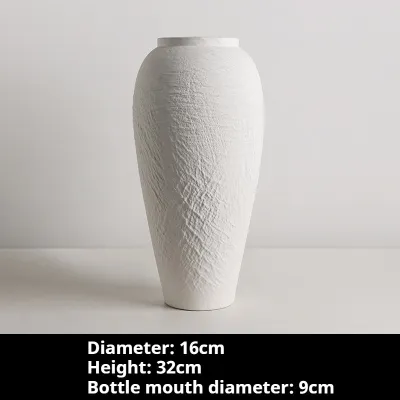
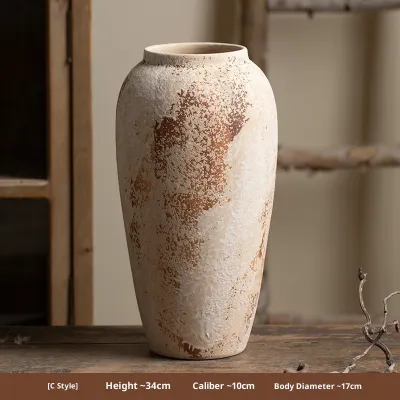
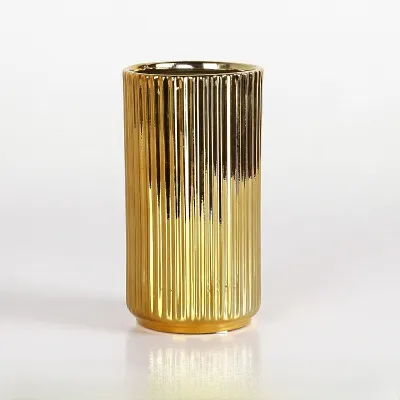
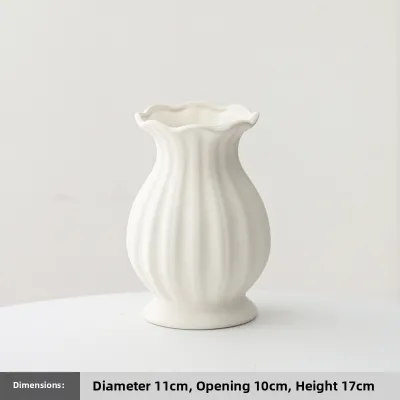
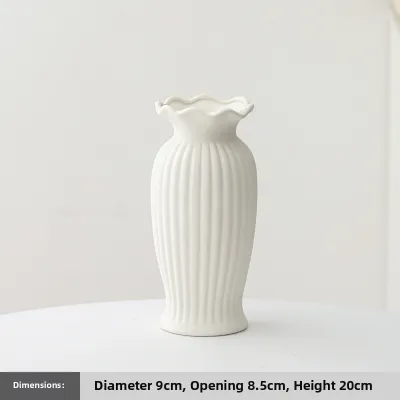
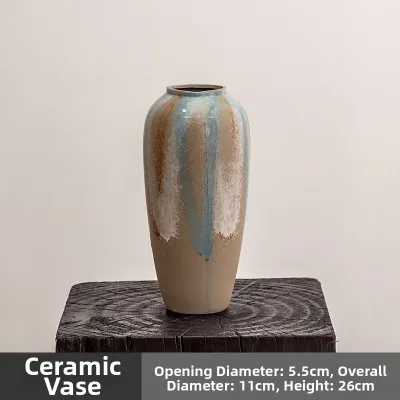
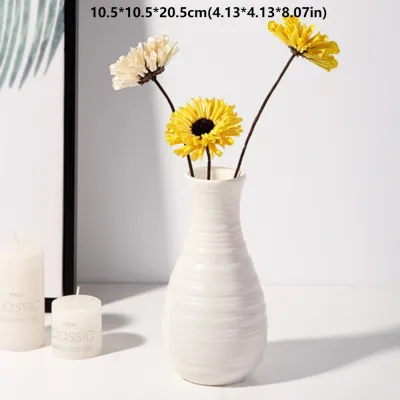
![[SGLOCAL] Square Clear Glass Vase for plant/Terrarium 10cm x 10cm](https://img.lazcdn.com/g/p/5fce3fcad17fb6dbdeac8152e37b75f9.jpg_400x400q80.jpg_.webp)
Prices are valid at publication and may change. Please refer to the product page for the latest price.
Next, evaluate the prevailing lines and shapes of your existing furniture. Look at your coffee table, dining table, shelving, and sofas. Are they characterized by clean, straight, and geometric lines, or do they feature soft, rounded curves and ornate carvings? Modern and minimalist spaces tend to favor sharp angles and strict geometry, whereas classic, Scandinavian, or bohemian spaces lean toward organic, flowing, and softer silhouettes. Matching the structural lines of your vase to the lines of your furniture creates a satisfying sense of visual continuity.
Finally, identify the dominant textures and materials in the room. Note whether your space features a lot of raw, textured wood, sleek polished marble, industrial metals, matte concrete, or soft fabrics like linen and velvet. A room filled with smooth, reflective surfaces will benefit from a textured, matte vase to introduce depth. If your room is already rich in natural textures, a smooth glass or polished ceramic piece can provide a clean, refreshing break for the eyes.
To categorize your room’s overall vibe before shopping, use this quick mental checklist:
- Modern/Minimalist: Monochromatic colors, sleek metal or glass surfaces, sharp geometric lines, and minimal visual clutter.
- Scandinavian/Japandi: Light wood tones, soft organic curves, warm neutral palettes, and natural, tactile fabrics.
- Industrial/Urban: Exposed brick, dark metals, concrete screed, raw wood, and utilitarian fixtures.
- Traditional/Classic: Symmetrical furniture layouts, rich dark woods, detailed moldings, and intricate patterns.
Match Decorative Vases to Your Identified Style
Once you have diagnosed your room’s dominant style, you can narrow down your search to vases that share complementary design characteristics. Different interior styles call for specific shapes, colors, and finishes to achieve a cohesive look.

Modern and Minimalist Spaces
In modern and minimalist environments, decor should feel intentional and uncluttered. Look for a decorative vase with strong geometric shapes, cylindrical silhouettes, or bold, asymmetrical modern forms. These clean lines echo the architectural simplicity of contemporary spaces.
Stick to monochromatic or muted tones with smooth, understated finishes. Matte black, stark white, concrete grey, or frosted glass work exceptionally well. Avoid vases with busy patterns, hand-painted scenes, or excessive ornamentation, as these details can disrupt the clean visual calm of a minimalist room.
Scandinavian and Japandi Aesthetics
Scandinavian and Japandi (Japanese-Scandinavian fusion) styles celebrate warmth, functional simplicity, and a deep connection to nature. For these spaces, choose vases with organic, slightly imperfect shapes and soft, rounded silhouettes that evoke a handcrafted feel.
Opt for earthy, warm neutrals such as terracotta, beige, soft sage, or warm cream. Focus heavily on natural textures. Ribbed glass, unglazed stoneware, and lightly textured clay vases are excellent choices because they introduce a tactile quality without relying on loud colors or complex patterns.
Industrial and Urban Environments
Industrial interiors thrive on raw, unrefined materials and architectural details. To complement this edgy aesthetic, select vases with metallic finishes like brushed steel, antique copper, or weathered brass, as well as solid concrete or dark, moody stoneware.
Look for angular, blocky, or intentionally rugged designs that look like they could have a utilitarian origin. A heavy, dark charcoal or rust-colored ceramic vase pairs beautifully with exposed brick walls, matte black metal framing, and concrete floors, reinforcing the raw charm of urban loft styling.
Traditional and Classic Interiors
Traditional homes demand a sense of elegance, symmetry, and historical appreciation. For these classic rooms, look for symmetrical silhouettes such as traditional urns, amphoras, or classic bottle shapes that carry a timeless presence.
These spaces are ideal for rich, deep colors, intricate patterns, and hand-painted details, such as classic blue-and-white porcelain. Focus on high-gloss or polished finishes, including fine porcelain, cut crystal, or heavily glazed ceramics that catch and reflect light elegantly alongside classic wooden furniture.
Determine the Right Scale and Placement for Your Space
Choosing the right style is only half the battle; selecting the correct scale and proportion is crucial for ensuring the vase fits harmoniously into your home. Before making a purchase, measure the exact surface area of the designated spot, whether it is a dining table, entryway console, floating shelf, or sideboard. A common mistake is choosing a vase that is too small, which can look lost and insignificant, or selecting a piece so wide that it crowds the surface and leaves no breathing room.
To establish pleasing proportions, consider the height of the vase relative to its surroundings. If you plan to place a decorative vase on a dining table, keep the combined height of the vase and any floral inserts under 30 centimeters so that guests can easily maintain eye contact across the table. For sideboards and consoles, aim for a vase height that is roughly one-third to one-half the height of the wall space or mirror behind it. If you are placing a vase on a floating shelf, ensure there is at least 10 centimeters of clearance above the top of the vase or its stems to prevent a cramped look.
Evaluate the “visual weight” of the vase material. Dark, solid, and opaque materials like black ceramic, concrete, or cast iron have a heavy visual weight. They act as strong anchors and work best on sturdy furniture pieces or as floor vases in empty corners. On the other hand, light, transparent, or semi-translucent glass vases have a light visual weight. They allow light to pass through, making them ideal for narrow entryways, small coffee tables, or crowded shelves where you want to maintain an airy, spacious feel.
In compact Singapore apartments, such as HDB flats or condominiums, managing room volume is essential. Large, bulky floor vases can easily obstruct walking paths and make a small living room feel even tighter. Instead, opt for slender, tall vertical silhouettes that draw the eye upward, emphasizing ceiling height rather than consuming valuable floor space. If you are mounting shelves to display decorative items, always verify the manufacturer’s maximum weight limits and use appropriate wall anchors to ensure your surfaces can safely support heavier ceramic or stoneware vases.
Select Materials and Finishes for Texture and Climate
When selecting a decorative vase, the material and finish should balance aesthetic contrast with practical maintenance. You can use your vase to introduce tactile interest by applying the principle of contrast. If your room features a highly polished marble dining table or a sleek glass console, pairing it with a rough, unglazed stoneware or matte ceramic vase creates an appealing tactile contrast. Conversely, if you have a rustic wooden table with a heavy grain, a smooth, glossy glazed ceramic or clear glass vase will offer a clean, balancing touch.
Practicality is equally important, particularly when decorating for Singapore’s tropical, high-humidity climate. In non-air-conditioned spaces, semi-outdoor balconies, or areas near kitchens, high humidity can cause mold or mildew to develop on certain materials. Avoid untreated natural fibers, highly porous low-fire clay, or delicate paper-wrapped decorative vases in these environments, as they can absorb moisture from the air. Instead, look for high-fired stoneware, fully glazed ceramics, or non-porous glass, which are highly resistant to moisture and incredibly easy to wipe clean with a damp cloth.
Weight and stability are critical safety considerations, especially for tall, narrow vases or those placed in high-traffic zones like entryways and hallways. A lightweight plastic or thin glass vase holding top-heavy floral arrangements can easily tip over from a slight breeze or an accidental bump. To prevent tipping, choose vases with wide, heavy bases. If you fall in love with a lightweight vase, you can improve its stability by adding decorative river stones, clean sand, or glass marbles to the bottom to lower its center of gravity. Always review the manufacturer’s care instructions to confirm if a decorative vase is rated to hold water, as some rustic or unglazed ceramic pieces are strictly designed for dry display and can slowly leak, damaging wooden furniture underneath.
Run a Final Pre-Purchase Compatibility Check
Before finalizing your purchase, take a moment to run through a quick compatibility check to ensure your chosen decorative vase is a perfect match for your home.
First, verify that the design, color, and finish align with the dominant style of your room. Ask yourself if the vase enhances the overall aesthetic or if it introduces unnecessary visual confusion. Next, double-check the physical dimensions. Use a measuring tape to visualize the height, width, and depth of the vase in its intended spot, ensuring it will not block cabinet doors, hanging artwork, or walking paths.
Consider the care and maintenance requirements of the material. Intricately textured or deeply ribbed vases may require frequent dusting with a soft brush, while delicate colored glass should be kept out of harsh, direct tropical sunlight to prevent the colors from fading over time. Finally, if you are purchasing from an online home decor retailer, review their return policies and fragile shipping guarantees so you are fully covered in the unlikely event that your vase arrives damaged.
Frequently Asked Questions (FAQ)
Can I mix different vase styles in one room?
Yes, you can successfully mix different vase styles by establishing a unifying element to tie them together. For example, you can display vases of varying shapes and heights if they share a consistent color palette, such as all matte white or all amber glass. Alternatively, you can mix different colors if the vases share the same material and finish, such as glazed ceramic. To maintain a curated look and avoid visual clutter, limit the number of highly contrasting styles to two or three per room.
How do I choose a vase color that doesn't clash with my walls?
To choose a vase color that complements your walls, decide whether you want the vase to stand out or blend in. For a bold, eye-catching statement, use complementary colors, such as placing a deep terracotta or amber vase against a cool blue or grey wall. For a calming, cohesive, and seamless aesthetic, choose monochromatic or analogous shades that are slightly lighter or darker than your wall color, allowing the vase to blend softly into the background.

Community discussion
Share your experience or ask a question. Comments are reviewed before publication.