
A beautiful floral arrangement relies as much on its vessel as it does on the blooms themselves. Selecting the right vase is not merely an aesthetic choice; it directly influences how stems sit, how water circulates, and how long your flowers remain vibrant. When a vase matches the structural needs of your floral display, it transforms a simple bundle of stems into a balanced, professional-looking centerpiece.
Understanding the relationship between the vessel and the flowers prevents common arrangement frustrations, such as stems drooping awkwardly or top-heavy arrangements tipping over. By matching the physical characteristics of your vase—such as height, opening diameter, and material weight—to the specific requirements of your flowers, you can elevate your home decor while ensuring your floral displays last as long as possible.
How Vase Proportions Affect Your Arrangement
Achieving visual harmony in floral design begins with understanding basic proportions. A classic guideline used by florists is the rule of thirds, where the height of the vase should represent roughly one-third of the overall height of the arrangement, leaving the remaining two-thirds for the exposed stems and blossoms. While this ratio can be adjusted for dramatic effect, keeping the vase height between 40% and 60% of the total stem length generally provides the most stable and visually pleasing balance.
Products mentioned in this guide
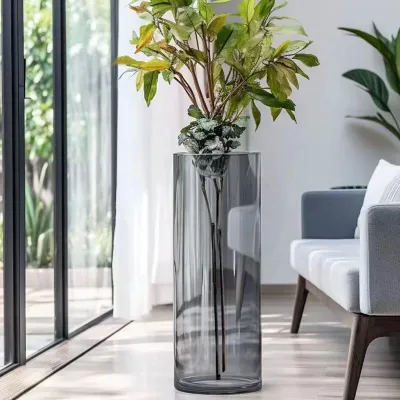
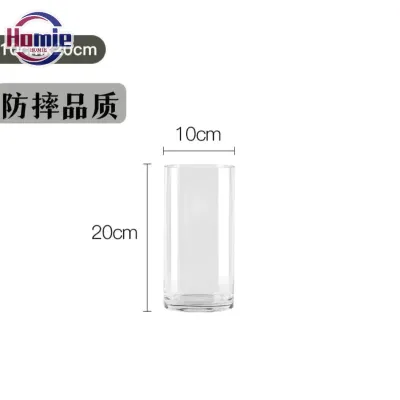
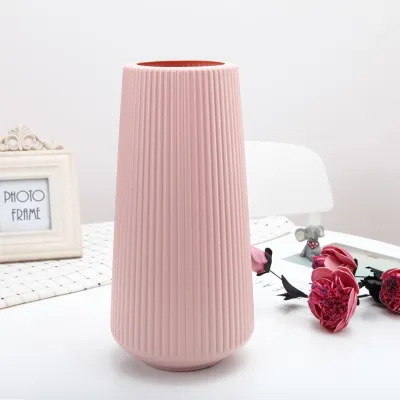
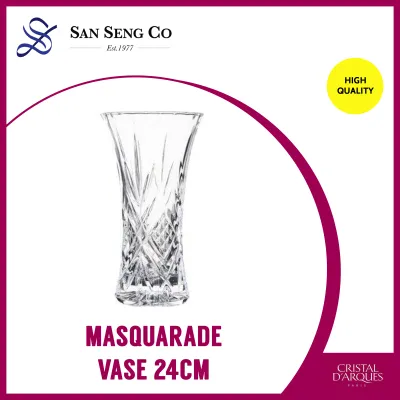
Prices are valid at publication and may change. Please refer to the product page for the latest price.
The width of the neck and the opening diameter are equally critical in determining how your arrangement behaves. A wide opening allows stems to spread outward, creating a loose, voluminous display, but it requires a larger volume of flowers or internal support to prevent the stems from falling to the sides. Conversely, a narrow neck clusters the stems together, forcing them into a tighter, more upright column that naturally supports fewer blooms.
Base weight and footprint are essential safety and structural considerations, particularly for top-heavy flowers like hydrangeas, lilies, or large sunflowers. A vase with a narrow base and a wide top is highly susceptible to tipping over once filled with heavy blossoms, even when filled with water. Choosing a vessel with a broad, heavy base—such as thick-bottomed glass or solid stoneware—ensures that the center of gravity remains low, protecting your tabletops and shelves from accidental spills.
Matching Vases to Fresh Bouquets and Mixed Stems
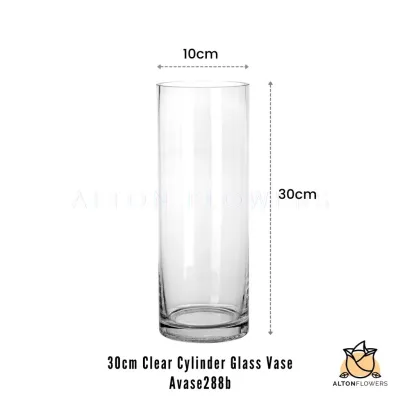
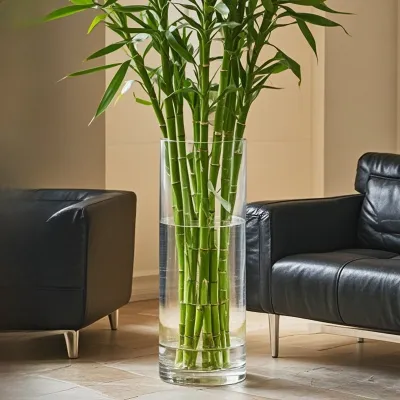
Fresh bouquets and mixed-stem arrangements require vessels that can accommodate multiple stems while providing adequate water volume to keep the flowers hydrated. Cylinder and rectangular vases are excellent choices for structured, dense bouquets with thick, straight stems. The straight walls of a cylinder vase keep stems upright and aligned, making them ideal for classic arrangements of roses, tulips, or calla lilies where a clean, modern silhouette is desired.

For loose, organic, garden-style arrangements, wide-mouth bowls and compote vessels offer the perfect canvas. These wide shapes allow flowers to spill naturally over the edges, creating a romantic, cascading effect. Because these vessels have wide openings, they typically require internal structural support—such as a metal floral frog or a grid made of waterproof tape—to hold the stems in place and prevent them from collapsing into a disorganized heap.
Flared or hourglass vases, which narrow slightly in the middle before opening up at the top, offer a versatile middle ground for mixed bouquets. The narrow neck gently bunches the stems together to provide support, while the flared top allows the blooms to spread out and breathe. This shape is particularly beneficial for delicate, multi-branched stems like spray roses or eucalyptus, as it prevents the blossoms from crowding each other and promotes better air circulation, which helps prevent premature wilting.
Selecting Vases for Single Stems and Minimalist Displays
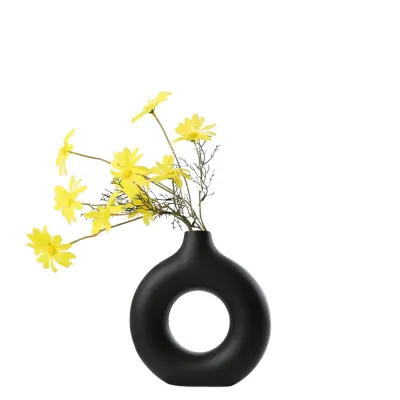
Minimalist floral displays focus on the elegant form of individual stems, requiring a delicate balance where the vessel does not overpower the flower. Bud vases and narrow-neck bottles are specifically designed for this purpose, featuring a tiny opening that holds a single stem or a small cluster perfectly upright. This style is ideal for showcasing a solitary, striking bloom—such as a single peony, an orchid stem, or a delicate wildflower—allowing the viewer to appreciate the unique geometry of the plant.
To create a more dynamic visual impact with minimalist displays, consider grouping multiple small vases of varying heights and shapes together. This clustered approach allows you to display several single stems in a cohesive arrangement that feels expansive yet light. By scattering these small vessels across a dining table or a mantelpiece, you can create a flowing, rhythmic centerpiece that is easy to talk over and simple to assemble.
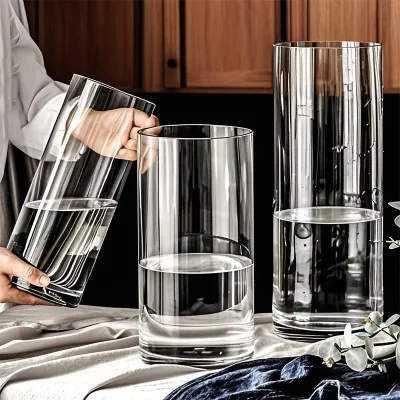
When choosing materials for minimalist displays, the choice between clear glass and opaque ceramic significantly alters the visual outcome. Clear glass vessels expose the stems and water, adding a clean, organic, and airy quality to the display, though this requires keeping the water pristine and free of debris. Opaque ceramic, colored glass, or stoneware vessels hide the stems entirely, shifting the viewer’s focus solely to the color and texture of the blossom while concealing any discoloration in the water.
Styling Vessels for Dried and Preserved Arrangements
Dried and preserved botanicals have unique physical properties—such as lightweight stems, brittle textures, and a complete lack of moisture—that require a different approach to vessel selection. Because dried stems like pampas grass, lavender, or preserved palm leaves are incredibly light, they can easily cause lightweight plastic or thin glass vases to become top-heavy and unstable. Opting for heavy, textured materials like stoneware, unglazed ceramic, terracotta, or cast metal provides the necessary physical ballast to anchor these airy arrangements securely.
Wide-mouth and shallow vessels are highly effective for showcasing sprawling dried branches, cotton stems, or structured preserved foliage. These shapes allow the dried elements to fan out naturally, emphasizing their architectural forms and rustic textures. Since dried arrangements do not require water, you can experiment with unconventional vessels, such as decorative wooden bowls, woven baskets, or vintage metal canisters, which add warmth and character to your interior decor.
When styling dried arrangements, it is crucial to avoid vessels designed to retain moisture or those with intricate, hard-to-reach interiors. Over time, dried botanicals collect dust, and because they cannot be washed like fresh flowers, the vessel itself must be easy to clean. Selecting shapes with accessible interiors allows you to easily wipe out dust or debris, ensuring your waterless displays remain clean and hygienic without damaging the delicate, preserved stems.
Practical Checks Before Buying a Vase
Before purchasing a new vase, taking a few practical measurements and material checks can prevent disappointment and ensure the vessel fits seamlessly into your home. Start by measuring the specific display surface where you plan to place the arrangement, paying close attention to vertical clearance. In compact urban apartments where shelf space and mantelpieces are often shared with other decor, measuring vertical clearance is essential to ensure there is sufficient height not only for the vase itself but also for the extended stems of your chosen flowers.
Next, verify the waterproof integrity of the material, especially if you plan to use it for fresh flowers. Many decorative vessels made of unglazed ceramic, terracotta, carved wood, or certain metals are porous or prone to rusting, meaning they will slowly seep moisture onto your furniture. If you are considering a porous material, check the manufacturer’s instructions to see if it is rated as watertight, or plan to use a protective coaster or an internal liner to safeguard your wooden tables and stone countertops from water rings.
Finally, assess how easy the vase will be to clean after use. Fresh flower water quickly accumulates bacteria and organic residue, which can shorten the lifespan of future arrangements if not thoroughly scrubbed away. Avoid vases with extremely narrow, winding necks or complex internal geometries unless you have a specialized flexible bottle brush that can reach every corner. A vase that is easy to clean with standard dish soap and a brush will remain a practical, frequently used staple in your decor collection rather than a dusty ornament.
Frequently Asked Questions (FAQ)
How do I keep flowers upright in a vase that is too wide?
Keeping stems upright in a wide-mouth vase can be easily achieved using simple structural aids. One of the most effective methods is to create a grid pattern across the opening of the vase using clear, waterproof floral tape. By spacing the tape in a checkerboard pattern, you create individual pockets that hold each stem securely in place. Alternatively, you can place a reusable metal floral frog, glass marbles, or clean river pebbles at the bottom of the vase to weigh down the base and provide physical slots to insert and anchor the stems.
Can I use a decorative vase that is not completely waterproof?
Yes, you can use non-watertight decorative vessels for fresh flowers by using a simple double-vessel technique. Placing fresh water directly into unglazed ceramics, wood, or porous metals risks causing mold, rot, and permanent water damage to both the vessel and your furniture. To safely display fresh flowers in these containers, find a smaller, fully waterproof glass jar, plastic cup, or test tube that fits entirely inside the decorative outer vase. Fill this inner liner with water and place your stems inside it, keeping the exterior vessel completely dry and protected.

Community discussion
Share your experience or ask a question. Comments are reviewed before publication.