
Pairing a tea candle holder with a scented candle is an artful way to harmonize sight and scent, transforming a simple flame into a multi-sensory experience. By matching the physical properties of a holder—such as its material, opacity, and light-scattering patterns—with the specific notes of a fragrance, you can amplify the desired mood of any room. Whether you are seeking a calming sanctuary in a high-rise apartment or a bright, welcoming entryway, this intentional design approach ensures your home decor and home fragrances work in perfect unison.
While many treat candle holders as purely protective vessels, they function as visual amplifiers for the scent itself. The way a holder shapes light, casts shadows, and presents its texture directly influences how our brains interpret the surrounding atmosphere. By understanding these sensory connections, you can curate spaces that feel cohesive, balanced, and deeply comforting.
The Role of Tea Candle Holders in Scented Experiences
The visual environment of a room heavily influences how we perceive fragrances. A tea candle holder acts as a medium that translates the invisible notes of a scent into a visible aesthetic. When a candle is lit, the holder determines how the light is dispersed—whether it is focused into a sharp, bright beam, diffused into a soft, warm glow, or fractured into intricate patterns across the walls. These lighting effects set the psychological stage, priming your senses for the olfactory experience to follow.
Products mentioned in this guide
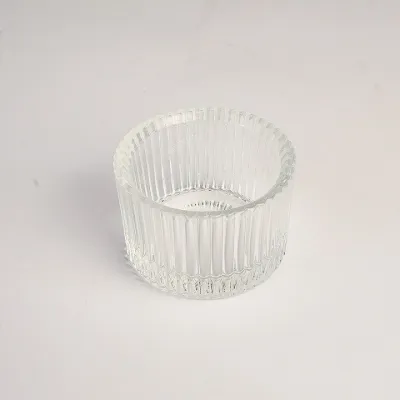
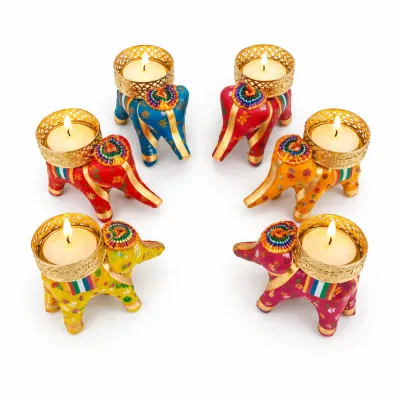
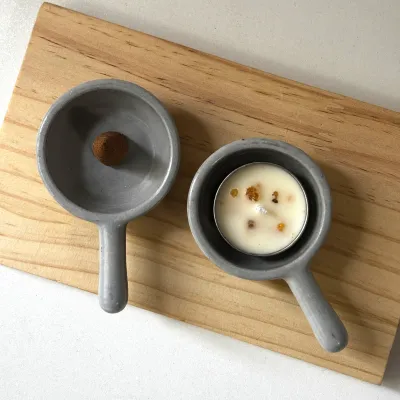
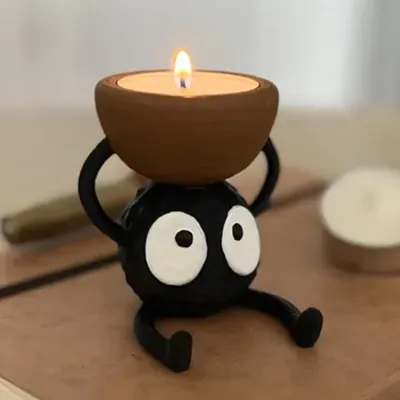
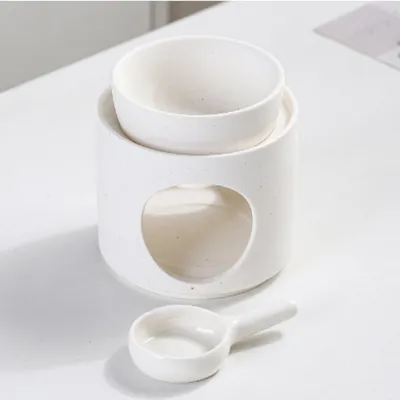
Prices are valid at publication and may change. Please refer to the product page for the latest price.
Material textures and finishes also play a significant role in shaping our expectations of a scent. A matte, rough-textured ceramic holder naturally evokes feelings of earthiness and simplicity, making it an intuitive match for rustic or grounding fragrances. Conversely, a polished metal or glossy glass holder suggests cleanliness, modern luxury, and precision, which aligns more naturally with crisp, refined scents. When the visual cues of the holder match the characteristics of the fragrance, the overall sensory impact is significantly enhanced.
By moving away from random placement and adopting an intentional pairing strategy, you can use these small decor elements to define the character of different living zones. A well-chosen holder does not just sit on a table; it actively shapes the room’s ambiance, helping to transition a space from a functional daytime area to a relaxing evening retreat.
Pairing Strategies for Key Scent Profiles
Achieving sensory synergy requires balancing the visual “temperature” of your tea candle holder with the emotional tone of the fragrance. Bright, cool scents benefit from holders that maximize light and clarity, while deep, warm scents are best complemented by materials that soften or restrict light. By matching these elements, you create a unified sensory message that feels natural and balanced.

Color and opacity are your primary tools when aligning a holder with a fragrance family. Highly opaque materials like stone or thick clay keep the light contained, creating an intimate, low-light environment that suits heavy, complex scents. Translucent or clear materials allow the flame to shine brightly, reinforcing the uplifting qualities of lighter, more volatile fragrance notes.
Floral Scents: Soft, Romantic, and Delicate Moods
Floral fragrances, such as jasmine, rose, and lavender, are celebrated for their delicate, soothing, and romantic qualities. To complement these gentle olfactory profiles, choose tea candle holders made from translucent glass, pastel-toned ceramics, or intricate metal filigree. Translucent glass gently softens the flame’s glow without completely blocking it, mimicking the soft, natural light of dawn or dusk.
When lit, holders with delicate cutouts or frosted finishes project scattered, dancing shadows that add a layer of visual romance to the room. This soft diffusion prevents the light from feeling too harsh or clinical, mirroring the gentle nature of floral petals. The resulting atmosphere is quiet and contemplative, allowing the floral notes to drift through the air without visual competition.
These pairings are particularly effective in private sanctuaries such as bedrooms, reading nooks, or quiet bathing spaces. Placing a pastel ceramic holder on a bedside table or a filigree metal holder near a vanity creates a personal retreat where you can unwind at the end of the day, letting the soft light and floral aromas ease mind and body.
Woody and Earthy Scents: Grounding, Rustic, and Cozy Vibes
Woody and earthy scents, including sandalwood, cedar, patchouli, and amber, evoke a sense of warmth, stability, and connection to nature. To reinforce these grounding qualities, opt for holders crafted from natural, tactile materials such as slate, concrete, dark matte ceramics, or sustainably sourced wood. It is crucial to ensure that any wooden holder features a robust, fire-safe metal or glass insert to isolate the flame from the organic material.
These dense, opaque materials absorb light rather than reflecting it, focusing the illumination upward and creating a concentrated, warm glow. The absence of harsh reflections or bright glares helps establish a cozy, low-stimulus environment that encourages relaxation. The physical weight and raw texture of stone or concrete visually anchor the candle, echoing the deep, enduring qualities of forest-inspired scents.
This combination is ideal for living rooms, home libraries, or dedicated meditation spaces. In modern, minimalist apartments, these earthy pairings introduce a touch of organic warmth, making large or open-plan areas feel more intimate, sheltered, and deeply comfortable during quiet evenings.
Citrus and Fresh Scents: Bright, Clean, and Energizing Spaces
Citrus and fresh fragrance profiles—featuring notes of lemongrass, bergamot, eucalyptus, and sea salt—are designed to invigorate, cleanse, and energize. To match this vibrant energy, select holders made from clear glass, highly polished metals, or bright white glazed ceramics. These materials do not hide the flame; instead, they celebrate and multiply its light.
Clear glass allows the full brightness of the flame to illuminate the surroundings, while polished metallic surfaces reflect the light, creating sharp, lively highlights that mimic natural daylight. This high-clarity illumination reinforces the clean, refreshing sensations associated with citrus and marine scents, making the entire room feel more spacious and airy.
Position these bright pairings in high-traffic or functional areas such as kitchens, bathrooms, or entryways. In a busy entryway, a polished metal holder paired with a zesty citrus candle creates an immediate impression of freshness and hospitality, welcoming guests with an uplifting burst of light and scent.
Matching Holder Materials to Room Decor and Lighting
To integrate your candle pairings seamlessly into your home, consider how the holders interact with your existing furniture, textiles, and color palettes. A holder should not look out of place when unlit during the day. For instance, if your room features warm wooden furniture and soft linen textiles, matte ceramic or stone holders will blend naturally, whereas highly polished chrome holders might feel overly clinical unless balanced by other metallic accents.
It is also important to observe how natural daylight and artificial evening lighting affect your chosen materials. During the day, a colored glass holder placed near a window can catch the natural sunlight, casting beautiful, colorful reflections across the room even before the candle is lit. In the evening, when artificial lights are dimmed, the same holder will rely entirely on the internal flame, shifting the room’s mood from bright and playful to warm and mysterious.
For a more curated, designer-inspired look, try mixing and matching multiple tea candle holders to create a layered tablescape. Instead of using identical holders, group three different holders of varying heights, shapes, or complementary materials—such as pairing a low concrete holder with a medium-height frosted glass cylinder. This creates visual depth and allows you to burn complementary scents simultaneously, blending both visual textures and fragrance notes to suit your personal style.
Safety and Practical Checks for Tea Light Pairings
Enjoying scented candles requires a commitment to safety and proper maintenance. Before lighting any tea candle, verify the physical compatibility between the candle and the holder. The inner diameter of the holder must be slightly larger than the tea light cup to allow for adequate clearance. If a tea light fits too snugly, heat can trap around the metal or plastic cup, potentially causing the wax to liquefy too quickly or overheating the holder itself.
Always prioritize heat resistance and fire safety. Ensure your tea candle holder is placed on a flat, stable, and heat-resistant surface, away from flammable materials such as curtains, books, or dried floral arrangements. If you are using holders made from natural materials like wood or bamboo, always double-check that the protective glass or metal insert is securely in place and free from cracks. Never leave a burning candle unattended, and keep them out of reach of children and pets.
Proper ventilation is essential for a clean burn and to prevent soot buildup. In warm, humid climates where air conditioning or ceiling fans are frequently running, position your candle holders away from direct drafts. Strong drafts cause the flame to flicker excessively, leading to incomplete combustion, rapid burning, and dark soot deposits on the inner walls of your holders. Ensure there is a gentle, steady flow of ambient air in the room rather than a direct breeze hitting the flame.
Regularly inspect your collection of tea candle holders for signs of wear and tear. Over time, repeated exposure to heat can stress materials, leading to micro-cracks in glass or structural weakness in ceramics. If you notice any visible chips, deep cracks, or severe heat discoloration, discontinue using the holder immediately. Replacing a compromised holder ensures your home remains safe while preserving the beauty of your decorative displays.
Frequently Asked Questions (FAQ)
Can I use the same tea candle holder for different scented candles? (FAQ)
Yes, you can reuse the same holder for different scents, provided you clean it thoroughly between uses to prevent olfactory clashing. For non-porous materials like glass, glazed ceramic, and polished metal, wash the holder with warm, soapy water to remove any residual wax, soot, or concentrated fragrance oils. A gentle wipe with isopropyl alcohol on a soft cloth can help eliminate stubborn scent residues.
Be cautious with highly porous materials such as unglazed clay, terracotta, or natural stone. These materials can absorb fragrance oils over time, retaining a faint scent even after the candle is gone. To avoid unpleasant scent cross-contamination, it is best to dedicate porous holders to a single fragrance family, such as using one specific stone holder exclusively for woody or earthy scents.
How do I prevent soot from staining my tea candle holder? (FAQ)
To minimize soot buildup, always trim the wick of your tea light to between 3mm and 5mm before lighting it. A long or split wick creates a larger, unstable flame that produces excess smoke and soot. Additionally, keep the candle holder away from active drafts, such as open windows, air conditioning vents, or high-traffic pathways where moving air can disturb the flame.
If soot does accumulate on the inside of your holder, clean it promptly to prevent permanent staining. For glass and metal holders, wait until the vessel has cooled completely, then wipe the soot away using a damp microfiber cloth and a small drop of mild dish soap. Avoid using abrasive scrubbing pads or harsh chemical cleaners, as these can scratch glass surfaces or strip away protective metallic finishes.

Community discussion
Share your experience or ask a question. Comments are reviewed before publication.