
Placing a Green Tara statue in your home is a beautiful way to invite the energies of swift compassion, protection, and active wisdom into your living space. In Buddhist tradition, Green Tara is revered as a motherly deity who quickly responds to the suffering of sentient beings. To honor her presence, her statue should be positioned in a clean, elevated, and peaceful area that supports quiet reflection and daily practice. Proper placement is not about rigid superstition, but rather about cultivating a state of deep respect, mindfulness, and devotion within your household.
Choosing the Right Location for Your Altar
Creating a dedicated space for your Green Tara statue begins with selecting the right room or area in your home. Ideally, this should be a quiet, peaceful spot away from the main pathways of household traffic, loud entertainment systems, and daily chaos. A study, a dedicated meditation room, or a quiet corner of a living room can serve as an excellent sanctuary for your spiritual practice.
Environmental factors also play a significant role in preserving the physical integrity of your statue. Avoid placing the altar in areas exposed to direct, harsh sunlight, which can fade painted details, crack wooden carvings, or degrade resin materials over time. Similarly, keep the setup away from air conditioning vents or drafty windows where sudden temperature shifts or moisture accumulation might damage delicate finishes.
Products mentioned in this guide
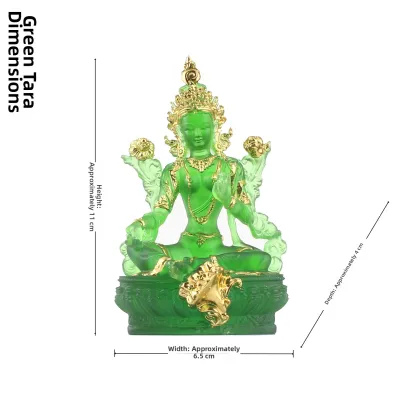
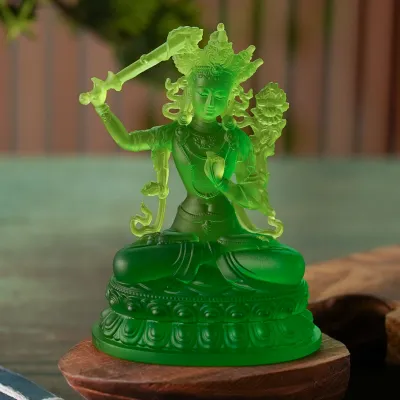
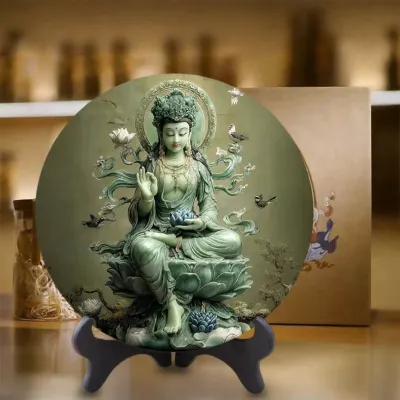
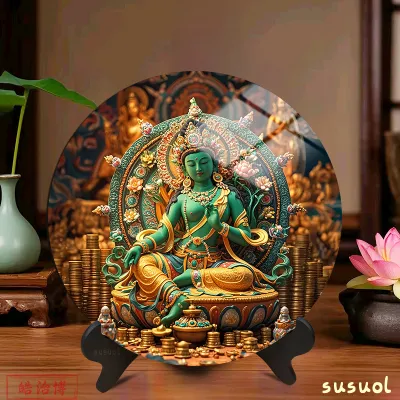
Prices are valid at publication and may change. Please refer to the product page for the latest price.
Certain areas of the home must be avoided entirely to maintain proper respect. Bathrooms, kitchens, and utility closets are considered inappropriate due to the association with waste, cooking grease, and physical impurities. Additionally, a sacred statue should never be placed directly on the floor, as this position lacks the elevation that symbolizes spiritual honor and reverence.
The surrounding environment should always remain clean, orderly, and free from secular clutter. Avoid mixing your sacred altar space with everyday household items like keys, mail, shoes, or unrelated decorative trinkets. Keeping the immediate vicinity pristine ensures that your mind remains focused and undisturbed whenever you approach the statue for meditation or prayer.
Proper Orientation and Elevation Guidelines
Elevation is one of the most critical aspects of Buddhist altar setup. Your Green Tara statue should always be positioned well above waist level, and ideally at eye level when you are standing. Placing the deity on a high shelf, a dedicated cabinet, or a sturdy altar table ensures that you look up to the image, which naturally fosters a sense of humility and respect.

When considering the direction the statue faces, traditional guidelines often suggest placing the altar so that the deity faces east or south. Facing east aligns your practice with the rising sun, symbolizing spiritual awakening, while facing south is associated with abundance and warmth. However, if your home layout does not easily accommodate these directions, prioritize a clean, stable, and respectful position over strict compass alignments.
The physical relationship between the statue and the rest of the room is highly important. Avoid placing the altar in a spot where the statue directly faces a bathroom door, a closet, or a bed. In many Asian and Buddhist cultures, it is also considered highly disrespectful to sit or lie down with the soles of your feet pointed directly at a sacred image; position your seating and the altar to prevent this alignment.
If you live in a multi-story home, consider what is located on the floor directly above the altar. It is traditional to avoid placing a sacred space directly beneath a bathroom, a heavy-traffic hallway, or a bed on the upper level. If this cannot be avoided due to architectural constraints, choosing a high cabinet with a solid top shelf can provide a symbolic layer of protection and separation.
Arranging the Altar and Traditional Offerings
When setting up your altar, the arrangement of items should reflect a clear spiritual hierarchy. If Green Tara is your primary focus of practice, she can occupy the central position. However, if you have a statue of Buddha Shakyamuni, he is traditionally placed in the center or at the highest point, with Green Tara positioned to his side. Sacred texts, representing the speech of the Buddha, are placed to the left of the central statue (from the viewer’s perspective), while a stupa or relic container, representing the mind of the Buddha, is placed to the right.
Traditional offerings are an essential part of daily practice and are typically arranged in a straight line in front of the statue. The most common setup involves seven or eight offering bowls filled with clean water, representing drinking water, washing water, flowers, incense, light, perfume, food, and music. These bowls should be spaced evenly, about the width of a grain of rice apart, and filled carefully each morning without spilling.
Lighting is a powerful offering that symbolizes the dispersal of spiritual darkness. While traditional butter lamps and wax candles are beautiful, they present significant fire hazards in modern apartments. Safe alternatives like LED butter lamps or low-wattage electric altar lights are highly recommended. When selecting electric lighting, always verify the voltage compatibility, ensure the plug matches your local outlets, and check for recognized electrical safety certifications to prevent short circuits. For any custom-installed or hardwired altar lighting, always isolate the power source before installation, follow the manufacturer’s instructions, and consult a qualified electrician to ensure safe wiring. While warm, golden light is often preferred to create a serene, meditative atmosphere, the choice of color temperature remains a personal preference rather than a strict ritual requirement.
If you choose to burn traditional incense or light real candles, never leave them unattended. Ensure the altar is constructed from fire-resistant materials or use protective glass or ceramic trays to catch falling ash. The true essence of any offering lies in the purity of your intention; regular renewal of fresh flowers, clean water, and simple food offerings reflects an active, living connection to your practice.
Daily Maintenance and Respectful Cleaning
Maintaining a clean altar is a direct extension of your spiritual practice, reflecting the inner purification of your own mind. To clean the altar and the Green Tara statue, you should use dedicated cleaning tools. Keep a set of soft microfiber cloths, small brushes, and duster tools exclusively for the altar, storing them separately from your general household cleaning supplies to avoid cross-contamination.
When cleaning the statue itself, proceed with gentleness and care, keeping the specific material in mind. For painted, gilded, or gold-leafed statues, avoid using water or liquid cleaners entirely, as moisture can easily lift the delicate paint or gold finish; a soft, dry makeup brush is ideal for removing dust from intricate crevices. For solid metal, wood, or resin statues, a slightly damp, clean cloth may be used, but you must dry the surface immediately to prevent tarnishing or water spots.
Establish a mindful daily routine to keep the entire space pristine. Empty the water offering bowls every evening, dry them thoroughly with a clean cloth, and turn them upside down on the altar to prevent dust from collecting inside overnight. Wipe down the altar surfaces regularly to remove accumulated incense ash, candle wax, or dust, ensuring that the sacred space remains a bright, inviting focal point in your home.
Frequently Asked Questions (FAQ)
Can I keep a Green Tara statue in my bedroom or studio apartment if space is limited?
While keeping a sacred statue in a bedroom is generally discouraged due to the secular and private nature of the space, it is entirely permissible if you live in a studio apartment or have limited room. The key is to create a respectful boundary. You can place the statue on a high shelf or inside a cabinet with doors that can be closed when you are sleeping or changing. Alternatively, using a decorative folding screen, a clean curtain, or a fabric cover to gently shield the altar during non-practice hours maintains the sacredness of the space while accommodating modern living constraints.
What should I do with old or broken offerings and ritual items?
Disposing of sacred items and offerings must be done with mindfulness and respect. Organic offerings like wilted flowers, leftover food, or used offering water should be returned to nature whenever possible. You can pour the water onto healthy houseplants or clean soil, and compost the flowers or place them under a clean tree where they will not be stepped on. For broken ritual items, damaged statues, or worn-out prayer flags, do not throw them directly into the general household trash. Instead, wrap them carefully in clean paper or cloth before placing them in a recycling bin, or burn them in a clean, safe outdoor fire if local regulations permit.
Do I need a formal consecration ceremony before placing the statue?
A formal consecration ceremony, known as Rabney in Tibetan tradition, is highly beneficial as it invites the actual wisdom energy of the deity to reside within the statue. This is especially recommended if you are using the statue for active, daily tantric practice. However, if you are placing the Green Tara statue primarily as cultural decor, a reminder of mindfulness, or for simple personal inspiration, a formal ceremony is not strictly mandatory. Your pure intention, sincere respect, and consistent care for the altar are the most vital components. If you wish to deepen your practice, you can consult a qualified Buddhist teacher or lineage lama for specific guidance on consecration.

Community discussion
Share your experience or ask a question. Comments are reviewed before publication.