
Placing a lotus prayer lamp on your altar requires a thoughtful balance of spiritual tradition, aesthetic harmony, and practical safety. In feng shui, the lotus represents purity, spiritual awakening, and auspicious energy, while the lamp itself introduces the vital fire element (yang) to activate and warm the space. To position these sacred items correctly, they should ideally be placed symmetrically on both sides of the main deity or ancestral tablet, ensuring their height does not exceed the head level of the primary statue. This balanced arrangement fosters a peaceful flow of energy, keeps the altar visually organized, and ensures that the light enhances rather than disrupts your spiritual practice.
In many households, the altar serves as the spiritual heart of the home, acting as a focal point for daily reflection and ancestral connection. The introduction of light to this space is not merely for visibility; it serves as a symbolic beacon that guides positive energy and clarity into your living environment. By understanding the principles of placement, you can create a harmonious setup that respects traditional practices while maintaining a safe and modern home environment.
Understanding Altar Hierarchy and Lamp Positioning
Symmetry is a cornerstone of traditional altar design and feng shui layout. When you place lotus prayer lamps, they should ideally flank the central deity or ancestral tablet in a balanced pair. This dual arrangement represents the harmony of yin and yang, creating a stable energetic frame that anchors the altar’s spiritual presence. If your altar space is limited and only allows for a single lamp, it is generally placed on the left side from the perspective of looking at the altar, which is traditionally associated with the green dragon side, representing movement, light, and positive energy.
Products mentioned in this guide
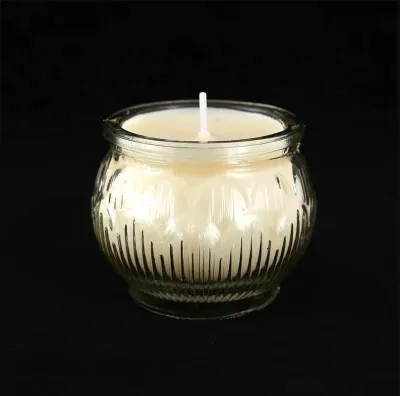
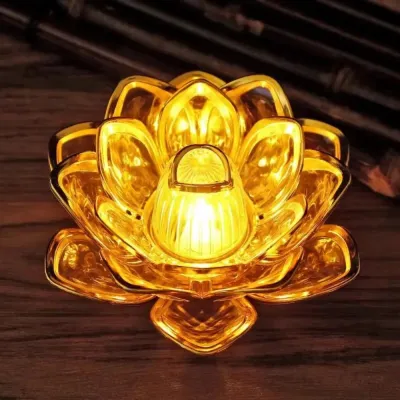
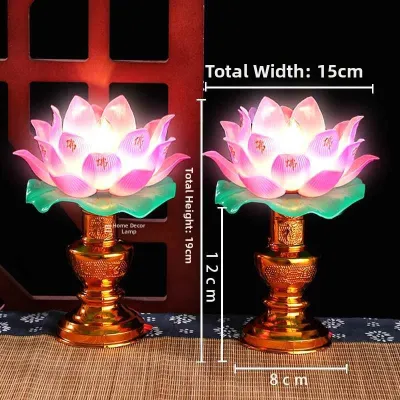
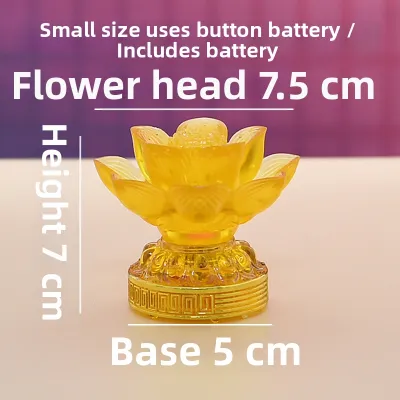
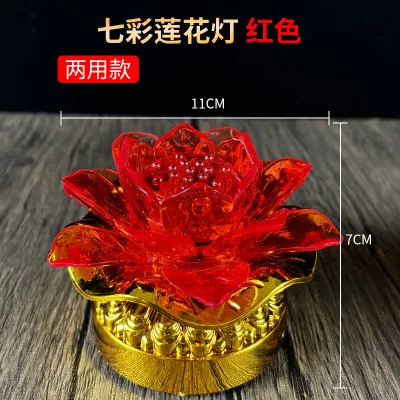
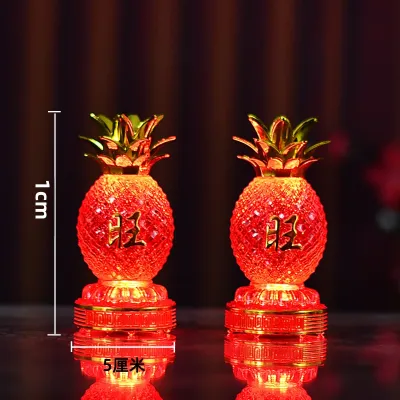
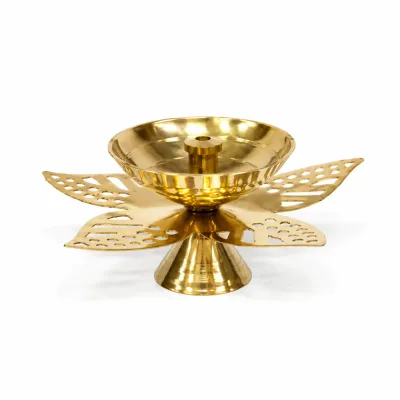
Prices are valid at publication and may change. Please refer to the product page for the latest price.
The height of the lotus prayer lamp is another critical factor in maintaining proper altar hierarchy. A fundamental rule of feng shui is that no secondary object or light source should tower over the primary deity or ancestral tablet. Ensure that the highest point of the lamp remains below the head level of the main statue. When a lamp is too tall, it creates an unbalanced visual weight that symbolically overshadows the deity, which can lead to a sense of visual and energetic disharmony in the room. If your lamps are naturally tall, you can adjust the height of the deity statue by placing it on a respectful wooden pedestal.
In addition to height and symmetry, you must maintain clear space around the lamps to avoid blocking the line of sight or the natural path of incense smoke. The area directly in front of the deity should remain open and uncluttered to allow energy to circulate freely. Placing the lamps slightly to the side and forward of the deity, rather than directly in front, ensures that the divine features are illuminated clearly without any physical obstruction. This also prevents the rising incense smoke from getting trapped around the lamp structure, which could lead to rapid soot accumulation and heat buildup.
Directional Alignment and Orientation Rules
The direction in which the lotus petals face and how the light is projected can significantly influence the atmosphere of your sacred space. Depending on your specific altar layout and spiritual tradition, you may choose to orient the lotus flower inward or outward. Orienting the petals and light inward toward the deity symbolizes offering light, warmth, and devotion directly to the divine. Conversely, directing the glow slightly outward or upward helps to illuminate the surrounding room, dispersing stagnant energy and welcoming positive chi into the living space. Many modern lotus lamps feature a multi-directional, blooming design that naturally distributes light in all directions, offering a balanced compromise.

Careful consideration must be given to how the lamp’s light interacts with the rest of the room. Avoid placing the altar or the lamps in a position where the light directly clashes with main doors, windows, or highly reflective surfaces like mirrors and glass cabinets. When bright light shines directly toward a mirror or window, it can create harsh glare and bounce the energy erratically throughout the room, disrupting the calm, meditative environment required for prayer. If your altar is near a window, consider using sheer curtains to soften the natural light during the day, allowing the gentle glow of the lotus lamp to remain the primary focus.
The physical arrangement of the lotus petals themselves plays a role in the quality of light produced. If your prayer lamp has adjustable or modular petals, take the time to align them evenly. An uneven petal arrangement can cast harsh, distorted, or sharp shadows onto the walls or directly onto the face of the deity. In feng shui, sharp shadows are akin to negative energy and can introduce a subtle sense of unease. A well-adjusted, symmetrical petal configuration ensures a soft, diffused, and even glow that enhances the serene and sacred qualities of the altar.
Electrical Safety and Practical Setup Considerations
While the spiritual aspects of altar placement are vital, practical safety is paramount, especially when dealing with electrical appliances on wooden or fabric-covered altars. Before plugging in your lotus prayer lamp, verify its voltage, plug type, and power rating against your local electrical supply. In Singapore, the standard voltage is 230V with a frequency of 50Hz, utilizing Type G three-pin plugs. Ensure the lamp carries recognized safety certifications, such as the local Safety Mark, which indicates the product has been tested and approved for safe domestic use. Using uncertified or incompatible electrical items increases the risk of short circuits and electrical fires.
The physical proximity of the lamp to combustible materials is a critical safety boundary. Altars are frequently home to highly flammable items, including incense sticks, joss paper, oil lamps, candles, and decorative fabrics. Keep the lamp base, electrical cords, and the light bulbs themselves at a safe distance from these materials. Even low-wattage LED bulbs can generate mild heat over hours of continuous operation, while older incandescent bulbs can become extremely hot. Ensure that falling incense ash cannot land on the lamp’s plastic parts or power cords, as this could melt the insulation and expose live wires.
Proper cable management is essential for both safety and aesthetic neatness. Route all power cables neatly behind the altar structure, keeping them out of sight and away from foot traffic to prevent tripping hazards. Tripping over a loose cord can pull the heavy lotus lamp off the altar, potentially damaging the sacred items or causing injury. Additionally, avoid overloading a single power strip or wall outlet with multiple adapters, extension cords, and devices. If your altar requires multiple light sources and electronic accessories, use a high-quality, surge-protected power strip and arrange the plugs neatly.
Regularly monitor the physical condition of the lamp’s electrical components during use. If you notice that the power cord feels unusually warm to the touch, emits a plastic-like odor, or shows any signs of discoloration or scorch marks, stop using the lamp immediately. Isolate the power at the main switch before unplugging the device to avoid electrical shock. Do not attempt to patch damaged cords with electrical tape; instead, consult a qualified professional electrician or contact the manufacturer for a proper replacement or repair.
Maintenance and Cleansing for Continuous Benefits
Keeping your lotus prayer lamp clean is both a practical necessity and a form of spiritual respect. Over time, dust, incense ash, and airborne oils can accumulate on the delicate petals and base of the lamp, dimming its glow and creating a neglected appearance. Establish a regular dusting routine using a soft, dry microfiber cloth or a static duster to gently sweep away debris. Always ensure the lamp is completely unplugged and has cooled down entirely before you begin cleaning to prevent accidental burns or electrical hazards.
During your routine cleaning, take a moment to inspect the physical structure of the lamp for signs of wear and tear. Look for yellowing of the plastic petals, cracked components, or flickering bulbs. A flickering light can indicate a loose connection, a failing bulb, or an unstable power supply, which disrupts the peaceful energy of the altar. Replacing worn-out parts promptly ensures that your altar remains a safe, beautiful, and energetically vibrant space.
When cleaning the lamp, it is important to use a respectful and gentle approach. Avoid harsh chemical cleaners, abrasive scrubbing pads, or excessive moisture, which can damage the delicate finish of the lotus petals and seep into the electrical housing. For stubborn spots, a slightly damp cloth may be used on the non-electrical outer surfaces, followed immediately by a dry cloth to remove any remaining moisture. Keeping the cleaning process simple and mindful reinforces the sacred nature of the object and extends its lifespan.
Frequently Asked Questions (FAQ)
Can I use a battery-operated lotus prayer lamp instead of a plug-in one?
Choosing between a battery-operated and a plug-in lotus prayer lamp involves weighing convenience against continuous spiritual presence. Battery-operated models offer excellent flexibility, as they eliminate unsightly cords and can be placed on altars without nearby power outlets. They also significantly reduce the risk of electrical fires associated with faulty wiring. However, plug-in models are often preferred for traditional altars because they provide a continuous, uninterrupted source of light, symbolizing an eternal, unwavering devotion. If you choose a battery-operated lamp, regularly check the battery compartment seals to prevent chemical leakage, which can corrode the lamp contacts and permanently stain your altar’s wooden surface. Establishing a strict battery replacement schedule ensures the light remains bright and auspicious.
What should I do if the lotus prayer lamp flickers or stops working?
If your lotus prayer lamp begins to flicker or fails to turn on, approach the issue systematically. First, perform basic physical checks: ensure the power outlet is functioning, the plug is securely inserted, and the bulb is screwed in tightly. Always turn off and unplug the lamp before touching the bulb or inspecting the socket. If the issue persists, check the cord for any visible damage or kinks. If the lamp is beyond repair, handle its removal and disposal with respect. Many practitioners choose to wrap the old lamp in red paper before disposing of it, acknowledging its period of sacred service. When replacing the lamp, select a model that matches the existing altar dimensions and electrical specifications, keeping the transition calm and mindful.

Community discussion
Share your experience or ask a question. Comments are reviewed before publication.