
Altar lights should be placed symmetrically on the left and right sides of the main Buddha statue, positioned slightly forward or to the sides so they illuminate the shrine without obstructing the face of the deity. This arrangement symbolizes the light of wisdom dispelling the darkness of ignorance. In modern homes, where space is often compact, achieving a balanced, safe, and respectful layout requires understanding the spatial relationship between the statue, the incense burner, the offerings, and the lighting elements. By following traditional principles of symmetry and balance, you can create a serene environment that supports your daily meditation, chanting, or reflection.
Understanding Your Buddhist Shrine Layout
To arrange your altar lights correctly, you must first understand the overall spatial hierarchy of a Buddhist shrine. The central focus of any Buddhist altar is always the Buddha statue or the main deity. This sacred image represents the ultimate goal of enlightenment and should occupy the highest, most prominent position on the shrine. If you have multiple statues, they are typically arranged in a specific order of hierarchy, with the primary figure in the center and secondary figures placed to the sides or slightly lower.
Directly in front of the main Buddha statue sits the incense burner. This central placement is highly symbolic, as the rising smoke of the incense represents the purification of the mind and the spreading of the Dharma across the world. The incense burner acts as the central anchor for the front portion of the altar, establishing a clear midline from which all other decorative and ritual items are balanced.
Products mentioned in this guide
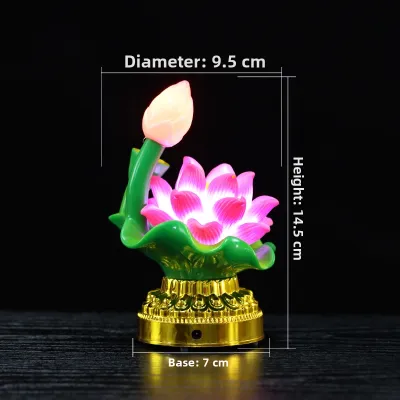
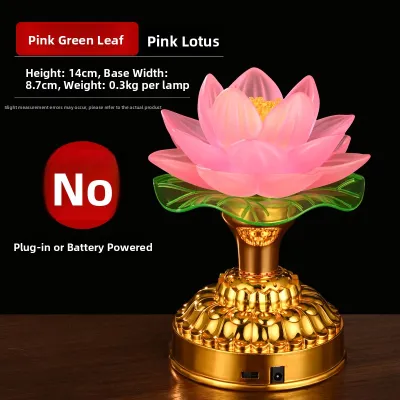
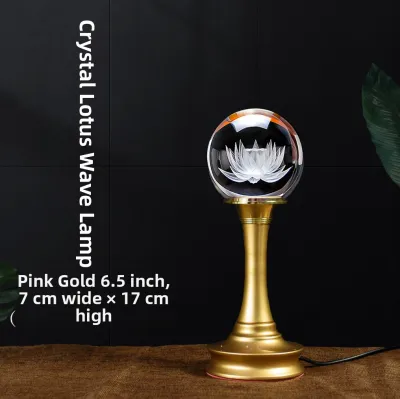
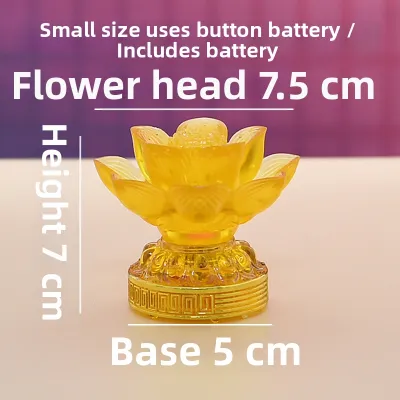
Prices are valid at publication and may change. Please refer to the product page for the latest price.
Symmetry and balance are foundational principles in Buddhist shrine arrangements. Traditional layouts avoid lopsided or cluttered presentations, as a clean and orderly altar reflects a calm and focused mind. Items are almost always placed in matching pairs or balanced configurations on either side of the central axis. This balanced approach applies not only to altar lights but also to flower vases, offering plates, and water cups.
To maintain this order, it is helpful to identify clear zones on your altar table. The back zone is reserved exclusively for the sacred statues or images. The middle zone is where the altar lights and the incense burner are positioned, serving as the bridge between the sacred figures and the practitioner. The front zone is dedicated to daily offerings, such as water cups, fresh flowers, and fruit. Keeping these zones distinct ensures that you can make daily offerings easily without accidentally knocking over lighting elements or creating a cluttered appearance.
Step-by-Step Guide to Placing Altar Lights
Placing your altar lights correctly requires careful attention to positioning, alignment, and height. Follow these steps to ensure your shrine lighting is both traditionally respectful and visually balanced.

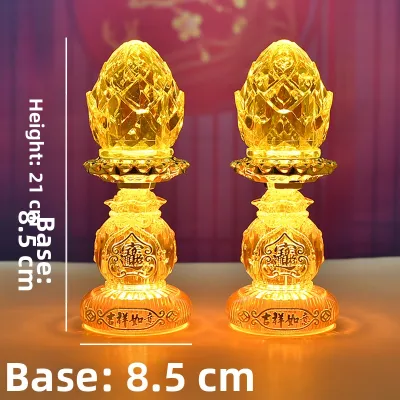
First, position the altar lights on the far left and far right sides of the altar table to maintain strict symmetry. In Buddhist tradition, these two lights represent the dual cultivation of wisdom and compassion, which are the two pillars of the path to enlightenment. By placing them on opposite sides, you create a balanced frame that naturally draws the eye toward the central Buddha statue. Ensure that the distance from each light to the center of the altar is equal, creating a harmonious visual boundary.
Second, ensure the lights are placed slightly in front of or to the sides of the main statue, but never directly in front of the deity’s face or body. The face of the Buddha should always remain completely unobstructed, allowing practitioners to connect visually with the expression of peace and compassion during meditation. If your altar lights are placed too close to the center, they can block the view of the statue or cast harsh, distracting shadows across the deity’s features.
Third, coordinate the arrangement of the lights with the incense burner and your daily offerings. The incense burner should sit directly in the center, between the two altar lights. If you offer water, the offering cups are typically placed in a straight line directly in front of the incense burner. When arranging these items, leave sufficient physical space between the altar lights and the offering cups. This spacing allows you to safely light incense, change the water, or place fresh fruit on the altar without brushing against the lights or tangling any electrical cords.
Fourth, adjust the height of your altar lights so they do not overshadow the Buddha statue. The light source should ideally sit lower than the head of the main statue, keeping the focus on the deity’s face. If your altar lights are exceptionally tall, they can dominate the visual field and diminish the presence of the statue. If you find that your lights are too tall for your current setup, you can elevate the Buddha statue by placing it on a dedicated wooden pedestal or stand, restoring the proper vertical hierarchy to your shrine.
Choosing Between Traditional and LED Altar Lights
When selecting the right altar lights for your home, you must weigh the spiritual significance of traditional options against the safety and convenience of modern alternatives.
Traditional altar lights, such as oil lamps and wax candles, offer a natural, flickering flame that carries deep symbolic meaning. The burning of oil or wax represents the self-sacrificing nature of the path, as the fuel is consumed to bring light to others. However, traditional flames require constant supervision and excellent ventilation. In modern, enclosed apartments, the soot and smoke from oil lamps can accumulate on ceilings and walls, requiring frequent cleaning. Furthermore, open flames present a significant fire hazard, especially in households with children, pets, or drafty windows.
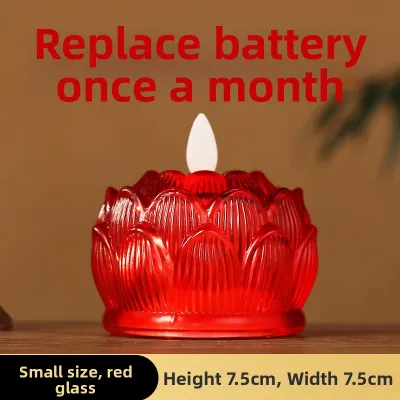
In contrast, LED electronic altar lights have become the preferred choice for many contemporary practitioners. These lights offer exceptional convenience, consistent brightness, and complete fire safety. Because they do not produce heat, smoke, or soot, they help keep your shrine clean and reduce the risk of accidental fires. They are highly suitable for busy households where the altar lights are kept illuminated for extended periods.
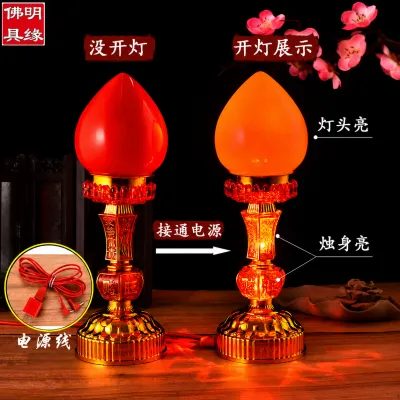
If you choose electrical or LED models, it is essential to perform several practical checks before installation. Verify that the voltage of the lights matches your home’s electrical system (typically 220V–240V in Singapore) and ensure the product carries recognized local safety certifications. Check the base and interface of the lights to ensure they are stable and will not tip over easily. Additionally, measure the length of the power cord to confirm it can reach your wall outlet safely without stretching across walkways or creating a tripping hazard.
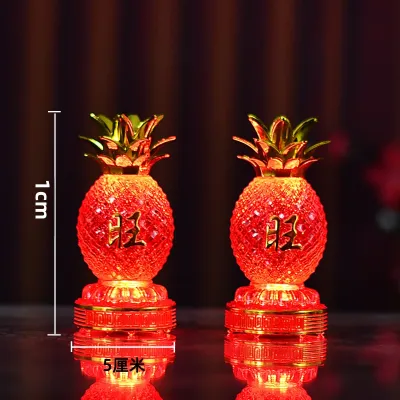
Aesthetic preferences also play a role in your choice. While some prefer the classic look of brass or ceramic oil lamps, modern LED altar lights are available in beautiful traditional designs, such as lotus shapes or realistic candle silhouettes. While a warm color temperature (around 2700K to 3000K) and traditional lotus designs are popular aesthetic preferences that create a serene atmosphere, these are subjective choices rather than strict performance requirements.
Safety and Maintenance for Shrine Lighting
Maintaining a safe, clean, and respectful shrine environment is an essential part of daily practice. Proper care of your altar lights ensures both spiritual respect and household safety.
If you choose to use traditional open flames, always maintain a safe clearance of at least one meter between the flame and any flammable materials, such as paper offerings, artificial flowers, curtains, or wooden ceiling panels. Never leave burning candles or oil lamps unattended; always extinguish them before leaving the house or going to sleep. To protect the polished wood surface of your altar table from heat damage, dripping wax, or spilled oil, place heat-resistant ceramic mats, glass trays, or metal plates directly under the lamps.
For electronic and LED altar lights, routine cleaning is necessary to remove dust and maintain their brightness. Over time, dust can settle on the bulbs, lampshades, and bases, which can dim the light and create a fire hazard if heat builds up. Before cleaning, always isolate the power by turning off the switch and unplugging the lights from the wall outlet. Wipe the surfaces gently with a dry, soft microfiber cloth. Avoid using harsh chemical cleaners or excessive water, which can damage the electrical components or the finish of the lamps.
Regularly inspect the electrical cords, plugs, and switches of your electronic lights for any signs of wear, fraying, or cracking. If you notice that the cord or the base of the light feels unusually hot during use, immediately disconnect the power and stop using the device. If your shrine setup involves fixed wall-mounted sconces, overhead spotlighting, or complex wiring hidden within the altar cabinet, always isolate the power at the main distribution board before performing any maintenance. For any complex electrical installations or wiring modifications, consult a qualified, licensed electrician to ensure the setup complies with local electrical safety standards.
Frequently Asked Questions (FAQ)
How many altar lights should I use on my shrine?
Traditionally, a pair of altar lights is used on a Buddhist shrine to maintain symmetry and balance on either side of the main deity. This dual arrangement represents the cultivation of both wisdom and compassion. However, on very small, single-tier altars or compact wall-mounted shelves where space is limited, a single central light may be used, provided it is placed safely and does not block the view of the Buddha statue. If you follow a specific Buddhist lineage or temple, it is highly recommended to check their specific guidelines, as some traditions may have precise requirements for the number of lights or offerings.
Should I leave the altar lights on all day and night?
In traditional temples, lights are often kept burning continuously to symbolize the eternal light of the Dharma. For home shrines, however, safety must be the primary consideration. Open flames, such as traditional candles or oil lamps, must never be left burning unattended or overnight. If you use certified LED electronic altar lights, they can safely be left on continuously, as they do not generate significant heat. Alternatively, you can connect your electronic lights to a digital timer or a smart plug, allowing them to turn on automatically during your morning and evening practice times, which conserves energy while maintaining a respectful daily routine.
Does the arrangement change for different Buddhist traditions?
Yes, the specific arrangement of a shrine can vary significantly across different Buddhist traditions, such as Mahayana, Theravada, and Tibetan (Vajrayana) Buddhism. For example, Tibetan altars often feature a highly specific sequence of seven or eight offering bowls alongside the lights, representing different aspects of hospitality and devotion. Mahayana setups frequently emphasize symmetrical pairs of lights, flowers, and fruit plates. If you are practicing within a specific school, it is best to consult a local temple, monk, or lineage guide for precise instructions. If you are unsure, adhering to the universal principles of symmetry, cleanliness, and keeping the main deity unobstructed will ensure a respectful and proper arrangement.

Community discussion
Share your experience or ask a question. Comments are reviewed before publication.