
Refreshing your dining or accent chairs with a new seat cover is one of the most straightforward and cost-effective ways to transform your living space. Whether you want to protect your furniture from daily wear, cover up existing stains, or completely shift your interior design style, a well-chosen cover provides an instant facelift. By selecting the right fabric, measuring accurately, and following a systematic installation process, you can achieve a tailored, professional look without the expense of buying new furniture. This guide walks you through every step of the process, from initial measurements to final styling adjustments.
Assess Your Chair and Measure for the Right Fit
Before purchasing any chair seat cover, you must understand the physical characteristics of your chair. An ill-fitting cover can look messy, bunch up, or slip off during use, which defeats the purpose of a style refresh. Start by taking accurate measurements of the seat using a flexible measuring tape. You will need to measure the widest part of the seat from left to right, the deepest part from front to back, and the vertical thickness of the cushion or seat base. If your chair has a tapered design where the front is wider than the back, record both measurements to ensure the cover can accommodate the taper.
Next, identify the geometric shape of the seat. While many chairs feature standard square or rectangular seats, others have round, oval, or uniquely curved edges. Standard stretch covers are highly forgiving, but rigid fabrics or structured slipcovers require a precise match to the chair’s silhouette. Pay close attention to the corners; rounded corners require a different fit than sharp, right-angled corners.
Products mentioned in this guide
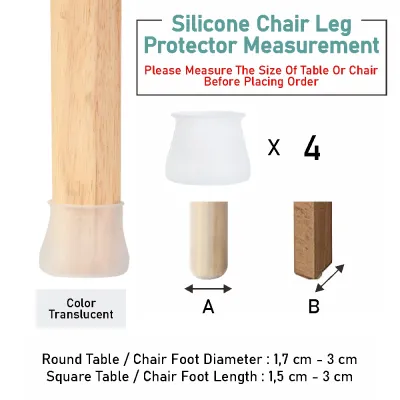
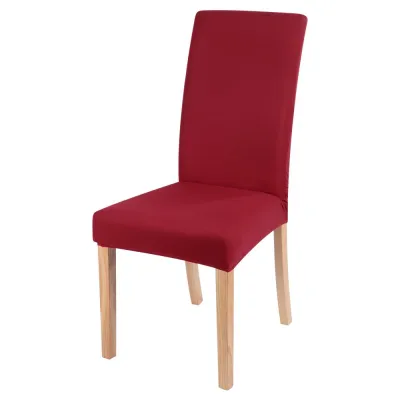
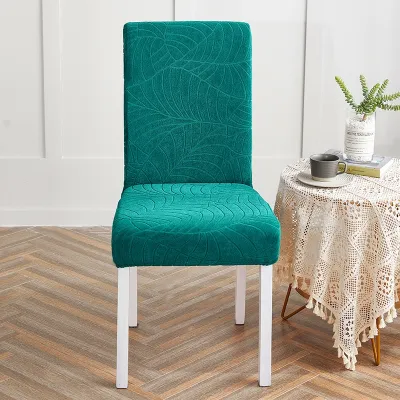
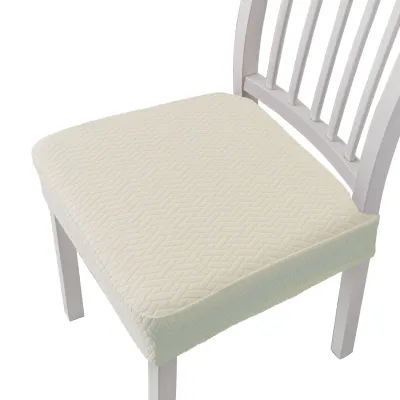
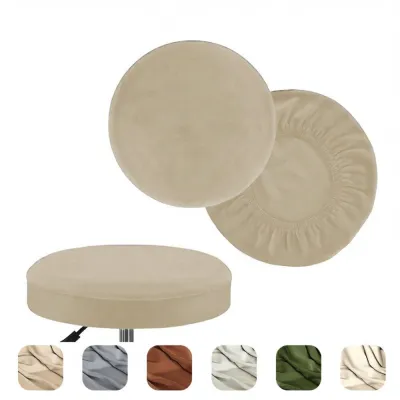
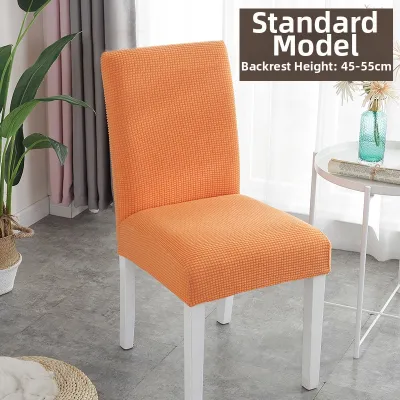
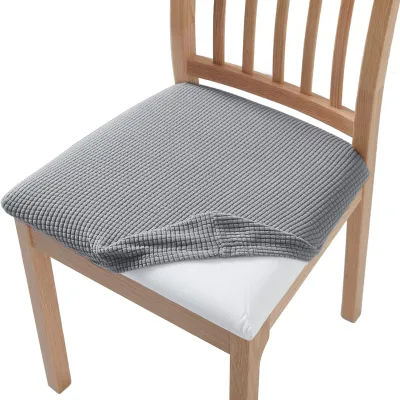
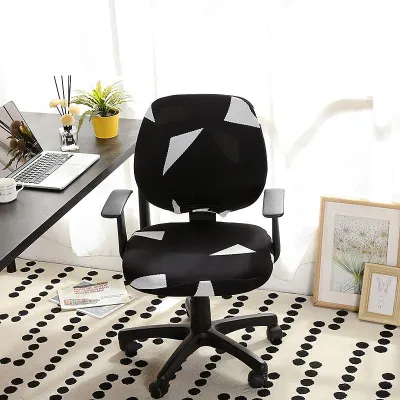
Prices are valid at publication and may change. Please refer to the product page for the latest price.
Finally, examine how the existing cushion is integrated into the chair frame. Determine whether the seat cushion is permanently attached to the frame or if it is a removable seat base that can be unscrewed from underneath. Removable seat bases are ideal for a clean, wrapped look or full reupholstery, whereas permanently attached cushions are better suited for slip-on covers or tie-on pads. Understanding these structural details prevents purchasing errors and guides you toward the most compatible cover style.
Choose a Seat Cover Style That Matches Your Interior
Selecting the right chair seat cover involves balancing aesthetic preferences with practical daily needs. The mechanism of the cover dictates both its appearance and how it functions in your home. Stretch slipcovers, made from elasticated fabric blends, offer a snug, contoured fit that mimics professional upholstery. Tie-on pads provide a classic, casual look and are incredibly easy to remove for washing, making them excellent for busy households. Custom-fit slipcovers offer a tailored, high-end appearance with structured seams, though they require precise measurements and offer less flexibility.

Fabric choice is equally critical and should be evaluated based on your household’s lifestyle and the manufacturer’s care instructions. For high-traffic dining areas, especially in warm, humid climates like Singapore, breathable and machine-washable fabrics such as cotton blends or durable polyesters are highly practical. If you prefer a more luxurious feel, velvet or textured jacquard covers add depth and sophistication, though they may require gentler maintenance. Always check the manufacturer’s care label to verify washing, drying, and ironing limits before making your final selection.
To create a cohesive interior design, coordinate your new seat covers with existing room elements. If your dining room features prominent curtains, a large area rug, or nearby decorative cushions, choose a seat cover color or pattern that complements these pieces. Neutral tones like beige, grey, or charcoal offer versatility and allow you to change other decor elements easily. If you want the chairs to serve as focal points, consider subtle patterns like stripes or geometric weaves that tie into the room’s secondary accent colors.
Gather Your Tools and Prepare the Chair
Having the right tools on hand ensures a smooth, efficient installation process. The specific items you need depend on the type of cover you are installing. For basic stretch or tie-on covers, you will only need a flexible measuring tape and perhaps some anti-slip grips or foam rollers to keep the fabric taut. If you are working with a removable seat base and plan to secure the fabric permanently, you will need a heavy-duty staple gun, fabric scissors, and a screwdriver to detach the seat from the frame.
Before installing the new cover, prepare the chair surface thoroughly. Dust, crumbs, and pet hair can accumulate in the crevices of the seat, which can create lumps under your new cover or cause unpleasant odors over time. Vacuum the cushion and wipe down the wooden or metal frame with a damp cloth, allowing it to dry completely. If the chair has an old, heavily soiled, or damaged cover that is loose, remove it entirely to ensure the new cover sits flat against the cushion padding.
Step-by-Step Installation Guide for Chair Seat Covers
Installing your new chair seat cover requires patience and attention to detail to achieve a smooth, professional finish. Before starting, ensure your workspace is clean and well-lit, and that the chair is stable on a flat surface. Always isolate any sharp tools, such as staple guns or scissors, when they are not in use, and follow the manufacturer’s safety guidelines for all equipment.
Installing Stretch or Slip-On Covers
To install a stretch slipcover, begin by identifying the front and back of the cover, which is often indicated by internal tags or seam alignments. Align the seams of the cover with the corresponding corners of the chair seat. Gently pull the cover over the front corners first, then stretch it evenly over the back of the seat.
Once the cover is draped over the entire cushion, pull the fabric taut from all sides, working your way around the perimeter. Tuck any excess material deeply into the gaps between the seat cushion and the chair frame. To prevent the fabric from shifting or sliding when someone sits down, insert anti-slip grips or small foam rollers into the crevices to lock the cover securely in place.
Attaching Tie-On or Pad Covers
For tie-on covers or padded cushions, start by positioning the pad centrally on the chair seat. Ensure that the cushion is aligned symmetrically with the edges of the chair frame. The ties or straps should line up naturally with the backrest uprights or the vertical spindles of the chair.
Pull the ties snugly around the spindles and secure them with a neat, tight knot or bow. Avoid tying them too tightly, as this can strain the fabric seams, but ensure they are secure enough to prevent the pad from sliding forward. Use simple, reliable knots that can be easily undone when it is time to remove the covers for washing. Smooth out the surface of the pad with your hands to remove any initial wrinkles.
Reupholstering a Removable Flat Seat Base
If your chair has a removable seat base, unscrew it from the frame and place it face down on your new fabric, which should be cut to size with several inches of excess on all sides. Center the fabric carefully, paying close attention to the alignment of any patterns or stripes.
Pull the fabric taut over one side and secure it to the wooden underside of the seat base using a staple gun, starting from the center and working outward. Repeat this process on the opposite side, pulling the fabric firmly to ensure there are no wrinkles on the top surface. When wrapping the corners, fold the fabric neatly into flat pleats to minimize bulk before stapling. Trim away any excess fabric with scissors, ensuring you do not cut too close to the staples, and then screw the seat base back onto the chair frame.
Final Adjustments and Maintenance Tips
After completing the installation, take a few minutes to inspect your work and make final adjustments. Walk around the chair to check for symmetry, smoothing out any remaining wrinkles with your hands and ensuring all seams run in straight lines. If you used a stretch cover, double-check that the tucked edges are deep and secure. For tie-on pads, verify that the knots are neat and do not interfere with the comfort of the seat.
To keep your refreshed chairs looking pristine, establish a regular maintenance routine. Refer to the manufacturer’s care label on the seat cover for specific instructions regarding washing temperatures, drying methods, and whether ironing is safe. Many stretch covers benefit from low-temperature machine washing and air drying to preserve their elasticity.
For daily upkeep, spot-clean minor spills immediately with a clean, damp cloth and a mild fabric cleaner, testing it on an inconspicuous area first. Vacuuming the covers periodically with an upholstery attachment helps remove dust and pet dander. If you use slipcovers, consider removing them every few months to clean the underlying chair frame and shake out any trapped debris, ensuring your dining or living space remains fresh and hygienic.
Frequently Asked Questions (FAQ)
How do I keep a slipcover from sliding off a smooth seat?
If your chair has a polished wood, metal, or leather surface, slipcovers can easily slide around during use. To resolve this, place a cut-to-size piece of non-slip rug underlay or silicone grip mesh directly onto the seat before pulling the slipcover over it. This creates friction and keeps the cover firmly in place without damaging the chair’s finish. Alternatively, you can use specialized upholstery twist pins if the underlying seat cushion is fabric-based, though you should avoid using pins on solid wood or delicate leather to prevent permanent damage.
Can I use a square seat cover on a round chair?
Using a square seat cover on a round chair is generally not recommended because the excess fabric at the corners will bunch up, creating an untidy, loose appearance. For round chairs, it is best to purchase covers specifically designed for circular seats. If you must use a universal cover, opt for a highly elastic stretch fabric that can conform closely to the round geometry, pulling the excess material tightly underneath the seat and securing it with a drawstring or heavy-duty elastic band to minimize bunching.

Community discussion
Share your experience or ask a question. Comments are reviewed before publication.