
To achieve the most captivating, multi-dimensional rainbow effect in your home, the key is selecting fairy lights that feature a physical iridescent, holographic, or prismatic coating on the bulbs or wire casings, rather than relying solely on standard electronic colour-changing LEDs. While standard multi-colour lights cycle through distinct red, green, and blue phases, true iridescent fairy lights interact dynamically with both their own emitted light and the ambient light in your room. This physical coating splits light into a soft, pearlescent spectrum that shifts beautifully as you move around the space, creating an elegant, sophisticated glow even when the lights are turned off.
To find the perfect set for your home, you must evaluate several critical factors beyond just the visual appeal. These include the physical shape of the bulbs, the material and colour of the connecting wires, the power source configuration, and essential safety certifications. By understanding how these elements interact with your interior decor and ambient lighting, you can select a high-quality set of lights that delivers a stunning, reliable colour-shifting display.
Understanding the Iridescent Colour-Shifting Effect
To make an informed purchase, it is essential to understand the science behind the visual display. True iridescence is an optical phenomenon where a surface appears to change colour as the angle of view or the angle of illumination changes. In decorative lighting, this is achieved by applying a micro-thin prismatic or holographic film directly onto the outer surface of the LED bulbs or the surrounding protective sleeve. When light passes through or reflects off this specialized layer, it undergoes thin-film interference, splitting into a soft, continuous gradient of pastel pinks, blues, greens, and purples.
Products mentioned in this guide
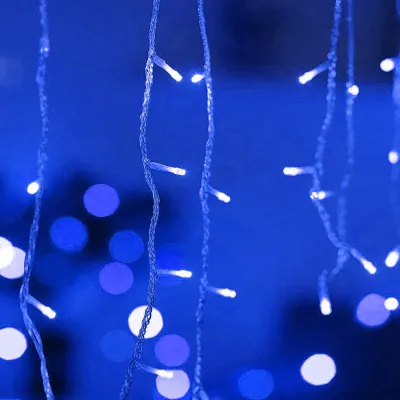
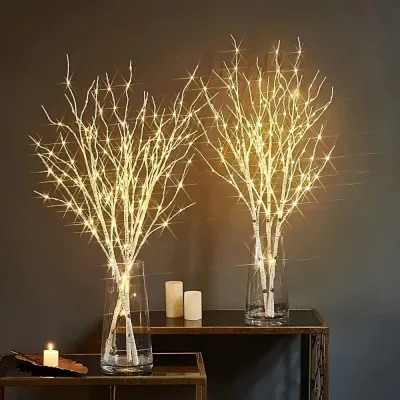
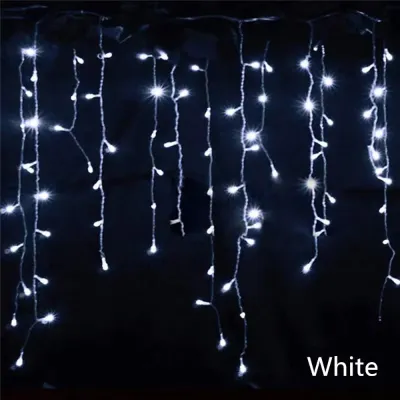
Prices are valid at publication and may change. Please refer to the product page for the latest price.
In contrast, standard multi-colour RGB (Red, Green, Blue) LED string lights rely entirely on electronic programming to change colours. These lights contain individual diodes that emit specific wavelengths of light, switching or fading between them to simulate a colour change. While RGB lights can produce vibrant, saturated hues, they lack the delicate, pearlescent transition of true iridescent coatings. RGB lights also do not interact with external light sources, meaning they look like ordinary, clear plastic bulbs when switched off.
The ambient lighting in your room plays a massive role in how the iridescent effect is perceived. During the day, natural sunlight streaming through windows hits the coated bulbs, reflecting a subtle, rainbow-like sheen that adds a decorative touch to your space even without power. In the evening, when the lights are turned on, the internal LED glow passes through the prismatic coating, projecting a soft, diffused wash of shifting colours onto nearby walls and surfaces. The effect is highly dynamic, changing subtly as you walk across the room and view the display from different angles.
When shopping online, verifying this physical effect can be challenging due to heavily edited promotional graphics. To confirm you are buying genuine iridescent lights, look closely at customer-uploaded photos and videos in the review sections. Pay attention to how the bulbs look in broad daylight when turned off; if they exhibit a metallic, pearl-like, or oil-slick sheen on the surface, they have the physical coating required for a true iridescent effect. If the bulbs appear completely clear or white when unlit, they are likely standard LEDs that rely solely on electronic colour cycling.
Key Features to Evaluate Before You Buy
Selecting the right physical specifications ensures your iridescent fairy lights perform optimally in your specific living space. The first feature to consider is the bulb shape and size, which directly dictates how the light is diffused. Faceted globe bulbs or teardrop shapes are highly effective for iridescence, as their multiple physical angles and larger surface areas provide more opportunities for the prismatic coating to refract light, creating a wider and more noticeable rainbow spread. On the other hand, micro fairy lights (often called dewdrop lights) feature tiny LEDs embedded directly along a thin wire; while their iridescent effect is more delicate and pinpointed, they are incredibly flexible and easy to conceal.

The wire material and colour are equally important for integrating the lights seamlessly into your home. Iridescent string lights typically come with copper, silver, or clear plastic-coated wires. Silver and clear wires are highly versatile, blending effortlessly against light-coloured walls, glass shelving, and modern minimalist interiors without drawing attention to the cabling. Copper wires offer a warm, rustic aesthetic that pairs beautifully with wooden furniture, indoor plants, and bohemian decor, though they may stand out prominently against cool-toned or dark backgrounds when the lights are turned off.
Power source options dictate where you can safely and conveniently install your lights. For permanent indoor installations in Singapore apartments, USB-powered or plug-in models are highly recommended. They provide a continuous, stable power supply, ensuring the lights maintain their full brightness without the gradual dimming associated with draining batteries. Battery-powered packs offer excellent portability for temporary setups, table centerpieces, or areas far from an electrical outlet, though they require regular battery replacements. Solar-powered options are ideal for outdoor balconies, but they require placement in areas that receive direct, unobstructed sunlight throughout the day to charge effectively, which can be a challenge during the tropical monsoon seasons.
Control modes and integration options allow you to customize the visual ambiance to suit your mood. Basic models may only offer a simple on-off switch, while more advanced sets include multi-function controllers with options for steady-on, slow fading, gentle glistening, or active chasing patterns. A slow, gradual fade or a steady-on mode is generally preferred for iridescent lights, as rapid flashing can distract from the subtle, elegant colour transitions of the physical coating. Look for models that include a remote control or smart app integration, allowing you to adjust brightness levels, set daily timers, and change patterns conveniently from a distance.
Matching Light Styles to Your Home Decor
Integrating colour-shifting lights into your home requires a thoughtful approach to balance the vibrant rainbow effect with your existing interior design. In bedrooms and cozy reading nooks, the goal is to create a calming, dreamlike sanctuary. To achieve this, opt for micro iridescent fairy lights with a dimming function. Draping these delicate lights behind a sheer bed canopy, along a headboard, or around a vanity mirror produces a soft, low-lumen rainbow glow that enhances relaxation without causing visual fatigue or disrupting your sleep patterns. Keeping the brightness low allows the pastel pinks and soft blues of the iridescent coating to stand out beautifully against the darkened room.
For living rooms and common areas, iridescent lights work best as sophisticated accent illumination rather than primary light sources. Consider placing a string of globe-shaped iridescent lights inside a glass display cabinet or along an open bookshelf. The glass shelves will catch and multiply the prismatic reflections, creating a stunning depth of light. Alternatively, you can weave a delicate strand of lights along a fireplace mantel, around indoor potted plants, or behind a wall-mounted television console to soften the surrounding space and add a touch of whimsical warmth to your evening wind-down routine.
If you have a balcony, patio, or semi-outdoor veranda, iridescent lights can transform these spaces into inviting evening retreats. In Singapore’s high-rise apartments, balconies serve as valuable extensions of the living area. Hanging weather-resistant iridescent string lights along the balcony railing or weaving them through a vertical green wall creates a beautiful, shimmering backdrop for evening relaxation. The natural evening breeze will gently move the light strings, causing the iridescent colours to shift and glisten dynamically against the night sky.
Safety and Installation Checks for Indoor and Outdoor Use
Prioritizing electrical safety is paramount when installing any decorative lighting in your home. Before purchasing, always verify the voltage compatibility of the product. In Singapore, the standard household electricity supply is 230V at 50Hz. If you are buying plug-in lights from international online sellers, ensure the power adapter is rated for this voltage and carries a recognized local safety certification, such as the Safety Mark. Using non-certified adapters or plugging lights into incompatible voltage sources can lead to overheating, short circuits, or electrical fires.
Understanding Ingress Protection (IP) ratings is crucial if you plan to use your lights in damp or outdoor environments. The IP rating consists of two numbers: the first indicates protection against solid objects, and the second indicates protection against liquids. For indoor areas like bedrooms and living rooms, a standard IP20 rating is sufficient. However, for balconies, patios, or bathrooms where moisture and rain are common, you must select lights with a minimum rating of IP44 (splash-proof) or preferably IP65 (water-jet proof). Never expose indoor-rated lights to outdoor elements, as water ingress can cause immediate failure and severe electrical hazards.
Proper cable management is essential to prevent physical damage to the lights and ensure household safety. Route all power cables flat along walls or baseboards, securing them with non-damaging cable clips to avoid creating tripping hazards. Never run cables under heavy rugs, carpets, or furniture, as this can trap heat and cause the wires to wear down or pinch over time. Avoid routing cables through window frames or sliding doors where they can be crushed or severed. Additionally, ensure the lights are kept clear of highly flammable materials, such as lightweight synthetic curtains or paper decorations.
For complex installations, it is important to recognize when to seek professional assistance. If your decorative plan involves fixed wiring into your home’s electrical system, mounting heavy light fixtures at significant heights, or installing new outdoor power outlets on your balcony, do not attempt to do this yourself. Always isolate the main power supply at the distribution board before handling any electrical connections, and hire a licensed, qualified electrician to carry out the work safely and in compliance with local building regulations.
Building Your Shortlist on E-Commerce Platforms
Navigating online marketplaces requires a discerning eye to separate high-quality iridescent lights from standard, low-grade alternatives. When searching for products, use precise keywords to filter your results. Terms like “holographic fairy lights,” “prismatic string lights,” “pearlescent bulb lights,” or “rainbow iridescent LED” are excellent starting points. Be wary of listings that rely heavily on generic buzzwords like “magic,” “super bright,” or “perfect” without providing concrete specifications. If a listing uses “RGB” and “iridescent” interchangeably, check the product description carefully to confirm if there is an actual physical coating on the bulbs.
Be alert to common red flags in product listings that indicate poor quality or misleading advertising. A major red flag is the absence of clear technical specifications, such as the operating voltage, wattage, bulb count, and IP rating. If the seller only provides highly stylized, computer-generated mockups instead of actual photographs of the physical product, it is highly likely the real-world effect will not match the advertised images. Additionally, look out for listings where the wire colour is hidden or not specified, as you may end up with a bright green or stark white wire that clashes with your interior decor.
To verify the true performance of the lights, rely heavily on the customer review section. Filter the reviews to show only those with photos and videos uploaded by actual buyers. Examine these images to see how the lights look in real-world home environments under different lighting conditions. Look for photos taken during the day with the lights turned off to check if the bulbs have that characteristic pearlescent, oil-slick sheen. Read customer feedback regarding the durability of the wire, the responsiveness of the remote control, and whether the colour-shifting effect is as soft and elegant as promised.
Finally, always check the seller’s return policy and warranty terms before finalizing your purchase. Because the visual appeal of iridescent lighting is highly subjective, you want the flexibility to return the product if the physical coating does not meet your expectations or if the colour-shifting effect is too subtle for your space. Opt for sellers who offer a clear, hassle-free return window and provide at least a basic warranty against manufacturing defects, giving you peace of mind as you curate your home’s lighting design.
Frequently Asked Questions (FAQ)
Do iridescent fairy lights consume more power than standard warm-white ones?
No, the physical iridescent coating itself does not consume any electrical power. The coating is a passive optical layer applied to the outside of the bulb or wire casing that simply refracts the light passing through it. The energy consumption of the string lights is determined entirely by the wattage of the underlying LED bulbs and the efficiency of the power adapter.
To verify the actual power draw of a specific set of lights, check the technical specifications label on the product packaging or the power adapter. Most LED fairy light strings are highly energy-efficient, typically consuming between 2 to 6 watts of power depending on the length of the string and the number of bulbs. You can easily estimate your running costs by multiplying the total wattage by the number of hours the lights are active and applying your local electricity tariff rate.
Can the iridescent coating fade or peel off over time?
Yes, the physical prismatic or holographic coating on iridescent fairy lights can degrade over time if exposed to harsh environmental conditions. The primary factors that cause these delicate coatings to fade, discolor, or peel include prolonged exposure to direct ultraviolet (UV) rays from sunlight, high ambient temperatures, and constant moisture or humidity.
To maximize the lifespan of your lights, install them in areas protected from direct, intense sunlight. When cleaning the lights, avoid using harsh chemical solvents, alcohol-based sprays, or abrasive scrubbing pads, as these can easily strip away the micro-thin iridescent layer. Instead, gently wipe the bulbs and wires with a dry, soft microfiber cloth to remove dust and maintain their beautiful, colour-shifting brilliance.

Community discussion
Share your experience or ask a question. Comments are reviewed before publication.