
Selecting the right wall light for reading in Singapore requires looking beyond aesthetic appeal to focus on optical performance, electrical safety, and long-term brand reliability. Because reading is a focused visual task, a standard decorative light fixture often falls short, leading to eye strain, glare, or insufficient illumination on your pages. To identify the best brands and models for your home, you must evaluate how well a manufacturer balances technical lighting specifications with the practical realities of local installation and after-sales support.
By focusing on verifiable product specifications, local safety certifications, and physical build quality, you can narrow down the vast array of lighting brands to those that deliver genuine comfort and durability. This guide establishes a structured framework to help you assess optical metrics, verify electrical compatibility, evaluate brand support, and choose the ideal fixture configuration for your specific reading environment.
Core Optical Criteria for Reading Wall Lights
When evaluating wall light brands, the optical performance of the fixture is the most critical factor for preventing eye strain during extended reading sessions. Unlike ambient lighting, which disperses light broadly to illuminate a room, a reading light must deliver focused task illumination directly onto your book or e-reader. To achieve this, look for brands that specify the lumen output and beam angle of their fixtures. For comfortable reading, a light source should generally deliver between 300 and 500 lumens to the reading surface, with a concentrated beam angle of 15 to 30 degrees to prevent the light from spilling across the entire bed or seating area.
Products mentioned in this guide
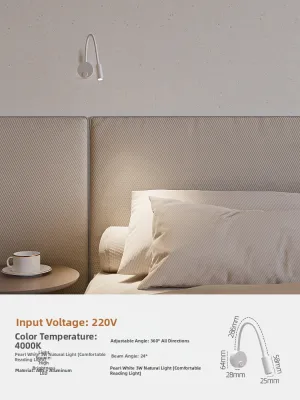
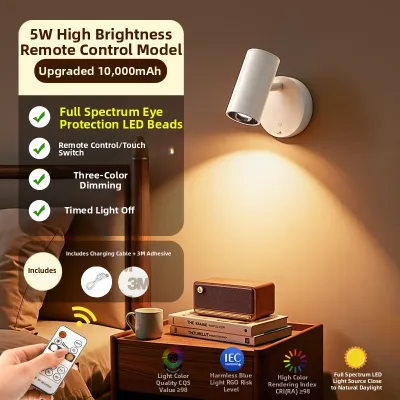
![[SG Ready Stocks] LED Reading Wall Lamp – Wireless Rechargeable (1800mAh) with Remote/Touch Control 3 Color Modes Dimmable Timer Off Rotatable Body Type-C Charging & Drill-Free No-Wiring Setup](https://img.lazcdn.com/g/p/0a56c47c89a5f09958cd7c98d7db5cf8.jpg_400x400q80.jpg_.webp)
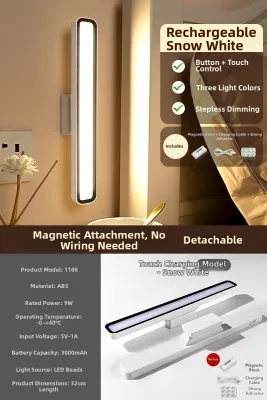
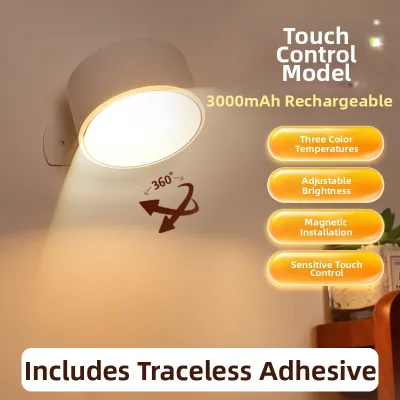
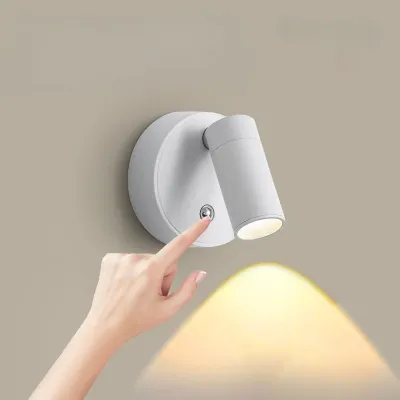
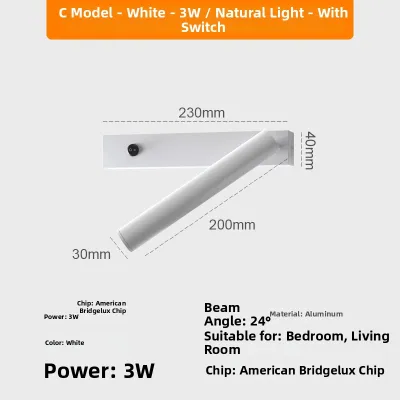
Prices are valid at publication and may change. Please refer to the product page for the latest price.
The quality of the light is just as important as its intensity, which is why you must check the Color Rendering Index (CRI) and color temperature of the fixture. High-quality reading lights should feature a CRI of 90 or higher, ensuring that text stands out sharply against the page with maximum contrast and minimal color distortion. Color temperature, measured in Kelvin (K), directly affects visual comfort and alertness; look for brands that offer warm-to-neutral white light, typically between 2700K and 3000K for evening reading, as this range minimizes blue light exposure and helps your eyes relax before sleep.
Direct glare is a major contributor to eye fatigue, making anti-glare design features a key differentiator among premium lighting brands. When browsing options, prioritize fixtures that incorporate deep-recessed light sources, frosted diffusers, or honeycomb louvers that shield the bulb from direct line of sight. These design elements ensure that the light is directed downward onto your reading material rather than scattering horizontally into your eyes, allowing for a much more comfortable and sustained reading experience.
Physical adjustability is another essential feature that separates dedicated reading lights from standard wall sconces. A high-quality reading light should offer flexible goosenecks, pivoting heads, or multi-jointed swing arms that allow you to direct the beam precisely where you need it, regardless of your sitting or reclining posture. When evaluating brands, pay close attention to the mechanical construction of these joints; they must be stiff enough to hold their position over years of daily adjustment, yet smooth enough to operate without requiring excessive force.
Electrical Compatibility and Installation Requirements
Before purchasing any wall light in Singapore, you must ensure that the fixture complies with local electrical safety standards and matches your home’s wiring infrastructure. For mains-powered fixtures connected directly to your household electricity, verify that the product carries the Singapore Safety Mark or equivalent recognized international safety certifications. This certification guarantees that the fixture’s electrical components, insulation, and internal wiring have been tested to withstand local voltage levels and environmental conditions, reducing the risk of short circuits or electrical hazards.

You will also need to decide between hardwired and plug-in wall lights, as this choice has significant structural and aesthetic implications for your space. Hardwired models offer a clean, seamless look with all wiring concealed behind the wall, but they require existing electrical points or professional chasing to run new cables through your walls. Plug-in models, on the other hand, are highly versatile and ideal for rental properties, as they simply mount to the wall and plug into a nearby electrical outlet, though you will have a visible cord running down the wall surface.
If you plan to install a dimmable reading light to adjust the brightness levels throughout the evening, you must verify the compatibility between the fixture’s LED driver and your wall dimmer switch. Integrated LED wall lights often require specific dimming protocols, such as trailing-edge or leading-edge dimming, and using an incompatible switch can lead to annoying flickering, buzzing, or premature driver failure. Reliable brands will provide detailed compatibility charts or specify the exact type of dimmer switch required to ensure smooth, flicker-free performance across the entire dimming range.
Because electrical work carries inherent safety risks, you should always consult a qualified, licensed electrician to handle the installation of hardwired fixtures. This is particularly important in Singapore homes, where walls are frequently constructed of solid masonry or concrete, requiring specialized tools and techniques for chasing conduits and mounting heavy fixtures securely. A professional electrician can also assess your existing electrical load, ensure proper grounding, and advise on safe installation distances from wet areas or structural obstacles.
How to Verify Brand Reliability and Local Support
With numerous lighting brands available online and in physical stores, verifying the long-term reliability and local support of a manufacturer is essential to protect your investment. Begin by carefully examining the warranty terms offered by the brand or retailer, making sure to distinguish between the warranty on the physical fixture body and the warranty on the internal LED driver or integrated light source. A comprehensive warranty should cover the electronic components for at least one to two years, as the driver is typically the first component to fail in an integrated LED fixture.
The availability of local customer service and authorized repair centers in Singapore is another crucial factor to consider when choosing a brand. Opting for brands with an established local presence ensures that you can easily source replacement parts, obtain technical assistance, or process warranty claims without having to ship the fixture overseas. Before buying, check if the brand has dedicated service representatives or authorized distributors who can assist with troubleshooting or provide replacement LED modules if the original light source eventually degrades.
When researching brands online, it is important to critically evaluate user reviews on ecommerce platforms and independent forums to gauge real-world durability. Look past generic five-star ratings and focus on detailed feedback that mentions long-term performance, light degradation over time, or issues with joint loosening and overheating. Be cautious of reviews that seem overly repetitive or incentivized, and instead search for honest accounts of how the customer service team handled product defects or installation challenges.
Whenever possible, visit physical lighting showrooms in Singapore to interact with the fixtures in person before making a final decision. Testing the lights firsthand allows you to assess the actual build quality, feel the stiffness of the adjustable joints, and operate the physical switches to ensure they feel robust and responsive. Showrooms also give you a realistic view of the light’s color temperature and brightness, helping you avoid the common mistake of buying a fixture that looks appealing online but performs poorly in person.
Matching Light Fixtures to Specific Reading Spaces
The ideal wall light configuration depends heavily on the specific layout and functional requirements of your reading space. For bedside reading, the primary goal is to provide sufficient light for one person without disturbing a sleeping partner on the other side of the bed. Look for compact, highly directional reading lights with narrow beam angles and independent, easily accessible switches that allow you to turn the light on or off without reaching far from your sleeping position.
If you are setting up a reading nook in a corridor, study corner, or compact living area, space-saving designs and slim profiles are essential to prevent the fixture from obstructing walkways. In these tighter spaces, consider wall lights that combine a directional reading arm with an indirect upward or downward ambient wash light. This dual-function design allows you to use the ambient light to soften the room’s overall contrast during general use, while switching on the focused reading arm only when you sit down with a book.
Thermal management is another critical design aspect to consider, especially for fixtures that will remain illuminated for hours at a time. High-quality LED brands design their fixtures with robust aluminum heatsinks or heat-dissipating materials to draw warmth away from the LED chip and the outer casing. This prevents the fixture from becoming uncomfortably hot to the touch when you adjust the arm during use, while also extending the overall lifespan of the LED by keeping operating temperatures within safe limits.
Finally, ensure that the material finish and aesthetic style of the wall light complement your interior decor without compromising its functional performance. Whether your home features a modern minimalist, industrial, or classic design, choose a finish—such as matte black, brushed brass, or satin nickel—that coordinates with nearby hardware and fixtures. However, never prioritize style over function; ensure that the decorative elements of the fixture do not block the adjustable range of the light beam or interfere with your ability to direct the light precisely onto your pages.
Final Pre-Purchase Checklist for Reading Lights
To avoid costly installation mistakes and ensure complete satisfaction with your purchase, review this practical checklist before finalizing your order:
- Measure Physical Dimensions: Verify the overall height, width, and maximum projection distance of the fixture from the wall, ensuring it will not interfere with headboards, curtains, or nearby cabinet doors when fully extended.
- Confirm Light Source Type: Decide whether you prefer an integrated LED fixture, which offers a sleeker design but requires professional driver replacement if it fails, or a fixture with a replaceable bulb (such as a GU10 or E27 base), which allows for easy DIY bulb changes.
- Check Return and Exchange Policies: Review the retailer's return policy, noting any restocking fees, return shipping costs, or limitations on returning items that have already been unboxed or partially installed.
- Calculate Total Project Cost: Factor in all expenses, including the cost of the fixture itself, compatible dimmer switches, mounting hardware, and professional electrician installation fees in S$, to ensure the project fits comfortably within your budget.
Frequently Asked Questions (FAQ)
Can I use a standard decorative wall sconce as a reading light?
While standard decorative wall sconces are excellent for creating ambient atmosphere, they are generally unsuitable for prolonged reading. Most decorative sconces feature wide, diffused beam angles or fabric shades that scatter light in all directions, which fails to provide the focused, high-intensity illumination needed to read clearly. Using an ambient sconce for reading often leads to severe eye strain, as your eyes must work harder to focus in under-illuminated conditions, and the lack of adjustability means you cannot direct the light to eliminate shadows on your page.
What is the ideal color temperature for nighttime reading?
The ideal color temperature for nighttime reading is a warm white light between 2700K and 3000K. This warm spectrum closely mimics traditional incandescent lighting, creating a cozy, relaxing environment that signals to your brain that it is time to wind down. Warmer light temperatures emit significantly less blue light than cool white alternatives (4000K to 6500K), which helps preserve your body’s natural melatonin production and supports healthier sleep cycles. For maximum versatility, consider brands that offer tunable white fixtures, allowing you to select a slightly cooler, more alert light during the day and transition to a warm, soft glow at night.
Do I need an electrician to install a hardwired reading wall light?
Yes, you should always hire a licensed electrician to install a hardwired reading wall light. Working with mains voltage poses serious risks of electrical shock, short circuits, and fire hazards if the wiring is not connected, grounded, and insulated correctly. In Singapore, electrical installations must comply with strict safety regulations, and a professional electrician will ensure that the mounting is structurally secure, the conduits are safely routed, and the fixture is properly integrated into your home’s consumer unit. If you are renting or wish to avoid structural modifications, opt for a plug-in wall light model that can be easily mounted with screws and plugged directly into an existing wall outlet.

Community discussion
Share your experience or ask a question. Comments are reviewed before publication.