
Setting up a respectful Hungry Ghost Festival (Zhong Yuan Jie) worship table requires a thoughtful blend of cultural tradition, spatial organization, and modern safety awareness. When integrating Benjapakee items—which include curated ritual supplies, specialized joss papers, and decorative candles—proper placement ensures that your offerings are presented with the utmost respect. By understanding the spatial hierarchy of a traditional altar and adapting it to contemporary residential environments, you can create a harmonious setup that honors seasonal customs while keeping your household safe.
Every element on a worship table serves a specific symbolic purpose, acting as a bridge between the physical and spiritual realms. Arranging these items is not merely a matter of aesthetic preference; it is a structured practice guided by historical layout principles. Whether you are setting up a temporary altar at home or preparing a space in a shared residential area, taking the time to plan your layout prevents clutter, reduces fire hazards, and maintains the solemnity of the occasion.
Preparing Your Space and Gathering Supplies
Selecting the right location is the foundational step in establishing a respectful worship table. Choose a sturdy, flat table positioned in a well-ventilated area, ideally near an open window or balcony to allow incense smoke to disperse naturally. Avoid placing the table near highly flammable household items, such as long curtains, synthetic fabric drapes, or busy household thoroughfares where children or pets might accidentally disturb the setup.
Products mentioned in this guide
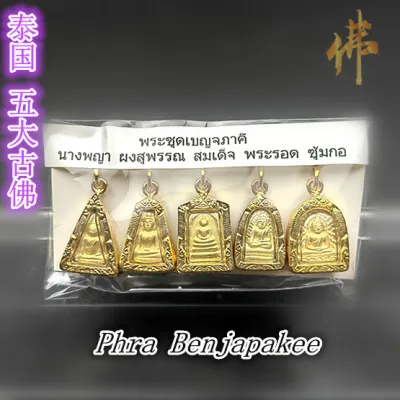
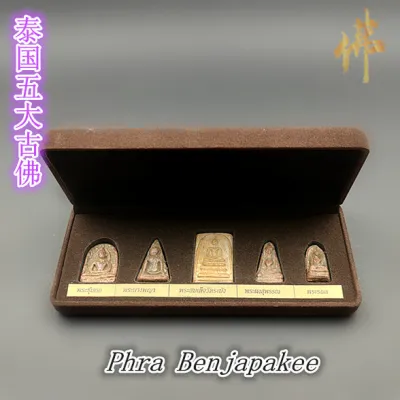
Prices are valid at publication and may change. Please refer to the product page for the latest price.
Once you have selected a safe location, prepare the surface of the table by cleaning it thoroughly to remove dust and debris. Laying a traditional red cloth or a clean, dedicated table runner provides a respectful foundation for your offerings. Ensure the cloth is secured tightly to the table edges so it cannot be easily pulled or caught, which could cause heavy ritual items or lit candles to tip over.
Living in modern residential estates requires careful consideration of community guidelines and local housing regulations. In Singapore, municipal town councils and housing boards establish specific rules regarding open flames, incense burning, and the use of shared spaces during the Hungry Ghost Festival. Always check your local estate guidelines to determine where burning is permitted, as indoor burning is often restricted to prevent smoke accumulation and trigger-happy fire alarms.
Before assembling your supplies, verify that your physical space can accommodate the dimensions of your table and the volume of your offerings. If you plan to use plug-in electronic altar lights or decorative lanterns alongside your traditional items, ensure there is a nearby electrical outlet that does not require running hazardous extension cords across walkways. Checking these physical and regulatory constraints beforehand prevents disruptions during your prayers.
Core Layout Principles for the Worship Table
Traditional worship tables follow a strict back-to-front spatial hierarchy that reflects spiritual order and respect. The back center of the table, which is the highest and most prominent position, is reserved for the main focal point. This is where you place deity statues, ancestral tablets, or temporary paper tablets representing the spirits you are honoring.

Directly in front of the focal point, along the central axis of the table, sits the incense burner. Because the incense burner is the primary vessel for active offerings, it must be easily accessible from the front of the table. To protect your table and tablecloth from falling hot ash, always place the burner on a wide, heat-resistant tray made of ceramic, stone, or heavy metal.
Flanking the central axis are the food and drink offerings, which should be arranged symmetrically on the left and right sides. Symmetrical placement represents balance and completeness in traditional ritual design. Typically, small cups for tea or rice wine are lined up neatly in front of the incense burner, followed by bowls of rice, vegetarian dishes, and fresh fruits arranged in balanced groupings.
Maintaining a clear central pathway on the table is essential for both visual respect and practical safety. Keeping the space directly above and around the incense burner free of overhanging decorations allows the smoke to rise unobstructed toward the heavens. A clean, uncrowded center also makes it much easier to light and place new incense sticks without accidentally brushing against other offerings.
Integrating Benjapakee Items into Your Arrangement
When incorporating Benjapakee items into your Hungry Ghost Festival setup, start by reading the product labels and packaging instructions carefully. Benjapakee products often include highly specific types of joss paper, decorative candles, and ritual accessories designed for distinct stages of the festival. Identifying the exact purpose of each item ensures that you do not accidentally mix deity offerings with those intended for ancestors or wandering spirits.
Joss paper should be organized and stacked neatly on a designated side of the table, typically to the side of the main food offerings. Avoid loose, messy piles that can easily catch a stray breeze or slide into a lit candle. Keeping the paper folded or stacked in stable, compact bundles keeps the table organized and ensures the paper remains dry and ready for the burning ritual.
Positioning Benjapakee candles and oil lamps requires stable, non-tip holders placed on flat, level surfaces. If you are using traditional wax candles, place them securely on the outer front corners of the table, well away from the central path where your hands will move to tend the incense. Ensure that any protective glass chimneys or wind guards are properly fitted to prevent drafts from causing uneven burning or flickering.
Because the dimensions and packaging of Benjapakee items can vary, adjust your table layout dynamically to fit your specific purchases. If a particular set of joss paper or decorative items is larger than expected, do not hesitate to use a larger table or reduce the number of secondary food plates. A spacious, well-organized table is far more respectful and safer than a cramped surface where items are piled precariously on top of one another.
Fire Safety and Post-Ritual Cleanup
Fire safety must be your highest priority throughout the duration of the Hungry Ghost Festival rituals. Maintain a generous, clear safety distance between lit incense, burning candles, and any combustible materials on or near the table. This includes paper offerings, decorative banners, tablecloths, and nearby household furniture.
Never leave burning candles, oil lamps, or smoldering incense unattended at any time. If you must leave the room or the immediate area, designate a family member to watch the table, or extinguish the flames temporarily. Keep a home fire extinguisher, a bucket of dry sand, or a reliable water source within arm’s reach of the worship area so you can react instantly to any unexpected flare-ups.
Once your prayers are complete, take the time to ensure that all flames are fully extinguished. Do not rely on candles or incense to burn out on their own; douse remaining incense ends in water and snuff out candle wicks completely. Double-check that no hidden embers are smoldering in the ash of the incense burner before you go to sleep or leave your home.
Proper cleanup is a vital part of showing respect to both the spirits and your living neighbors. Dispose of cooled ash, unburnt paper scraps, and empty product packaging according to your local estate management or municipal waste guidelines. If you are burning paper offerings outdoors, use the designated metal burning bins provided by your local town council, and avoid leaving unburnt items or food offerings on public pathways, which can attract pests and create litter.
Frequently Asked Questions (FAQ)
Can I use Benjapakee items for both deity and ancestor worship?
While some basic items like standard incense and plain candles are versatile, many Benjapakee joss papers and decorative accessories are designed for specific recipients. Deity offerings often feature gold foil, intricate imperial motifs, and specific colors, whereas offerings for ancestors or wandering spirits typically utilize silver foil or simpler designs. Always read the product packaging carefully, observe the printed motifs, and consult your family’s specific cultural traditions to ensure you are using the correct items for the appropriate recipient.
What should I do if my apartment prohibits burning joss paper?
If your apartment building or tenancy agreement prohibits open flames and burning, you can easily adapt your indoor worship table using modern, smoke-free alternatives. Consider using electronic LED candles and battery-operated incense burners to create a warm, respectful visual effect without the risk of smoke or fire. When choosing electronic altar decor, verify the voltage compatibility, check the plug interface, and ensure the products carry recognized electrical safety certifications. For the physical burning of your Benjapakee joss paper, gather your offerings and use the designated communal burning bins provided by local town councils at the ground level of your residential estate.

Community discussion
Share your experience or ask a question. Comments are reviewed before publication.