
Selecting a high-quality Guanyin statue requires a blend of visual appreciation and tactile inspection. Whether you are seeking a serene centerpiece for a home altar in Singapore or a refined decorative sculpture for your living space, distinguishing between an artisan-crafted masterpiece and a low-quality, mass-produced replica is essential to ensure you receive true value for your investment. By systematically evaluating key physical attributes—such as material density, facial symmetry, carving depth, and structural balance—you can confidently assess the craftsmanship of a piece before making a purchase.
A thorough inspection protects you from common retail pitfalls, such as purchasing cheap resin pieces finished to look like heavy bronze or hand-carved boxwood. Understanding what to look for allows you to appreciate the subtle details that define high-quality sacred art, ensuring your chosen statue remains a durable and beautiful addition to your home decor.
Inspect the Material and Weight
The foundational quality of any Guanyin statue begins with its material. Common options range from traditional materials like porcelain, solid wood, and cast bronze to modern alternatives like synthetic resin. Each material carries a distinct physical weight and texture that should align with its natural properties. For instance, a genuine solid wood or cast metal statue should feel substantial and heavy in your hands, reflecting its dense composition.
Products mentioned in this guide
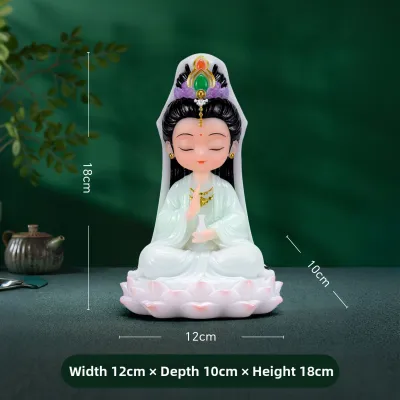
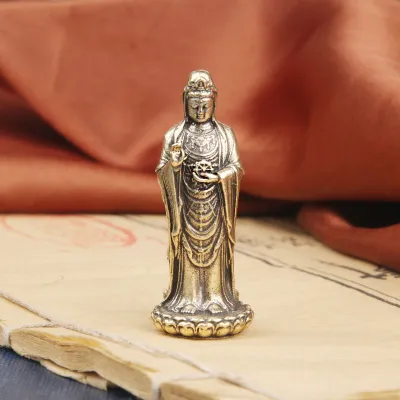
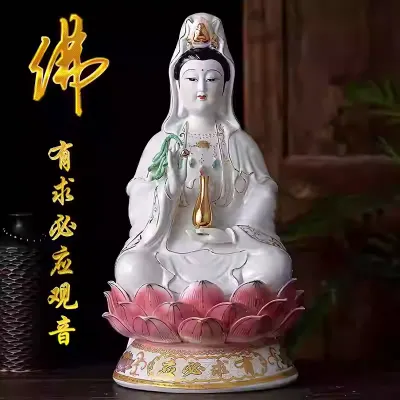
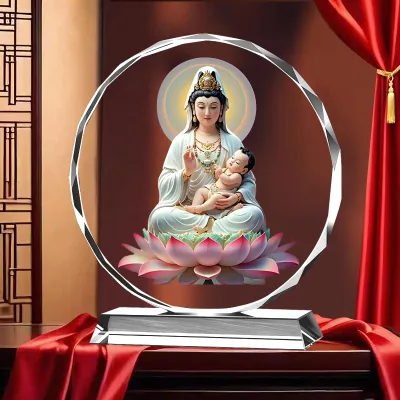
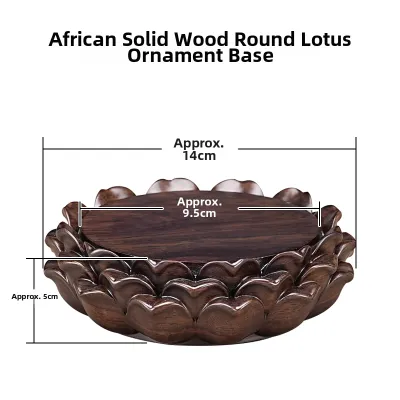
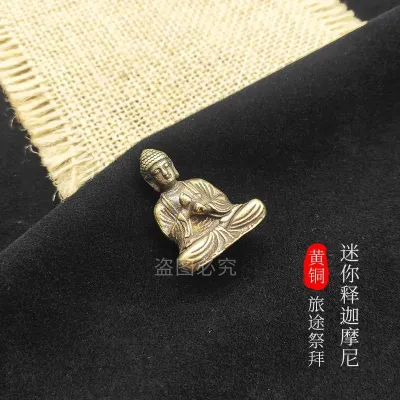
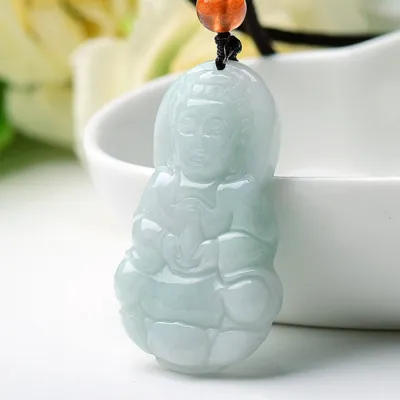
Prices are valid at publication and may change. Please refer to the product page for the latest price.
To verify the authenticity of the material, always inspect the unpainted or unglazed areas, which are typically found on the bottom of the statue’s base. This raw surface reveals the true nature of the material beneath the surface finish. For example, a genuine ceramic statue will show a matte, slightly porous clay base, while a wooden statue will display natural grain patterns rather than the uniform, smooth plastic texture characteristic of molded resin.
Be alert to common material red flags during your physical assessment. If a metal statue feels unusually light, it may be cast with thin, fragile walls or made from a cheaper alloy that is prone to denting or cracking. Tapping a metal or ceramic statue gently with your knuckle can also reveal its structural integrity; a high-quality, solid piece will produce a clear, resonant ring, whereas a flawed or hollow piece with internal cracks will emit a dull, flat thud.
Evaluate the Carving and Facial Details
The face of Guanyin, representing the Bodhisattva of Compassion, is the most critical focal point of the sculpture. A high-quality statue must project a sense of profound serenity, benevolence, and peace. Examine the facial features closely under direct light to ensure perfect symmetry. The eyes should be evenly aligned, the bridge of the nose straight, and the lips curved into a gentle, balanced expression. Any asymmetry, harsh lines, or distorted features immediately signal low-quality mold-making or rushed hand-carving.

Beyond the face, the treatment of the drapery and clothing folds serves as a primary indicator of artisan skill. In premium statues, the robes appear to flow naturally, featuring deep, fluid, and cascading folds that mimic real fabric draped over a form. Conversely, mass-produced or poorly crafted statues often exhibit shallow, stiff, or blurred lines where the drapery meets the body, indicating a lack of depth and precision in the carving or molding process.
Finally, pay close attention to the hands, fingers, and any symbolic items held by the deity, such as a sacred vase or a lotus blossom. The fingers should be slender, distinct, and elegantly curved without any physical connection between them unless structurally necessary. Inspect the spaces between the fingers for rough mold seams, excess material, or jagged edges, which are common defects in low-grade cast pieces. Clean, crisp lines around these delicate extremities demonstrate a high level of finishing work.
Check Proportions and Structural Balance
A well-crafted Guanyin statue must exhibit harmonious proportions that adhere to traditional sculptural guidelines. The relationship between the head, torso, limbs, and the lotus pedestal should feel balanced and natural to the eye. If the head appears disproportionately large or the arms seem awkwardly short, the statue lacks the design integrity expected of high-quality decor.
Physical stability is equally important, particularly if you plan to display the statue on a high shelf, mantle, or altar. Place the statue on a completely flat, level surface and gently press down on different sides of the base. A high-quality statue will sit perfectly flat without any rocking, tilting, or wobbling. An uneven base not only suggests poor manufacturing standards but also increases the risk of the statue falling and breaking.
Additionally, evaluate the statue’s center of gravity. The weight should be concentrated near the base to ensure the piece remains stable. Top-heavy designs, which can occur when hollow statues are filled unevenly or when the upper portions are excessively bulky, are highly susceptible to tipping over from minor vibrations or accidental bumps. This is a crucial consideration for maintaining safety in active households.
Examine the Surface Finish and Paint
The surface treatment of a Guanyin statue determines its immediate visual appeal and long-term durability. When inspecting painted, gilded, or glazed finishes, look for a smooth, uniform application across the entire piece. High-quality finishes are free from unsightly paint drips, air bubbles, pooling in deep crevices, or missed spots. The color transitions, particularly around the hairline, eyes, and robes, should be clean and precise.
For statues featuring gold leaf or gilding, the metallic surface should have a warm, consistent luster without flaking or discoloration. Run your fingertips lightly over the flat surfaces and curves of the statue. A premium piece will feel smooth and completely cured, whereas a low-quality item may have rough granules, unsanded wood burrs, or a sticky residue left behind by cheap, improperly dried paints or resins.
If you are considering a modern Guanyin statue that incorporates integrated LED lighting or a glowing halo, you must also verify the electrical components. Ensure that all wiring is neatly concealed and that the plug and switch carry recognized electrical safety certifications, such as the Safety Mark in Singapore. The voltage must be compatible with local household power supplies (230V) to prevent overheating or electrical hazards, ensuring your decorative lighting remains safe for continuous display.
Verify the Base and Packaging for Transit
The base of the statue should not be an afterthought; it must complement the main figure in both material and craftsmanship. If the Guanyin statue is mounted on a separate wooden or stone pedestal, inspect the joint where the two pieces meet. The connection should be seamless and robust, with no visible glue squeeze-out, gaps, or loose movement. A poorly attached base compromises the structural integrity of the entire sculpture.
If you are purchasing the statue online or require it to be delivered to your home, the quality of the packaging is just as important as the statue itself. Fragile materials like porcelain, glass, or delicate wood carvings require custom-molded foam packaging that cradles the statue securely to prevent movement during transit. Standard bubble wrap or loose packing peanuts are often insufficient for protecting delicate extremities like fingers or protruding drapery.
When ordering from online marketplaces, inadequate packaging can result in hidden micro-fractures within ceramic or stone statues. While these tiny cracks may not be visible upon initial inspection, they can gradually expand over time due to changes in temperature and humidity, eventually leading to structural failure. Always verify that the seller uses professional, drop-tested packaging to ensure your investment arrives in pristine condition.
Frequently Asked Questions (FAQ)
Does a heavier Guanyin statue always mean better quality?
Not necessarily. While weight is a reliable indicator of quality for solid bronze, brass, or dense hardwoods like sandalwood, it is not a universal rule for all materials. High-quality porcelain and ceramic statues are often hollow-cast to allow for proper firing in the kiln, making them relatively light despite their exceptional craftsmanship. Similarly, some premium resin statues may feel lighter than metal but still feature exquisite detail. Instead of relying solely on weight, focus on the consistency of the material, the thickness of the walls, and the precision of the surface finish.
How can I clean a Guanyin statue without damaging the paint?
To maintain the beauty of your Guanyin statue, use a soft, dry microfiber cloth or a clean, soft-bristled brush to gently remove dust from delicate crevices. Avoid using water, liquid detergents, chemical solvents, or abrasive cleaning pads, as these can easily strip away delicate paint, lacquer, or gold gilding. If the statue has a protective glazed ceramic finish, a slightly damp cloth may be used, but you should always dry the surface immediately afterward. Always check the manufacturer’s care instructions if they are provided with your statue.

Community discussion
Share your experience or ask a question. Comments are reviewed before publication.