
Achieving the ultimate scent throw from a Yankee Candle using a candle warmer relies on matching the physical format of your wax to the heating mechanism of your device, controlling the ambient airflow, and managing the temperature of the melt pool. Unlike burning a candle with a flame, a warmer uses top-down bulb heat or bottom-up plate heat to liquefy the wax, releasing the fragrance oils without consuming the wax itself. To get the most out of this process, you must verify the physical compatibility of your jar or wax melt with your warmer, position the setup in a draft-free zone, and systematically remove the top layer of exhausted wax once the fragrance dissipates.
Checking Yankee Candle and Warmer Compatibility
Yankee Candles come in various shapes and sizes, from large classic jars to small wax melts, often referred to as tarts. Matching these specific formats to the right warmer design is critical for both safety and performance. Top-down lamp warmers use a halogen bulb to melt the wax from above, making them ideal for large and medium jar candles because they heat the surface quickly and evenly. Bottom-up plate warmers, on the other hand, heat the candle from the base and work best for smaller jars or dedicated wax melt dishes, as a large jar may take a very long time to melt completely from the bottom up, or might not reach a sufficient temperature at the top to release fragrance effectively.
Before placing a heavy glass jar on any warmer, verify the device’s weight capacity and physical dimensions. Standard large jars can weigh over a kilogram when full, and their wide bases must sit completely flat on a warming plate or within the designated footprint of a lamp warmer. If the jar overhangs the heating surface or sits at an angle, heat distribution will be uneven, which can stress the glass and lead to cracking. Always check that the glass container is free of hairline fractures before heating.
Products mentioned in this guide
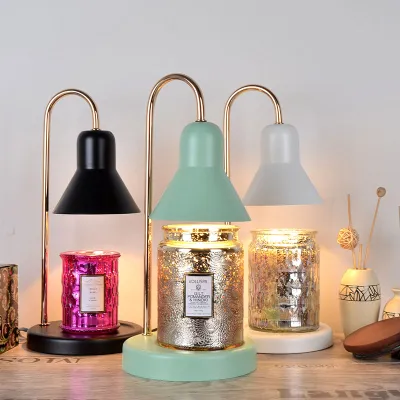
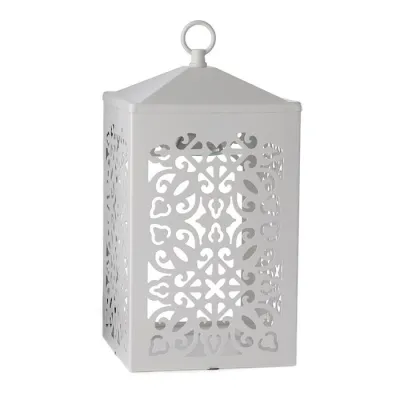
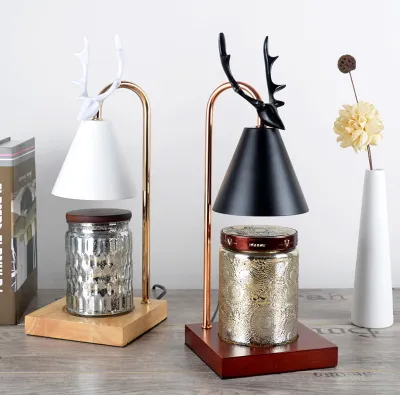
![[SG Seller] - Candle Warmer Lamp for Scented Candles like Yankee Candle](https://img.lazcdn.com/g/p/76ac63da71df6404d85a139169de71f5.jpg_400x400q80.jpg_.webp)
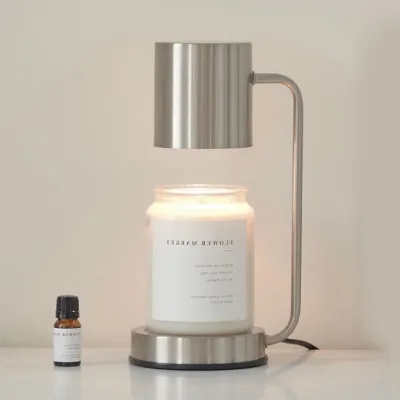
![[SG Stock] Candle Warmer Lamp Lamp for Scented Candles like Yankee Candle Holder Burner](https://img.lazcdn.com/g/p/8525bc719f44305a9a1a53942b7f7e4e.jpg_400x400q80.jpg_.webp)
Prices are valid at publication and may change. Please refer to the product page for the latest price.
Additionally, check the electrical specifications of your warmer to ensure safe operation. Verify that the voltage matches your local household supply, such as standard Singapore voltage, and check that the bulb wattage does not exceed the manufacturer’s maximum rating. Using a bulb with too high a wattage can overheat the wax, degrading the fragrance oils instantly or creating a safety hazard, while a bulb with too low a wattage will fail to create a proper melt pool. Look for electrical certification marks on the device to ensure it meets local safety standards.
Step-by-Step Setup for Maximum Fragrance Diffusion
To set up your candle warmer for optimal performance, start by selecting the right location. Place the warmer on a flat, stable, heat-resistant surface away from open windows, air conditioning vents, and ceiling fans. Drafts cool the surface of the melting wax, preventing it from reaching the temperature required to throw scent, and can also cause the fragrance to disperse too quickly before filling the room. Keep the unit clear of flammable materials like curtains, papers, or loose fabrics, and position it out of reach of pets and children to prevent accidental spills of hot wax.

Once positioned, plug the warmer directly into a certified wall outlet. If you are using a top-down lamp warmer, place your jar candle directly under the bulb, ensuring the wick is centered and has been trimmed short so it does not touch or get too close to the bulb. Turn the device on. Allow the wax to melt fully across the entire surface—creating a pool about one to two centimeters deep—before expecting the fragrance to reach its full intensity. This initial melting process can take anywhere from thirty minutes to an hour depending on the room temperature and the warmer’s wattage.
For lamp-style warmers that feature adjustable height settings, adjust the distance between the bulb and the wax surface carefully. A closer distance increases heat intensity, which is useful for kickstarting the melt pool in a fresh candle or drawing out scent from a stubborn fragrance profile. As the wax level drops over weeks of use, you may need to lower the lamp head or raise the candle using a stable, non-flammable riser to maintain a consistent distance from the heat source, ensuring the bulb can still melt the wax efficiently.
Controlling Heat to Extend Scent Longevity
Managing the temperature of your candle warmer is the key to preserving the delicate fragrance oils within Yankee Candles. Many modern warmers come equipped with built-in dimmers or digital timers. Utilizing these features allows you to run the warmer at a high setting initially to establish the melt pool, and then dim the heat to a lower, stable level that maintains the liquid state without overheating the oils. Overheating causes the volatile fragrance compounds to evaporate rapidly, leaving you with unscented wax much sooner than expected.
Pay close attention to the visual state of the wax and the strength of the aroma. When wax is heated gently, it remains clear and releases a steady, pleasant scent. If you notice the wax bubbling, smoking, or emitting a burnt, chemical odor, the temperature is too high. In such cases, immediately lower the dimmer setting or turn off the device to let the wax cool.
Unlike burning, where the wax burns away, a candle warmer only evaporates the fragrance oils, leaving the physical wax behind. Over time, the top layer of wax in a jar candle will lose its scent entirely. To refresh the candle, allow the wax to cool and solidify slightly, then carefully pour off the top unscented liquid layer into a disposable container, or use a paper towel to absorb the exhausted liquid wax while it is warm. Never pour hot wax down a household drain, as it will solidify and cause severe blockages. For wax melts in a dish, wait until the wax cools and hardens slightly, then apply gentle pressure to pop the wax disc out, or use a cotton ball to soak up the warm liquid before adding a fresh tart.
Troubleshooting a Weak Scent Throw
If your Yankee Candle is not producing a strong scent throw on your warmer, begin by evaluating the physical environment. Consider the size of the room relative to the candle and warmer. A single wax melt or a small jar candle is generally designed for compact spaces like bathrooms or small bedrooms. For large, open-plan living areas, you will need a large jar candle paired with a high-wattage top-down lamp warmer to generate a deep enough melt pool to throw scent across the entire space.
Next, inspect the physical components of your warming device. Dust, soot, or wax residue on the heating plate or the surface of a halogen bulb can act as an insulating barrier, significantly reducing heat transfer to the candle. Ensure the unit is unplugged and completely cool, then wipe down the heating plate or bulb with a dry microfiber cloth. If you are using a lamp warmer, check if the bulb is nearing the end of its lifespan; older halogen bulbs can lose their heat output even if they still emit light, necessitating a replacement bulb of the exact same specification.
The specific scent family of your Yankee Candle also plays a role in how it behaves under a warmer. Light, fresh, and citrusy scents contain highly volatile top notes that evaporate quickly and may seem weaker over prolonged warming. In contrast, rich, woody, spicy, or sweet scents contain heavier base notes that tolerate sustained heat much better and throw more intensely. If a fresh scent feels weak, try warming it in shorter increments of one to two hours, or move the warmer to a smaller, more enclosed room to concentrate the fragrance.
Essential Safety and Maintenance Practices
Operating an electrical heating appliance requires regular maintenance to ensure safety and longevity. Periodically inspect the power cord, plug, and the heating element or socket for any signs of wear, fraying, discoloration, or damage. If you notice any damage to the electrical components, discontinue use immediately and do not attempt to repair the wiring yourself; instead, consult the manufacturer’s guidelines or replace the unit entirely.
When cleaning your candle warmer, always ensure the device is completely unplugged and has cooled down to room temperature. Never submerge the electrical base or cord in water. For removable warming dishes, wash them with warm, soapy water and dry them thoroughly before placing them back on the heating element. Avoid using abrasive scrubbers or harsh chemical cleaners, which can scratch the protective glaze or metallic finish of the dish, leading to uneven heating or corrosion over time.
Always adhere to the manufacturer’s specified limits for continuous operation. Most warmers are not designed to run indefinitely; keeping a unit powered on for extended periods can overheat the internal circuitry and shorten the lifespan of the heating element. If the warmer body feels excessively hot to the touch, or if you detect any unusual electrical odors, turn off the power at the outlet, unplug the device, and allow it to cool completely before inspecting it.
Frequently Asked Questions (FAQ)
Can I leave my Yankee Candle on the warmer overnight?
It is not recommended to leave any candle warmer operating unattended overnight or while you are sleeping. Although warmers eliminate the hazard of an open flame, they remain high-temperature electrical appliances that carry a risk of electrical malfunction or overheating. If you want to automate your scent experience, utilize a warmer with a built-in auto-shutoff timer set to a maximum of three to four hours, ensuring the device powers down safely even if you forget to turn it off.
Do I need to add water to the warmer when using Yankee wax melts?
No, you should never add water to a candle warmer when using Yankee wax melts or tarts. Unlike traditional ceramic oil burners that require water to dilute concentrated essential oils, wax melts are pre-formulated with a wax carrier designed to melt directly on the dry warming dish. Adding water to the dish can cause the hot wax to sputter and splash, creating a burn hazard, and can damage the heating element or ruin the consistency of the wax.
How do I know when the Yankee Candle wax has lost its scent?
You will know the wax has lost its scent when the warmer is fully heated and the melt pool is completely liquid, but you can no longer detect any fragrance in the immediate area. Visually, the wax may also appear slightly darker or lose its original vibrant color as the fragrance oils evaporate. Once this occurs, safely dispose of the exhausted liquid wax by soaking it up with cotton balls or pouring it into a disposable container, then clean the dish or jar surface before adding new wax.

Community discussion
Share your experience or ask a question. Comments are reviewed before publication.