
The choice between incense sticks and essential oil diffusers depends entirely on your ventilation, maintenance preferences, and the type of atmosphere you want to create. Incense sticks offer a potent, ritualistic, and earthy fragrance experience with minimal upfront equipment, but they produce smoke and require active fire safety management. Essential oil diffusers provide a continuous, adjustable, and smoke-free scent distribution that integrates seamlessly into daily background routines, though they demand regular cleaning and a higher initial investment. This guide breaks down the practical differences to help you determine which method aligns with your living space and lifestyle.
Selecting the right home fragrance method is about how that scent interacts with your daily habits, your home’s layout, and the well-being of your household. Whether you are winding down after work or setting a focused mood for working from home, the medium you choose shapes your physical environment. By examining the unique characteristics of both incense and diffusers, you can make an informed decision that enhances your living space safely and beautifully.
Scent Profile and Room Atmosphere
Burning an incense stick delivers an immediate, potent, and deeply textured fragrance that quickly fills a room. The scent profile of incense is heavily defined by its combustion process, which releases rich, warm, and often resinous or woody notes like sandalwood, frankincense, patchouli, and myrrh. This creates a highly focused, ritualistic, or meditative mood that is perfect for short, intentional sessions of relaxation, yoga, or quiet reflection. The aroma tends to cling gently to fabrics and walls, allowing a subtle, warm undertone to linger in the space long after the ember has gone out.
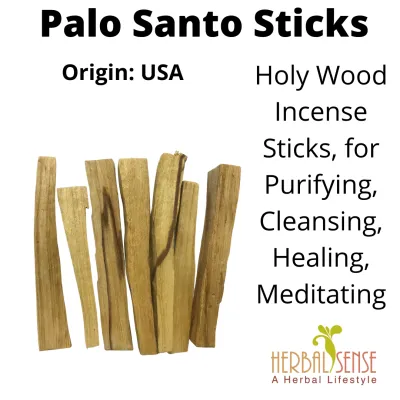
Products mentioned in this guide


![[NIPPON KODO 日本香堂] Yume-no-Yume Sakura/ Lavender/ Lotus Sandalwood/ Freesia/ White Plum Incense Sticks Very Little Smoke Home Fragrance Aroma Meditation Aromatherapy [240 Sticks]](https://img.lazcdn.com/g/p/f7d6e97cad42424a7ba054241e9ded23.jpg_400x400q80.jpg_.webp)
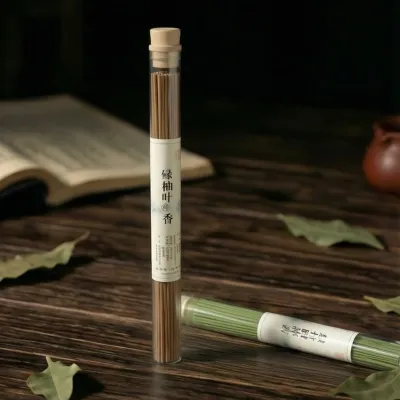
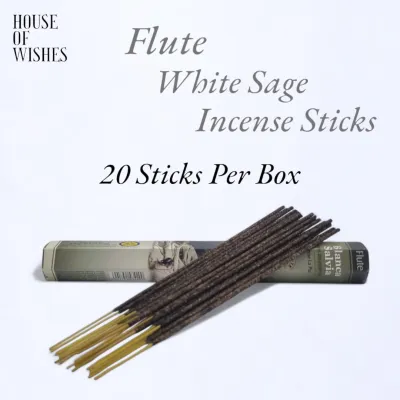
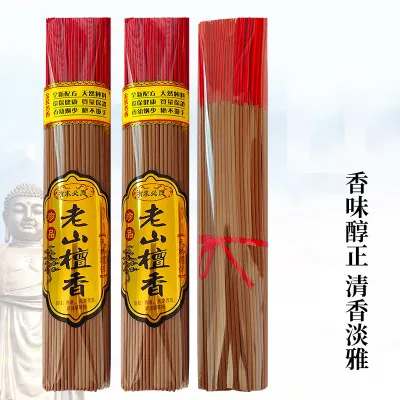
Prices are valid at publication and may change. Please refer to the product page for the latest price.
In contrast, essential oil diffusers offer an adjustable, continuous, and generally lighter scent distribution that acts as a gentle background element. Because diffusers disperse cold mist or pure oil micro-particles without burning, the fragrance remains true to the original botanical source, offering bright, clean, and crisp notes such as lavender, peppermint, sweet orange, or eucalyptus. This creates a refreshing, spa-like environment that is highly customizable; you can easily control the strength of the scent by adjusting the number of oil drops you add to the water tank or by changing the mist output settings on the device.
The atmospheric impact of these two methods appeals to very different sensory preferences. Incense alters the air with a physical, smoky warmth that feels traditional and grounding, making it ideal for those who appreciate deep, complex, and historic scent profiles. Diffusers maintain a modern, airy, and uplifting ambiance that feels clean and unobtrusive, making them highly suitable for open-plan living areas, home offices, and bedrooms where you want a consistent, refreshing backdrop throughout the day.
Air Quality, Safety, and Household Health
One of the most critical distinctions between these two methods is their physical byproduct and how they affect indoor air quality. Incense sticks produce visible smoke and particulate matter as they burn, which means they introduce fine particles into your indoor environment. For this reason, burning incense requires adequate room ventilation to prevent the air from becoming heavy or irritating. If you live in a modern, tightly sealed apartment or rely heavily on air conditioning, you must ensure a window is cracked open to allow fresh air circulation while the stick is active.

Essential oil diffusers do not produce smoke, making them a popular choice for maintaining clean indoor air. However, their physical output varies depending on the technology they use. Ultrasonic diffusers mix essential oils with water and use high-frequency vibrations to release a cool, humidifying mist, which can be beneficial in dry, air-conditioned rooms but may add unwanted moisture to already humid environments. Nebulizing diffusers use pressurized air to disperse a pure, waterless mist of essential oils, delivering a highly concentrated scent without altering the room’s humidity levels.
Household health and safety checks are paramount when introducing any fragrance method, particularly if you share your space with infants, elderly family members, or individuals with respiratory sensitivities like asthma. The smoke from incense can easily trigger coughing or discomfort in sensitive airways, requiring you to monitor exposure limits closely. Furthermore, if you have pets, you must exercise extreme caution with essential oils; many common oils, including tea tree, eucalyptus, cinnamon, and citrus, are highly toxic to cats and dogs. Always verify the safety profiles of your chosen oils and ensure your pets can easily leave the room if a scent becomes too intense.
Daily Routine, Maintenance, and Space Requirements
Integrating a fragrance method into your daily routine requires looking at the hands-on effort and spatial constraints of each option. Burning an incense stick is relatively hands-off while active, but it demands careful preparation and post-use cleanup. You must place the stick in a sturdy, fire-safe holder—such as a ceramic, stone, or brass tray—that is long enough to catch the falling ash. Because incense involves an open flame and a glowing, hot ember, it must never be left unattended, and it must be kept far away from drafts, open windows, curtains, and flammable household items.
Essential oil diffusers do not pose a fire hazard, but they require regular maintenance to operate safely and hygienically. Ultrasonic models must be emptied, dried, and cleaned regularly to prevent the buildup of oily residues, mineral deposits, and mold in the water tank. This routine typically involves wiping the interior with a soft cloth and diluted white vinegar every few uses. Additionally, diffusers require a stable surface near a power outlet, and they should be positioned away from direct sunlight and moisture-sensitive electronics to avoid condensation damage.
The time commitment and spatial suitability of each method also differ. Incense is designed for short, intense bursts of fragrance, with a single stick typically burning for 20 to 40 minutes, making it easy to fit into a brief morning routine or evening wind-down. Diffusers are built for long, continuous, or timed intervals, often featuring programmable timers and automatic shut-off functions. This allows you to set the device and leave it running safely in the background for several hours while you focus on other tasks.
Upfront Investment and Ongoing Expenses
When evaluating the financial commitment of each method, it is helpful to look at both the initial setup costs and the long-term recurring expenses. Incense sticks represent a very low upfront investment. You can get started with a simple, inexpensive pack of high-quality sticks and a basic, heat-resistant holder. The ongoing costs are straightforward and predictable, consisting solely of replacing the incense sticks as you burn through them, making it an incredibly budget-friendly option for casual users.
In contrast, essential oil diffusers require a higher initial investment to purchase a reliable, well-constructed device. When shopping for an electric diffuser, it is important to verify its electrical safety certifications, voltage compatibility, and build quality to ensure safe operation in your home. Beyond the device itself, the primary recurring cost comes from purchasing pure, therapeutic-grade essential oils. High-quality, natural oils can vary widely in price depending on the rarity of the botanical source, and building a diverse collection of scents can become a significant ongoing expense over time.
To calculate the true long-term value of each method for your household, check the product labels for specific yield details. For incense, look at the number of sticks per pack and their average burn time to estimate your monthly cost. For diffusers, consider the water tank capacity, the recommended number of drops per use, and the average lifespan of the device’s components, such as replaceable wicks or ultrasonic plates. This allows you to project your ongoing expenses in S$ and choose the option that best aligns with your household budget.
Decision Framework: Which Method Fits Your Lifestyle?
To finalize your choice, consider how each method aligns with your specific living conditions, daily habits, and household needs.
Choose incense sticks if you:
- Appreciate a mindful, hands-on ritual like meditation or yoga.
- Prefer deep, complex, woody, or resinous scent profiles that linger.
- Have a well-ventilated living space with easily opened windows.
- Want a portable, budget-friendly setup that does not require electricity.
Choose an essential oil diffuser if you:
- Want a continuous, subtle background fragrance that runs safely for hours.
- Prefer a smoke-free, flame-free environment due to rental rules or smoke detectors.
- Enjoy customizing your own scent blends with pure essential oils.
- Are willing to perform routine cleaning to keep the water tank hygienic.
Verify first if you:
- Share your home with infants, elderly family members, or pets, as you must check oil toxicity profiles and manage smoke exposure.
- Have delicate wooden furniture or sensitive electronics near your preferred placement area.
- Live in a highly humid environment, where adding extra moisture via an ultrasonic diffuser might contribute to dampness.
Frequently Asked Questions (FAQ)
Can I use incense sticks and an essential oil diffuser in the same room?
Using both incense sticks and an essential oil diffuser in the same room at the same time is generally not recommended. Combining them can quickly overwhelm your indoor air quality and lead to olfactory fatigue, making it difficult to appreciate either fragrance. The heavy, smoky, and resinous notes of burning incense will easily overpower the delicate, volatile top notes of essential oils, resulting in a muddled and potentially unpleasant sensory experience. To maintain a balanced and inviting atmosphere, it is best to use them at different times of the day—such as diffusing a bright, energizing citrus oil in the morning and burning a single, grounding incense stick in the evening—or to keep them in separate, well-ventilated zones of your home.
Do essential oil diffusers leave residue on furniture?
Ultrasonic essential oil diffusers can sometimes leave a light mist residue or a fine, white mineral film on nearby surfaces, particularly if you use hard tap water or place the unit too close to furniture. This happens because the ultrasonic vibrations disperse water droplets containing natural minerals and oil particles into the air, which can settle on surrounding objects before evaporating. To prevent any buildup or potential moisture damage to delicate wood finishes, paper, or electronics, always place your diffuser on a water-resistant tray or coaster. Additionally, ensure the device is positioned at least one meter away from walls and furniture, use distilled or filtered water to minimize mineral content, and regularly wipe down the surrounding area with a soft, dry cloth.

Community discussion
Share your experience or ask a question. Comments are reviewed before publication.