
The most effective decoration schemes for styling indoor curtain lights rely on layering light sources to create visual depth, using existing architectural features as structural anchors, and matching the wire aesthetics to the room’s background. Rather than serving as simple illumination, these vertical light strands function as dynamic design elements. When properly integrated, they can transform flat walls, sheer window dressings, or open-plan partitions into soft, glowing focal points that elevate the entire room’s atmosphere.
In modern high-rise apartments and compact urban homes, maximizing vertical space is key to creating an airy, inviting environment. Curtain lights are uniquely suited for this task because they draw the eye upward, emphasizing ceiling height while casting a gentle, indirect glow. Achieving this effect requires a balance of aesthetic planning, precise physical measurements, and strict adherence to electrical safety standards.
Foundational Criteria for Indoor Curtain Light Design
Before selecting a specific layout, evaluate the physical characteristics of the curtain light set to ensure it complements your interior design. The color and material of the main horizontal wire and the vertical strands play a significant role in how clean the installation looks during the day. Clear plastic or silver wires blend seamlessly against light-colored walls and sheer white fabrics, while copper or dark-colored wires can add an intentional, rustic accent against deeper paint tones or wooden paneling.
Products mentioned in this guide
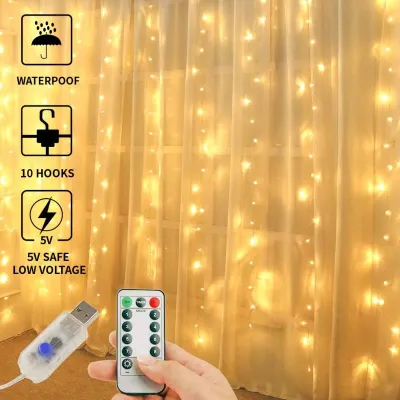
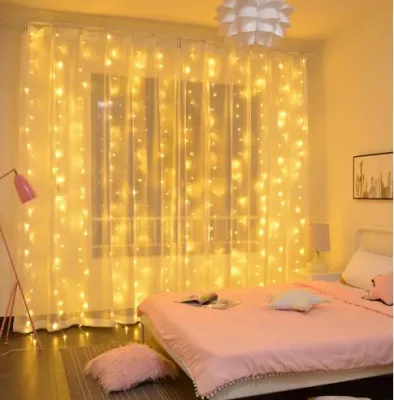
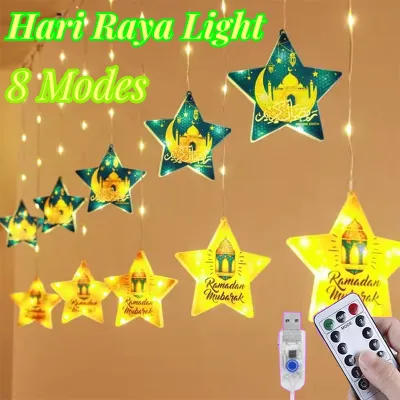
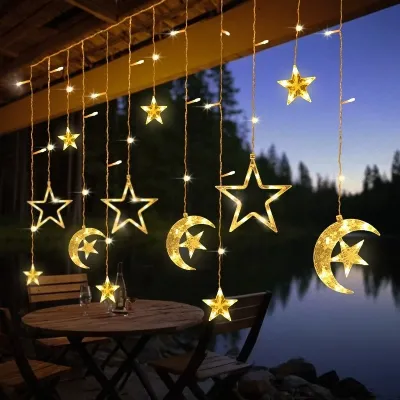
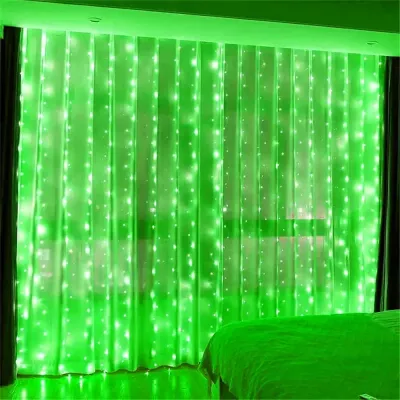
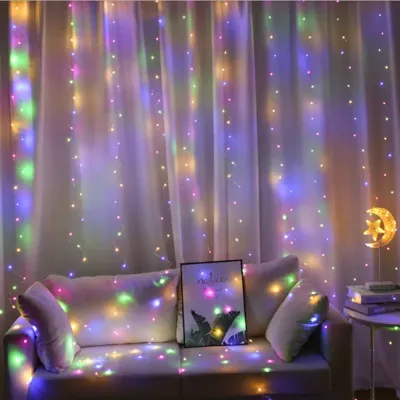
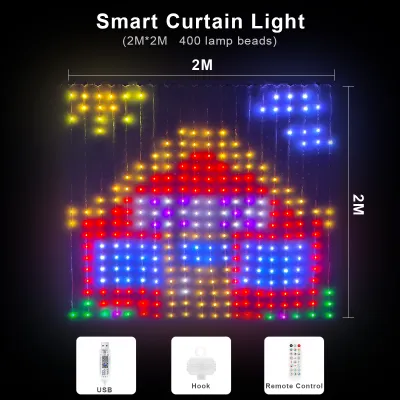
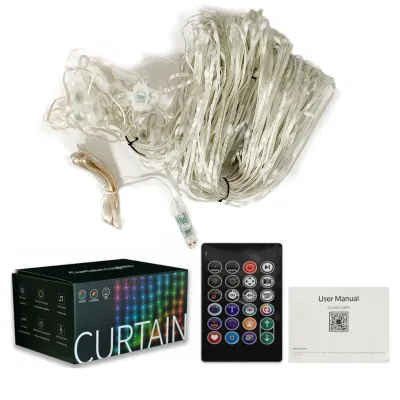
Prices are valid at publication and may change. Please refer to the product page for the latest price.
Matching the light density and drop length to your room’s dimensions is crucial for a polished look. Standard residential ceilings typically range from 2.6 to 2.8 meters in height, so measuring the distance from your mounting point to the floor prevents awkward gaps or excessive pooling of wires. A strand that is too short can look unfinished, while one that is too long can accumulate dust on the floor and create a tripping hazard.
Power source proximity is another essential planning factor that dictates the neatness of your installation. Identify the nearest wall outlet before mounting the lights to avoid running long, unsightly extension cords across high-traffic walkways. If an outlet is not immediately accessible, consider low-voltage USB-powered models that can run off discreetly hidden power banks, or select units with generous lead-in cables that can be routed neatly along baseboards using cable clips.
Bedroom Layouts: Creating a Relaxing Focal Point
In sleeping areas, the primary goal is to arrange curtain lights in a way that establishes a calming, low-glare visual anchor. One of the most popular methods is layering the light strands directly behind sheer, lightweight curtains. The semi-transparent fabric acts as a natural diffuser, softening the individual LED points into a gentle, continuous glow that minimizes eye strain and prepares the mind for rest.

For rooms without window curtains, creating a glowing headboard backdrop is an excellent alternative. Mount the horizontal support wire directly on the wall behind the bed frame using damage-free, removable adhesive clips. This positions the vertical light strands to cascade down behind the headboard, casting a soft halo effect that frames the bed beautifully and eliminates the need for harsh overhead lighting during evening reading.
If your bedroom features a canopy or a four-poster bed frame, you can drape the light strands gently over the top rails and let them fall along the fabric panels. This arrangement encloses the sleeping space in a cozy, three-dimensional cocoon of light. When using this layout, ensure the strands are draped loosely to prevent tension on the wire connections, and keep them clear of bedding to maintain a tidy appearance.
Living Area Layouts: Enhancing Social Spaces
In active social spaces, curtain lights should enhance the room’s architectural features without obstructing daily movement or causing visual discomfort. Framing large sliding glass doors or expansive living room windows is a highly effective scheme. At night, the glass reflects the tiny light points, doubling the perceived depth of the room and making the entire living area feel significantly larger and more inviting.
In open-plan apartments, a dense curtain light strand can serve as a functional, semi-transparent room divider. By suspending the main wire from a ceiling-mounted tension rod or a track, you can visually separate a dining zone or a home office from the main lounge area. This divider defines distinct functional spaces while allowing light and air to pass through freely, preserving the open feel of the home.
Accentuate open shelving units, display cabinets, or media consoles by mounting curtain lights along their back edges. To prevent distracting glare on television screens or computer monitors, position the light strands slightly recessed behind the furniture or behind decorative items. This indirect backlighting reduces contrast in dark rooms, which can help lower eye fatigue during extended screen viewing.
Installation Checks and Safety Boundaries
Prioritize safety by conducting thorough physical and electrical checks before beginning your installation. Always verify the product label to ensure the curtain lights are rated specifically for indoor use and that the voltage rating matches your local electrical supply, which is typically 230V in Singapore. Look for recognized safety certification marks on the packaging or power adapter to ensure the product has undergone rigorous quality testing.
Even low-wattage LED lights generate a small amount of heat over hours of continuous operation, making proper clearance essential. Check the manufacturer’s guidelines regarding heat dissipation and maintain a safe distance between the light strands and highly flammable materials, such as synthetic drapes, dry decorative foliage, or paper ornaments. Never bunch the strands tightly together, as this can trap heat and damage the wire insulation.
Select the right mounting hardware based on your specific wall surface to prevent structural damage or paint peeling. Removable adhesive hooks work exceptionally well on smooth, painted drywall or glass, provided the surface is cleaned thoroughly with rubbing alcohol before application. For rougher surfaces like concrete or textured plaster, specialized masonry clips or tension rods may be required to support the weight of the lights securely.
Stop the installation immediately and consult a qualified professional if your desired setup involves altering fixed electrical wiring, drilling into structural concrete beams, or installing new ceiling outlets. Working at heights to mount lights near high ceilings also requires stable ladders and proper safety precautions. Always isolate the power supply at the main distribution board before handling any hardwired connections or performing maintenance near electrical fixtures.
Cross-Room Compatibility and Routine Care
If you plan to use a single curtain light set in different rooms over time, look for modular or connectable designs. These systems allow you to add or remove individual vertical strands or connect multiple horizontal sets together, giving you the flexibility to adapt the display to fit a narrow bedroom window or a wide living room balcony door.
Pay close attention to the Ingress Protection (IP) rating on the product packaging if you intend to place the lights near indoor water features, humidifiers, or active plant misting zones. Standard indoor lights often lack moisture protection, so areas with high humidity require a higher IP rating (such as IP44 or above) to prevent moisture from penetrating the wire seals and causing short circuits.
Proper routine care will significantly extend the lifespan of your curtain lights and prevent internal wire damage. When cleaning the display, turn off the power and gently wipe the strands with a dry microfiber cloth to remove dust. When taking the lights down, wrap each vertical strand individually around a piece of cardboard before folding the main horizontal wire; this systematic storage method prevents severe tangling and protects the delicate internal copper filaments from snapping.
Frequently Asked Questions (FAQ)
Is it safe to leave curtain lights on while sleeping?
Always refer to the manufacturer’s instructions regarding the maximum continuous operating hours for your specific light set. To ensure safety and conserve energy, it is highly recommended to connect your curtain lights to a plug-in timer, a smart plug, or a home automation system. Programming the lights to turn off automatically after you fall asleep minimizes unnecessary power consumption and prevents the power adapter from running continuously overnight.
How can I fix a section of the curtain light that stopped working?
Begin by isolating the power supply and inspecting the entire unit for visible signs of damage, such as loose connections at the controller box, bent pins in the power adapter, or frayed wires. If a single vertical strand has stopped working due to an internal break in the sealed wire mesh, do not attempt to cut, splice, or repair the wires manually. For safety reasons, if the issue cannot be resolved by securing external plugs or replacing a modular segment, the entire unit should be replaced to avoid electrical hazards.

Community discussion
Share your experience or ask a question. Comments are reviewed before publication.