
To ensure your outdoor solar spotlights survive Singapore’s intense tropical downpours, sudden monsoons, and persistent high humidity, you should look for a minimum rating of IP65. This specific rating guarantees that the fixture is completely dust-tight and capable of resisting water projected from a nozzle from any direction. In an environment characterized by sudden, heavy cloudbursts and high ambient moisture, choosing the correct Ingress Protection (IP) rating is the single most important factor in preventing premature electrical failure and ensuring your garden lighting remains functional year-round.
Decoding IP Ratings for Outdoor Lighting
Understanding the Ingress Protection (IP) rating system is essential when selecting outdoor electrical fixtures. This international standard classifies the protection provided against solid objects, dust, and water. The code consists of the letters “IP” followed by two digits representing resistance to environmental factors.
The first digit in the IP code ranges from 0 to 6 and indicates the level of protection against solid foreign objects, such as dust, dirt, and insects. For outdoor garden lights, a high first digit is critical because fine soil particles, wind-blown grit, and small insects can easily find their way into tiny crevices. A rating of 5 means the unit is protected against dust interference, while a rating of 6 indicates the fixture is completely dust-tight, offering the highest level of solid ingress protection.
Products mentioned in this guide
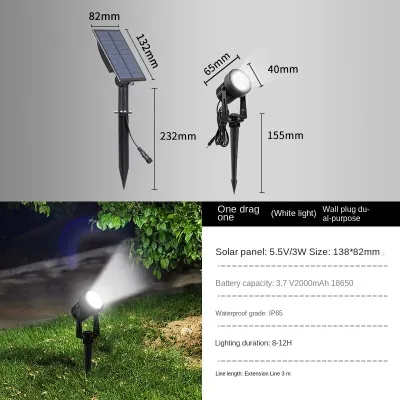
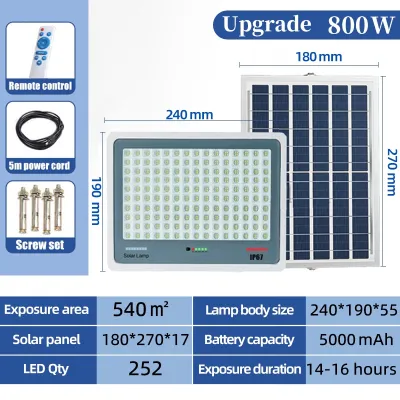
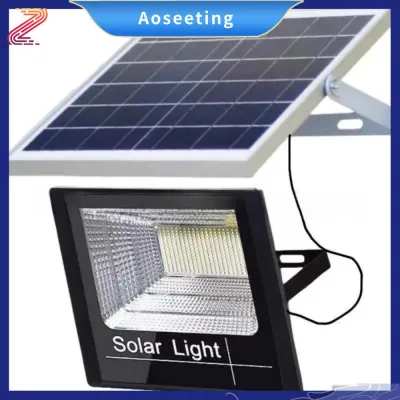
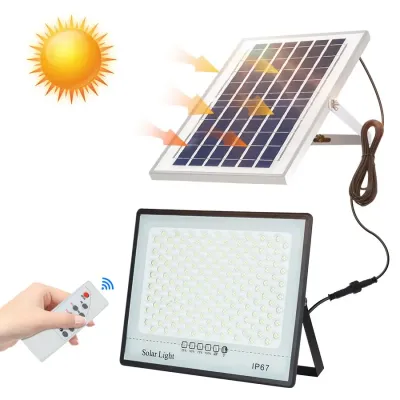
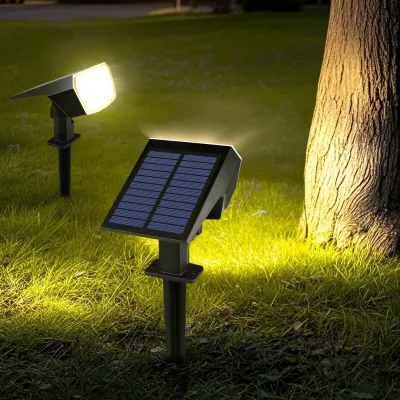
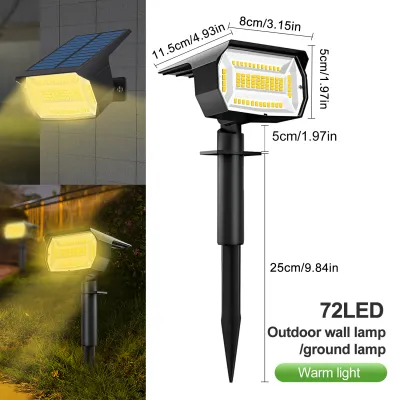
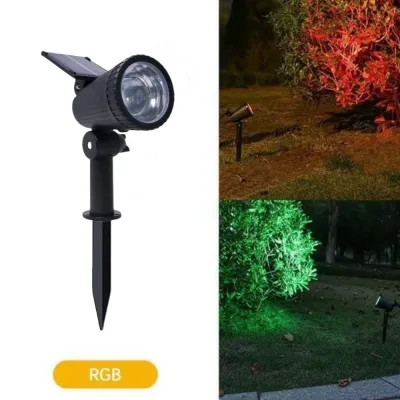
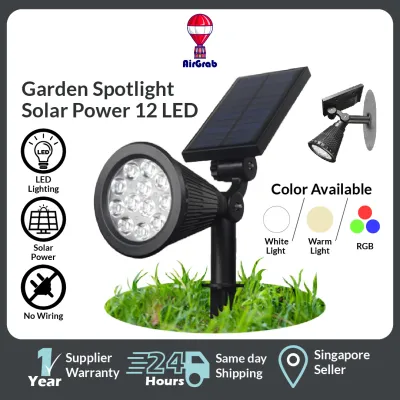
Prices are valid at publication and may change. Please refer to the product page for the latest price.
The second digit, which ranges from 0 to 9, defines the fixture’s resistance to liquids. This is the most critical metric for surviving Singapore’s wet climate, where rainfall can transition from a light drizzle to a torrential downpour in minutes. A lower second digit, such as 4, indicates protection only against splashing water from any angle, which is rarely sufficient for fully exposed garden areas.
As you move up the scale, a second digit of 5 signifies protection against water jets projected by a nozzle from any direction, which closely mimics the force of heavy tropical rain. A digit of 6 represents protection against powerful water jets, which is ideal for highly exposed coastal areas or locations prone to intense wind-driven storms. Ratings of 7 and 8 indicate protection against temporary and continuous immersion in water, respectively, which are typically reserved for underwater pool lights or low-lying path lights installed in areas prone to severe ponding.
Choosing the Right Water Resistance for Tropical Monsoons
In Singapore, where the Northeast and Southwest monsoons bring frequent, intense rainfall, standard indoor or semi-sheltered lighting fixtures will quickly fail if exposed to the elements. For fully exposed outdoor solar spotlights installed in open lawns, flowerbeds, or along pathways, an IP65 rating serves as the recommended baseline. This rating ensures that the internal electronics, battery compartments, and LED drivers remain completely dry even when subjected to hours of relentless, driving rain.

Selecting a spotlight with a lower rating, such as IP44, is a common mistake that often leads to rapid product failure. While an IP44 fixture can handle light splashes, it lacks the necessary seals to withstand the hydrostatic pressure created by heavy, wind-driven tropical downpours. Over time, moisture will seep past inadequate seals, causing internal corrosion, short circuits, and permanent damage to the delicate solar charging circuitry.
Beyond water resistance, selecting the right solar spotlight requires verifying other key technical specifications to ensure compatibility with your outdoor setup. Always check the operating voltage, battery interface, wattage limits, and physical dimensions of the fixture to confirm it fits your designated mounting area. If your lighting plan involves adjustable brightness, verify the dimming method supported by the fixture, and ensure the entire system carries recognized electrical certifications suitable for your specific installation environment.
While technical specifications like IP ratings are absolute requirements for survival, aesthetic choices such as decorative style, perceived color temperature, and spatial lighting effects remain conditional preferences. Warm white tones may create a cozy ambiance, and cool white light might enhance visibility, but these visual effects do not influence the physical durability or weatherproofing of the spotlight itself.
When shopping on online marketplaces or at local home improvement stores, it is vital to verify the manufacturer’s official specifications rather than relying on generic marketing buzzwords like “waterproof” or “weather-resistant.” Genuine IP ratings are backed by standardized laboratory testing, and reputable brands will clearly display the specific IP code on the product packaging, user manual, or specification sheet. Look for products that have undergone independent testing and carry recognized electrical safety certifications.
It is also important to recognize that extreme weather events can occasionally exceed standard testing parameters. For instance, a severe thunderstorm accompanied by localized flooding can submerge ground-level spotlights. If your garden is prone to water accumulation, even an IP65 fixture may struggle if left sitting in standing water for extended periods. In such scenarios, sensible placement on elevated ground or mounting the spotlights on stakes well above the splash zone is necessary to prevent water damage.
Inspecting Physical Seals and Build Quality
While a printed IP rating provides an excellent benchmark, physically inspecting the build quality of the solar spotlight offers practical assurance of its long-term durability. The integrity of an outdoor light relies heavily on the physical barriers that prevent moisture from reaching the sensitive internal components. When evaluating a fixture, pay close attention to the construction of the joints, entry points, and access panels.
Begin by examining the sealing mechanisms around the battery compartment and the wiring connections that link the solar panel to the light fixture. High-quality spotlights utilize thick, flexible silicone or synthetic rubber gaskets rather than cheap, thin foam seals. These gaskets should fit snugly within their grooves and compress evenly when the compartment cover is tightened, creating an airtight barrier against humidity and water ingress.
The housing material itself plays a significant role in maintaining these seals over time. Singapore’s high UV index and constant humidity can cause low-grade plastics to become brittle, crack, and warp, which inevitably compromises the waterproof seals. Opt for fixtures constructed from UV-stabilized polycarbonate, heavy-duty ABS plastic, or corrosion-resistant metals such as powder-coated aluminum or stainless steel. These materials resist degradation from intense sunlight and prevent structural warping that could create gaps in the housing.
Additionally, look for smart design elements that actively prevent water from pooling on the fixture’s surfaces. A solar spotlight with a completely flat solar panel or a recessed lens can trap water, leading to mineral buildup, algae growth, and eventual seal failure. Choose designs with sloped or angled solar panels and convex lenses that naturally encourage water runoff. This simple gravity-assisted drainage keeps the charging surface clean and reduces the constant moisture pressure on the surrounding seals.
Installation and Upkeep for Wet Environments
Proper installation and regular maintenance are just as important as choosing the right IP rating when it comes to maximizing the lifespan of your outdoor solar spotlights. Even the most robust IP65 or IP66 fixture can fail if installed incorrectly or left neglected in harsh tropical conditions. By taking a few proactive steps during setup and ongoing care, you can ensure your lights perform reliably for years.
When mounting your spotlights, always select installation angles that promote efficient water runoff and maximize sun exposure. Tilt the solar panel at an angle of at least 15 degrees to prevent rainwater from pooling on the glass surface. This tilt also helps the rain wash away loose dust and organic debris naturally, maintaining optimal solar charging efficiency. Ensure that you follow the manufacturer’s precise mounting instructions, taking care not to over-tighten screws or brackets, which can crack the plastic housing and ruin the waterproof seals.
For installations that involve fixed wiring, mounting in highly damp areas, working at height, or managing suspended loads, safety must be your primary concern. Always isolate the power source before handling any electrical connections, and strictly follow the manufacturer’s installation instructions. If the setup requires climbing tall ladders, routing permanent cables through wet soil, or securing heavy fixtures overhead, consult a qualified professional to handle the installation safely and ensure compliance with local electrical standards.
Regular maintenance is essential to combat the rapid growth of algae, moss, and hard water stains common in Singapore’s humid climate. To clean your spotlights safely, use a soft, damp microfiber cloth and mild, diluted soapy water to gently wipe down the solar panel and light lens. Avoid using high-pressure water jets, abrasive scrubbing pads, or harsh chemical solvents, as these can degrade the protective UV coatings, scratch the solar glass, or force water past the rubber gaskets.
Finally, establish clear stopping conditions to prevent electrical hazards or permanent damage. If you notice visible internal condensation, water pooling inside the lens, or erratic behavior such as flickering or failing to turn off, immediately cease using the fixture. For solar lights with integrated batteries, turn off the power switch if accessible, isolate the unit from any external wiring, and contact the manufacturer or a qualified professional for guidance. Never attempt to disassemble a sealed, pressurized, or wet electrical component yourself, as this can void the warranty and compromise safety.
Frequently Asked Questions (FAQ)
Can I use a lower IP rating if the spotlight is under a covered patio?
Yes, you can sometimes utilize a slightly lower rating, such as IP44, if the solar spotlight is installed under a deeply covered patio, porch, or awning that provides reliable shelter from direct rainfall. However, you must still account for Singapore’s high ambient humidity and the potential for wind-driven rain to blow sideways under the shelter during intense storms. It is always best to consult the specific product manual to verify if the manufacturer approves the fixture for semi-sheltered damp locations versus fully exposed wet environments. Keep in mind that the solar panel itself must still receive adequate direct sunlight to charge, which often requires placing the panel in an exposed area even if the light fixture is sheltered.
What should I do if I see condensation inside the lens?
If you observe condensation or water droplets forming inside the lens of your solar spotlight, it indicates that the waterproof seal has been compromised or that an extreme temperature shift has drawn moisture inside. You should immediately turn off the unit using its external switch, if available, to prevent short-circuiting the internal electronics. Move the spotlight to a dry, well-ventilated indoor area and allow it to dry out completely. Check the manufacturer’s warranty and support guidelines before attempting any repairs, as opening a sealed housing yourself may void your coverage or permanently damage the remaining seals.
Does a higher IP rating guarantee a longer battery lifespan?
No, a higher IP rating does not directly guarantee a longer battery lifespan, as the IP code only measures protection against the ingress of solid particles and water. Battery longevity is primarily determined by the battery chemistry, the quality of the cells, the number of charge-discharge cycles, and thermal management. However, a superior IP rating indirectly protects the battery by preventing water ingress and moisture buildup, which can cause short circuits, rapid self-discharge, and terminal corrosion. While a well-sealed fixture keeps the battery dry, you must still expect natural battery capacity degradation over time due to Singapore’s high ambient temperatures.

Community discussion
Share your experience or ask a question. Comments are reviewed before publication.