
When selecting an outdoor solar light, understanding the Ingress Protection (IP) rating is essential to ensure the fixture survives the elements. The IP rating system is an international standard that measures how effectively an electrical enclosure seals out solids and liquids. For outdoor solar lights, the core practical differences lie in how they handle water: an IP65 rating indicates protection against standard water jets, an IP66 rating signifies resistance to powerful, high-pressure water jets, and an IP67 rating means the fixture can withstand temporary immersion in shallow water. However, because these ratings represent specific laboratory testing limits rather than an absolute, lifetime waterproof guarantee, you should always verify the exact testing conditions and installation guidelines on the product label or manufacturer manual.
Decoding the IP Code: Dust and Water Protection
The IP code consists of two digits that define the protective capabilities of an outdoor solar light. The first digit, which ranges from 0 to 6, measures protection against solid objects and dust. For outdoor garden lights, a first digit of “6” is the standard and necessary benchmark, indicating that the housing is completely dust-tight and prevents any airborne particulates from entering the internal circuitry.
The second digit, ranging from 0 to 9, measures protection against liquids. When evaluating outdoor solar lights, you will primarily encounter the numbers 5, 6, and 7. A second digit of 5 indicates protection against low-pressure water jets, 6 represents protection against high-pressure water jets, and 7 denotes protection against temporary immersion in water.
Products mentioned in this guide
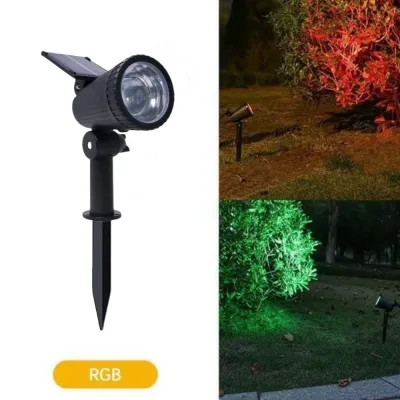
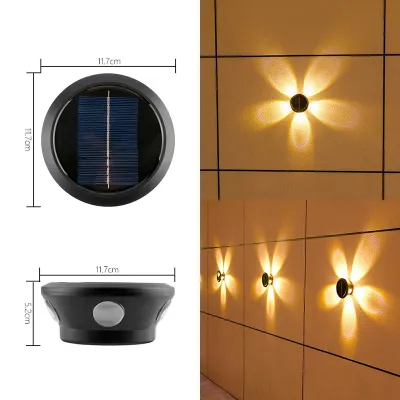
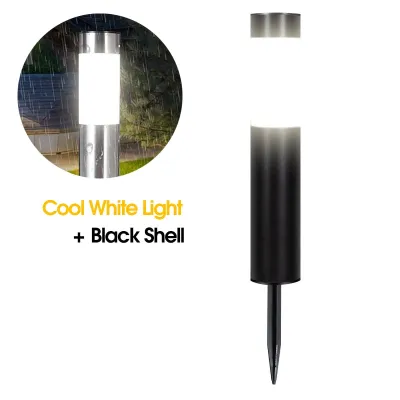
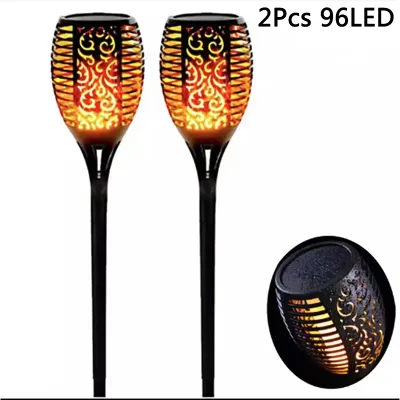
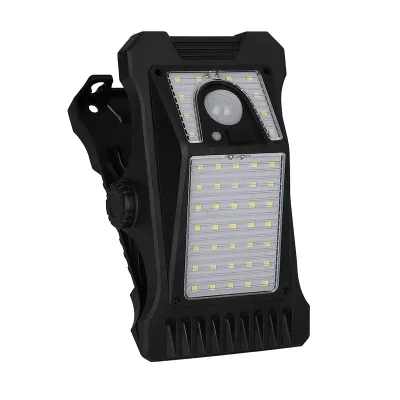
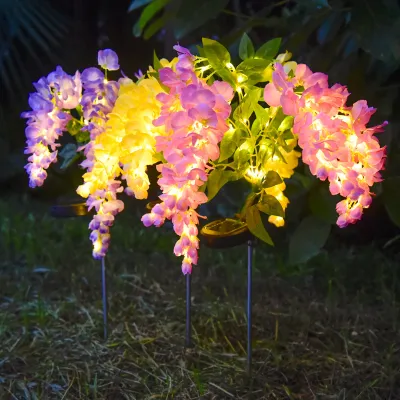
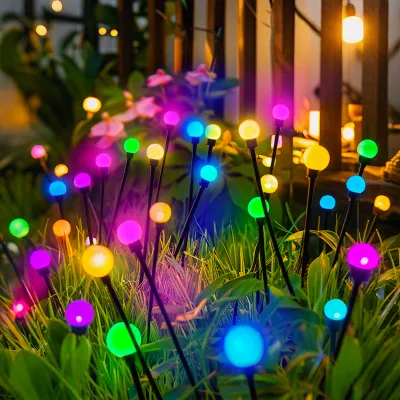
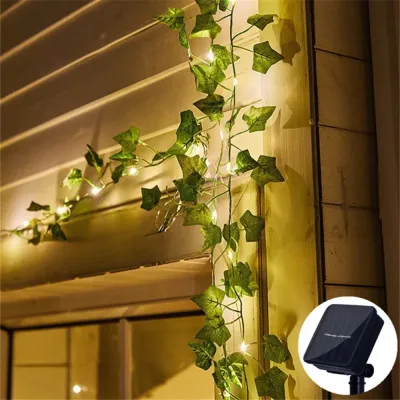
Prices are valid at publication and may change. Please refer to the product page for the latest price.
A common misconception is that a higher second digit automatically covers all lower levels of protection. In reality, the testing protocols for immersion (IPX7) and high-pressure water jets (IPX6) are entirely different. An IP67-rated light is tested for static water pressure underwater, but it may not be designed to withstand the dynamic force of a high-pressure jet. Unless a product is explicitly dual-rated (such as IP65/IP67), you cannot assume that an immersion-rated light will automatically pass high-pressure jet tests.
IP65 vs IP66 vs IP67: Real-World Water Resistance
Translating these technical specifications into real-world expectations helps you choose the right outdoor solar light for your local climate. An IP65-rated fixture is designed to withstand low-pressure water jets from any direction. In practical terms, this means the light can easily handle standard rainfall, light snow, and routine watering from a garden hose or sprinkler system without suffering internal damage.

An IP66-rated light offers a higher tier of protection, specifically guarding against powerful, high-pressure water jets. This rating is highly recommended for fixtures that must endure severe weather, such as driving rain, intense tropical storms, or the high-velocity winds common in exposed coastal areas. The seals on an IP66 fixture are engineered to resist the mechanical force of water being pushed against the housing.
An IP67-rated fixture provides protection against temporary immersion in shallow water, typically up to a depth of one meter for a duration of 30 minutes. This level of sealing is crucial for ground-level lights, such as well lights or low-profile pathway markers, which are likely to sit in deep puddles during heavy downpours or experience temporary flooding in poorly drained soil.
While these categories provide a reliable framework, you must verify the manufacturer’s specific testing parameters on the product packaging or specification sheet. Factors such as the exact duration of the water exposure, the water pressure used during testing, and depth limits can vary slightly between brands, making the official documentation your most reliable guide.
Choosing the Right IP Rating for Your Garden Placement
To ensure reliable performance and avoid premature fixture failure, you should map your planned installation spots to the appropriate minimum IP rating. For covered or semi-sheltered areas, such as under roof eaves, covered patios, balconies, or pergolas, an IP65 rating is generally sufficient. These zones shield the outdoor solar light from direct, heavy downpours, meaning the fixture only needs to handle ambient moisture and occasional light splashes.
For fully exposed lawns, driveways, and pathways, you should look for an IP66 rating. Fixtures in these open areas are directly exposed to the full force of the elements. In regions prone to sudden, heavy downpours—such as the tropical climate of Singapore—IP66 lights provide the robust sealing necessary to prevent water ingress during intense storms.
Low-lying areas, water features, or flood-prone zones require the maximum protection of an IP67 rating. If you are installing ground spikes, deck lights, or pathway lights in garden depressions where rainwater naturally pools, an IP67 rating ensures the light continues to function even when temporarily submerged.
Additionally, remember to check the IP rating of the solar panel separately if you are using a split-type system where the panel is detached and mounted on a wall or roof. If your installation requires fixed wiring, working at height, or mounting in damp areas, ensure you isolate any connected power sources, follow the manufacturer’s installation instructions, and consult a qualified professional. Always verify the fixture’s voltage, dimensions, and electrical certifications before finalizing your setup.
Beyond IP Ratings: Other Weatherproofing Factors to Check
While IP ratings are an excellent indicator of dust and water resistance, they do not cover all aspects of long-term outdoor durability. To ensure your outdoor solar light lasts for years, you must also evaluate the materials used in its construction. UV resistance is critical; low-quality plastics can quickly yellow, cloud, or become brittle when exposed to constant sunlight, which eventually compromises the physical seals of the light.
Corrosion resistance is another vital factor, particularly in highly humid or coastal environments. Look for fixtures made from marine-grade stainless steel, high-quality powder-coated aluminum, or UV-stabilized polycarbonate rather than cheap, untreated metals that will rust and degrade.
You should also inspect the battery compartment sealing quality. A secure, gasketed battery door prevents moisture from corroding the terminals, while still allowing easy access for eventual battery replacement. Finally, check the manufacturer-specified operating temperature ranges to ensure the internal lithium-ion or LiFePO4 batteries and solar cells can safely operate within your local temperature extremes.
Frequently Asked Questions (FAQ)
Can I use an IP65 solar light in heavy, wind-driven rain?
While an IP65 solar light is designed to handle standard rain and low-pressure water splashes, it is not certified to withstand high-pressure water ingress. During extreme, wind-driven downpours, the dynamic force of the rain can mimic high-pressure jets, potentially forcing water past seals that are only rated for IP65. For highly exposed areas subject to severe storms, upgrading to an IP66-rated fixture is recommended. Always check the manufacturer’s warranty terms and specific weather guidelines for clarification.
Does a higher IP rating mean the solar light will last longer?
Not necessarily. An IP rating only measures immediate ingress protection against dust and water under test conditions; it does not account for material degradation, UV damage, or battery lifespan. A well-constructed IP65 light made with UV-stabilized housing and high-quality corrosion-resistant metals will often outlast a poorly built IP67 light that uses cheap plastics and low-grade batteries. To maximize lifespan, balance the IP rating with overall material quality and build construction.

Community discussion
Share your experience or ask a question. Comments are reviewed before publication.