
Determining whether the EDC09 emergency light is suitable for your HDB flat comes down to verifying its electrical specifications, mounting design, and battery performance against the unique layout of your home. While many portable or plug-in emergency lights offer an easy way to keep your household safe during sudden blackouts, you must ensure that any device you install complies with local residential standards. By checking the product’s voltage compatibility, physical dimensions, and installation requirements, you can make an informed decision that enhances your home’s safety without violating estate guidelines.
Understanding Emergency Lighting Needs in HDB Flats
Living in a Housing & Development Board (HDB) flat presents specific spatial and structural layouts that influence how you should plan your emergency backup lighting. Unlike commercial buildings or the common corridors of your housing estate, there is no regulatory mandate from the Singapore Civil Defence Force (SCDF) requiring private homeowners to install emergency lighting inside their individual units. The common areas, such as lift lobbies and escape stairwells, are already equipped with professionally maintained, regulated fire safety systems.
However, maintaining personal safety backup lighting inside your flat is a highly practical decision. Modern HDB layouts often feature deep internal spaces, windowless bathrooms, and long household shelters or hallways that become completely dark during a sudden power trip. If a circuit breaker trips at night, navigating these areas without immediate illumination increases the risk of trips, slips, and falls.
Products mentioned in this guide
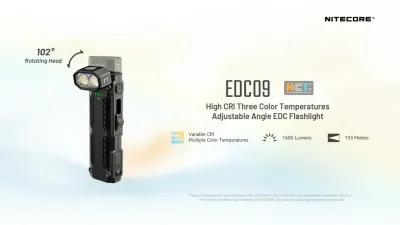
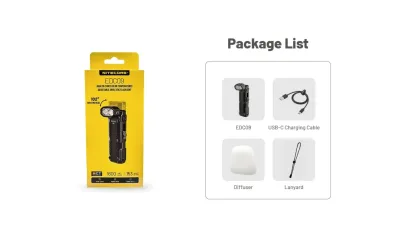
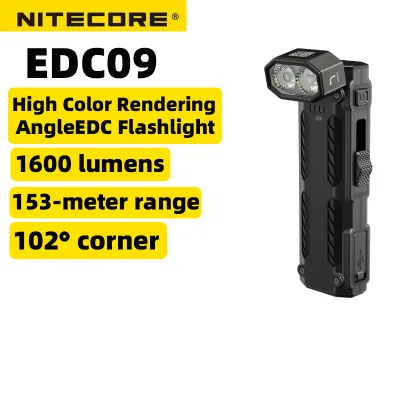
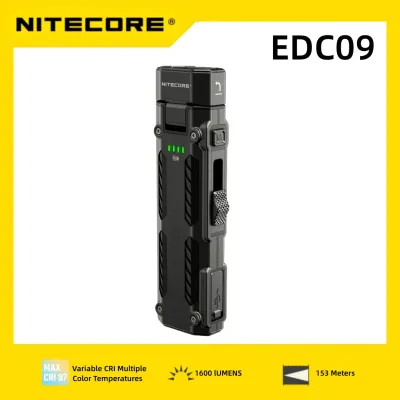
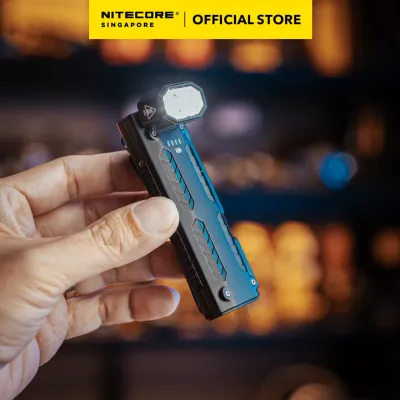
Prices are valid at publication and may change. Please refer to the product page for the latest price.
When planning your setup, identify the key zones that require immediate illumination. The path leading from your bedrooms to the main exit door should be your primary focus. Additionally, placing a compact light source near your main distribution board (DB box) ensures you can safely inspect and reset your circuit breakers without fumbling in the dark.
A typical residential power trip in an HDB flat is usually resolved within a few minutes to a couple of hours, often caused by a faulty household appliance or an overloaded circuit. Therefore, your emergency light does not need to provide industrial-grade illumination for days. Instead, it should offer reliable, localized light for a sufficient duration to let you locate your main electrical panel, find your primary flashlights, or safely exit the flat if a wider block-level outage occurs.
Checking EDC09 Compatibility with HDB Electrical and Physical Specs
Before purchasing or mounting the EDC09 emergency light, you must verify its technical specifications to ensure it integrates seamlessly with your flat’s infrastructure. The first and most critical step is checking the electrical input requirements. Singapore’s standard domestic electricity supply operates at 230V AC, 50Hz. You must inspect the product label or user manual of the EDC09 to confirm it is rated for this voltage range. If the unit uses a direct plug, ensure it features a compatible three-pin plug (Type G) certified for local use, or verify that you have a safe, compliant adapter.

Physical dimensions and mounting options are equally important when assessing compatibility with HDB interiors. Most HDB flats feature concrete or precast wall panels, which require masonry drill bits and wall plugs for secure mounting. If you plan to mount the EDC09 on a drywall partition—often found in newer flat layouts or renovated rooms—you must use specialized toggle bolts or drywall anchors to prevent the fixture from pulling loose. Measure the physical footprint of the EDC09 to ensure it fits comfortably on your designated wall space or ceiling corner without obstructing doors, cabinets, or existing decorative light fixtures.
Next, evaluate the manufacturer’s stated battery backup duration and lumen output. For residential use, a backup duration of at least two hours is generally recommended to handle typical blackout scenarios. The lumen output should be bright enough to illuminate a hallway or small room clearly, but not so intense that it causes blinding glare in confined spaces. Review the product specifications to confirm that the light output matches your spatial requirements.
Finally, consider the environmental conditions of your chosen installation spot. If you intend to place the EDC09 in a moisture-prone area, such as a kitchen, service yard, or near a bathroom entrance, you must check its Ingress Protection (IP) rating. Standard indoor emergency lights without a sufficient IP rating can suffer from internal corrosion or electrical short circuits when exposed to high humidity or steam. If the EDC09 lacks a moisture-resistant rating, restrict its installation to dry areas like living rooms, bedrooms, or main hallways.
Installation Rules and Professional Boundaries for HDB Homes
Installing an emergency light in your HDB flat can range from a simple DIY task to a complex project requiring professional assistance. The boundary between what you can safely do yourself and what requires a professional depends entirely on how the EDC09 is powered. If the unit is a plug-and-play rechargeable model that plugs directly into an existing wall socket, you can safely position and mount it yourself using basic household tools.
However, if you plan to hardwire the EDC09 directly into your flat’s electrical mains, you must adhere to strict safety guidelines. HDB regulations prohibit unlicensed individuals from carrying out electrical wiring work. Hacking into concrete walls to conceal new wiring, tapping into existing lighting circuits, or making modifications to your main distribution board are tasks that must be handled exclusively by a Licensed Electrical Worker (LEW).
Attempting to DIY a hardwired installation not only poses severe risks of electrical shock and fire but can also void your home insurance and violate housing estate rules. If your installation plan involves running new electrical conduits or connecting the fixture directly to your home’s permanent wiring, stop immediately and contact a qualified professional. An LEW will ensure that the installation complies with local electrical safety standards and that the circuit is properly protected by appropriate circuit breakers.
Routine Maintenance and Testing for Reliable Performance
An emergency light is only useful if it functions reliably when the main power fails. Because these devices remain idle for long periods, establishing a routine maintenance and testing schedule is essential to prevent battery degradation and component failure. The most important maintenance task is performing regular manual discharge tests as recommended by the manufacturer.
To conduct a discharge test, safely disconnect the EDC09 from its primary power source—either by unplugging it or switching off the dedicated socket switch—and allow the unit to run on its internal battery. Observe how long the light remains illuminated. If the light dims rapidly or fails to last for its rated backup duration, the internal battery may be reaching the end of its lifespan and will require replacement.
In addition to functional testing, perform regular visual inspections of the fixture. Check the outer casing for any signs of physical damage, cracking, or discoloration. Inspect the battery compartment, if accessible, for signs of swelling, leakage, or corrosion. Over time, the plastic diffuser that covers the light source can accumulate dust or turn yellow due to ambient light exposure, which significantly reduces the overall light output.
Keep the fixture clean by wiping the exterior surfaces with a dry or slightly damp microfiber cloth. Always isolate the power supply before cleaning to avoid any risk of electrical shock. Avoid using harsh chemical solvents, abrasive cleaners, or excessive water, as these can damage the protective casing and compromise the internal electronics.
Frequently Asked Questions (FAQ)
Do I need official approval to install an emergency light inside my HDB flat?
No, you do not need official approval from HDB or the Singapore Civil Defence Force (SCDF) to install a personal emergency light inside your private flat. Regulatory approvals and strict compliance standards primarily apply to the commercial-grade emergency lighting systems installed in common corridors, lift lobbies, and escape stairwells. For your individual home, you are free to use plug-in or surface-mounted emergency lights to enhance your personal safety, provided that any electrical work complies with standard domestic safety guidelines.
What should I do if the EDC09 fails to turn on during a power trip?
If your emergency light fails to activate during a power outage, begin by checking the main power switch on the unit itself, as some models feature a physical on/off toggle that must be enabled to arm the automatic backup system. Next, verify that the wall socket is functioning and that the plug or fuse is intact. If the unit has been plugged in but fails to hold a charge, the internal battery may have degraded or become disconnected. Refer to the manufacturer’s troubleshooting guide for specific indicator light patterns, and avoid opening sealed battery compartments yourself if the unit is still under warranty.

Community discussion
Share your experience or ask a question. Comments are reviewed before publication.