
Yes, a highly compact keychain flashlight like the Nitecore TINI 3 can serve as an excellent personal carry or supplementary emergency light during a power outage in a Singapore HDB flat, but it should not be your sole source of illumination. Its ultra-portable design ensures it is always within reach, but navigating a blackout safely requires understanding how its specific beam profile, runtime, and hands-free limitations compare to dedicated area lighting. By evaluating its specifications against the unique layout of your home, you can determine its exact role in your household emergency plan.
Understanding HDB Power Outage Lighting Needs
HDB flats in Singapore feature distinct layouts, from compact 2-room Flexi units to larger 5-room and Executive apartments. Navigating these spaces during a sudden blackout requires a light source that can safely illuminate narrow corridors, household shelters, and tight utility yards without creating harsh, blinding reflections off glossy tiled walls. The reflective nature of common indoor surfaces, such as polished porcelain tiles or glass shower screens, means that an overly intense, highly focused beam can actually impair your vision by causing temporary glare.
Power disruptions in Singapore’s electrical grid are generally rare and resolved relatively quickly, often lasting from a few minutes to a couple of hours. Therefore, an emergency light does not necessarily need days of continuous runtime, but it must reliably provide steady illumination for at least two to four hours to cover typical restoration windows. This short-duration profile changes how you should prioritize battery capacity versus portability; a massive, heavy lantern may sit unused for years, whereas a pocket-sized light is easily maintained and kept close at hand.
Products mentioned in this guide
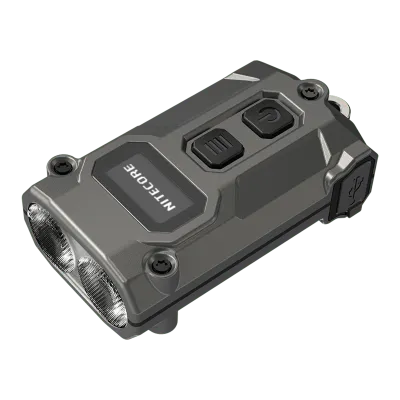
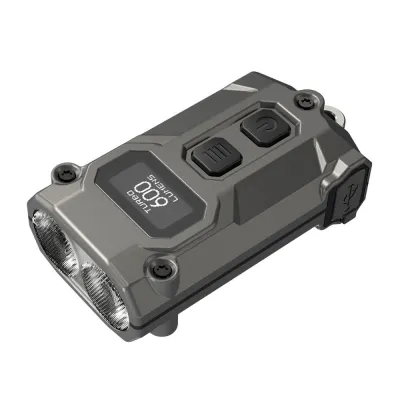
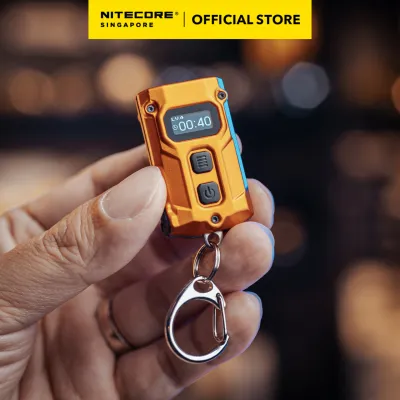
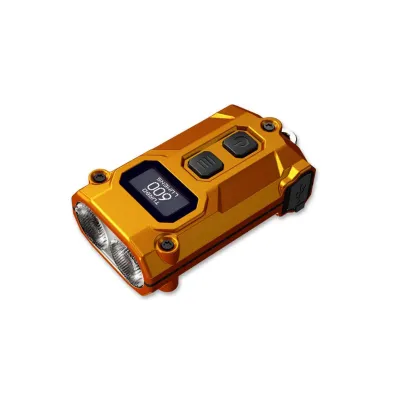
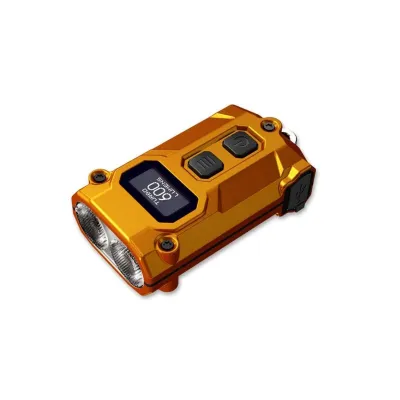
Prices are valid at publication and may change. Please refer to the product page for the latest price.
Mobility is another critical factor. If a blackout occurs while you are cooking in the kitchen or working in the study, you need a light that can be retrieved instantly. Moving between rooms to check the consumer unit (distribution board) or retrieve emergency supplies requires a light that is easy to carry, or ideally, one that can be positioned to allow hands-free operation. A light that requires constant handheld attention limits your ability to safely guide family members or handle basic household tasks in the dark.
Evaluating the Nitecore TINI 3 Core Specifications
To determine if the Nitecore TINI 3 meets these household demands, you must verify its official performance specifications against your specific living space. Start by checking the manufacturer’s documentation for the available brightness levels, which are measured in lumens. For indoor HDB use, a low mode of 15 to 50 lumens is usually sufficient for navigating rooms without causing excessive glare, while a higher mode can be reserved for searching deep cupboards or utility closets. Verify if the device features a dedicated low-power mode that balances visibility with battery conservation.

Next, examine the battery capacity and the corresponding runtime specifications for each output level. Because compact keychain lights have smaller physical footprints, their high-output modes will drain the battery rapidly. Verify that the medium or low settings can sustain continuous operation for at least three hours, ensuring you are not left in the dark if grid repairs take longer than expected. It is also wise to check the battery chemistry; built-in lithium-ion cells offer excellent energy density but require proper voltage management during charging.
When charging the device, always verify the input voltage and current requirements specified by the manufacturer—typically a standard 5V USB input. To ensure electrical safety, only charge the flashlight using a safety-certified USB adapter or a reputable power bank. Check whether the flashlight supports “pass-through” charging, which is the ability to operate while plugged into an external power source. This feature is incredibly valuable during extended outages, as you can connect the light to a standard portable power bank to extend its runtime indefinitely.
Additionally, consider the color temperature of the light source if multiple versions are available. A cool white beam often provides a higher perceived brightness and sharper contrast, which is helpful for reading small labels or inspecting equipment. Conversely, a warm or neutral white beam is often preferred for reducing eye strain and rendering colors more naturally indoors. This choice is ultimately a matter of personal preference rather than a strict performance metric, so select the option that feels most comfortable for your eyes during extended use.
Practical Usability and Portability in Confined Spaces
The primary advantage of an ultra-compact flashlight like the Nitecore TINI 3 is its physical footprint. Because it is designed to fit on a keychain or slip into a pocket, it is far more likely to be on your person or within arm’s reach when the lights suddenly go out. This eliminates the dangerous step of stumbling through a pitch-black home to find a bulky, dedicated emergency lantern. A light that is easy to carry is a light that actually gets used when an unexpected emergency strikes.
When evaluating its physical design, look at the available attachment options. A built-in pocket clip or a robust lanyard loop allows you to secure the light to your clothing, a belt loop, or a hanging hook in your kitchen. This simple feature can temporarily convert a directional handheld light into a stationary ambient light source. For example, clipping the light to the brim of a cap or a shirt pocket can provide hands-free illumination while you move through narrow hallways.
The user interface is equally vital during an emergency. In complete darkness, you must be able to operate the switch intuitively by feel alone. Check if the flashlight features physical buttons that are slightly raised or textured, and verify if it has a lockout mode to prevent accidental activation while sitting in your pocket, which could drain the battery before an actual emergency occurs. A well-designed interface should allow you to access your desired brightness level instantly without cycling through blinding strobe modes first.
Comparing Focused Flashlights with Area Lighting Alternatives
While a compact directional flashlight is highly portable, it has inherent limitations when compared to dedicated area lighting. A focused beam is excellent for searching or walking through a corridor, but it can create harsh shadows and a narrow field of view when placed on a table to illuminate an entire living room. For general family gathering spaces, an omnidirectional emergency lantern that diffuses light 360 degrees is far more effective at creating a comfortable, calm environment.
For tasks that require both hands—such as inspecting your home’s distribution board to see if a circuit breaker has tripped, or preparing a simple meal—a directional keychain light can be difficult to position. When inspecting your home’s distribution board (DB box) to check for tripped breakers, ensure your hands are completely dry and avoid touching any exposed wiring; if a major electrical fault is suspected, always contact a licensed electrical worker. In these scenarios, a dedicated headlamp or a magnetic work light offers a significant advantage by keeping the light focused directly on your line of sight while leaving your hands completely free.
Therefore, the Nitecore TINI 3 is best utilized as a personal carry light or a secondary emergency tool. With compact keychain lights typically ranging from S$30 to S$80, they represent an affordable entry point for personal safety. It serves as the immediate “first response” light to help you safely navigate through the dark to retrieve your primary emergency kit, which should ideally contain broader area lanterns and hands-free headlamps for comfortable, long-term illumination.
Emergency Light Maintenance and Readiness Checklist
An emergency light is only useful if it works when the power goes out. Because the Nitecore TINI 3 utilizes a built-in lithium-ion battery, it will naturally experience a slow self-discharge over time, even when not in use. To maintain battery health, avoid storing the device completely depleted or permanently plugged into a charger; instead, aim to keep it charged between 50% and 80% if storing it long-term, and avoid exposing it to extreme heat, such as direct sunlight near a window.
Establish a routine maintenance schedule to ensure readiness. Every three to six months, perform a quick functional check: turn the light on, cycle through the brightness modes to verify the switch is responsive, and top up the charge. This simple habit prevents the frustration of discovering a dead battery during a genuine blackout. It also allows you to inspect the physical casing and charging port for any dust or debris that might interfere with its operation.
Finally, designate a consistent, easily accessible storage location that every adult in your household knows. Whether it is hung on a key rack near the main entrance, kept in a bedside drawer, or clipped to a dedicated emergency bag, keeping the light in a predictable spot ensures you can locate it instantly in total darkness. A well-prepared household ensures that emergency tools are never more than a few steps away.

Community discussion
Share your experience or ask a question. Comments are reviewed before publication.