
Selecting the perfect porcelain accent for your living space requires balancing historical artistry with modern interior design. Jingdezhen ceramics span several distinct styles, primarily categorized into classic Blue and White (Qinghua), vibrant Famille Rose (Fencai), minimalist Celadon and Monochrome glazes, and sleek Modern interpretations. Choosing the right style depends on your home’s existing color palette, furniture lines, and overall design theme—ranging from traditional heritage spaces to clean minimalist apartments.
Integrating a high-quality jingdezhen ceramic piece into your decor elevates the visual texture of a room. Because these vessels are highly versatile, they can serve as quiet, elegant backdrops or bold, commanding focal points. By understanding the unique characteristics of each style, you can confidently select a piece that complements your space while celebrating a legendary craft.
The Foundation of Jingdezhen Ceramics: Craftsmanship and Material Traits
Jingdezhen, located in Jiangxi Province, has been recognized as the premier center for porcelain production for over a millennium. The region’s access to high-quality kaolin clay and abundant pine wood for fuel allowed local artisans to perfect high-temperature firing techniques. This historic expertise created a global standard for porcelain, prized for its strength, pure white body, and delicate translucency.
Products mentioned in this guide
Prices are valid at publication and may change. Please refer to the product page for the latest price.
True porcelain from this region is fired at temperatures exceeding 1,300°C, a process that completely vitrifies the clay. This intense heat transforms the raw materials into a dense, glass-like substance that produces a clear, bell-like ring when gently tapped. The resulting pieces are remarkably durable, resistant to moisture, and possess a smooth, refined surface that highlights intricate decorative work.
It is important to realize that a jingdezhen ceramic vessel is not limited to a single traditional look. The term encompasses a vast array of decorative techniques, glaze formulations, and artistic movements developed over centuries. From understated, single-color glazes to highly detailed, multi-layered painted scenes, the diversity of these ceramics ensures there is a style to match almost any interior aesthetic.
Identifying Major Jingdezhen Ceramic Styles and Their Aesthetics
Blue and White (Qinghua)
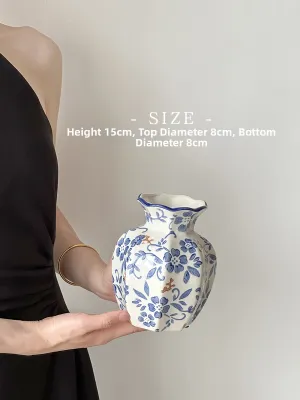
Blue and White, or Qinghua, is arguably the most famous style of Chinese porcelain, characterized by its striking contrast and crisp execution. Artisans paint intricate designs directly onto the unfired clay body using a cobalt-rich pigment. The piece is then coated with a transparent glaze and fired at a high temperature, sealing the deep blue artwork beneath a glossy, protective surface.

Common patterns in Qinghua ware range from delicate floral scrolls and geometric borders to complex, sweeping landscape scenes and mythical creatures. The density of the pattern dictates the visual weight of the piece; some vessels feature sparse, elegant brushstrokes, while others are covered in dense, interlocking motifs.
This style offers a timeless, classic aesthetic that is surprisingly versatile. The clean blue-and-white palette acts as a neutral in interior design, allowing these pieces to blend seamlessly into modern, rustic, or traditional environments. A single blue-and-white jar can serve as a sophisticated accent on a contemporary console table or anchor a formal dining room display.
Famille Rose (Fencai) and Overglaze Enamels
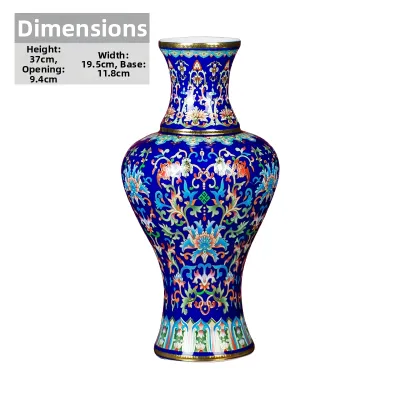
Famille Rose, known in Chinese as Fencai, introduced a revolutionary palette of soft, opaque colors to the ceramic world in the early 18th century. Unlike underglaze techniques, Fencai involves applying metallic oxide enamels over a previously fired glaze. The piece is then fired a second time at a lower temperature to fuse the colorful enamels to the surface.
The defining feature of Famille Rose is the addition of arsenic to the white enamel, which creates an opaque, pastel-like quality. This allows artists to blend colors directly on the porcelain, achieving soft gradients, realistic shading, and extraordinary painterly detail. Common motifs include lush botanical arrangements, delicate birds, and intricate narrative scenes from classical literature.
This style delivers an ornate, traditional, and highly decorative aesthetic. The rich colors and textured, slightly raised enamel surfaces add warmth, luxury, and historical depth to a room. It is an ideal choice for homeowners who want to make a bold artistic statement or introduce a sense of classical elegance into their living spaces.
Celadon and Monochrome Glazes (Se You)
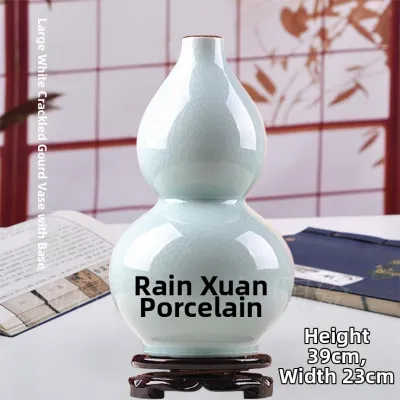
Monochrome glazes, or Se You, celebrate the pure beauty of form, texture, and single-color application. Among these, Celadon (Qingci) is highly revered for its jade-like appearance. The glaze contains small amounts of iron oxide, which, when fired in a reducing atmosphere, produces a range of serene greens, pale blues, and soft gray-green tones.
Rather than relying on painted designs, monochrome ceramics draw visual interest from the behavior of the glaze itself. Some pieces feature intentional crackle patterns, known as “ice crackle,” where the glaze contracts differently than the clay body during cooling. Others showcase subtle pooling, where the glaze runs thicker in carved recesses, highlighting the underlying structural details of the vessel.
These pieces offer a minimalist, quiet elegance that focuses on silhouette and light reflection. The soft, satin, or high-gloss finishes interact beautifully with ambient light, creating a tactile quality that invites touch. Monochrome ceramics are perfect for understated spaces where texture and form take precedence over busy patterns.
Modern and Contemporary Interpretations
Modern ceramic artists in Jingdezhen continue to push the boundaries of their craft by blending ancient techniques with contemporary design philosophies. These modern interpretations often feature simplified, sculptural silhouettes, matte or textured finishes, and abstract, expressive brushwork that departs from traditional realism.
Many contemporary pieces experiment with reactive glazes, where different minerals interact unpredictably in the kiln to create unique, organic patterns. You will also find combinations of unglazed, raw clay surfaces contrasted with highly polished glazed sections, emphasizing the natural, earthy qualities of the material.
This style offers a sophisticated bridge between heritage craftsmanship and modern design. These pieces feel thoroughly current, making them excellent additions to contemporary apartments, urban lofts, and creative spaces. They retain the exceptional material quality of traditional Jingdezhen porcelain while presenting a fresh, artistic perspective.
How to Match Ceramic Styles to Your Interior Design Theme
Modern Minimalist & Scandinavian: In clean, uncluttered spaces, visual clutter must be kept to a minimum. Celadon, monochrome glazes, or contemporary matte-finished ceramics are highly recommended here. A single, tall celadon vase with a pale green hue or a matte white sculptural jar adds a layer of organic warmth without disrupting the calm, neutral color scheme. Focus on simple, strong silhouettes that act as quiet sculptural objects.
Traditional & Classic: For homes featuring classic European, colonial, or traditional Asian design, Blue and White (Qinghua) and Famille Rose (Fencai) are natural fits. These highly detailed styles pair exceptionally well with dark wood furniture, such as teak or mahogany, and rich, structured textiles. Placing a pair of symmetrical Fencai ginger jars on a formal entryway console or a large Qinghua vase on a dining room sideboard instantly establishes a sense of heritage and refined symmetry.
Eclectic & Bohemian: Eclectic interiors thrive on the deliberate mixing of different eras, textures, and cultural artifacts. Vibrant overglaze enamels, such as Famille Rose, or heavily patterned blue-and-white vessels work beautifully in these spaces. Try pairing a highly detailed, colorful ceramic jar with modern metal shelving or placing it next to rustic, reclaimed wood furniture. This contrast creates a curated, collected-over-time look that feels personal and artistic.
Japandi & Wabi-Sabi: The fusion of Japanese minimalism and Scandinavian warmth relies heavily on natural materials and a celebration of imperfection. Modern handcrafted Jingdezhen pieces with matte finishes, visible brushstrokes, or subtle glaze irregularities fit this theme perfectly. Look for vessels with organic, slightly asymmetrical forms and earthy, muted tones. These pieces emphasize the tactile nature of the clay, bringing a sense of grounded simplicity and quiet contemplation to the home.
Sizing, Placement, and Display Strategies for Vases
Choosing the right size and placement for your ceramic vase is essential to ensure it complements, rather than overwhelms, your furniture. Large floor vases, typically measuring 60cm or taller, should be placed directly on the floor in empty corners, beside low television consoles, or flanking a large doorway. Placing a massive vase on a high shelf can make the space feel top-heavy and presents a safety hazard.
Medium-sized vases, ranging from 30cm to 50cm, are highly versatile and work best on dining tables, sideboards, and deep console tables. When styling shelves, mantels, or shallow side tables, opt for smaller jars, bottles, or bowls under 30cm. These smaller scales allow you to appreciate the fine details of the glaze and painting at eye level.
When displaying multiple ceramics, grouping them in odd numbers—such as three or five—creates a more dynamic and visually pleasing arrangement than even pairs. To master this technique, select pieces of varying heights and shapes but maintain a cohesive element, such as a shared color palette or glaze type. Alternatively, let a single, oversized statement piece stand completely alone on a table center to command attention as a singular work of art.
Lighting plays a crucial role in how a ceramic piece is perceived in your home. Glossy glazes, such as classic Blue and White or polished Celadon, reflect light efficiently, creating bright highlights and a sense of depth when placed near windows or under focused spotlights. Matte finishes, on the other hand, absorb light, offering a softer, more subtle presence that works beautifully in cozy, ambient-lit corners or reading nooks.
Finally, always distinguish between pieces meant strictly for decoration and those intended to hold fresh flowers. High-fired porcelain is generally water-tight, but some decorative, antique-style, or low-fired ceramics may feature unglazed interiors or micro-cracks in the glaze that can slowly weep moisture. If you plan to use a valuable or delicate vase for fresh floral arrangements, check the product details carefully or use a secondary glass or plastic liner inside the vessel to protect your wooden furniture from water damage.
Safe Cleaning and Maintenance for Ceramic Vases and Artifacts
To preserve the pristine glaze and intricate painted details of your ceramic pieces, establish a gentle, low-risk cleaning routine. For regular maintenance, simple dusting is usually sufficient. Use a clean, dry microfiber cloth or a soft-bristled brush, such as a makeup brush, to gently sweep away dust from intricate relief work and delicate overglaze enamels without scratching the surface.
If the ceramic accumulates dirt or water spots, wipe it gently with a damp cloth and a mild, non-abrasive dish soap. Avoid using harsh chemical cleaners, bleach, or abrasive scrubbing pads, as these can permanently dull glossy glazes and strip away delicate overglaze hand-painting. Never submerge or soak unglazed ceramics, or those with crackle glazes, in water for extended periods, as moisture can seep into the clay body and cause discoloration.
Proper placement and handling are key to preventing accidental damage. In high-humidity tropical climates like Singapore, high-fired porcelain remains incredibly stable, but direct, intense sunlight near windows can eventually fade certain sensitive overglaze pigments over many years. Position your valuable pieces away from high-traffic edges, active walkways, or areas where they might be easily bumped. Always support a vase from its base with both hands when moving it, rather than lifting it solely by its delicate rim or handles.
Frequently Asked Questions (FAQ)
How can I tell if a Jingdezhen ceramic vase is hand-painted?
To determine if a piece is hand-painted, inspect the artwork closely under good lighting. Hand-painted ceramics will show subtle variations in brushstroke thickness, minor asymmetries in repeating patterns, and slight pooling of pigment where the artist’s brush paused or changed direction. Under magnification, decal prints or transfer designs will appear as perfectly uniform, flat lines, often revealing a fine dot-matrix pattern similar to newspaper print, and they will lack the organic, tactile depth of hand-applied pigments.
Are all Jingdezhen vases safe for holding water and fresh flowers?
Not all Jingdezhen vases are safe for holding water directly. While standard high-fired porcelain is vitrified and non-porous, certain decorative styles—such as those with heavy crackle glazes, unglazed interiors, or low-fired earthenware bodies—can slowly seep moisture over time. To prevent water damage to your wooden tables or sideboards, always test a new vase in a sink for 24 hours to check for leaks, or simply insert a small, water-tight glass or plastic container inside the ceramic vessel to hold the water and stems safely.

Community discussion
Share your experience or ask a question. Comments are reviewed before publication.