
Choosing between LED electric lights and traditional oil lamps for your Buddha altar depends entirely on your living environment, maintenance capacity, and specific religious practices. There is no universally superior option; LED lights offer unmatched safety and convenience for modern high-rise apartments and busy schedules, while traditional oil lamps provide an authentic, tactile ritual experience for those with well-ventilated spaces and time for daily upkeep. This guide breaks down the practical differences to help you select the most suitable altar light for your home.
Symbolism and Traditional Worship Experience
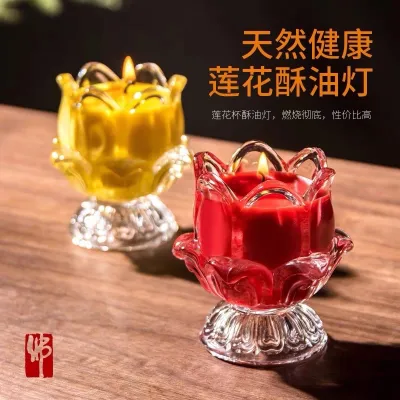
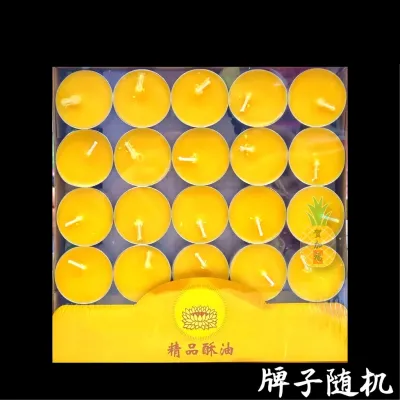
In Buddhist tradition, light represents wisdom, clarity, and the dispelling of ignorance. Traditional oil lamps carry deep historical significance, as the physical act of preparing the wick, pouring the oil, and striking a match is itself a form of active mindfulness. The natural movement of a real flame symbolizes the impermanence of life—constantly consuming fuel, shifting with the air, and eventually extinguishing. For many practitioners, this tactile connection to the offering is irreplaceable, serving as a daily physical commitment to their spiritual path.
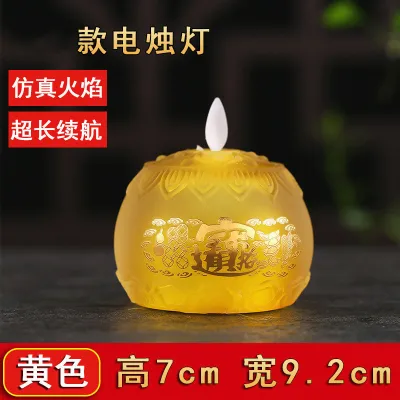
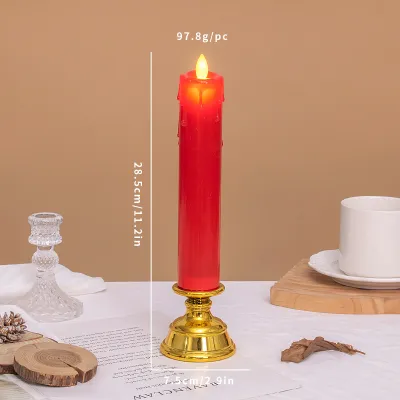
Conversely, LED electric lights offer a different but equally profound symbolic meaning: continuous, unwavering illumination. An electric buddha altar light can remain lit twenty-four hours a day, representing the eternal, uninterrupted presence of the Buddha’s teachings and wisdom. Modern designs have evolved to include flickering LED flames, which attempt to replicate the warm, dynamic aesthetic of a traditional flame without the physical combustion. This allows practitioners to maintain a visually traditional altar space while embracing modern efficiency.
Products mentioned in this guide
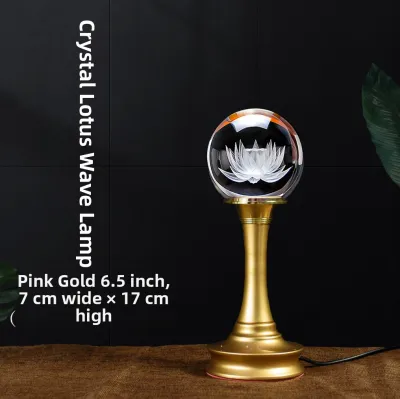
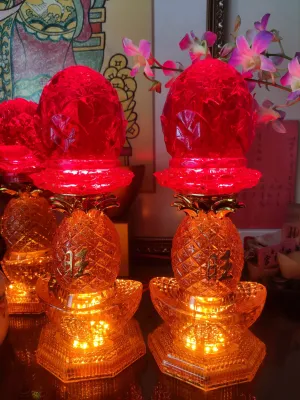
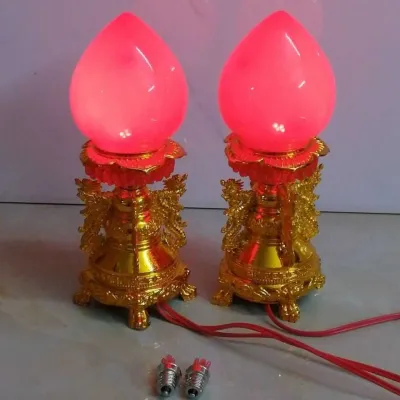
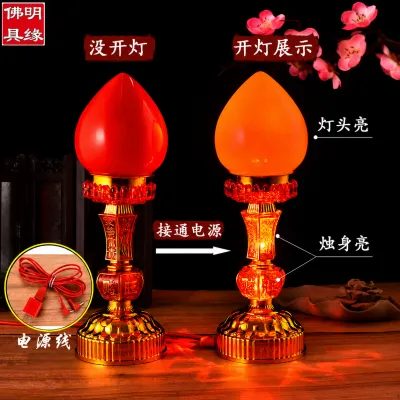
Prices are valid at publication and may change. Please refer to the product page for the latest price.
When deciding between these options, it is highly recommended to consult your specific religious lineage, temple teachers, or family elders. Some traditional lineages or specific schools of practice may strongly prefer or even mandate a natural, combustible flame for certain daily offerings or specific rituals. Others fully embrace modern technology, viewing the intention behind the offering as far more important than the physical medium of the light. Understanding these expectations early on will help you make a choice that respects both your practical needs and your spiritual commitments.
Fire Safety and Electrical Risks in Modern Homes
Fire safety is a paramount consideration, especially for those living in modern high-rise apartments or HDB flats where living spaces are compact and neighbors live in close proximity. Traditional oil lamps present inherent open-flame risks that require strict management. A real flame demands a generous clearance from ceilings, curtains, window treatments, and other flammable altar offerings like paper, incense boxes, or dried flowers. It is an absolute rule that traditional lamps must never be left burning without constant, direct supervision; leaving the home or going to sleep while an oil lamp is lit poses a significant safety hazard.

Furthermore, many modern homes utilize enclosed wooden altar cabinets or recessed shelving units to save space. In these confined setups, heat accumulation from an open flame can quickly dry out or scorch the surrounding wood, increasing the risk of accidental ignition. The smoke and soot residue from burning oil can also accumulate on the cabinet ceiling, creating a sticky, flammable layer over time. For these specific spatial arrangements, traditional oil lamps are highly impractical and potentially dangerous.
While LED electric lights eliminate open-flame hazards, they introduce their own set of electrical safety considerations. When purchasing an electric buddha altar light, it is crucial to verify its voltage compatibility with your home’s electrical system and look for recognized local safety certifications, such as the Safety Mark. Cable management is equally important; power cords must be neatly routed to prevent tripping hazards, and you should avoid overloading power strips near the altar. Regularly inspecting the cords for signs of wear, fraying, or heat damage ensures that your continuous illumination remains entirely safe.
Daily Maintenance and Cleaning Requirements
The daily maintenance and cleaning requirements of traditional oil lamps can be demanding, requiring a consistent commitment of time and effort. Daily routines involve trimming the carbon buildup from the wicks to ensure a clean burn, carefully refilling the oil reservoirs to prevent spills, and wiping down any drips. Weekly, you will need to thoroughly scrub the lamp vessels to remove sticky oil residue and soot, which can otherwise attract dust and compromise the cleanliness of the sacred space. The surrounding walls and ceiling may also require periodic cleaning to prevent permanent discoloration from smoke.
In contrast, LED altar lights require minimal upkeep, making them highly suitable for modern, fast-paced lifestyles. The primary maintenance task is occasional dusting of the fixtures with a dry microfiber cloth to keep them looking pristine. Because there is no combustion, there is no soot, smoke, or sticky residue to clean from the altar surfaces. The only other requirement is a periodic visual inspection of the power cords, plugs, and adapters to ensure they remain in good, safe working condition over time.
For households characterized by frequent travel, long working hours, or the presence of young children and curious pets, the high maintenance and safety risks of traditional lamps often become impractical. An unattended oil lamp is a constant source of anxiety when you are away from home or busy in another room. In these scenarios, the low-maintenance nature of LED lights provides peace of mind, allowing you to maintain a beautiful, respectful altar without adding demanding chores to your daily routine.
Upfront Costs and Long-Term Expenses
Evaluating the financial aspect of your altar setup involves looking at both the upfront investment and the long-term recurring expenses. The initial setup cost for traditional oil lamps can vary widely; basic glass or ceramic lamp sets are relatively inexpensive, but high-quality brass, crystal, or hand-crafted lotus-shaped oil lamps can require a more substantial initial outlay. On the other hand, quality LED altar lamps—especially those featuring realistic flame effects, durable metallic finishes, and reliable internal circuitry—often carry a higher initial price tag than basic traditional options.
However, the long-term cost dynamics tell a different story. Traditional oil lamps incur continuous, recurring expenses for high-quality, clean-burning lamp oil (such as paraffin or liquid wax), replacement wicks, and specialized cleaning supplies. Over months and years, these small purchases accumulate into a significant ongoing cost. Conversely, modern LED altar lights consume very little electricity. Even when left on continuously, their impact on your monthly utility bill is negligible, and they do not require ongoing consumable purchases.
When shopping for LED options, it is wise to check the manufacturer’s warranty and the expected lifespan of the LED components, which often extend to tens of thousands of hours. Look for energy efficiency labels or product specifications that detail the exact wattage of the fixtures. While you will eventually need to replace the entire LED unit or its power adapter when it reaches the end of its operational life, the overall long-term cost of running LED lights is generally much lower than the continuous upkeep of traditional oil lamps.
How to Choose the Right Altar Light for Your Home
To finalize your decision, consider a clear framework based on your living situation, daily schedule, and personal priorities. Choose LED electric lights if you reside in a high-rise apartment, utilize an enclosed wooden altar cabinet, or have a busy lifestyle that involves frequent travel or long hours away from home. They are also the ideal choice if your household includes young children or pets, where the risk of an accidental spill or fire is high, or if you simply prefer a low-maintenance, set-and-forget solution that keeps your altar clean and safe.
On the other hand, choose traditional oil lamps if you have a spacious, well-ventilated altar area with high ceilings and plenty of clearance from flammable materials. This option is perfect for those who deeply value the physical, meditative ritual of preparing and lighting a real flame each day, and who have the time to commit to daily supervision, cleaning, and maintenance. The warmth and natural presence of a real flame can create a deeply serene atmosphere that some practitioners find essential for their spiritual focus.
Before making any purchases, always verify two critical factors. First, check if your specific religious tradition or lineage strictly mandates a natural flame for daily offerings, as this may override practical preferences. Second, review your building management guidelines or tenancy agreements, as some high-rise developments or condominiums have strict regulations regarding open flames, incense burning, or specific electrical modifications in residential units.
Frequently Asked Questions (FAQ)
Can I use both LED and traditional oil lamps on the same altar?
Yes, combining both types of lighting is a common and highly practical solution for many modern practitioners. A popular approach is to use low-wattage LED altar lights for continuous, round-the-clock illumination, ensuring the altar is never dark. You can then reserve traditional oil lamps for special occasions, such as major Buddhist festival days, family prayer sessions, or specific intensive rituals when you can provide direct, uninterrupted supervision.
If you choose to combine both, safety must remain your top priority. Ensure there is a safe, generous physical distance between the open flame of the oil lamp and any electrical cords, plastic housings, or synthetic materials of the LED fixtures. The heat from a real flame can easily melt nearby plastic or damage sensitive electronic components, creating a severe fire hazard. Position the traditional lamps at the front of the altar where they are easily accessible and well away from any hanging decorations or electrical wiring.
Do LED altar lights consume a lot of electricity if left on continuously?
No, modern LED altar lights are highly energy-efficient and designed specifically for continuous, long-term operation. Unlike older incandescent bulbs, LEDs convert almost all of their energy into light rather than heat, resulting in extremely low power consumption. A typical pair of LED altar lights might use only a few watts of electricity, meaning their contribution to your monthly utility bill will be barely noticeable, even when left running twenty-four hours a day.
To understand the exact impact on your household expenses, check the manufacturer’s wattage rating printed on the product label, packaging, or power adapter. You can easily estimate your monthly running costs by multiplying the total wattage by twenty-four hours and your local electricity tariff rate. This simple check will confirm that transitioning to LED lights is a highly cost-effective choice that provides continuous, beautiful illumination without financial strain.

Community discussion
Share your experience or ask a question. Comments are reviewed before publication.