
Waking up reliably when you are a heavy sleeper requires more than just a standard smartphone buzz. In Singapore’s fast-paced environment, missing an early morning meeting or a university lecture due to an ineffective alarm can disrupt your entire day. Finding an alarm clock that is genuinely loud enough involves looking beyond basic volume levels to understand how sound frequency, physical vibration, and electrical reliability come together to disrupt deep sleep cycles.
Many standard table clocks and digital devices peak at volumes that are easily absorbed by ambient room acoustics or ignored by a deep sleeper’s brain. To solve this, specialized high-volume alarm solutions utilize physical mechanisms, such as mechanical bells or vibrating bed attachments, alongside high-decibel speakers. By focusing on customizable frequencies and multi-sensory triggers, you can find a reliable setup that ensures you wake up on time without relying on sheer, ear-splitting volume alone.
Before purchasing any high-output device, it is essential to evaluate how it integrates into your bedroom environment, especially in high-density housing where sound travel is a key consideration. Balancing waking effectiveness with neighborly courtesy and electrical safety is the foundation of choosing the right high-volume alarm clock.
Products mentioned in this guide
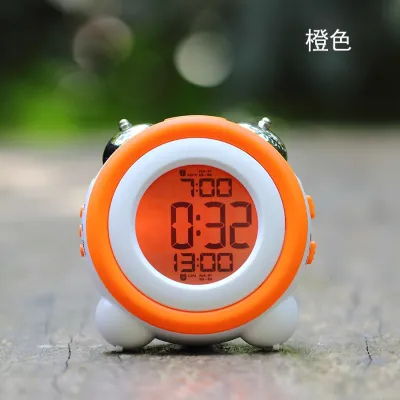
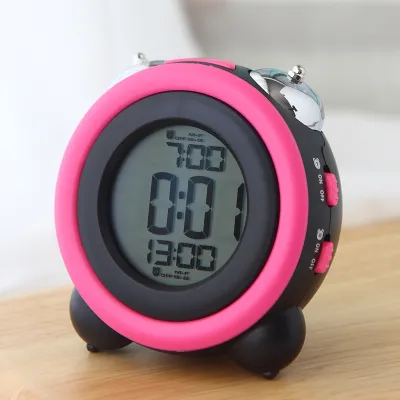
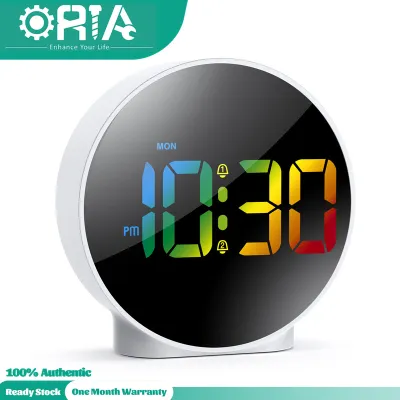
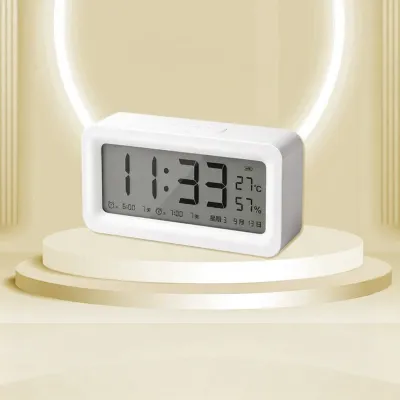
Prices are valid at publication and may change. Please refer to the product page for the latest price.
What Defines a Truly Loud Alarm Clock?
To understand what makes an alarm clock effective for heavy sleepers, we must first look at how sound is measured and perceived. Manufacturers often advertise decibel (dB) ratings to indicate the maximum volume their devices can produce. A standard alarm clock typically operates around 60 to 70 decibels, which is comparable to the level of a normal conversation or a running household appliance. For heavy sleepers, however, effective devices usually aim much higher, often reaching between 80 and 100 decibels, which is equivalent to the noise of a lawnmower or heavy traffic.
However, raw volume is only one part of the equation. The human brain adapts quickly to continuous, predictable sounds, a phenomenon known as sensory habituation. This is why a steady, high-pitched drone can easily be incorporated into a dream rather than waking you up. Truly effective high-volume alarms utilize sweeping frequencies, alternating pitches, or irregular pulsing patterns. These sudden acoustic shifts prevent the brain from filtering out the sound, forcing your cognitive state to transition from deep sleep to alertness.
Low-frequency tones are also highly effective at penetrating deep sleep. While high-pitched beeps are easily blocked by pillows, blankets, or earplugs, lower frequencies carry more physical energy and are felt as much as they are heard. This acoustic reality explains why mechanical twin-bell clocks, which produce a resonant, metallic clang, often feel much louder and more disruptive than digital speakers of a similar decibel rating.
Finally, the most reliable systems for deep sleepers do not rely on sound alone. Multi-sensory waking methods combine high-decibel audio with physical vibration or bright, flashing lights. By stimulating multiple sensory pathways simultaneously—auditory, tactile, and visual—these devices bypass the sleep-heavy brain’s natural defenses. If your ears fail to register the sound, the physical shaking of your mattress or a sudden burst of light will trigger the necessary arousal response to wake you up.
Essential Features to Verify Before Purchase
When shopping for a high-volume alarm clock in Singapore, technical compatibility is the first critical checkpoint. Many specialized heavy-duty alarm clocks are manufactured for international markets, meaning they may ship with power adapters designed for different electrical standards. You must verify that the device is compatible with Singapore’s standard voltage of 230V and frequency of 50Hz. Using a device designed solely for 110V without a proper step-down transformer can lead to electrical failure, overheating, or permanent damage to the clock’s internal circuitry.

Additionally, pay close attention to the plug type. Singapore utilizes the Type G three-pin plug. If the alarm clock comes with a two-pin Type A or Type C plug, you will need a safe, compliant adapter that meets local safety standards. Avoid daisy-chaining multiple cheap adapters, as high-volume alarm clocks with integrated bed shakers draw more current than standard digital clocks, making secure electrical connections vital for long-term safety.
A robust battery backup system is another non-negotiable feature. Power fluctuations or brief electrical trips can reset a standard digital clock, causing you to oversleep. Look for models that use a dedicated backup battery, such as a 9V or multiple AA batteries, to maintain the time and trigger the alarm even if the main power supply fails. Verify whether the battery backup runs the entire alarm system, including the high-volume speaker and vibrator, or if it simply preserves the clock’s internal memory during an outage.
Lastly, look for highly adjustable control interfaces. An alarm that only operates at its maximum volume can cause unnecessary morning anxiety and potential hearing strain over time. Opt for devices that feature variable volume dials, allowing you to fine-tune the decibel level to the minimum threshold required to wake you. Gradual wake-up features, which slowly ramp up the volume over several minutes, offer a more pleasant transition to wakefulness while still providing a high-volume safety net if you fail to stir initially.
Types of High-Volume Alarm Solutions
The market for heavy-sleeper alarms is divided into several distinct categories, each utilizing a different mechanism to break through deep sleep. The first category consists of dedicated sonic alarm clocks. These devices are engineered with oversized speakers, specialized acoustic chambers, and high-output amplifiers designed to project sound efficiently across a room. Unlike standard table clocks that use tiny, flat speakers, sonic alarms produce a full-bodied, piercing sound that is difficult to ignore, making them ideal for those who respond best to auditory cues.
The second category introduces tactile stimulation through bed shakers and vibrating disc attachments. These systems feature a small, motorized puck connected to the main clock via a thin cable or a wireless connection. You place this vibrating disc under your pillow or beneath your mattress. When the alarm triggers, the disc vibrates vigorously, physically shaking your sleeping area. This tactile approach is incredibly effective because it does not rely on hearing alone, making it a preferred choice for those who sleep with earplugs or share a room with a partner who wakes up at a different time.
For those who prefer a modern, integrated approach, smart home systems offer a highly customizable alternative. By linking smart speakers, connected LED light bulbs, and automated routines, you can create a multi-sensory waking sequence. For example, you can program your smart system to gradually turn on your bedroom lights to full brightness while playing high-volume music or a simulated alarm tone through multiple speakers simultaneously. This distributed sound approach prevents you from simply reaching out and turning off a single bedside device.
When comparing these options, consider your living situation and budget. Dedicated sonic alarms and bed shakers typically range from S$30 to S$80, offering a highly concentrated, reliable solution without requiring complex setup. Smart home integrations can be more expensive if you do not already own the compatible hardware, but they offer unparalleled flexibility in customizing how, when, and where your wake-up cues are delivered.
Setup, Testing, and Safety Considerations
Proper physical placement of your high-volume alarm clock is essential for both its effectiveness and your physical well-being. Placing an 85-decibel alarm directly next to your ear on a bedside table can cause immediate auditory discomfort or long-term hearing damage. Instead, position the clock at least two to three meters away from your bed, such as on a dresser or a desk across the room. This distance allows the sound waves to disperse slightly, reducing the peak pressure on your eardrums while forcing you to physically get out of bed to turn it off.
Before relying on a new alarm clock for an important morning routine, conduct a thorough testing sequence. Set the alarm to trigger during the day while you are awake to verify the volume levels and the intensity of any vibrating attachments. Test the battery backup by setting the alarm, unplugging the main power cord from the wall outlet, and waiting to see if the device still triggers reliably on battery power alone. This simple check ensures you will not be caught off guard by a sudden power cut.
Electrical safety and cable management are particularly important when using devices with external attachments like bed shakers. Ensure that the cable connecting the vibrating disc to the clock is routed safely along the bed frame, away from areas where it could be pinched by the mattress or tripped over in the dark. Avoid running power cords under heavy rugs or mattresses, as this can trap heat and create a fire hazard. Regularly inspect the cords for any signs of fraying, cracking, or wear, especially if you adjust your bed or move the mattress frequently.
Frequently Asked Questions (FAQ)
How many decibels are typically needed to wake a heavy sleeper?
For most heavy sleepers, an alarm volume of 80 to 90 decibels is the effective threshold required to reliably disrupt deep sleep. However, raw decibel levels do not tell the whole story, as peak volume is often measured directly at the speaker outlet rather than where your head rests on the pillow. To ensure the sound is effective, look for clocks that combine this volume with variable frequencies or mechanical clanging tones. These acoustic variations prevent your brain from habituating to the sound, making a 90-decibel variable alarm far more effective than a steady 100-decibel drone.
Can I use a standard smart speaker as a loud alarm clock?
While standard smart speakers are highly convenient, they often fall short as dedicated alarms for very heavy sleepers. Most consumer smart speakers are optimized for rich music playback rather than piercing, high-decibel alarm tones, meaning their maximum volume levels rarely match the output of specialized sonic alarms. Furthermore, smart speakers rely heavily on a stable internet connection and continuous mains power. If your home Wi-Fi drops out overnight or a brief power interruption occurs, the cloud-based alarm routine may fail to trigger, leaving you without a backup.
Are vibrating bed shakers safe to use every night?
Yes, vibrating bed shakers are safe for nightly use, provided you follow the manufacturer’s installation guidelines. These devices use low-voltage vibration motors designed to operate safely under pillows or mattresses without generating excessive heat. To maintain safety, always place the vibrating disc in a well-ventilated position as recommended by the manual, and avoid wrapping it tightly in heavy, non-breathable synthetic fabrics. Regularly check the connecting cable for physical wear or tension, and ensure the wire is routed away from any moving parts of adjustable bed frames to prevent pinching.

Community discussion
Share your experience or ask a question. Comments are reviewed before publication.