
Selecting the appropriate candleholder for your scented candles is a critical decision that directly influences safety, heat management, and fragrance performance. While aesthetic appeal is often the first consideration, the physical properties of the holder material dictate how heat is distributed, how securely the candle is supported, and how effectively the scent throw fills your living space. Scented candles require precise temperature control; if the wax pool becomes too hot, delicate fragrance oils can degrade rapidly, whereas insufficient heat can lead to tunneling and a weak scent throw. By understanding the thermal and structural characteristics of glass, metal, ceramic, and wood, you can establish a safe, high-performing environment for every candle format in your collection.
Every candle format—whether a self-contained jar, a tall pillar, a small tealight, or a delicate votive—interacts differently with its surroundings. In warm, humid climates like Singapore, where indoor air-conditioning is frequently used, the ambient temperature and draft patterns can significantly affect how quickly wax cools and how scent drafts circulate. A mismatch between the candle type and the holder material can lead to structural failures, surface damage, or inefficient scent diffusion. For instance, placing a high-heat pillar candle on a material that conducts heat rapidly without proper insulation can ruin wooden tabletops, while using thin, non-heat-rated glass can result in dangerous cracking. This guide provides a comprehensive framework to help you evaluate different materials, verify safety standards, and choose the most compatible setup for your home.
Core Rules for Heat, Weight, and Scent Diffusion
Every burning candle generates a localized microclimate where temperatures rise significantly over a standard burn cycle. The density of the candleholder material determines how this heat is managed. High-density materials like stone and ceramic act as thermal sinks, absorbing heat slowly and radiating it gradually, which helps maintain a stable wax pool temperature. Conversely, highly conductive materials like metals transfer heat rapidly, which can cause the base of the holder to reach high temperatures quickly. Managing these thermal dynamics is essential to prevent localized overheating, which can damage delicate furniture finishes or cause container glass to fail.
Products mentioned in this guide

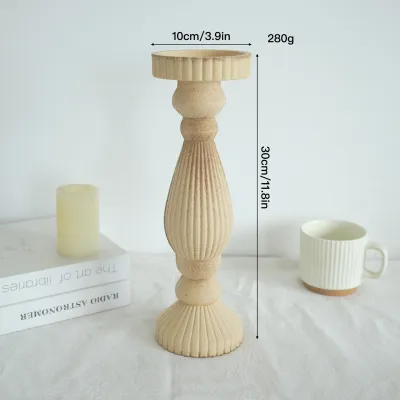
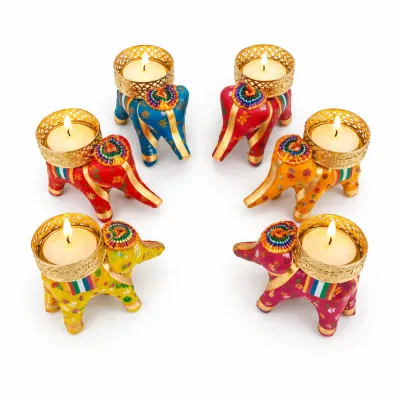
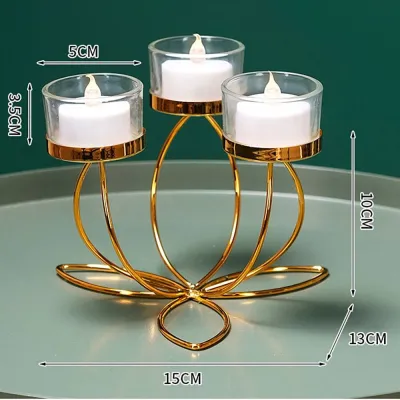
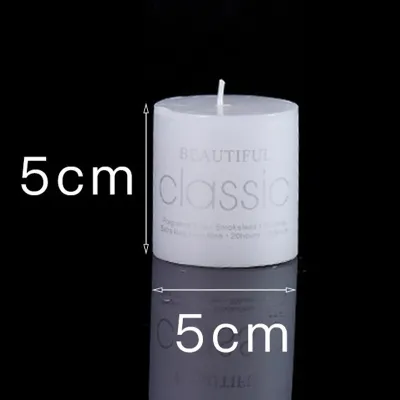
Prices are valid at publication and may change. Please refer to the product page for the latest price.
Structural stability is another vital factor, particularly for tall pillar candles or heavy multi-wick formats. A candleholder must possess sufficient base weight and a low center of gravity to prevent accidental tipping if the candle is bumped or if the wax melts unevenly. Top-heavy setups pose a significant fire hazard, making it necessary to match the physical footprint and weight of the holder to the height and volume of the candle. A wide, substantial base ensures that even as the candle’s weight distribution changes during a long burn, the assembly remains firmly anchored to the surface.
The physical shape, depth, and opacity of a holder also play a major role in how scent and light are dispersed. Deep, narrow holders tend to restrict airflow, which can stifle the flame or direct the scent throw in a narrow, vertical column rather than allowing it to disperse evenly throughout the room. Shallow, open designs encourage a wider scent throw but require careful placement to avoid drafts that cause uneven burning. Additionally, the opacity of the material affects your ability to monitor the flame; transparent or semi-transparent holders allow you to observe the wick and pool continuously, ensuring you can spot issues like secondary ignition or excessive soot buildup before they become hazardous.
Glass Holders: Safety and Visibility for Container Candles
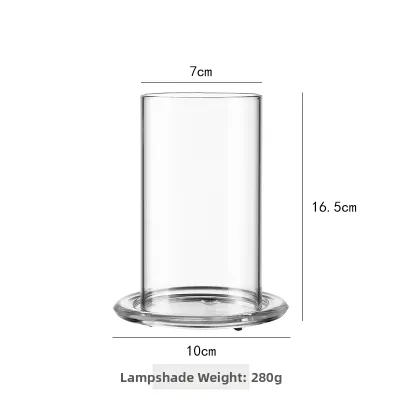
Glass is one of the most popular choices for candleholders due to its excellent light transmission and clean aesthetic, but it requires strict attention to thermal properties. For active burning, you should only use thick-walled, heat-treated glass, such as borosilicate or specially formulated soda-lime glass. These materials are engineered to withstand the thermal expansion that occurs when a flame burns close to the container walls. Heat-treated glass distributes thermal stress more evenly across its structure, reducing the likelihood of sudden fractures during extended burn sessions.

Using thin, decorative, or vintage glass that lacks thermal shock resistance presents a severe safety risk. Standard glassware, such as old drinking glasses, decorative jars, or vintage bottles, often contains microscopic air bubbles, uneven wall thicknesses, or internal stresses from the manufacturing process. When exposed to the intense, localized heat of a candle flame, these weak points expand at different rates, frequently resulting in the glass cracking or shattering completely. This can spill hot, liquid wax and expose an open flame directly to your tabletop or tablecloth.
To maintain both safety and the visual appeal of glass holders, regular maintenance is essential. Soot buildup on the inner walls of a glass container not only obscures the flame but also absorbs heat, creating localized hot spots that increase thermal stress on the glass. You can manage this by regularly trimming the candle wick to the manufacturer’s recommended length—typically around six millimeters—before lighting. If soot does accumulate, allow the holder to cool completely, then wipe the interior with a damp microfiber cloth to restore clarity and ensure you can easily monitor the flame during subsequent burns.
Metal Holders: Managing Heat Transfer and Wax Drips
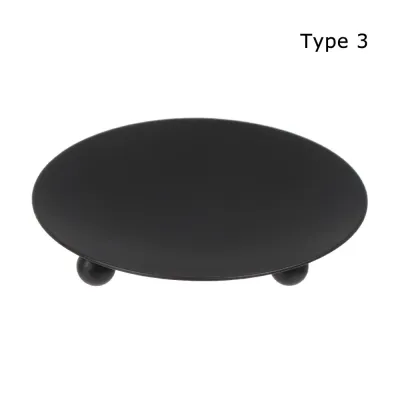
Metal candleholders, including those made of brass, copper, iron, or stainless steel, offer exceptional durability and structural integrity, making them excellent choices for supporting pillar candles and catching wax drips. A wide metal tray or plate provides a reliable, non-combustible barrier that collects any overflowing wax, protecting your tables and shelves from stubborn stains. Because metal is non-porous, cooled wax can generally be cleaned off without leaving permanent marks, provided you use non-abrasive methods that preserve the metal’s finish.
However, the high thermal conductivity of metal introduces specific safety considerations. Unlike ceramic or wood, metal transfers heat almost instantly from the flame or hot wax pool to the base of the holder. If a metal holder rests directly on a wooden table, veneered surface, or delicate lacquer, the intense heat can cause warping, discoloration, or cracking of the furniture finish. To mitigate this risk, always place a protective, heat-resistant pad—such as cork, silicone, or thick felt—beneath the metal base to act as a thermal barrier between the holder and your furniture.
Additionally, caution is required when using fully enclosed metal lanterns or deep metal cups for scented candles. Enclosed metal structures trap heat inside the chamber, raising the ambient temperature around the candle. This excessive heat can cause the scented wax to melt too quickly and unevenly, which accelerates the evaporation of the fragrance oils and degrades the scent profile prematurely. In extreme cases, the trapped heat can raise the temperature of the entire wax pool close to its flashpoint, creating a serious fire hazard. Ensure any metal lantern has ample ventilation openings to allow heat to escape.
Ceramic and Stone: Stabilizing Heavy and Large Candles
Ceramic, stoneware, and natural stone materials like marble or granite provide outstanding structural and thermal benefits, particularly for substantial, heavy, or multi-wick scented candles. The natural weight of these materials provides a solid, unyielding foundation that effectively lowers the center of gravity of the entire candle assembly. This weight is crucial for stabilizing tall pillar candles, which can easily tip over if placed on lightweight plastic or thin metal stands. A heavy ceramic or stone plate ensures the candle remains upright even in high-traffic areas of your home.
From a thermal perspective, dense ceramic and stone possess high thermal mass, meaning they can absorb a significant amount of heat before their surface temperature rises noticeably. This property allows them to act as a buffer, absorbing excess heat from the candle and releasing it slowly into the surrounding air. This gradual heat dissipation prevents sudden temperature spikes that could damage the holder or the underlying surface. It also helps maintain a more consistent temperature around the base of the candle, promoting an even melt pool and a steady, reliable scent throw.
Before using a ceramic or stone holder, it is important to inspect its surface finish and glaze. Unglazed ceramic or porous stone can absorb melted wax and fragrance oils, which can lead to permanent staining and, over time, create a fire hazard if the absorbed wax becomes saturated and exposed to heat. Ensure that any ceramic holder intended for direct contact with wax has a smooth, intact glaze that is rated to withstand heat. Check for any hairline cracks or chips in the glaze, as these imperfections can expand under thermal stress, eventually causing the holder to split or leak hot wax.
Wood Holders: Aesthetic Choices and Strict Safety Limits
Wood candleholders offer a warm, organic aesthetic that complements many interior styles, but because wood is a combustible material, its use requires strict safety boundaries. You must never place a candle directly onto an untreated or bare wood surface, nor should you allow an open flame to burn in close proximity to unprotected wood. The heat from a candle can dry out the wood over time, making it highly susceptible to ignition from a stray spark, a tilting wick, or a flame that burns down to the very bottom of the wax.
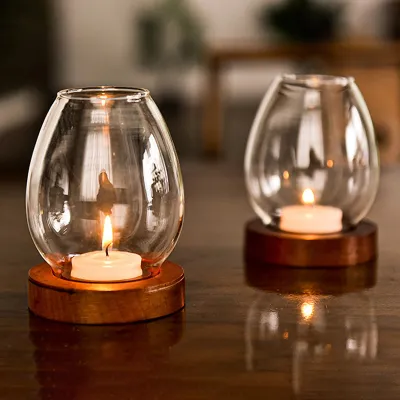
To use wood holders safely, restrict their application to low-heat options, such as small tealights, and ensure they feature deeply recessed wells lined with non-combustible materials. A metal cup or a glass sleeve insert is mandatory to create a physical barrier between the heat source and the wooden frame. This liner prevents the hot wax and the flame’s radiant heat from making direct contact with the wood, ensuring that even if the tealight burns completely down, the heat is safely contained within the non-combustible insert.
For larger candle formats, such as tall pillars or multi-wick candles, wood should only serve as an outer decorative sleeve or base support that remains physically separated from the active burn zone. Never use wooden plates or trays as direct drip catchers for pillar candles. If you prefer the look of wood, select a design where the candle sits inside a robust glass hurricane or on a raised metal platform that keeps the flame and hot wax pool several centimeters away from any wooden components. Always inspect the wood for signs of scorching or heat discoloration, and discontinue use immediately if any are found.
Build Your Candle and Material Matching Checklist
To ensure you select the safest and most effective holder for your specific scented candles, use the following decision matrix and verification steps before lighting your next candle. Different candle formats have distinct thermal profiles and structural needs, which dictate the most compatible holder materials.
The table below outlines the recommended material pairings based on candle format, highlighting key safety requirements and the expected impact on scent throw.
| Candle Format | Recommended Holder Materials | Key Safety Requirements | Scent Throw Impact |
|---|---|---|---|
| Jar / Container | Thick-walled glass, glazed ceramic | Verify flat base; monitor for soot buildup | Excellent; container walls direct scent upward |
| Pillar | Heavy ceramic, stone, metal tray | Must have a wide drip-catching lip; use protective base pads | Broad; open exposure allows rapid scent dispersion |
| Tealight | Metal-lined wood, glass cup, ceramic | Must use non-combustible inserts; check recess depth | Localized; best for small spaces or multiple burners |
| Votive | Deep glass cups, glazed ceramic | Holder must fit the candle snugly to control wax pool | Moderate; relies on a tight fit to maximize burn time |
When setting up your candle, always verify the manufacturer’s safety labels and burn instructions, which are typically located on the bottom of the candle container or packaging. Pay close attention to the maximum recommended burn time—usually limited to four hours per session—to prevent the holder and wax from overheating. Additionally, implement a rotation and resting plan: allow both the candle and its holder to cool completely for at least two hours before relighting. This resting period prevents localized heat fatigue in materials like glass and ceramic, protecting your holders and your home’s surfaces from long-term thermal damage.
Frequently Asked Questions (FAQ)
Can I repurpose a vintage teacup or thin glass jar as a candleholder?
Repurposing vintage teacups or thin glass jars as candleholders is highly discouraged due to the risk of thermal shock. Vintage ceramics often have microscopic cracks in their glaze, and thin glassware is not engineered to withstand the intense, localized heat generated by a candle flame. When exposed to sustained heat, these materials expand unevenly, which can cause them to shatter or crack unexpectedly. This sudden failure can spill hot, liquid wax and expose an open flame directly to your furniture, creating an immediate fire hazard. Always stick to holders specifically rated for candle use.
How do I safely remove melted wax residue from metal and ceramic holders?
The safest method for removing wax residue depends on the material of the holder. For metal holders, place the item in the freezer for about an hour; the cold temperature causes the wax to contract and shrink, allowing you to gently pop it off with your fingers or a plastic tool without scratching the metal finish. For glazed ceramic or stone holders, use a gentle warming method: pour hot (not boiling) water over the wax or use a hair dryer on a low setting to soften the residue, then wipe it clean with a soft cloth or paper towel. Avoid using sharp metal knives or abrasive pads, as these can permanently scratch glazes and protective coatings.

Community discussion
Share your experience or ask a question. Comments are reviewed before publication.