
Selecting the right large ceramic vase for a Singapore home requires balancing spatial proportions with your interior design theme. Because many modern apartments and condominiums feature compact layouts, a large decorative piece must be chosen with careful attention to its physical footprint, visual weight, and surface finish. By matching the texture, shape, and glaze of a ceramic vase to your specific decor style—whether it is the clean lines of a Scandinavian living room, the organic warmth of a Japandi entryway, or the polished surfaces of a contemporary space—you can create a harmonious focal point that elevates the room.
Assessing Scale, Proportion, and Placement Constraints
Before purchasing a large ceramic vase, precise physical measurements are essential. Floor space in urban apartments is often limited, making it crucial to measure the exact clearance of your intended spot. If placing the vase on a console table, sideboard, or entryway ledge, verify that the surface can support the substantial weight of a large ceramic piece, especially when filled with decorative branches. Walkways must remain completely unobstructed; a vase that juts out into a high-traffic corridor poses a constant tripping hazard and risks accidental breakage.
Visual weight is another critical factor to evaluate. A massive, dark-glazed ceramic vase can easily overwhelm a delicate, light-colored side table. Conversely, a tall, slender vase might look lost next to a heavy, deep-seated plush sofa. Aim for a balanced relationship where the vase complements the scale of the surrounding furniture.
Products mentioned in this guide
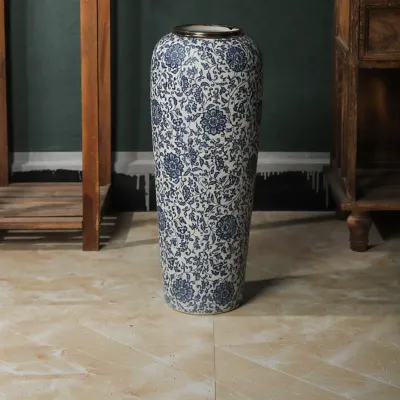
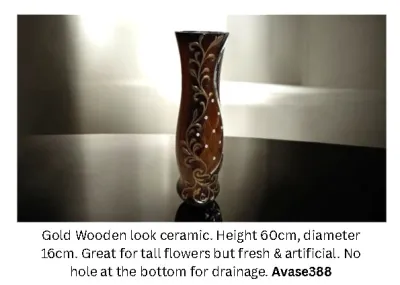
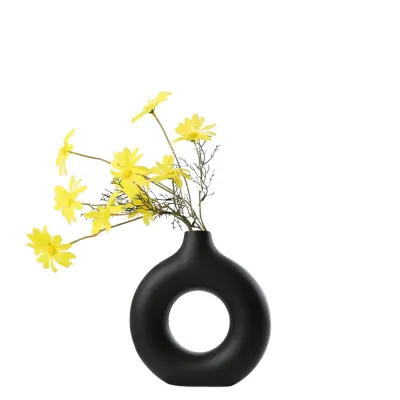
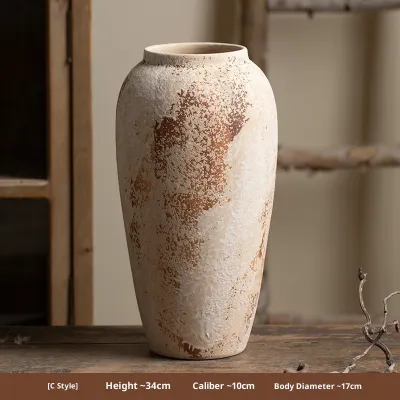
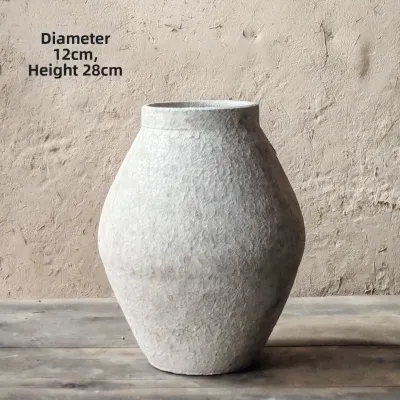
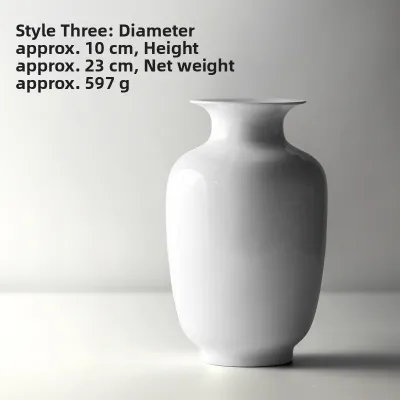
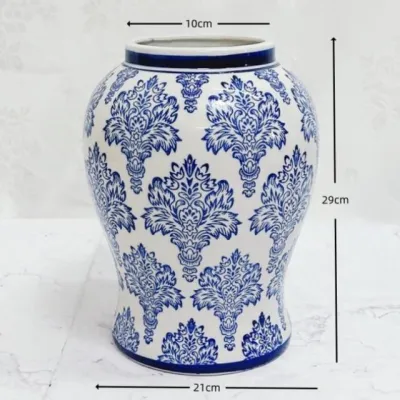
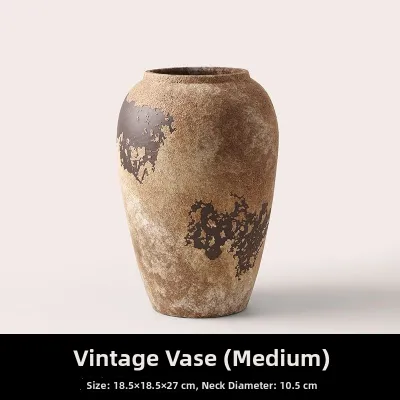
Prices are valid at publication and may change. Please refer to the product page for the latest price.
Do not forget to look upward. Check the vertical clearance between the top of the vase (including any planned floral or branch arrangements) and the ceiling or overhead lighting fixtures. Placing a tall vase directly beneath a low-hanging pendant light or a ceiling fan can create a cramped, awkward aesthetic and increases the risk of physical contact. Ensure there is ample breathing room above the arrangement to maintain a clean, airy feel.
Pairing Vase Aesthetics with Specific Interior Themes
The interaction between a ceramic vase’s surface and the surrounding environment dictates its success as a decor element. Texture and glaze are not merely aesthetic choices; they dictate how light behaves within a room. A high-gloss glaze reflects both natural daylight and artificial light sources, drawing immediate attention and adding brightness, while a matte or unglazed surface absorbs light, offering a quiet, grounding presence.

When selecting a vase, the goal is to establish a complementary anchor rather than a jarring distraction. The piece should bridge the gap between different materials in the room, such as wood, metal, stone, and textiles. By understanding how different finishes align with specific design philosophies, you can make an intentional choice that feels integrated into the architectural narrative of your home.
Minimalist and Scandinavian Spaces
Minimalist and Scandinavian interiors prioritize simplicity, functionality, and an abundance of light. To complement this aesthetic, look for large ceramic vases featuring smooth matte finishes, clean geometric shapes, and a neutral or monochromatic color palette. Soft whites, muted greys, and gentle beige tones work exceptionally well, seamlessly blending into light-colored walls and streamlined furniture.
Avoid vases with overly ornate textures, intricate hand-painted patterns, or high-contrast color schemes. These busy details can disrupt the serene, uncluttered atmosphere that defines Scandinavian design. Instead, let the beauty of the vase lie in its pure form and subtle silhouette, such as a classic cylinder, a soft sphere, or a gentle teardrop shape.
In these spaces, the large ceramic vase should serve as a singular, confident focal point. Rather than crowding it into a decorative cluster with multiple small knick-knacks, allow the vase to stand alone on a sideboard or in a quiet corner. This deliberate placement gives the piece room to breathe, highlighting its form and reinforcing the minimalist philosophy of “less is more.”
Rustic, Wabi-Sabi, and Japandi Interiors
For homes styled around rustic, Wabi-Sabi, or Japandi aesthetics, the focus shifts toward natural imperfection, organic textures, and earthy warmth. Vases featuring reactive glazes, raw unglazed clay, and asymmetrical, hand-thrown silhouettes are ideal choices. These pieces celebrate the natural variations of the ceramic process, with unique speckles, drips, and rough patches that tell a story of craftsmanship.
To create a cohesive look, pair these textured ceramics with natural wood furniture, woven rattan accents, and linen textiles. The tactile quality of a raw clay vase beautifully mirrors the grain of solid oak or teak, reinforcing a grounded, nature-inspired environment. This connection to the outdoors is particularly refreshing in urban apartments.
Embrace subtle color variations and matte earth tones, such as terracotta, charcoal, olive green, and warm sand. These shades harmonize with the neutral, organic palettes typical of Japandi and Wabi-Sabi homes. Avoid highly polished, high-gloss, or perfectly symmetrical factory-produced vases, as they can feel sterile and out of place in a room dedicated to rustic comfort and natural beauty.
Contemporary and Modern Luxury Settings
Contemporary and modern luxury interiors thrive on bold statements, sleek lines, and high-end materials. In these sophisticated environments, a large ceramic vase should act as an architectural highlight. Opt for bold, sculptural shapes, high-gloss metallic glazes, or deep, saturated colors that command attention and add a sense of drama to the room.
Ensure the vase contrasts effectively with the polished surfaces common in luxury homes, such as marble countertops, glass coffee tables, and velvet upholstery. For instance, a dark, high-gloss ceramic vase placed against a light Calacatta marble wall creates a striking visual contrast that feels curated and upscale. The reflective surface of a glazed vase can also catch the light from statement chandeliers, enhancing the room’s overall brilliance.
Because luxury surfaces like polished marble, lacquered wood, and glass are highly susceptible to scratching, always verify the construction of the vase’s base. Look for pieces with smooth, sanded bottoms, or manually apply adhesive felt pads to the underside. This simple precaution ensures that moving or adjusting the heavy ceramic piece will not leave permanent scuffs on your premium furniture.
Styling and Accessorizing Your Large Ceramic Vase
Once you have selected the perfect vase, how you style it determines its final impact. You must first decide whether to display the vase empty as a standalone sculptural object or to fill it with botanical elements. A highly detailed or uniquely shaped ceramic piece often looks best completely empty, allowing its form to be appreciated as a work of art. If you choose to add foliage, opt for tall, structural branches like eucalyptus, cotton stems, or dried palm fronds, which add height without overwhelming the vase.
When adding fillers, maintain a balanced visual ratio based on standard design proportions. A common rule of thumb is the golden ratio, where the height of the exposed branches or flowers is approximately one and a half times the height of the vase itself. If the branches are too short, the arrangement will look stunted; if they are excessively tall, the setup can appear top-heavy and unstable.
Consider the primary viewing angle of the vase’s location. If the vase is placed on a central dining table or a kitchen island, it will be viewed from 360 degrees, requiring a balanced, multi-directional arrangement. If it sits on a console table against a wall, you can focus on a flat-backed arrangement where the most attractive side of the vase and the foliage faces forward, maximizing its visual impact from the front.
Cross-Theme Versatility and Future-Proofing Your Choice
Interior design preferences can evolve over time, and high-quality large ceramic vases are often long-term investments. To future-proof your purchase, prioritize classic silhouettes and neutral tones that can easily transition between different styling trends. A simple, elegant cream or charcoal vase can fit just as comfortably in a rustic Japandi living room as it does in a sleek contemporary office.
Pay close attention to how the ceramic glaze interacts with different lighting conditions throughout the day. Natural daylight streaming through a window will highlight the subtle textures of a matte vase, while warm artificial lighting in the evening can create soft shadows and a cozy glow. Testing the vase in different spots under various light sources will help you appreciate its versatility.
Avoid highly trend-specific shapes, novelty designs, or overly bright, seasonal colors that may quickly feel outdated. While a highly eccentric vase might catch your eye today, a timeless, well-crafted ceramic piece offers the flexibility to adapt to future redecorating projects, ensuring it remains a cherished part of your home decor for years to come.
Frequently Asked Questions (FAQ)
How do I clean and maintain a large textured ceramic vase?
Cleaning methods must be tailored to the specific finish of your ceramic vase. For smooth, glazed surfaces, a simple wipe-down with a soft, damp microfiber cloth is usually sufficient to remove dust and fingerprints. For raw, unglazed, or heavily textured clay, avoid damp cloths as they can push dust deeper into the porous surface; instead, use a soft, dry brush or a compressed air duster to gently clear away debris. Always check the manufacturer’s care instructions before applying any liquid cleaners, and never use abrasive sponges or harsh chemical solvents that could permanently scratch or discolor matte and reactive finishes.
Can I use a large decorative ceramic vase for holding water and fresh flowers?
Not all decorative ceramic vases are designed to hold water. Before filling your vase, verify whether the interior is fully glazed and explicitly rated as waterproof by the manufacturer. Unglazed or poorly glazed ceramics are porous and can slowly seep moisture, which can ruin wooden tabletops or stain delicate stone surfaces. If you want to display fresh flowers in a non-waterproof or uncertain ceramic vase, place a separate glass or plastic liner inside to hold the water. Regularly inspect the exterior and the base of the vase for any signs of condensation or dampness to protect your furniture from moisture damage.

Community discussion
Share your experience or ask a question. Comments are reviewed before publication.