
To match scent profiles to occasions using a candle light lamp, pair the specific diffusion characteristics of top-down heating with the mood of your space. Opt for calming woody or herbal notes for evening relaxation, crisp citrus or mint for focus, and subtle, universally appealing profiles like fresh linen or light spices for social gatherings. Because a candle light lamp uses heat rather than a flame, you can easily control the intensity of these scents to suit any moment.
Understanding How a Candle Light Lamp Diffuses Fragrance
A candle light lamp operates by using a specialized halogen bulb to project downward heat onto the surface of a scented candle. Unlike traditional burning, which consumes the wax and wick via combustion, a warmer lamp melts the top layer of wax to release the suspended fragrance oils. This flame-free method typically results in a cleaner, more gradual scent throw because the fragrance is not being burned at high combustion temperatures.
Several factors influence how effectively the scent disperses, including the bulb’s wattage, the distance between the bulb and the wax surface, and the diameter of the candle jar. A wider jar creates a larger melt pool, which releases more fragrance molecules into the air. Before setting up your lamp, verify its operating voltage, base interface (such as a GU10 socket), wattage limits, and electrical safety certifications to ensure compatibility with your home’s electrical system.
Products mentioned in this guide
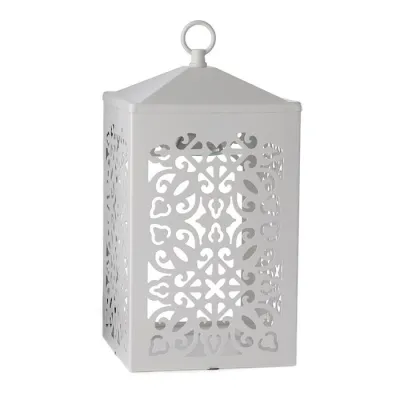
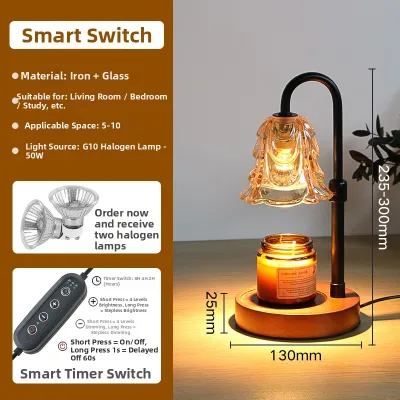
Prices are valid at publication and may change. Please refer to the product page for the latest price.
Always verify the manufacturer’s specifications for compatible candle heights and diameters. Using a candle that is too tall can place the wax too close to the bulb, risking overheating, while a candle that is too small might not melt efficiently. Ensure the bulb wattage and base interface match the fixture’s rated limit to prevent electrical hazards.
Matching Scent Families to Your Daily Scenarios
While fragrance preference is highly personal, understanding how different scent families interact with your environment helps you curate the perfect atmosphere. Instead of choosing candles based on abstract marketing names, look at the ingredient label for the primary, middle, and base notes. This allows you to predict how the fragrance will behave under the steady heat of your candle light lamp.

Relaxation and Unwinding
After a long day, transitioning your living space into a sanctuary of calm requires grounding, soothing aromas. Woody notes like sandalwood and cedarwood, herbal profiles like lavender and chamomile, or soft, powdery florals provide a comforting backdrop.
To enhance this experience, adjust your candle light lamp’s dimmer switch to a lower setting. This reduces the heat, creating a smaller melt pool for a gentler, less intense scent throw, while simultaneously lowering the light output to a warm, amber glow that mimics candlelight. Avoid sharp, highly stimulating scents like eucalyptus or heavy, cloying spices right before sleep, as these can keep your senses alert when you want them to rest.
Focus and Productivity
When you need to concentrate on tasks, study, or read, your environment should promote alertness without causing distraction. Citrus families—such as bergamot, grapefruit, and lemon—alongside crisp mint or light botanical notes like rosemary, are excellent choices to help maintain mental clarity.
In a compact home office or study nook, scent intensity can quickly become overwhelming, leading to olfactory fatigue or headaches. Keep the lamp on a medium setting to maintain a subtle, consistent aroma. Additionally, remember that while the ambient glow of a candle light lamp is highly aesthetic, it should complement rather than replace adequate primary task lighting over your desk to prevent eye strain.
Entertaining and Social Gatherings
Hosting guests requires a welcoming, universally pleasant atmosphere. Opt for crowd-pleasing, balanced profiles such as warm vanilla, light amber, or fresh linen. These scents feel inviting without dominating the room.
If you are serving food or drinks, avoid heavy, highly sweet, or deeply polarizing floral fragrances, as these can clash unpleasantly with culinary aromas. Position your candle light lamp in a well-ventilated area of the room, such as a console table near an entryway or a side table, rather than directly in the center of the dining table. This allows natural air circulation to distribute the fragrance evenly throughout the shared space without overwhelming guests in immediate seating areas.
Adjusting Scent Intensity for Different Room Sizes
One of the greatest advantages of a candle light lamp over an open flame is the ability to actively regulate fragrance strength. By utilizing the built-in dimmer switch, you control the electrical current flowing to the halogen bulb. Higher heat expands the liquid wax pool, accelerating the evaporation of fragrance oils for a stronger throw, while lower heat restricts the melt pool, keeping the scent close to the lamp.
The physical characteristics of your room play a major role in how scent behaves. Large living rooms with high ceilings or open-concept layouts require a wider candle jar and a higher lamp setting to allow the fragrance to travel. Conversely, air-conditioned rooms or spaces with active ceiling fans will disperse scent much faster, sometimes requiring you to position the lamp away from direct drafts to maintain a consistent aroma.
If a fragrance becomes too intense in a small bedroom or bathroom, you do not have to turn the lamp off entirely. You can switch to a smaller candle jar, adjust the lamp’s height adjustment mechanism (if equipped) to increase the distance from the bulb, or temporarily swap the bulb for a lower-wattage alternative that meets the manufacturer’s safety guidelines.
Practical Tips for Scent Switching and Lamp Care
To switch between different scent profiles throughout the day, safety and patience are key. Always turn off the candle light lamp and allow the melted wax pool to cool and solidify completely before moving or replacing the candle jar. Attempting to move a jar filled with hot, liquid wax can lead to spills, skin burns, or damage to the lamp’s base.
Keep the warming plate or dish clean to ensure optimal heat transfer. If wax accidentally spills onto the lamp, wait for it to cool completely, then gently scrape it away using a soft plastic tool; avoid abrasive metal scrubbers or harsh chemical solvents that could scratch or strip the finish. Always refer to the manufacturer’s care instructions for specific material recommendations.
Because candle light lamps generate significant heat, always isolate the power by unplugging the unit before performing any maintenance, and refer to the manufacturer’s installation instructions for safe placement away from damp areas or flammable materials. Perform routine safety checks on your device. Inspect the power cord for any signs of fraying, ensure the plug fits securely into the wall outlet, and check that the halogen bulb is free of dust and securely seated in its socket. To prevent overheating and electrical hazards, always unplug the candle light lamp when leaving the house or when the device is unattended for extended periods.
Frequently Asked Questions (FAQ)
Can I reuse the wax once the scent fades in a candle light lamp?
Yes, the wax itself will continue to melt under the lamp’s heat, but the fragrance oils will eventually evaporate completely after repeated use. Once you notice a weak or nonexistent scent throw, the remaining wax pool no longer contains active fragrance. To continue enjoying your candle, you will need to safely dispose of the scentless top layer of wax according to the manufacturer’s guidelines—often by absorbing the warm liquid wax with paper towels or pouring it into a disposable container—to expose a fresh, fragrant layer of wax underneath. Never pour liquid wax down household drains.
How do I know which bulb wattage is safe for my warmer lamp?
To determine the correct bulb wattage, inspect the rating label typically located on the underside of the lamp base, check the original packaging, or consult the manufacturer’s instruction manual. Most standard candle light lamps are designed for specific halogen bulbs, commonly 35-watt or 50-watt GU10 bulbs. Never exceed the maximum wattage rating specified by the manufacturer. Using a higher-wattage bulb to force a faster melt pool poses a severe risk of overheating the fixture, damaging the electrical components, or cracking the candle’s glass jar.

Community discussion
Share your experience or ask a question. Comments are reviewed before publication.