
The material of your tealight holder directly influences how a scented candle diffuses its fragrance by regulating heat transfer to the wax. Choosing the right material—whether it is highly conductive metal, heat-retaining ceramic, or insulating wood—ensures that the wax melt pool reaches the optimal temperature for your specific scent profile. This prevents delicate top notes from burning off too quickly and ensures heavy base notes do not remain trapped in cold wax.
In Singapore’s warm, humid climate, indoor air conditioning is frequently used, creating ambient drafts that can cool down a wax pool prematurely. A well-chosen holder acts as a thermal shield, stabilizing the flame and managing the heat distribution. By matching the thermal properties of your holder to the volatility of your candle’s fragrance oils, you can significantly improve both the strength and the longevity of the scent throw.
How Holder Materials Affect Scent Diffusion
Every material possesses a unique rate of thermal conductivity and heat retention, which dictates how quickly and evenly heat from the flame spreads across the candle cup. Metals transfer heat almost instantly, whereas ceramics and glass absorb heat slowly and release it gradually over time. This thermal behavior directly determines the temperature of the liquid wax pool.
Products mentioned in this guide
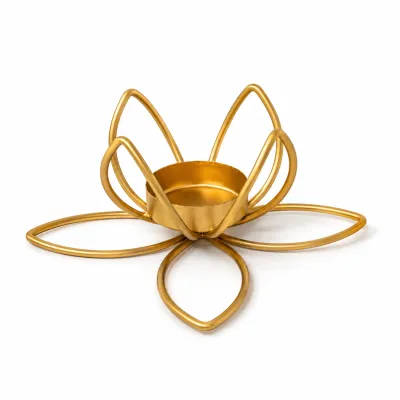
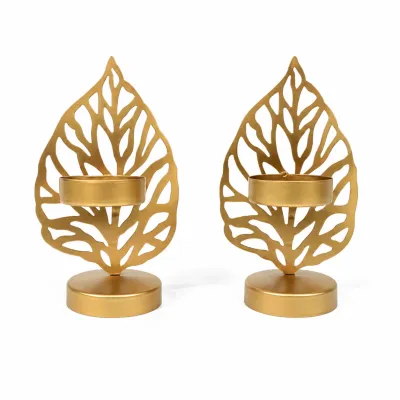
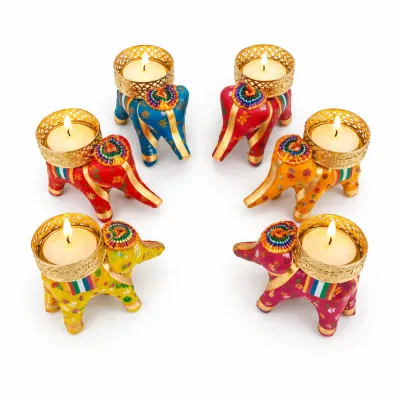
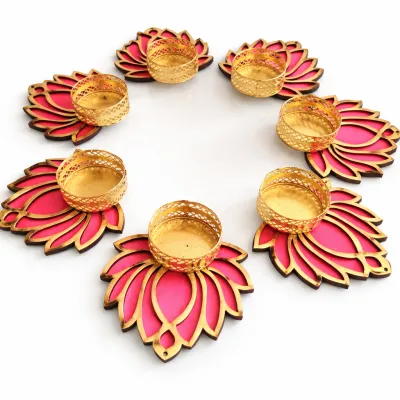
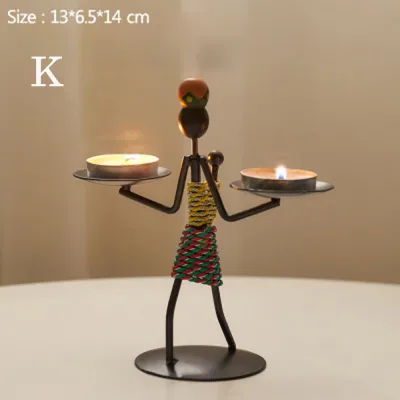
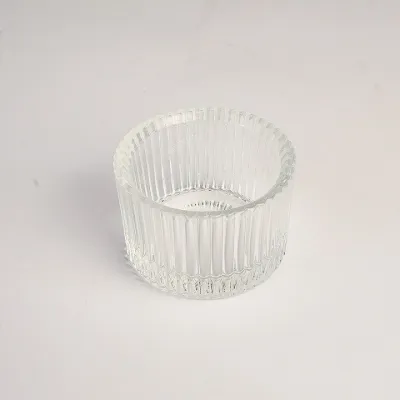
Prices are valid at publication and may change. Please refer to the product page for the latest price.
The temperature of the wax pool is the primary driver of fragrance evaporation. Scented candles are formulated with a blend of top, middle, and base notes, each vaporizing at different temperatures. If the wax pool becomes too hot, volatile top notes evaporate in a rapid, overwhelming burst, often leaving a scorched undertone. Conversely, if the wax pool remains too cool, heavy base notes cannot reach their vaporization point, resulting in a weak and disappointing scent throw.
Physical design elements like wall thickness, shape, and base ventilation also play a critical role in heat management. Thick-walled holders insulate the candle, trapping radiant heat to create a deeper melt pool. The shape of the holder can either concentrate heat around the wax or allow it to dissipate into the surrounding air. Furthermore, adequate ventilation at the base of the holder ensures a steady supply of oxygen, which maintains a stable flame temperature and prevents the accumulation of soot.
Matching Holder Materials to Scent Profiles
To achieve the perfect fragrance experience, you must pair the thermal behavior of the holder with the chemical volatility of your preferred scent profile. Highly volatile scents require different temperature controls than complex, heavy aromas.

High-volatility scents, such as citrus and light herbal blends, have low boiling points and disperse easily with minimal heat. These profiles benefit from materials that heat up quickly but do not trap excessive heat over long periods.
Complex or base-note heavy scents, including rich woods, resins, and warm spices, require sustained, higher temperatures to liquefy the wax deeply. These heavy molecules need a stable, warm environment to rise and fill a room.
Delicate scents, such as soft florals and green tea, are easily damaged by intense heat. High temperatures can break down their fragile chemical structures, causing the fragrance to smell synthetic or disappear entirely. Insulating materials help maintain a gentle, low-temperature burn that preserves these subtle notes.
Glass and Ceramic for Steady Diffusion
Ceramic and glass are excellent heat retainers. Although they are slow to warm up initially, they absorb thermal energy and distribute it evenly across the candle cup, maintaining a highly stable wax pool temperature over several hours.
This steady, prolonged warmth is ideal for complex, woody, or spicy scent profiles, such as sandalwood, cedarwood, amber, vanilla, and cinnamon. The consistent heat allows the heavy base notes to liquefy completely and diffuse gradually, creating a rich, layered, and long-lasting home fragrance experience.
However, these materials have specific limitations. Thick-walled ceramic or glass holders may delay the initial scent throw, requiring more time for the wax pool to form. They are also susceptible to thermal shock; exposing a hot holder to a cold draft or placing it on a cold surface can cause micro-cracks or sudden shattering.
Metal for Rapid Fragrance Release
Metals, such as brass, copper, and aluminum, are highly conductive materials that transfer heat from the flame directly to the wax cup almost instantly. This rapid heating quickly liquefies the wax, creating a full melt pool within minutes of lighting the candle.
This rapid heat transfer is perfect for high-volatility, refreshing scent profiles like citrus, lemongrass, eucalyptus, and light aquatic notes. The sudden rise in temperature triggers a quick, intense burst of fragrance, making metal holders excellent for rapidly neutralizing kitchen odors or refreshing a living space.
Despite their efficiency, metal holders require careful handling. The exterior can become extremely hot to the touch, presenting a safety hazard if moved while lit. Additionally, if left burning for extended periods, the intense heat can overheat the wax pool, causing delicate fragrance oils to degrade or evaporate too quickly, which shortens the overall life of the scent.
Wood and Stone for Gentle Heat Management
Wood, concrete, and natural stone act as natural insulators due to their low thermal conductivity. They shield the candle from rapid temperature fluctuations and slow down the melting process, keeping the wax pool at a lower, more controlled temperature.
This gentle heat management is highly suited for delicate, subtle, or heat-sensitive scents like white tea, cherry blossom, soft jasmine, and light fruits. By preventing the wax from overheating, these insulating materials preserve the fragile fragrance structures, allowing the subtle notes to drift gently without burning off prematurely.
However, using these materials requires strict adherence to safety guidelines. Wood is combustible and must always be fitted with a non-flammable metal or glass insert to prevent direct contact with the flame or hot wax. Unsealed stone, concrete, or plaster can be highly porous, meaning they may absorb spilled wax or fragrance oils, leading to permanent staining and competing, stale odors over time.
Safety and Surface Protection Checks
When selecting a tealight holder, safety and surface protection must be your primary considerations. High-operating temperatures can easily damage delicate furniture finishes or pose a fire risk if the holder is not designed or placed correctly.
Always verify the heat resistance and clearances of your holder, especially when using combustible materials like wood or placing holders near breezy windows. Ensure the holder sits on a flat, stable surface away from flammable decor, and never leave a burning candle unattended.
Check for proper ventilation at the base of the holder. Some decorative designs trap heat and starve the flame of oxygen, leading to incomplete combustion. This oxygen starvation causes the candle to produce black soot, which not only stains the holder but also taints the purity of the fragrance. Look for holders with small air gaps, open tops, or raised feet that encourage natural air circulation.
Regularly inspect your holders for signs of material degradation. Look for micro-cracking or crazing in ceramic glazes, scorch marks or discoloration on wooden components, and warping or rust on metal holders. If you notice any structural wear, replace the holder immediately to prevent wax leaks or potential fire hazards.
Frequently Asked Questions (FAQ)
Can I use a metal tealight holder directly on a wooden table?
No, you should avoid placing a metal tealight holder directly on a wooden table. Because metals are highly conductive, they transfer heat downward very efficiently, which can scorch the wood, ruin the protective varnish, or leave permanent heat rings. Always place a heat-resistant coaster, a ceramic trivet, or a small silicone mat underneath the holder, or choose a metal holder designed with integrated insulating feet that elevate the hot base off the surface.
Does the color of a glass holder affect the scent throw?
The color of a glass holder does not directly alter the chemical evaporation of the fragrance or the thermal conductivity of the glass. However, dark or opaque glass can absorb slightly more radiant heat from the flame than clear glass, which may marginally raise the internal temperature of the holder. The primary driver of scent throw remains the size and temperature of the wax melt pool, so any minor temperature difference caused by glass color will have a negligible impact on how the scent diffuses.
How do I clean wax residue from a ceramic tealight holder?
To clean a glazed ceramic holder, let the wax cool and harden completely, then place the holder in the freezer for about ten minutes to shrink the wax, allowing it to pop out easily. Wipe any remaining residue with a soft cloth dipped in warm, soapy water. For unglazed or porous ceramic holders, avoid soaking them in water, as the material can absorb moisture and crack during subsequent heating. Instead, gently scrape away the wax with a plastic tool and spot-clean with a damp cloth, avoiding harsh chemical cleaners that could penetrate the pores and release unpleasant chemical fumes when the candle is lit.

Community discussion
Share your experience or ask a question. Comments are reviewed before publication.